


Joseph R. Shaw: Why Stroke Occurs Despite Anticoagulation
Joseph R. Shaw, Director of Research Plus Program at Ottawa Department of Medicine, EHJ-CVP Associate Editor at European Heart Journal, shared on LinkedIn about a recent article he and his colleagues co-authored, published in BMJ, adding:
”Congratulations to Ronda Lun and co-authors (Umberto Pensato, Carlo Andrea Pivato, Luciano A. Sposato, Thalia Field, Andrew Demchuk) on the publication of our State of the Art Review in The BMJ: ‘Investigation and management of breakthrough ischemic stroke in anticoagulated patients with atrial fibrillation.’
It was a privilege to contribute to this multidisciplinary collaboration.
Breakthrough stroke is a heterogeneous clinical syndrome with multiple potential underlying or co-existing mechanisms.
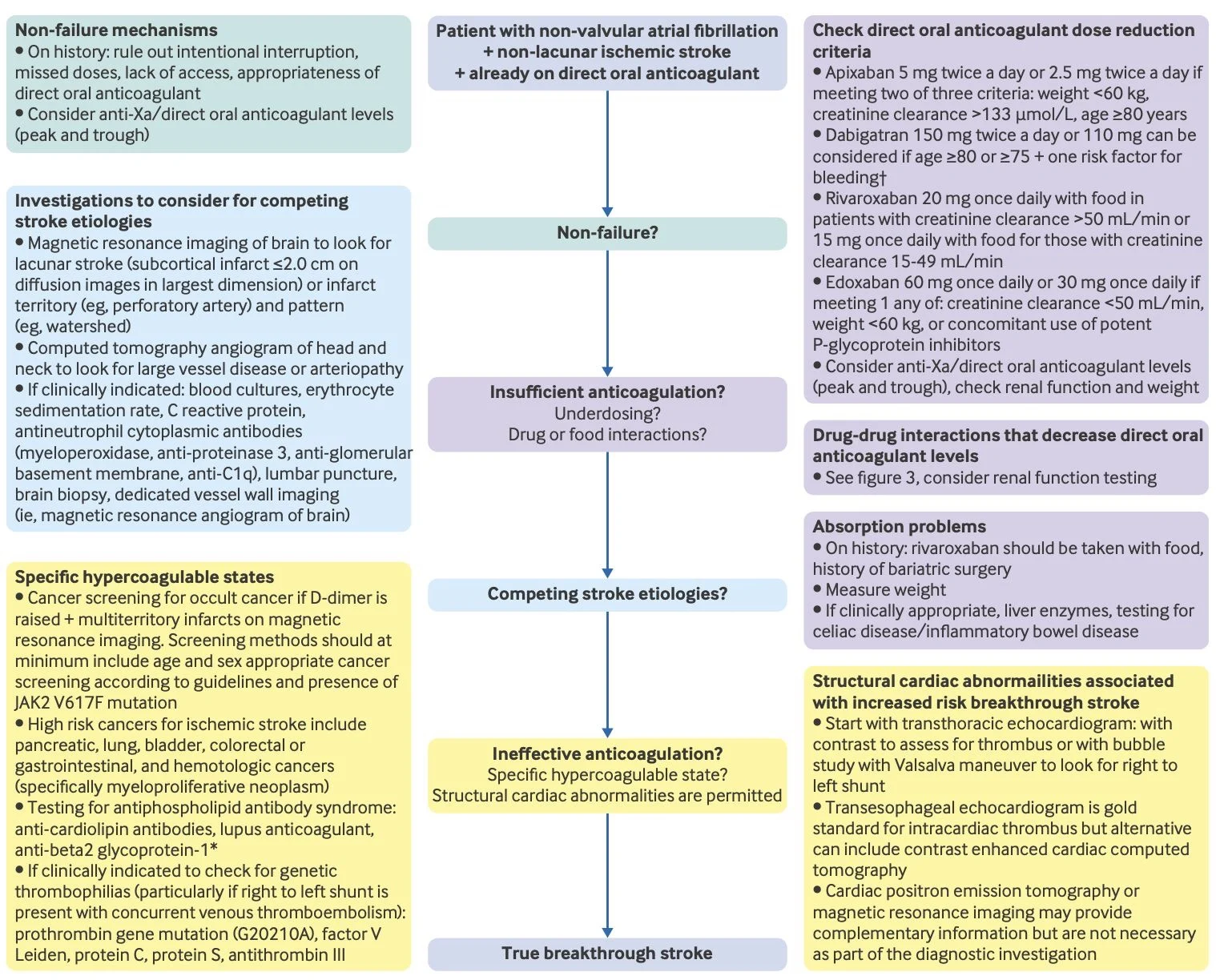
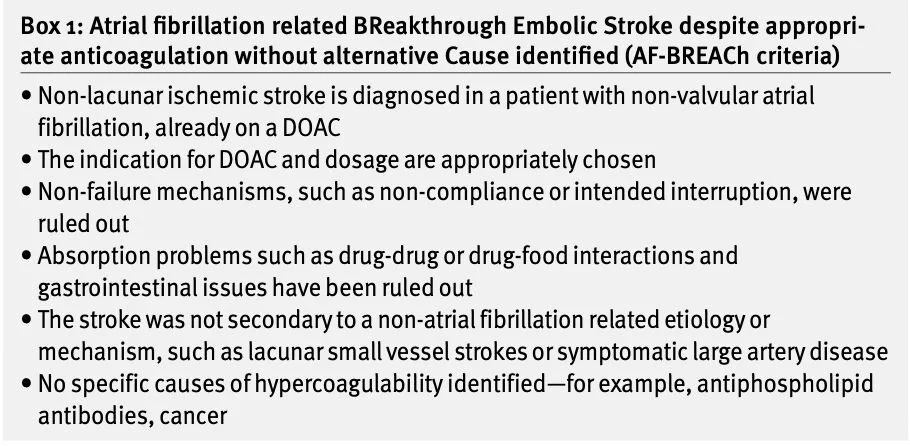
The proposed AF-BREACH framework provides a systematic approach to evaluating adherence and treatment interruption, inappropriate dosing, drug interactions or impaired absorption, competing stroke mechanisms, hypercoagulable states, and structural cardiac abnormalities.
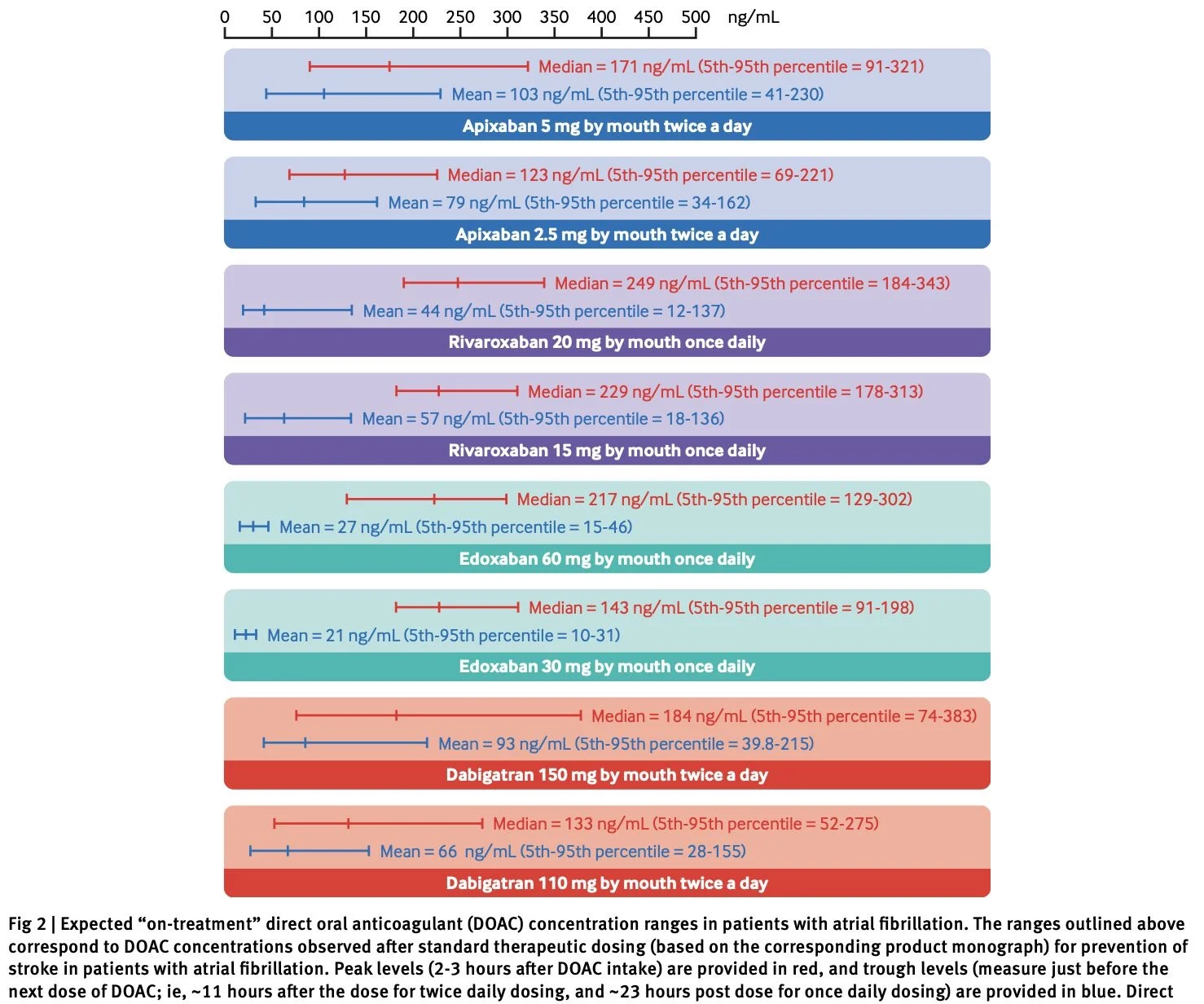
DOAC levels are becoming an increasingly important part of this evaluation.
Although we still lack a validated therapeutic range, accumulating evidence suggests that lower DOAC exposure is associated with thromboembolism, whereas higher exposure is associated with bleeding.
In selected patients, a carefully timed level may help identify underexposure and distinguish pharmacokinetic causes—such as nonadherence, drug interactions, impaired absorption, or inappropriate dosing—from other mechanisms of breakthrough stroke.
The absence of a perfect therapeutic range does not make DOAC levels clinically meaningless.
Their interpretation remains context-dependent, but thoughtful use in clinical practice and research is how we will improve our understanding of concentration–effect and concentration–outcome relationships.
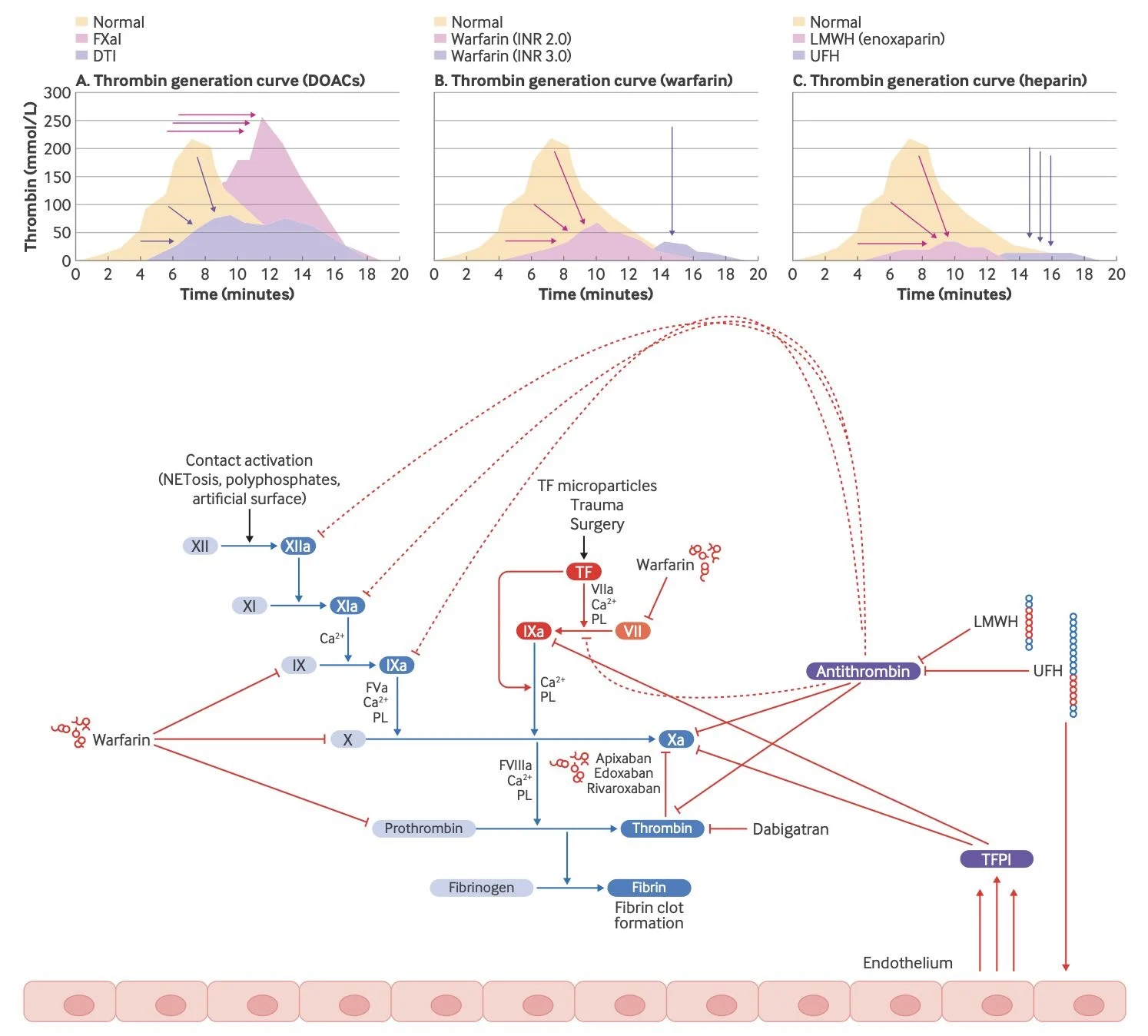
The review also highlights the emerging role of thrombin generation as a mechanistic bridge between anticoagulant pharmacology and clinical outcomes.
DOAC levels estimate drug exposure, whereas thrombin generation provides complementary insight into downstream anticoagulant effect.
Together, these tools may improve our understanding of why breakthrough thrombosis occurs despite anticoagulation and help inform future comparative trials across DOACs, vitamin K antagonists, heparins, and emerging factor XI(a) inhibitors.
This is increasingly important as our anticoagulant armamentarium expands and the role of factor XI(a) inhibitors remains uncertain.
Evidence guiding treatment after breakthrough stroke remains limited.
The immediate priority is therefore to determine what happened, identify correctable mechanisms, and enroll appropriately characterized patients into prospective trials.”
Title: Investigation and management of breakthrough ischemic stroke in anticoagulated patients with atrial fibrillation
Authors: Ronda Lun, Umberto Pensato, Joseph R. Shaw, Carlo A. Pivato, Luciano A. Sposato, Thalia S. Field, Andrew M. Demchuk
Stay updated on all scientific advances with Hemostasis Today.
-
Jul 28, 2026, 02:45Are VWD Clinical Trials Missing What Matters Most to Women? – RPTH
-
Jul 28, 2026, 02:38Umberto Pensato: New BMJ Review on Breakthrough Stroke in Patients Receiving DOACs Is Now Live
-
Jul 27, 2026, 17:29Muhammad Numan: Normal MCV Does Not Exclude B12 Deficiency
-
Jul 27, 2026, 17:15ISTH 2026 Congress Paris Opens with a Powerful Message: Science Beyond Border
-
Jul 27, 2026, 17:14Michael Ombrello։ Decoding How Autoantibodies Cause Disease
-
Jul 27, 2026, 16:57Thomas Dayspring։ Could PCSK9 Inhibitors Reduce the Risk of Retinal Vascular Occlusions?
-
Jul 27, 2026, 16:53Arun V. J.: How to Find a Mentor When You Know No One
-
Jul 27, 2026, 16:45Urtė Cholinaitė: A Meaningful Experience at the Lithuania Hemophilia Society Summer Camp
-
Jul 27, 2026, 16:33Martyna Lewand: Major Immunology Deal Brings FB102 to argenx