

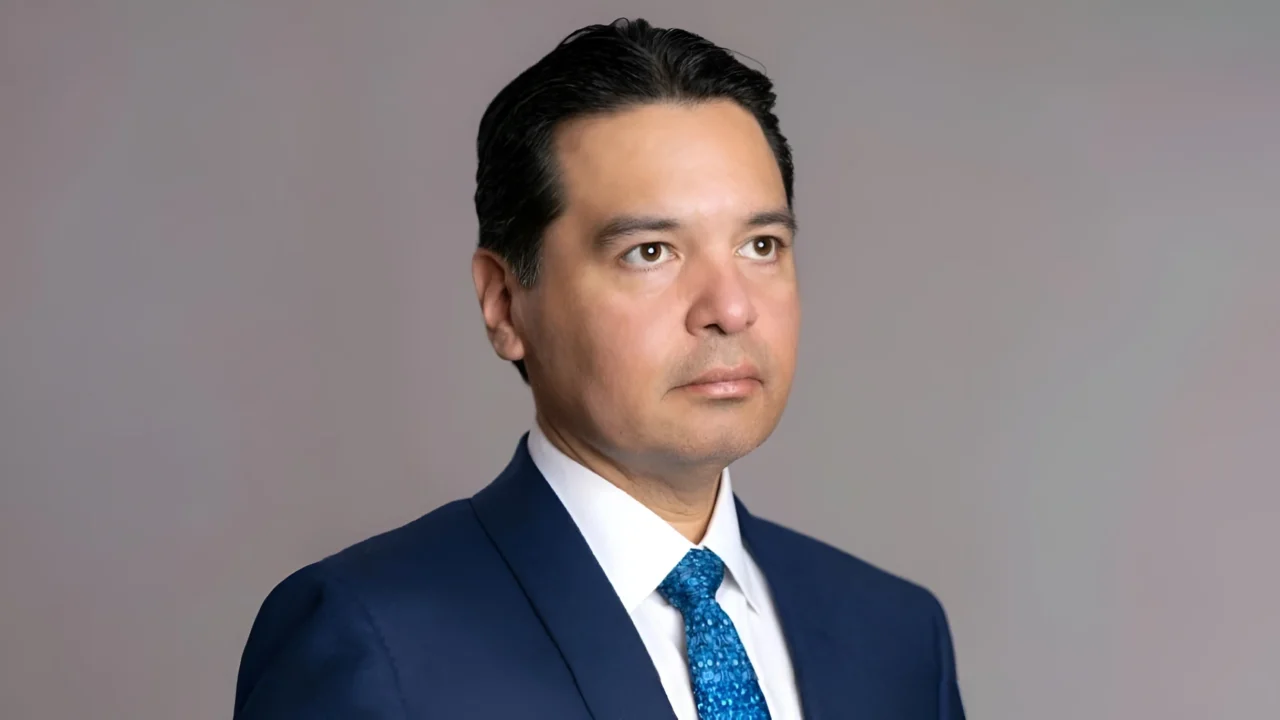
Alfonso J. Tafur: What Patients Fear Most When Anticoagulation Is Interrupted
Alfonso J. Tafur, Board Member VAS European Independent Foundation in Angiology and Vasculearn Network, shared a post on LinkedIn about a recent article he and his colleagues co-authored, adding:
”What worries patients the most when we ask them to stop anticoagulation before a procedure?
Delighted to see our manuscript is now published.
As clinicians, we spend a great deal of time discussing when to stop anticoagulants and when to restart them. We debate thrombotic risk, bleeding risk, pharmacokinetics, and guidelines.
But our patients are often thinking about something very different.
Our latest qualitative study explores the lived experience of patients navigating temporary interruption of anticoagulation using the PAUSE approach.
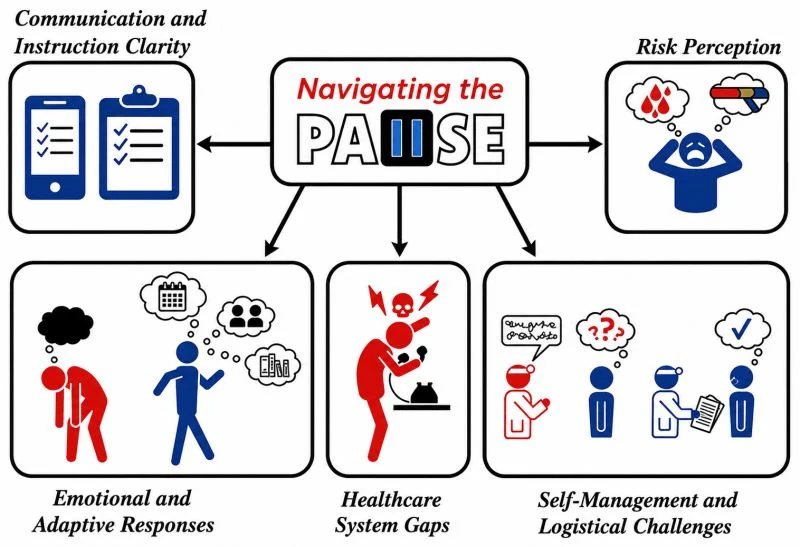
Through in-depth interviews, we identified several recurring themes that extend well beyond medication instructions:
- Communication and instruction clarity – Patients need simple, consistent, and actionable guidance rather than fragmented recommendations.
- Risk perception – Many struggle to balance the fear of bleeding against the fear of thrombosis, often overestimating one risk while underestimating the other.
- Emotional and adaptive responses – Anxiety, uncertainty, and the psychological burden of stopping a medication they associate with safety are common.
- Healthcare system gaps – Conflicting advice, difficulty reaching clinicians, and fragmented perioperative workflows create avoidable stress.
- Self-management and logistical challenges – Remembering medication schedules, coordinating procedures, transportation, work, and family responsibilities all influence adherence.
This work reminds us that successful perioperative anticoagulation management is not simply about following a protocol.
It is about understanding how patients experience that protocol. Patient Centered care requires designing systems that are not only clinically safe but also understandable, reassuring, and practical.
Qualitative research provides insights that randomized trials and registries cannot capture.
By listening to patients, we can improve communication, reduce uncertainty, and ultimately make evidence-based perioperative care more humane.
I look forward to hearing how others have addressed these challenges in their own practices.
Thank you International Society on Thrombosis and Haemostasis (ISTH) for the grant that supported.”
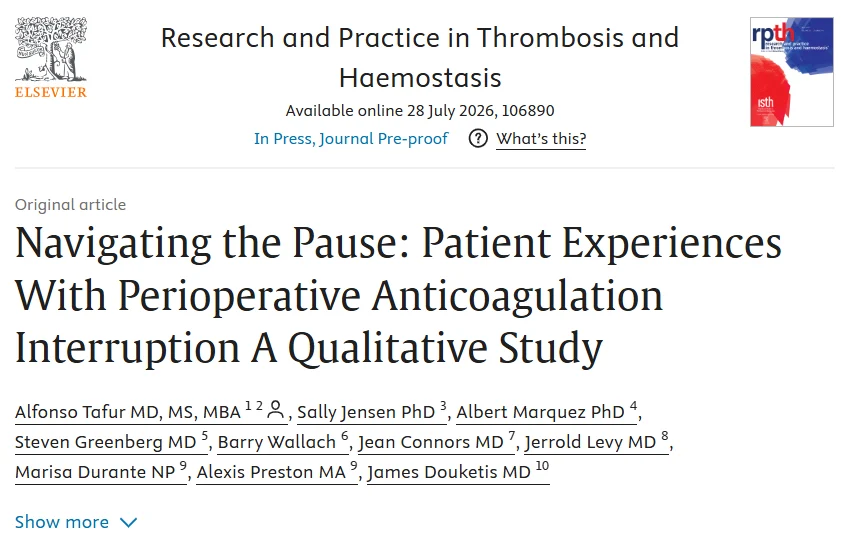
Title: Navigating the Pause: Patient Experiences With Perioperative Anticoagulation Interruption A Qualitative Study
Authors: Alfonso Tafur, Sally Jensen, Albert Marquez, Steven Greenberg, Barry Wallach, Jean Connors, Jerrold Levy, Marisa Durante, Alexis Preston, James Douketis
Stay updated on all scientific advances with Hemostasis Today.
-
Sep 20, 2026, 12:11Giacomo Buso: Silent Atherosclerosis Begins Earlier Than Expected
-
Sep 20, 2026, 12:0310 Posts Not to Miss This Week
-
Sep 20, 2026, 11:27Edward Lee Carter: Prasugrel Dosing Matters in P2Y12 Inhibitor Comparisons After PCI
-
Sep 20, 2026, 09:51Ceasovschih Alexandr: A Closer Look at Lipid Disorders in CKM Syndrome
-
Sep 20, 2026, 09:05World Stroke Academy: Can Adjunct IAT Improve Tissue Reperfusion?
-
Sep 20, 2026, 06:46Neeraj Songara: From Donated Blood to Engineered Therapeutics
-
Sep 20, 2026, 06:24Louise St. Germain Bannon: Improving Awareness and Care for Women Across the Lifespan
-
Sep 20, 2026, 05:17Maxime Dely: When ABO Compatibility Isn’t Enough for Safe Transfusion
-
Sep 20, 2026, 04:54William Aird: What Does a Complete History and Physical Really Mean?