

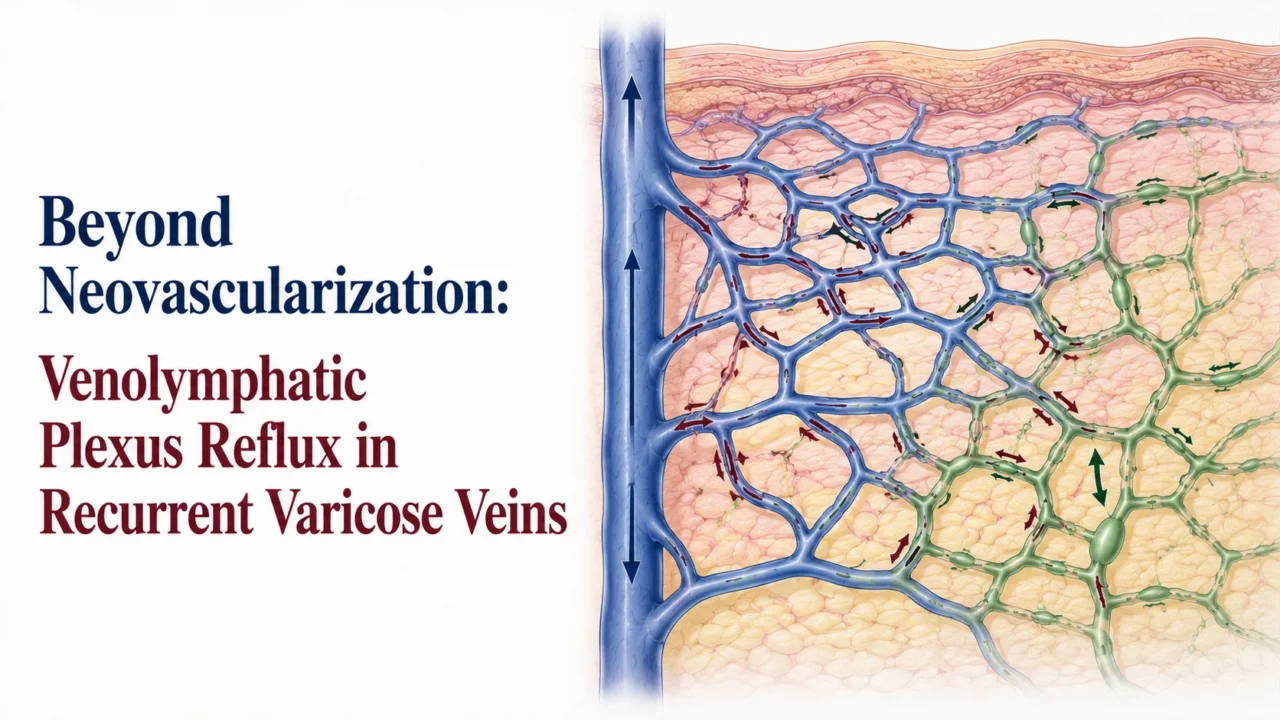
Luca Palombi: Venolymphatic Plexus Incompetence in Recurrent Varicose Veins
Luca Palombi, Vascular Surgeon and Co-Founder at Cura Vene Roma, shared a post on LinkedIn:
“Recurrent varicose veins are often attributed to neovascularization.
But is this always the correct explanation?
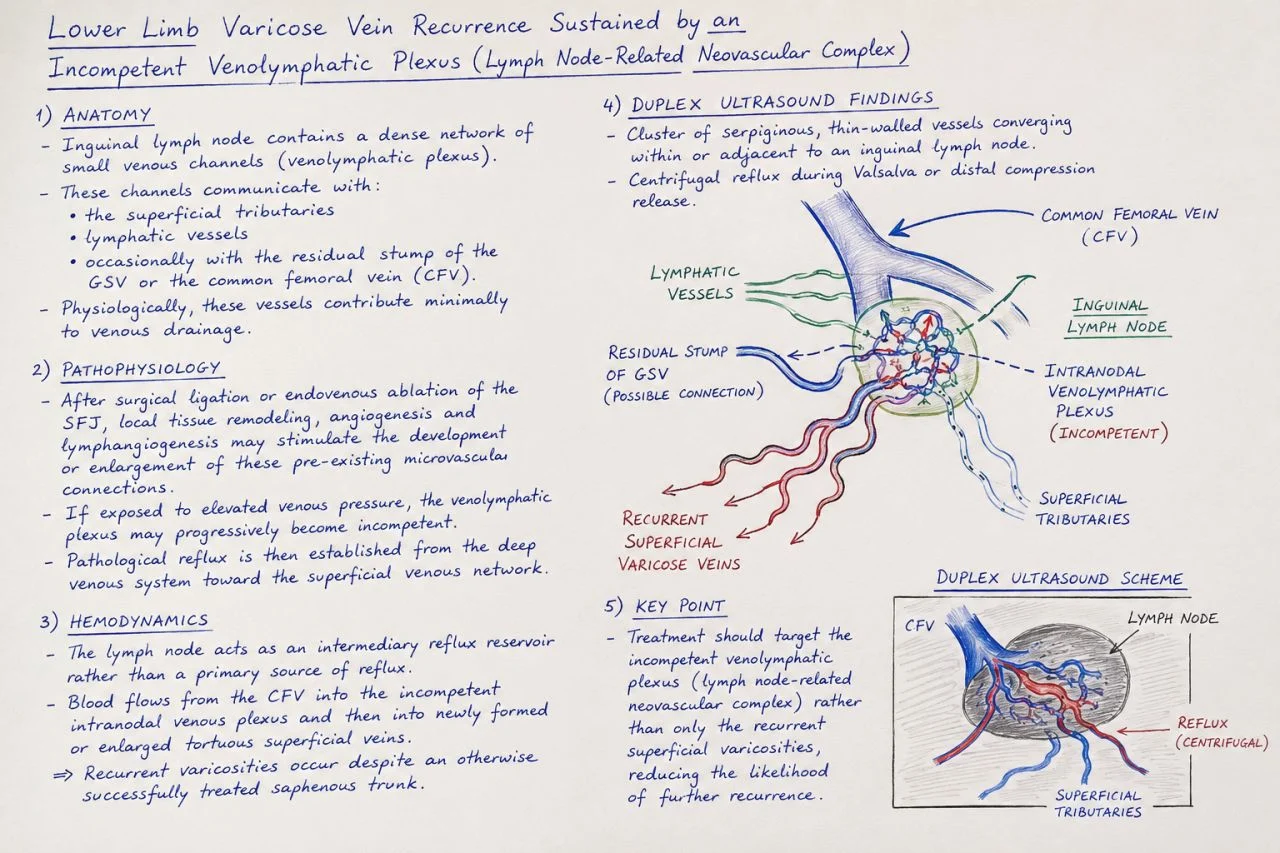
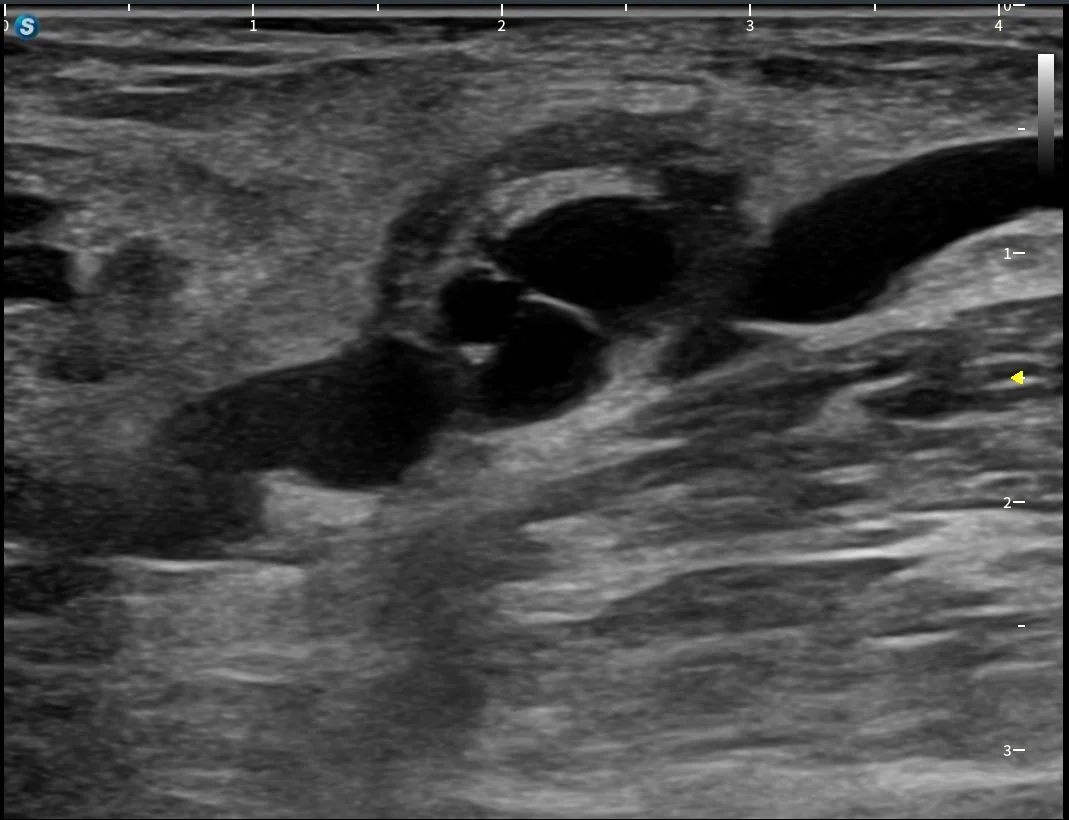
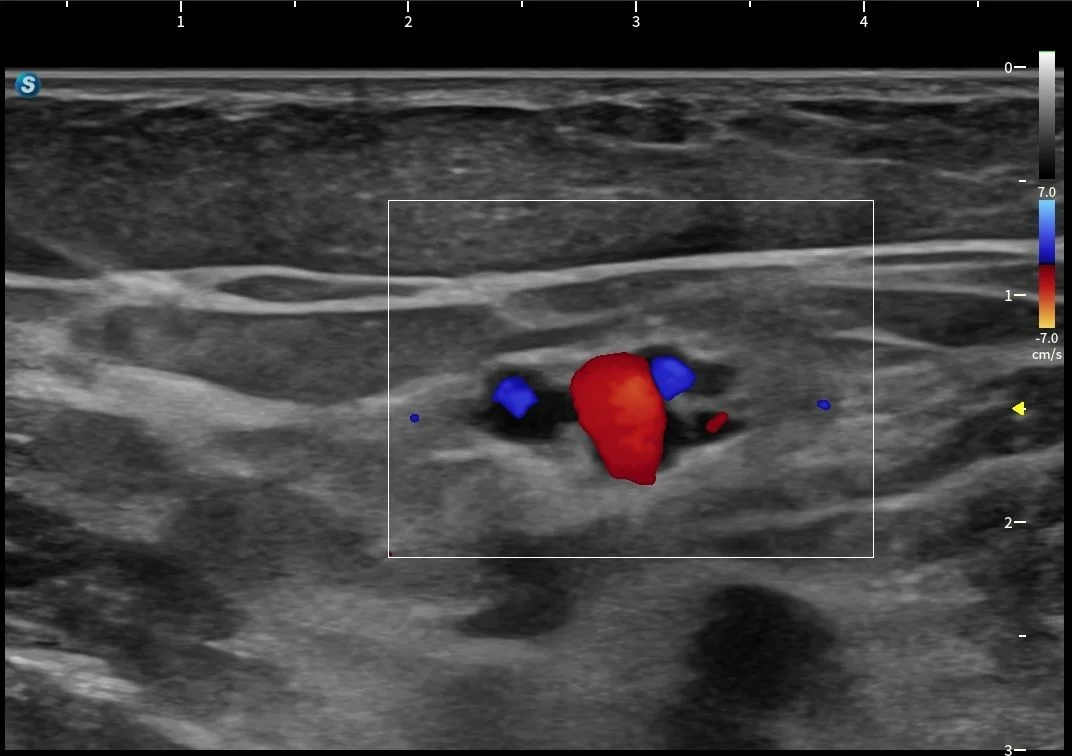
In my clinical experience, a subset of recurrences appears to originate from a different anatomical substrate: an incompetent venolymphatic plexus associated with an inguinal lymph node.
Rather than representing ‘new vessels’ alone, these cases seem to involve a pre-existing intranodal microvascular network that, following surgery or endovenous ablation, undergoes remodeling and progressively becomes hemodynamically significant.
The proposed mechanism is straightforward:
- Elevated pressure from the common femoral vein is transmitted into an incompetent intranodal venolymphatic plexus.
- The plexus then acts as an intermediary reflux reservoir, directing blood centrifugally into superficial tributaries.
- The result is recurrent varicose veins despite durable occlusion of the treated saphenous trunk.
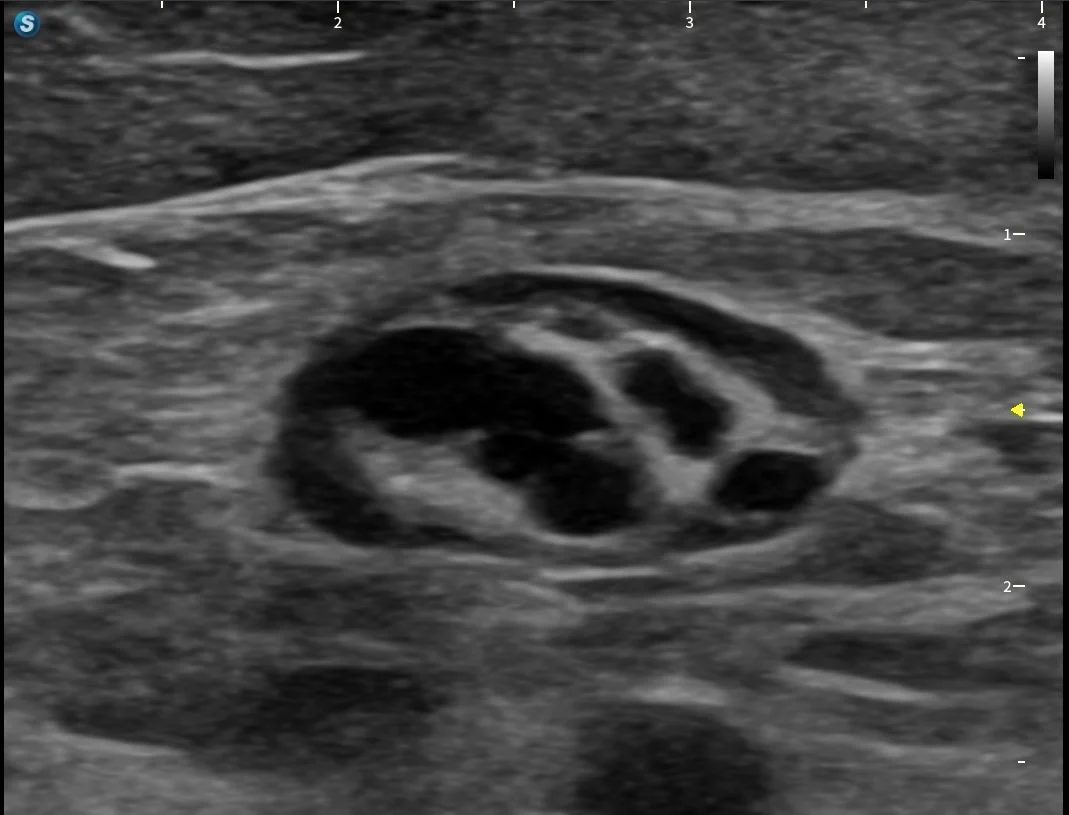
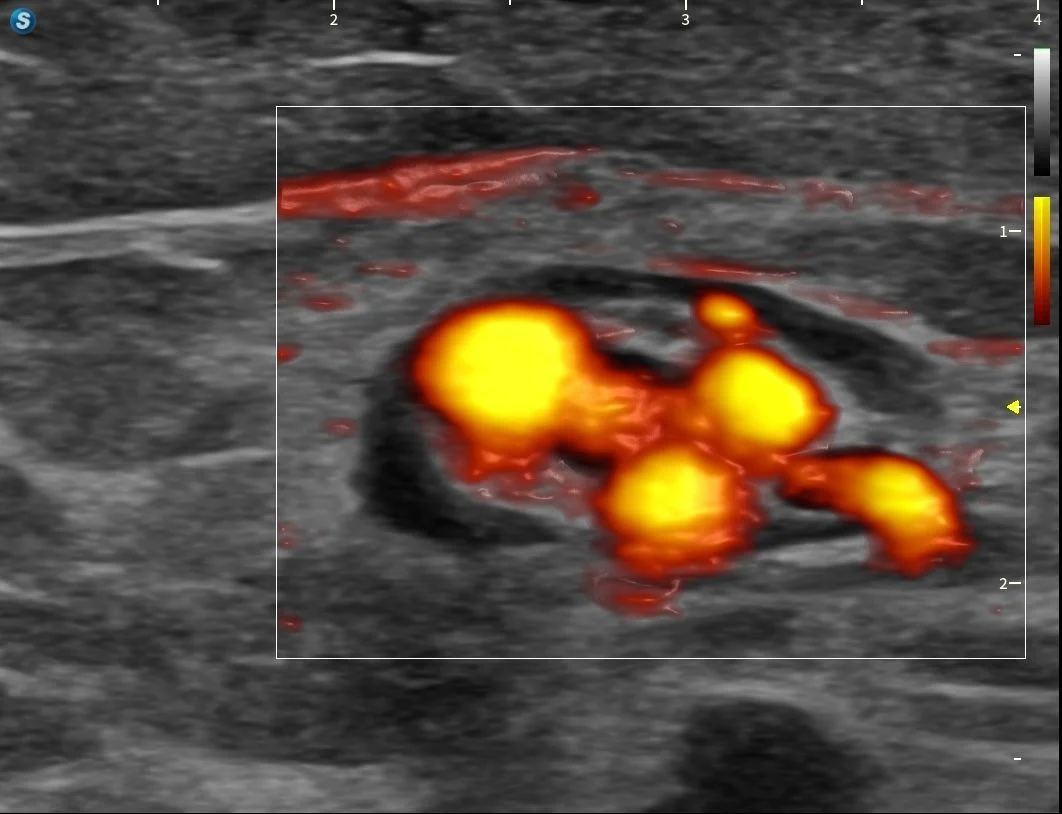
On duplex ultrasound, this pattern may appear as a cluster of tortuous vessels converging within or immediately adjacent to an inguinal lymph node, demonstrating reflux during dynamic maneuvers.
Recognizing this anatomical configuration is important because treatment should focus on the refluxing venolymphatic plexus, rather than simply removing or ablating the recurrent superficial varicosities.
From a therapeutic perspective, I believe ultrasound-guided foam sclerotherapy (UGFS) represents the treatment of choice in these cases. Beyond its effectiveness in obliterating the incompetent venolymphatic network, UGFS avoids the delivery of thermal energy in close proximity to the lymph node, thereby minimizing the potential risk of thermal injury to nodal structures and the surrounding lymphatic pathways.
I would be very interested to hear your experience and discuss whether this entity should be differentiated from classical neovascularization.”
Stay updates with Hemostasis Today.
-
Sep 20, 2026, 13:29Factor XI Deficiency and the Challenge of Unpredictable Bleeding – EHC
-
Sep 20, 2026, 13:18Cindy Howry: FDA Approves First Treatment for Ataxia-Telangiectasia
-
Sep 20, 2026, 13:08Mohammad Salar Amoli: When Routine Coagulation Tests Miss von Willebrand Disease
-
Sep 20, 2026, 12:55Stelios Andreadis։ Human Salivary Gland Organoids Offer New Potential for Regenerative Medicine
-
Sep 20, 2026, 12:43Obi Light Ogbonnia: The Power of Lived Experience in Sickle Cell Care
-
Sep 20, 2026, 12:34Sabrine Mekni: Advancing HSCT for Children With Fanconi Anemia
-
Sep 20, 2026, 12:11Giacomo Buso: Silent Atherosclerosis Begins Earlier Than Expected
-
Sep 20, 2026, 12:0310 Posts Not to Miss This Week
-
Sep 20, 2026, 11:27Edward Lee Carter: Prasugrel Dosing Matters in P2Y12 Inhibitor Comparisons After PCI