

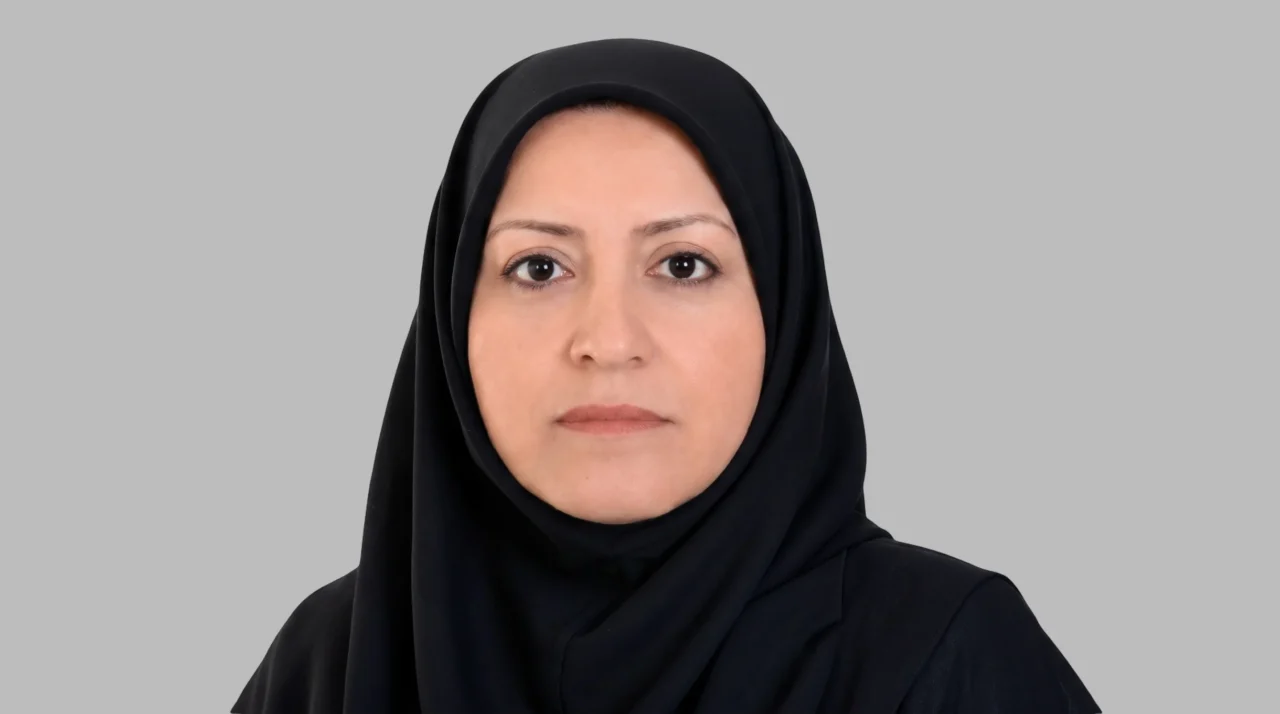
Zahra Molazem: Understanding the Role of Spirituality in Living with Hemophilia
Zahra Molazem, Full Professor of Nursing at Shiraz University of Medical Sciences, shared a post on LinkedIn about a recent article she and her colleagues co-authored, published in Journal of Religion and Health, adding:
“This study explores the spiritual experiences of Muslim adults living with hemophilia, highlighting how faith serves as a vital coping mechanism for chronic illness.
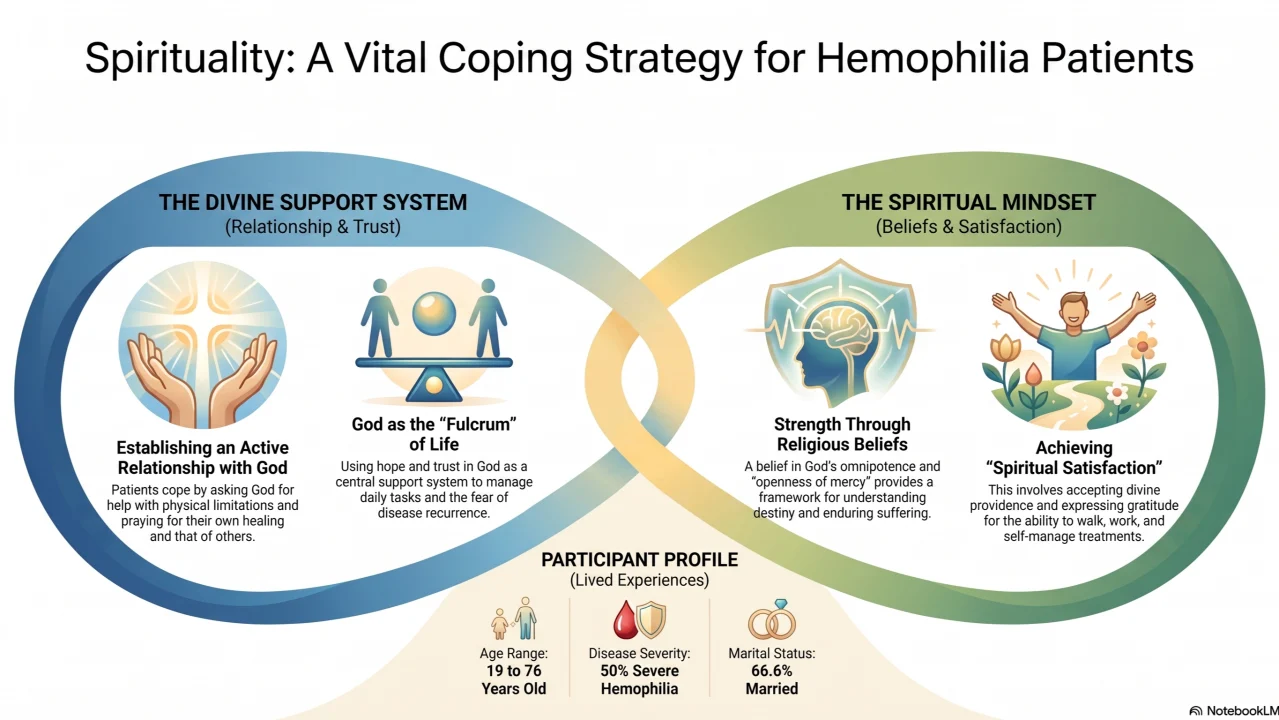
Through qualitative interviews, researchers identified four primary themes: a direct relationship with God, viewing the divine as a central support, maintaining robust religious convictions, and achieving spiritual contentment.
Participants utilized prayer and trust in God to navigate the physical and psychological burdens of their genetic disorder. The findings suggest that patients find profound meaning by accepting their providence and expressing gratitude for divine blessings despite their suffering.
Ultimately, the authors argue that healthcare providers should integrate holistic, spiritual care into clinical practice to better support the unique needs of those with hemophilia.
A qualitative study from Iran offers a rare window into the spiritual lives of adults living with hemophilia — and the findings are striking.
Using a hermeneutic phenomenological approach, researchers interviewed 12 Muslim patients and identified four core themes of spirituality in their daily experience:
- Connection with God – asking for help, praying for self and others
- God as an anchor – hope and trust in divine support
- Strong religious beliefs – faith in mercy, power, and divine order
- Spiritual satisfaction – acceptance of destiny and gratitude for blessings
For these patients, spirituality was not a separate ‘add-on’ to care. It was a lived coping strategy — helping them manage pain, physical limitations, hospitalizations, and the uncertainty of a chronic bleeding disorder.
This matters for healthcare globally. When nurses and clinicians understand what gives meaning to a patient’s life, they can offer truly holistic care — care that treats the person, not just the disease.
The study, published in the Journal of Religion and Health, reminds us that spiritual assessment should be as routine as physical assessment in chronic illness management.
What role do you think spirituality should play in clinical practice — especially in non-Western or multicultural settings?”
Title: Spirituality Experiences in Hemophilia Patients: A Phenomenological Study
Authors: Masoume Rambod, Farkhondeh Sharif, Zahra Molazem, Kate Khair
Stay updated on all scientific advances with Hemostasis Today.
-
Sep 29, 2026, 12:37Dan Milikovsky: Uncovering Cerebrovascular Injury in Sickle Cell Disease
-
Sep 29, 2026, 12:02Hajra Malik: Bridging Language Gaps in Hematology With AI
-
Sep 29, 2026, 11:57Joan Montaner: Can Blood Test Identify Intracerebral Hemorrhage Within Minutes?
-
Sep 29, 2026, 11:43From Years Without Answers to Life With Hemophilia Care – WFH
-
Sep 29, 2026, 11:32Sara Al Dallal: Transforming Hemophilia Care Across the Gulf
-
Sep 29, 2026, 11:21Richard Davis: Rapid Rescue in Massive Pulmonary Embolism
-
Sep 29, 2026, 11:14Nissan Brown: Every Step Counts for the Hemophilia Community
-
Sep 29, 2026, 11:03Zain Khalpey: SINGLE AF Adds New Evidence to the Anticoagulation Debate
-
Sep 29, 2026, 10:54How Does Haemophilia Affect Motor Development in Infants? – EAHAD