

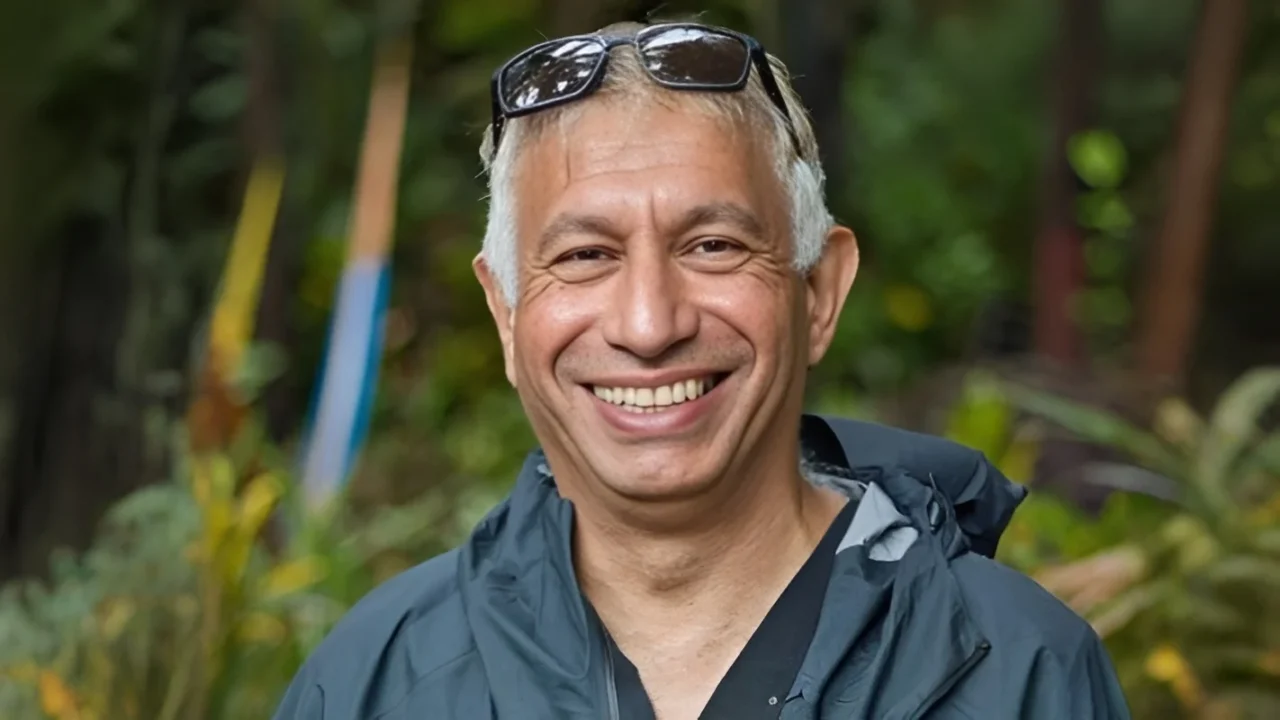
Burjor Langdana: Why Does Blast Traumatised Facial Tissue Keep Swelling and often Heal Badly
Burjor Langdana, Founder of Wilderness Expedition Dentistry, shared a post on LinkedIn:
“Why does blast traumatised facial tissue keep swelling – and often heal badly – even after the bleeding has been controlled and the wound has been treated?
It is not simply the result of the mechanical injury itself.
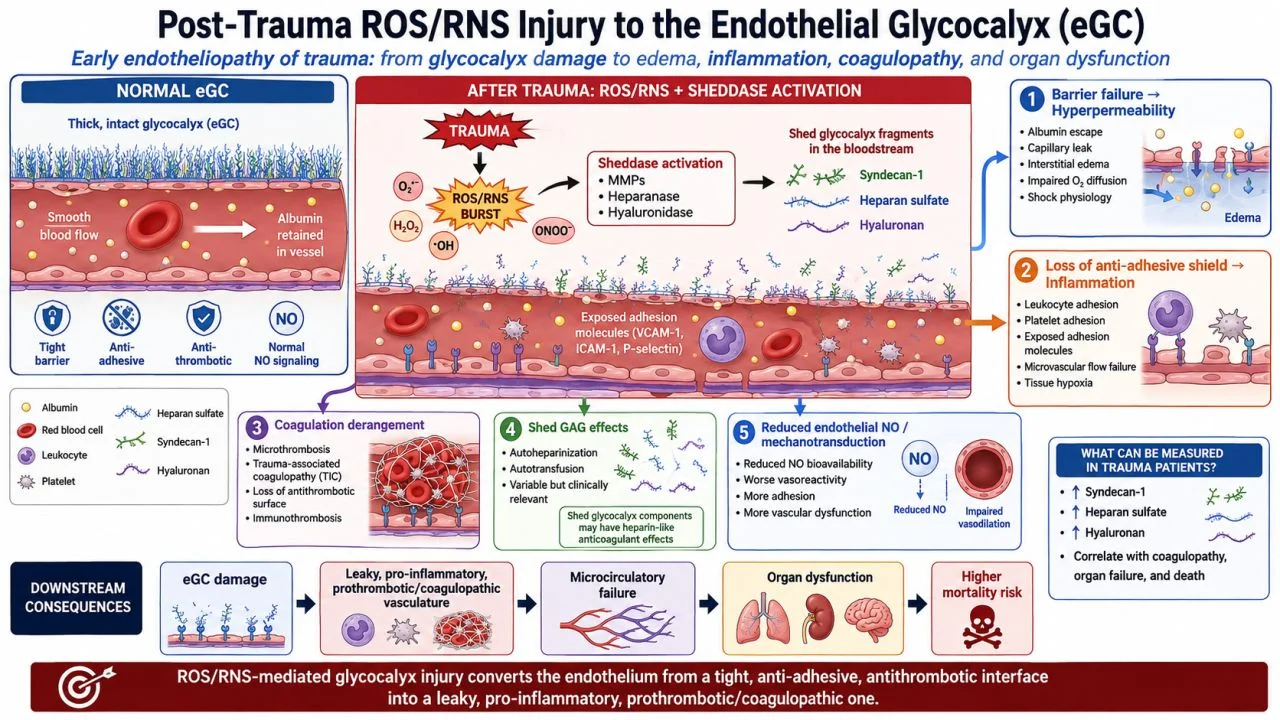
One important part of the story is ROS/RNS-mediated damage to the endothelial glycocalyx.
The glycocalyx is the thin protective layer lining the inside of our blood vessels.
Normally, it helps maintain vascular integrity, limits albumin and fluid leakage, discourages leukocyte and platelet adhesion, and supports normal endothelial signalling.
Following severe trauma, increased reactive oxygen and nitrogen species (ROS/RNS) can activate enzymes that damage and shed this glycocalyx.
The consequences can be significant:
- Capillary leak – albumin and fluid escape into tissues – oedema – loss of the anti-adhesive surface – leukocyte and platelet adhesion – inflammation.
- Microvascular thrombosis and coagulopathy – impaired tissue perfusion
- Reduced endothelial Nitric Oxide (NO) ( signalling – abnormal vasoreactivity
- Poorer oxygen delivery to already injured tissues.
The result is a vicious cycle:
Trauma – ROS/RNS – glycocalyx damage – capillary leak and inflammation and microcirculatory dysfunction – tissue hypoxia – oedema and impaired healing.
This is particularly relevant when we try to understand why severely traumatised tissues can continue to swell, become hypoxic and heal poorly even after the initial surgical problem has been addressed.
The endothelial glycocalyx is microscopic – but its loss can have macroscopic consequences.”
Stay updated with Hemostasis Today.
-
Sep 29, 2026, 12:02Hajra Malik: Bridging Language Gaps in Hematology With AI
-
Sep 29, 2026, 11:57Joan Montaner: Can Blood Test Identify Intracerebral Hemorrhage Within Minutes?
-
Sep 29, 2026, 11:43From Years Without Answers to Life With Hemophilia Care – WFH
-
Sep 29, 2026, 11:32Sara Al Dallal: Transforming Hemophilia Care Across the Gulf
-
Sep 29, 2026, 11:21Richard Davis: Rapid Rescue in Massive Pulmonary Embolism
-
Sep 29, 2026, 11:14Nissan Brown: Every Step Counts for the Hemophilia Community
-
Sep 29, 2026, 11:03Zain Khalpey: SINGLE AF Adds New Evidence to the Anticoagulation Debate
-
Sep 29, 2026, 10:54How Does Haemophilia Affect Motor Development in Infants? – EAHAD
-
Sep 29, 2026, 10:49Alison Davey: The Vital Role of Community Support in Bleeding Disorders