

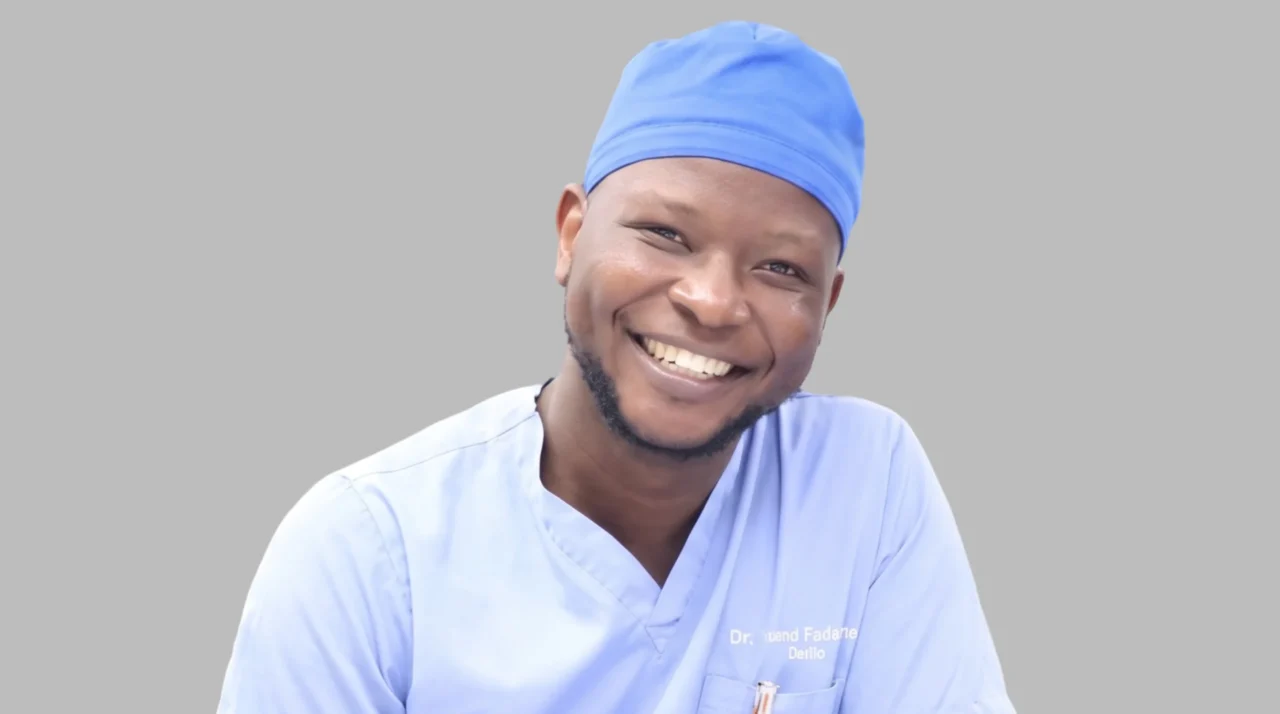
Cliff Oguk: Designing Health AI Around Real-World Clinical Needs
Cliff Oguk, Cathlab Radiographer at AGC Tenwek Cardiothoracic Centre, shared a post on LinkedIn:
“A smartphone just screened a newborn for sickle cell disease in Uganda.
No central laboratory.
No courier.
No expensive infrastructure.
Just a rapid diagnostic test, a smartphone, and AI.
What makes this story powerful isn’t simply the AI.
It’s how the technology was designed around African healthcare realities — intermittent connectivity, fragmented health records, limited laboratory infrastructure, and shortages of specialists.
This is the kind of health AI Africa needs.
Not technology imported and retrofitted for our challenges.
Technology built around our realities from the beginning.
I explored the Uganda SCD screening trial, how the system works, and what it could mean for the future of digital diagnostics across Africa in my latest LinkedIn Newsletter.
Smartphone Just Screened Newborns for Sickle Cell Disease in Uganda. This Changes Everything.
Imagine a baby born at a primary health center in Uganda.
A nurse performs a simple heel prick, places a drop of blood on a rapid diagnostic test, opens a smartphone app, and captures an image of the test strip.
Within seconds, AI interprets the result. The system records the newborn’s identity, generates a QR-coded health passport, provides counselling information in the mother’s language, and links the child to follow-up care.
No central laboratory. No courier. No complicated infrastructure.
And importantly, this isn’t a futuristic concept. A peer-reviewed clinical trial tested the Sickle Cell Disease Screening Information Management and Communication System (SCD SIMCS) across six health facilities in Kampala.
Why This Matters
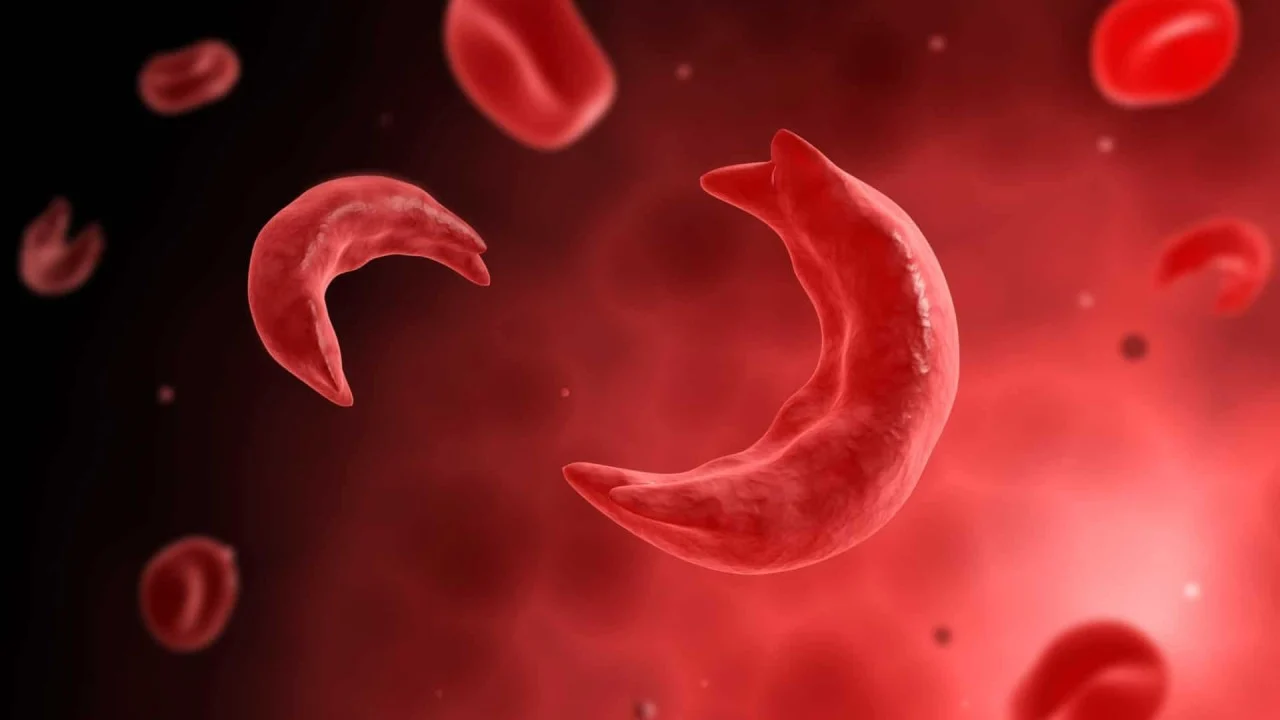
Sickle cell disease remains one of Africa’s major but under-addressed childhood health challenges.
More than 300,000 children are born with sickle cell disease annually in sub-Saharan Africa, and a large proportion die before their fifth birthday.
The tragedy is that sickle cell disease can be detected early—and early diagnosis enables interventions that can dramatically improve survival.
The challenge has often been getting the diagnosis to the child, not simply having the technology to make it.
The Problem With Conventional Screening
Traditional newborn screening frequently depends on samples travelling from rural health facilities to central laboratories.
That creates familiar problems:
- Samples can be lost or disconnected from patients.
- Testing can be expensive.
- Results may not reach families or healthcare workers.
- Counselling may be unavailable.
- Children may never be linked to specialist care.
The result?
A child may only be diagnosed after developing complications—sometimes years after birth.
What Makes SCD SIMCS Different?
The platform addresses several of these problems simultaneously.
- Digital Identification A newborn receives a digital identity and QR code, linking future healthcare encounters to the same record.
- AI-Assisted Screening A smartphone camera captures a rapid diagnostic test and AI interprets the result as HbAA, HbAS or HbSS.
- Patient Education Families receive counselling videos explaining the result and next steps, including content in local languages.
- Digital Continuity of Care A longitudinal SCD e-passport maintains information such as diagnosis, medication, immunization and clinical milestones across participating facilities.
The Bigger Lesson: Build AI for Africa
This may be the most important part of the story.
The innovation isn’t simply that AI can read a diagnostic test.
It is that the entire system was designed around the realities of African healthcare:
- Intermittent connectivity? Mobile-first design.
- Limited laboratory infrastructure? Point-of-care testing.
- Fragmented records? QR-linked digital identity.
- Limited specialist counsellors? Standardized multilingual education.
This is a fundamentally different approach to health AI.
We should stop asking:
‘How do we bring this technology to Africa?’
And increasingly ask:
‘What technology should we build for African clinical reality?’
The Next Challenge Is Scale
The Uganda trial demonstrates that the technology can work across both primary and tertiary healthcare settings.
But proving that a system works in six facilities is very different from deploying it across thousands.
Scale will require:
- Political commitment — integrating newborn screening into national health programs.
- Reliable procurement — ensuring rapid diagnostic tests reach facilities consistently.
- Workforce training — equipping nurses, midwives and community health workers to use the technology and act on positive results.
Technology can enable the solution.
Health systems must deliver it.
The Bottom Line
The most exciting part of this story isn’t the smartphone.
It isn’t even the AI.
It is the possibility that a child born in a rural African health facility can now receive a diagnosis at the beginning of life rather than after a preventable crisis.
This is what meaningful health AI should look like:
Not technology looking for a problem—but technology designed around the problems that actually exist.
Africa doesn’t simply need more AI.
Africa needs more AI built for African clinical realities.
And the SCD SIMCS story offers a powerful example of what that can look like.”
Stay updated with Hemostasis Today.
-
Sep 29, 2026, 12:02Hajra Malik: Bridging Language Gaps in Hematology With AI
-
Sep 29, 2026, 11:57Joan Montaner: Can Blood Test Identify Intracerebral Hemorrhage Within Minutes?
-
Sep 29, 2026, 11:43From Years Without Answers to Life With Hemophilia Care – WFH
-
Sep 29, 2026, 11:32Sara Al Dallal: Transforming Hemophilia Care Across the Gulf
-
Sep 29, 2026, 11:21Richard Davis: Rapid Rescue in Massive Pulmonary Embolism
-
Sep 29, 2026, 11:14Nissan Brown: Every Step Counts for the Hemophilia Community
-
Sep 29, 2026, 11:03Zain Khalpey: SINGLE AF Adds New Evidence to the Anticoagulation Debate
-
Sep 29, 2026, 10:54How Does Haemophilia Affect Motor Development in Infants? – EAHAD
-
Sep 29, 2026, 10:49Alison Davey: The Vital Role of Community Support in Bleeding Disorders