

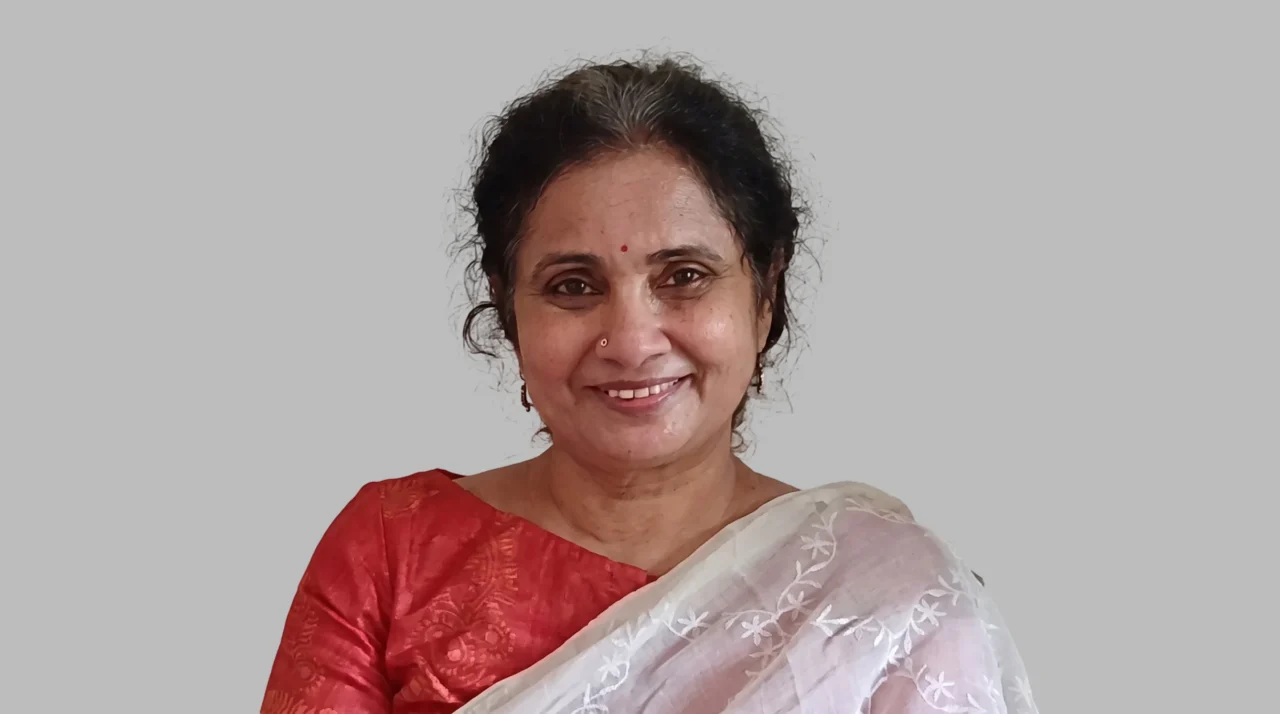
Sarojini Nadimpally: Addressing Maternal Health Inequities in Sickle Cell Disease
Sarojini Nadimpally, The Chief Functionary at SAMA, shared Sama Resource Group for Women and Health‘s post on LinkedIn, adding:
“Pregnancy with Sickle Cell Disease (SCD) is about far more than pain crises and anaemia. It is also about the structural determinants that shape whether a woman can access timely, respectful, and appropriate maternal healthcare.
For Adivasi communities, who are disproportionately affected by SCD in India, these inequities are even more pronounced. Barriers related to geography, poverty, stigma, gender, and gaps in health systems profoundly influence pregnancy outcomes and experiences of care.
The latest desk review of the studies in India by the Sama Resource Group for Women and Health brings together the existing evidence on SCD and maternal health in India.”
Sama Resource Group for Women and Health shared a post on LinkedIn:
“For women living with Sickle cell disease (SCD), maternal health isn’t just about prenatal check-ups; it’s about pain crises, anaemia, and a heightened risk of complications that mainstream maternal care too often overlooks.
But the story doesn’t end at clinical risk. SCD impacts broader socioeconomic reproductive outcomes, including maternal mortality. It’s shaped by structural determinants: where a woman lives, what she can afford, and how far she must travel for health care.
It’s also shaped by nutrition, often compromised long before pregnancy begins and by the quiet, unaddressed weight of anxiety and mental health struggles that accompany carrying a pregnancy while managing a chronic illness.
And for many women in India’s Adivasi and other marginalised communities, all of this is compounded by systemic neglect and limited access to informed, sickle-cell-related care.
Despite India’s progress in maternal health, providing equitable care for women with sickle cell disease (SCD) remains challenging.
At Sama Resource Group for Women and Health, we believe it’s time SCD found its rightful place in the maternal health discourse, not as a footnote, but as a policy priority.”
Stay updated with Hemostasis Today.
-
Sep 29, 2026, 16:21Yitshak Kreiss: From Treating Patients to Defining the Standard of Knowledge
-
Sep 29, 2026, 16:18Edward Lee Carter: Why Periprocedural DOAC Guidance Needs a Common Output Standard
-
Sep 29, 2026, 16:07Yasmine Laraba: Deep Vein Thrombosis Causes, Signs and Management
-
Sep 29, 2026, 16:01Stephen Cornelissen: How Joining the Stem Cell Registry Can Save Patients with Blood Cancers
-
Sep 29, 2026, 15:45Alan Nurden: Could Mast Cell aIIb Integrin Play a Key Role in Septic Thrombus Stability?
-
Sep 29, 2026, 15:43Priyadarshani Sharma: Advocacy and Patient Rights Transform Indian Haemoglobinopathies Care
-
Sep 29, 2026, 15:21Kanchan K Banerjee: Rusfertide Earns NCCN Category 1 Recommendation for Polycythemia Vera
-
Sep 29, 2026, 15:06Faizan Khan։ The Worldwide Burden of Venous Thromboembolism
-
Sep 29, 2026, 14:59Global Von Willebrand Disease Diversity Webinar Now Available on EHC YouTube – EHC