

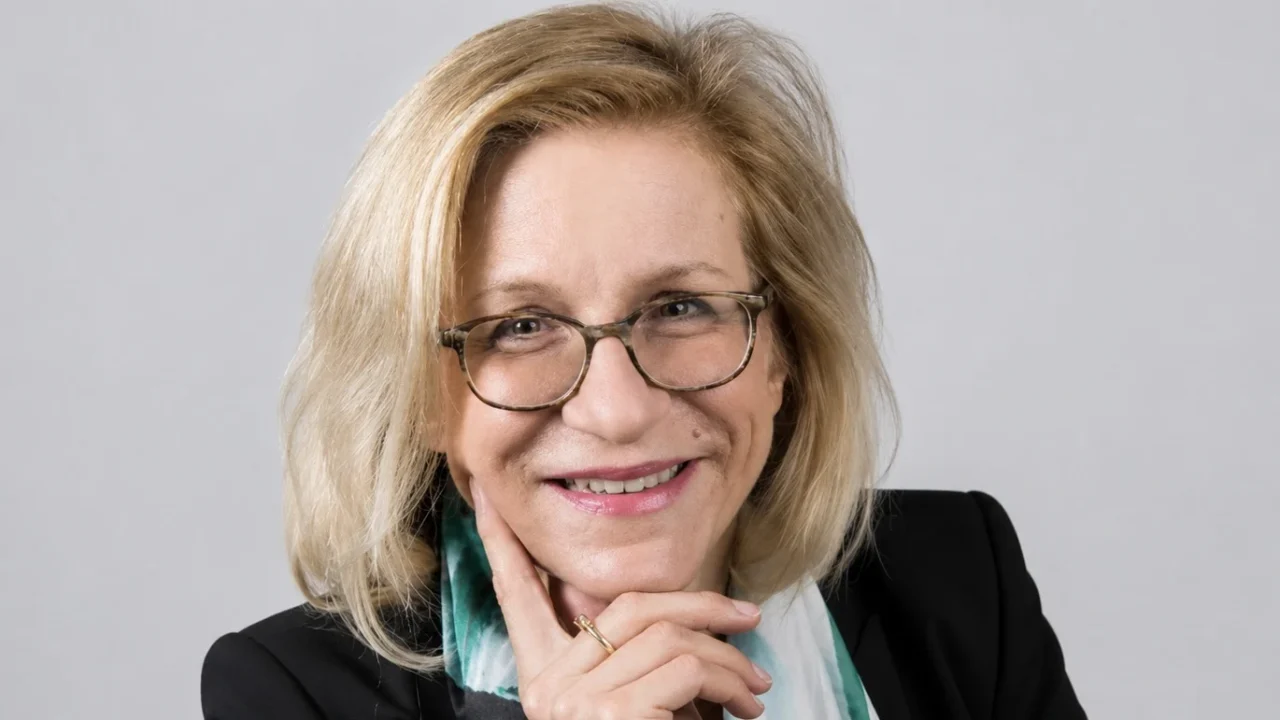
Mireille Muller: Europe Needs More Plasma Donors
Mireille Muller, Regulatory Team Lead at DEEP Measures, shared a post on LinkedIn:
“Plasma and Blood donation is more than an act of generosity. It is part of Europe’s health resilience.
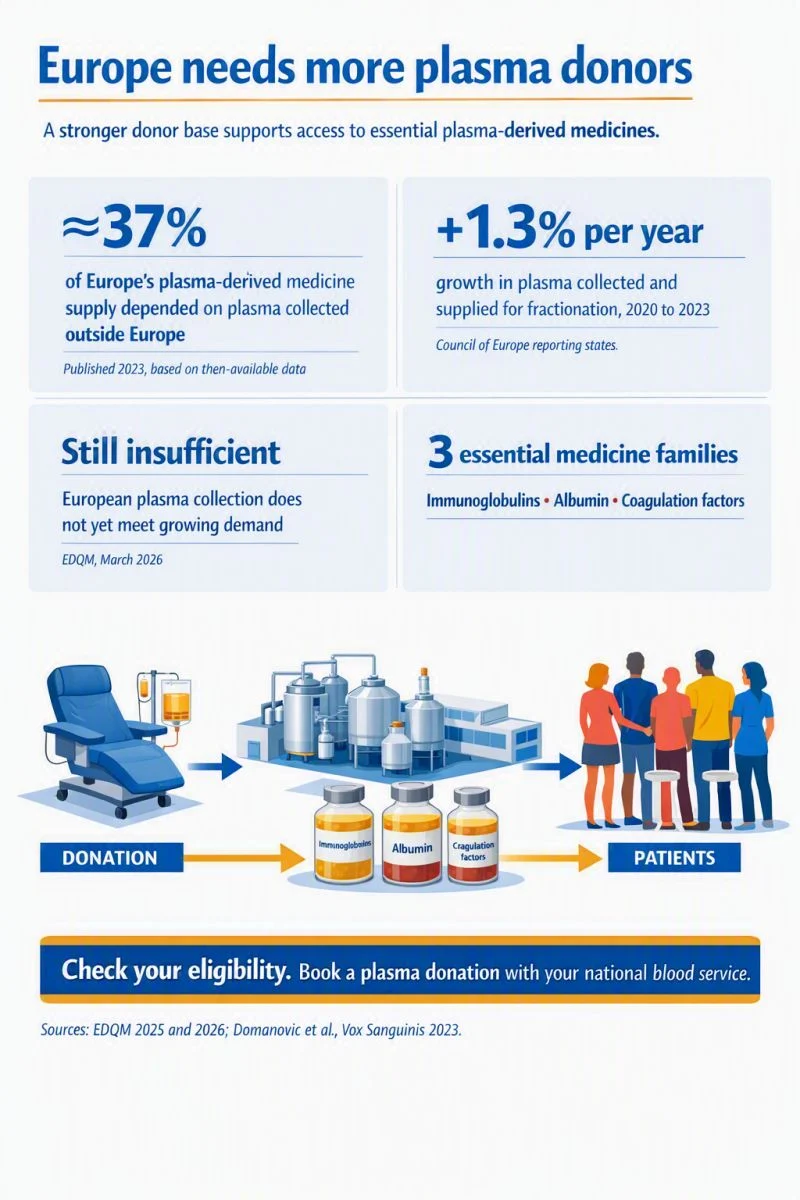
Plasma is the starting material for essential medicines, including immunoglobulins, albumin and coagulation factors. These medicines are used to treat people living with rare, chronic and life-threatening conditions, including primary immunodeficiencies and haemophilia.
Europe is making progress. Plasma collected and supplied for fractionation increased by 1.3% per year between 2020 and 2023 across the Council of Europe countries reporting data. Yet in March 2026, the EDQM warned that European collection still does not meet growing demand, leaving patients exposed to supply vulnerabilities.
A peer-reviewed European report estimated that approximately 37% of the plasma supporting Europe’s supply of plasma-derived medicines came from outside Europe. The figure was published in 2023 and reflects the data available at that time.
This is not about closing Europe off from global supply. It is about building a stronger, more diverse and more reliable European donor base, while protecting donor health and using these precious medicines responsibly.
Strategic independence in health does not only mean vaccines or medical devices.
It also means being able to treat your own patients with your own plasma, without depending on a single external market for a resource that some people cannot live without. Every donor who joins a regular plasmapheresis programme moves that goal a little closer.
I donated plasma yesterday, and the whole visit took one hour and twenty minutes, from check-in to the snack afterwards. It is genuinely not a big commitment, and it is one of the few things an individual can do that has a direct, traceable effect on another person’s treatment.
Every donation starts with one person choosing to help.
If you are eligible, consider donating plasma. Check with your national blood service for local criteria and appointments.
More donors. Stronger supply. Better continuity for patients.”
Stay updated with Hemostasis Today.
-
Oct 19, 2026, 19:44Where You Live Should not Determine Whether You Receive Care – World Federation of Hemophilia
-
Oct 19, 2026, 19:42Belen Bianco: Prevention, Early Suspicion and an Interdisciplinary Approach Save Lives
-
Oct 19, 2026, 19:40Christina Chrysohoou: Catheter-Based LAAC vs OAC for Stroke Prevention in Atrial Fibrillation
-
Oct 19, 2026, 19:38Matthew Flick: A Two-Day Research Meeting on Fibrinogen, Hemostasis and Thrombosis
-
Oct 19, 2026, 19:37Hayat Saeed: Excited to Share Our Publication on the FGL1–Hepcidin Axis in Iron Homeostasis and Disease
-
Oct 19, 2026, 19:08IPAW 2026 Comes to a Close, but the Work Continues – PPTA
-
Oct 19, 2026, 17:44Paul Riley: Moderating a Webinar on Anticoagulation Monitoring
-
Oct 19, 2026, 16:36Christopher Pittman: Blood Clot Prevention Cannot End at Hospital Discharge
-
Oct 19, 2026, 16:13Javier M. Floren: When Immune Cells Move With Their Environment