

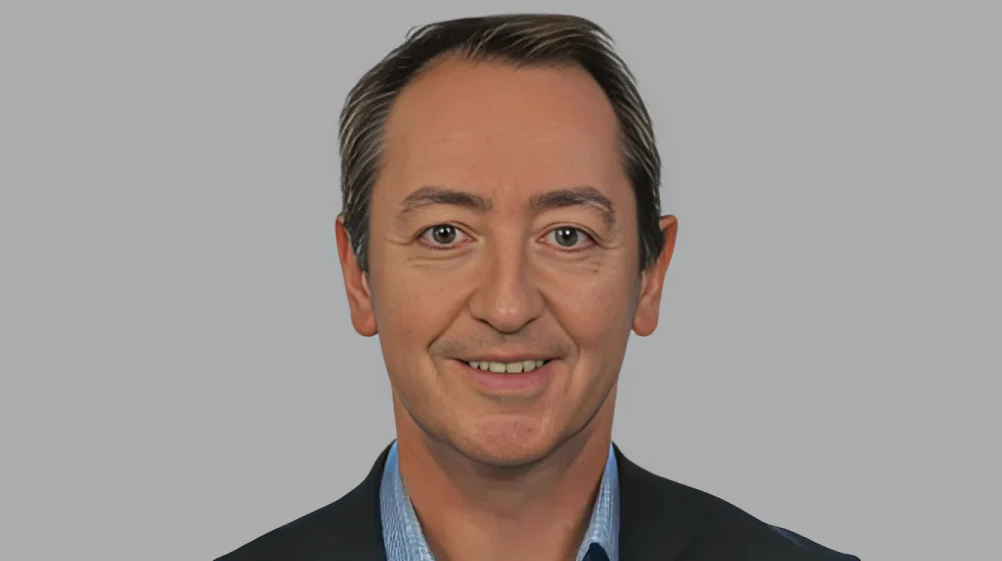
ESC Congress 2026 – My Top 20 Lipidology Highlights Shaping the Future of Cardiovascular Prevention – Pablo Corral
Pablo Corral, Pharmacology Professor at FASTA University, Past President of Argentine Lipid Society, shared a post on LinkedIn:
”ESC Congress 2026 | My Top 20 Lipidology Highlights
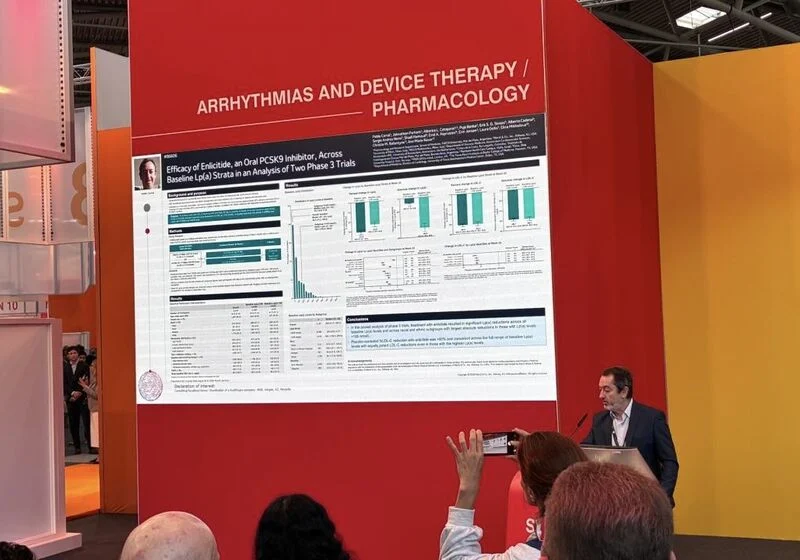
After an intense few days in Munich — including the opportunity to present our own work — here is my personal selection of the 20 lipid studies and concepts that caught my attention at ESC 2026.
1- VESALIUS-CV | Evolocumab — Earlier, sustained LDL-C lowering translated into clinical benefit, with an important mortality signal.
2- STAREE | Atorvastatin. In adults aged 70 and older, MACE decreased by 30 percent. Age alone should not justify undertreatment.
3- SHASTA-3/4 | Plozasiran. Triglycerides decreased by approximately 80 percent, with fewer acute pancreatitis events.
4. AMUNDSEN | Evolocumab. Immediate post-MI initiation: LDL-C goal was achieved in 82 percent versus 40 percent.
5. KYLO-11 | Lp(a). One siRNA dose reduced Lp(a) by up to approximately 97 percent, with the effect sustained for almost one year.
6. CTX310 | ANGPTL3. One-time CRISPR editing reduced LDL-C and triglycerides by approximately 50 percent.
7. VICTORION-CHALLENGE. Inclisiran substantially outperformed bempedoic acid in lowering LDL-C.
8. CORALreef | Enlicitide. Potent oral PCSK9 inhibition across cardiovascular risk and Lp(a) strata.
9. Lepodisiran. Profound Lp(a) lowering, plus reductions in OxPL-apo(a) and OxPL-apoB.
10. ION775 | APOC3. One dose provided sustained apoC-III and triglyceride lowering.
11. HRS-5346. Oral small-molecule Lp(a) lowering represents an exciting new approach.
12. BRIDGE. Structured combination therapy after ACS markedly improved LDL-C goal attainment.
13. Rivocibart | ANGPTL3. A promising approach for HoFH.
14. AAV8 gene therapy | HoFH. Striking early reductions in LDL-C with gene replacement.
15. PROSPECT II | Lp(a). New links between Lp(a), lipid composition, and high-risk coronary plaque.
16. Lp(a) variability. Lp(a) may be less “static” than traditionally assumed.
17. Remnants and TGRL. More evidence linking remnant cholesterol with residual ASCVD risk.
18. Lp(a) and plaque vulnerability. Imaging further connected Lp(a) with vulnerable plaque phenotypes.
19. Lp(a) after ACS. Timing and clinical context may influence Lp(a) interpretation.
20. Precision lipidology. LDL-C, apoB, Lp(a), APOC3, ANGPTL3, and remnants are becoming therapeutic targets.
My take-home from Munich?
For today: treat earlier, lower and for longer. Use combination therapy when needed.
For tomorrow: pills, followed by combination therapy, followed by RNA therapeutics, and potentially one-time gene editing.
Different technologies. Different targets. Same biology:
Cumulative exposure to atherogenic lipoproteins drives atherosclerosis. Reduce exposure earlier, prevent disease earlier.”
Stay updated with Hemostasis Today.
-
Oct 20, 2026, 01:43Oliver Weingärtner: Deprescribing of Lipid Lowering Drug after MI is Associated with Cardiovascular Events
-
Oct 19, 2026, 19:44Where You Live Should not Determine Whether You Receive Care – World Federation of Hemophilia
-
Oct 19, 2026, 19:42Belen Bianco: Prevention, Early Suspicion and an Interdisciplinary Approach Save Lives
-
Oct 19, 2026, 19:40Christina Chrysohoou: Catheter-Based LAAC vs OAC for Stroke Prevention in Atrial Fibrillation
-
Oct 19, 2026, 19:38Matthew Flick: A Two-Day Research Meeting on Fibrinogen, Hemostasis and Thrombosis
-
Oct 19, 2026, 19:37Hayat Saeed: Excited to Share Our Publication on the FGL1–Hepcidin Axis in Iron Homeostasis and Disease
-
Oct 19, 2026, 19:08IPAW 2026 Comes to a Close, but the Work Continues – PPTA
-
Oct 19, 2026, 17:44Paul Riley: Moderating a Webinar on Anticoagulation Monitoring
-
Oct 19, 2026, 16:36Christopher Pittman: Blood Clot Prevention Cannot End at Hospital Discharge