

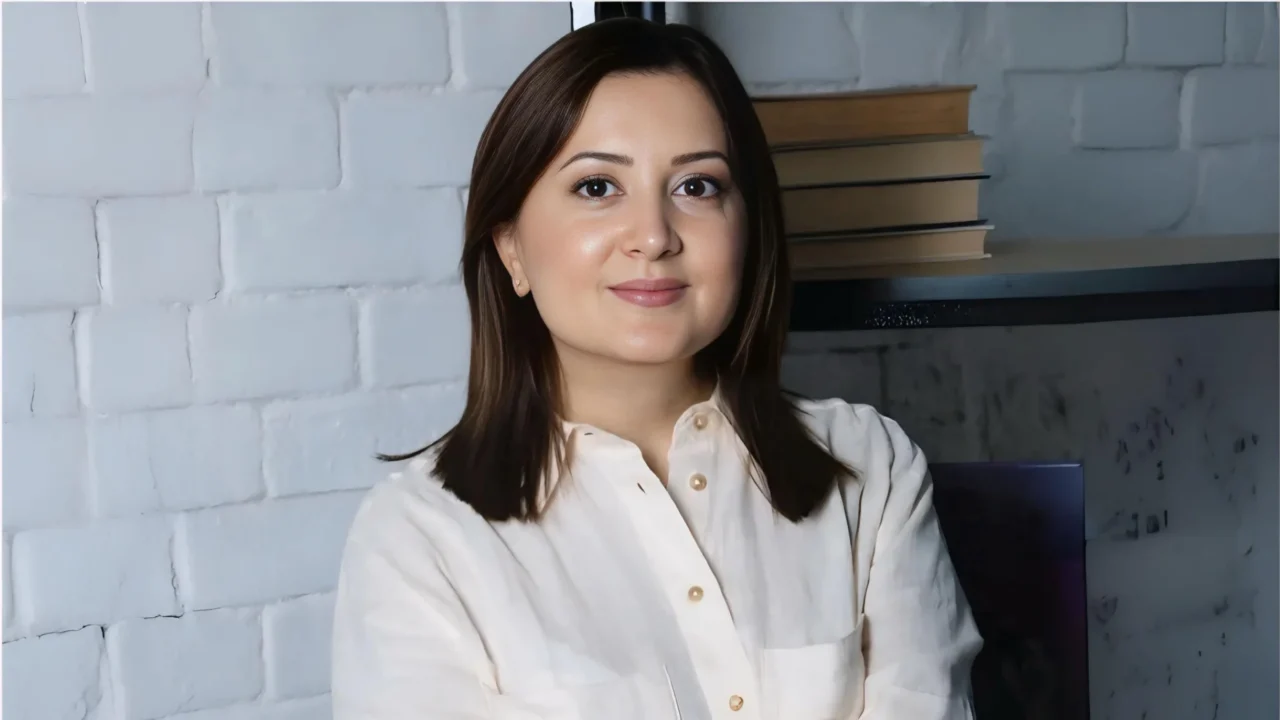
Heghine Khachatryan: From Ideal Protocols to Feasible Pathways in Hemophilia Musculoskeletal Care
Heghine Khachatryan, Editor-in-Chief of Hemostasis Today, Head of Hemophilia and Thrombosis Center at Yeolyan Hematology and Oncology Center, shared a post on LinkedIn:
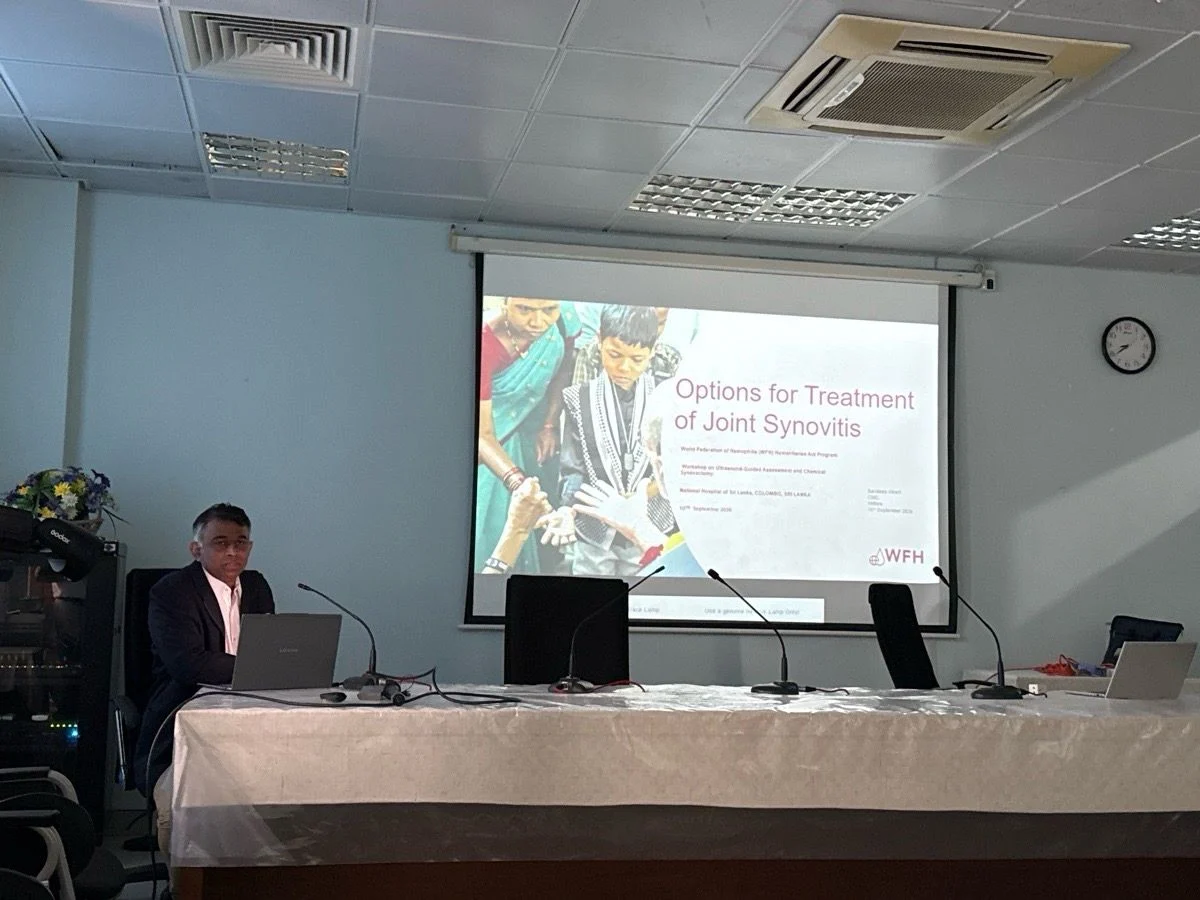
“WFH Musculoskeletal Workshop, Sri Lanka | Day 2 | September 2026
From ideal protocols to feasible pathways in hemophilia musculoskeletal care
The second day of the WFH workshop delivered a powerful message: excellence in musculoskeletal care is not defined by access to the most advanced intervention, but by the ability to provide the right intervention, for the right joint, at the right time – and to monitor its outcomes consistently.
The multidisciplinary forum brought together hematology, physiotherapy, occupational therapy, imaging, rehabilitation, and orthopedic perspectives.
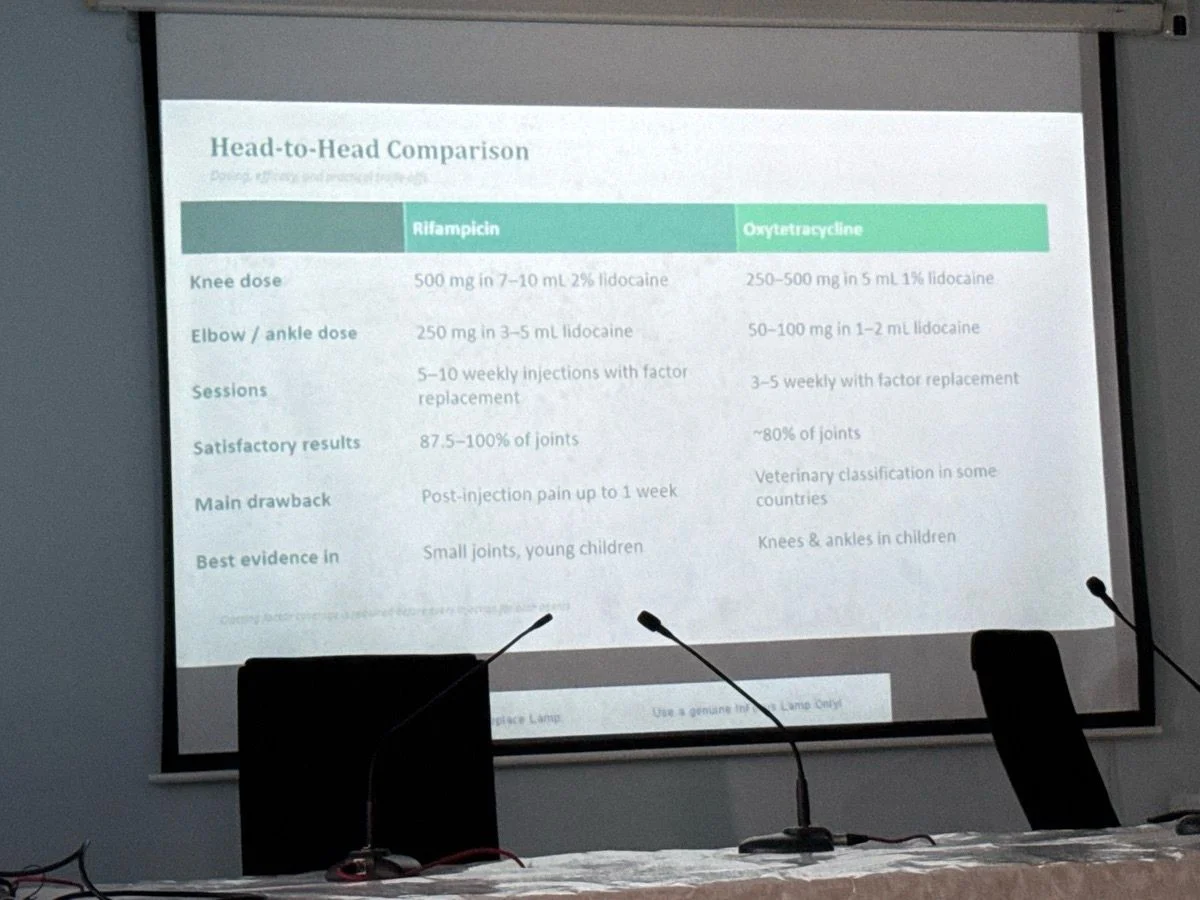
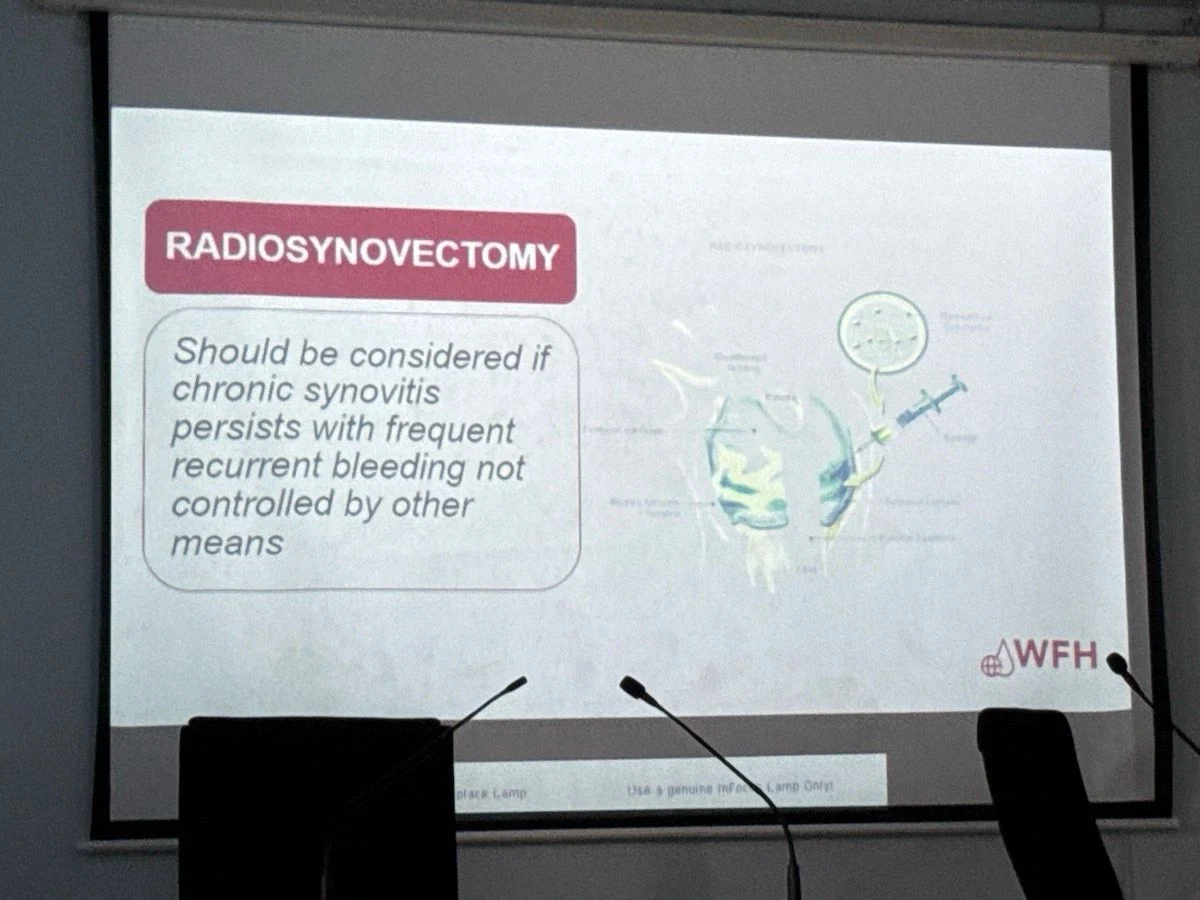
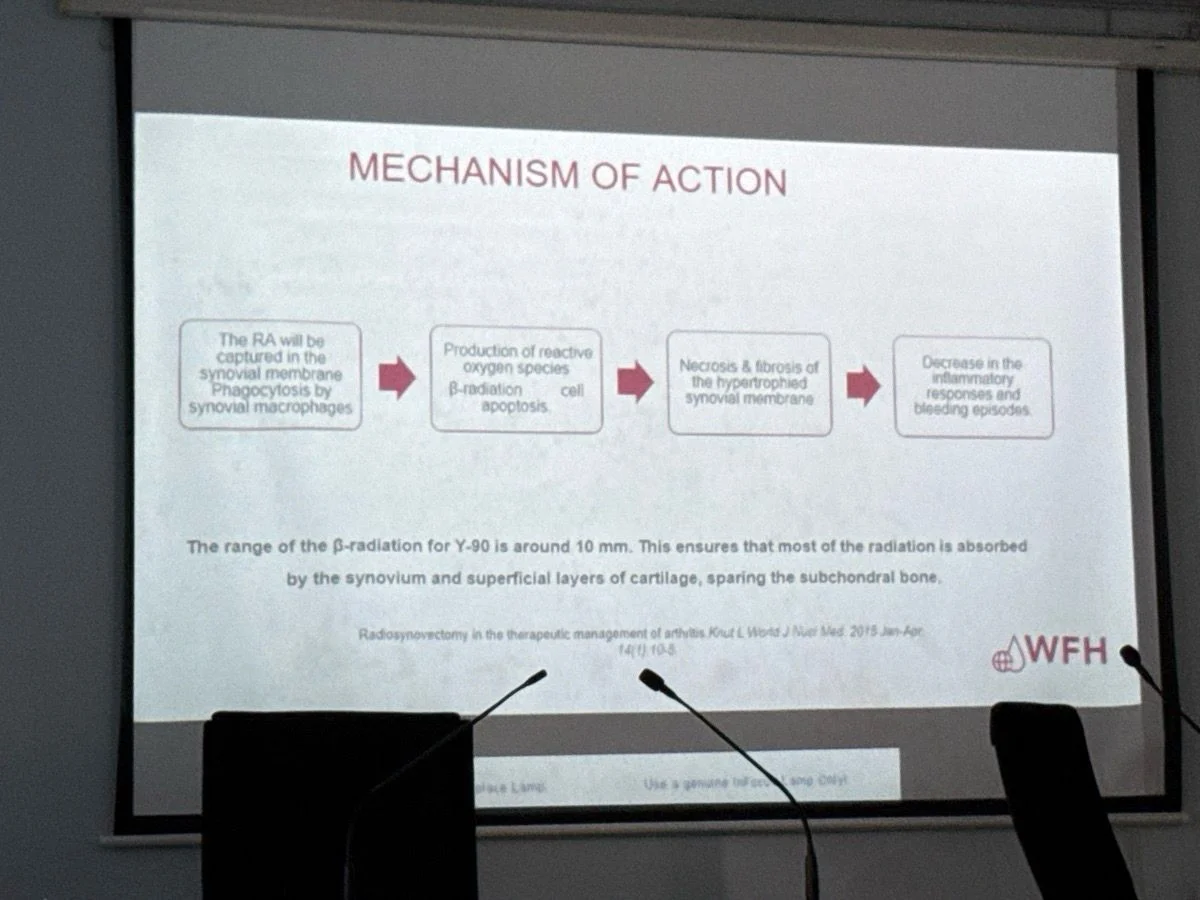
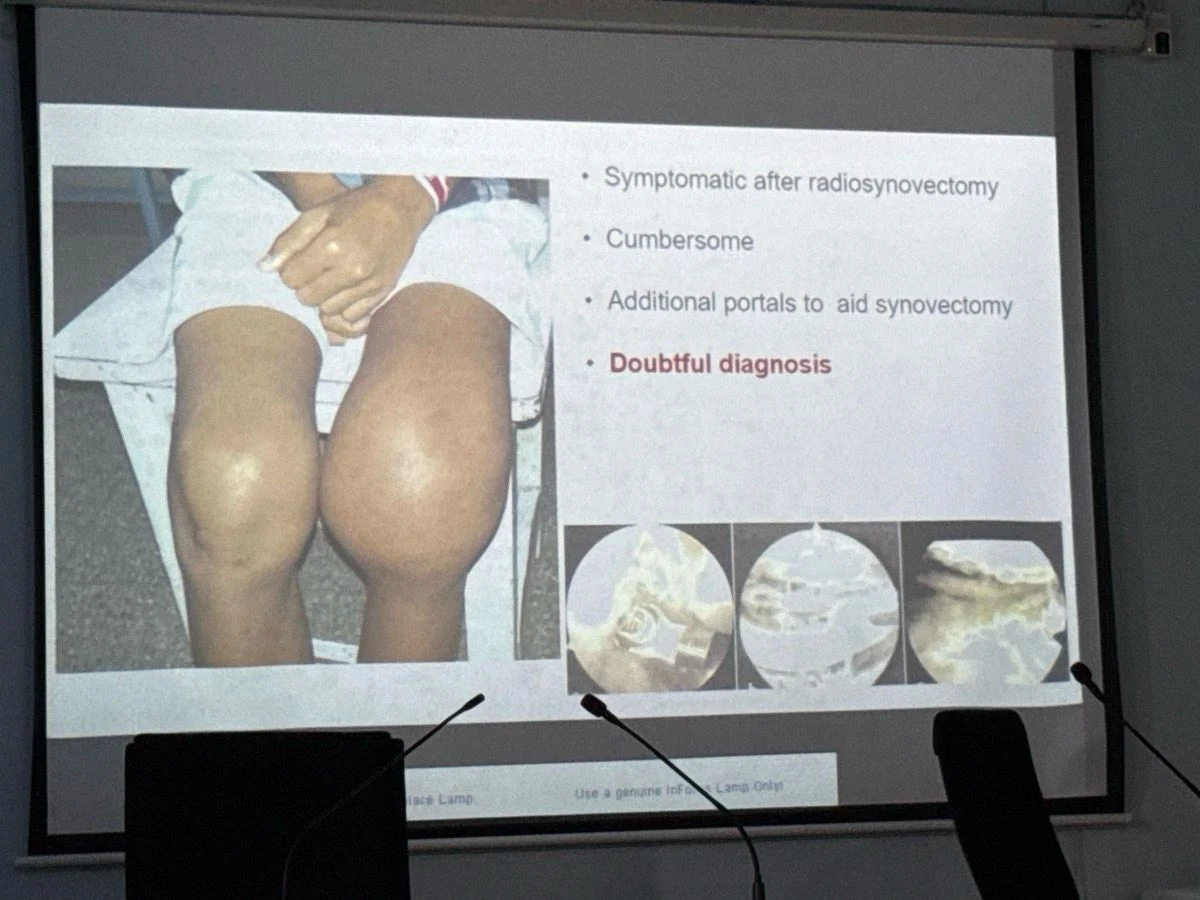
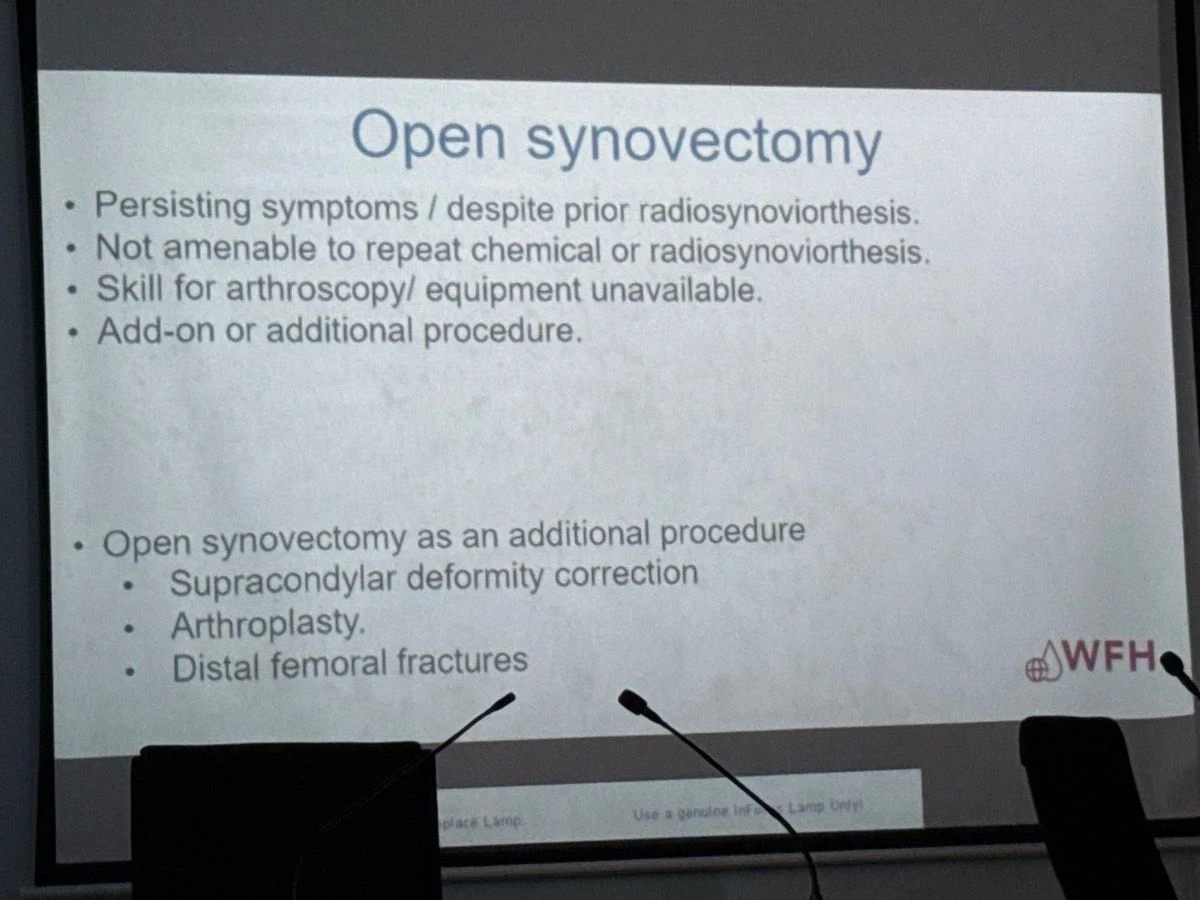
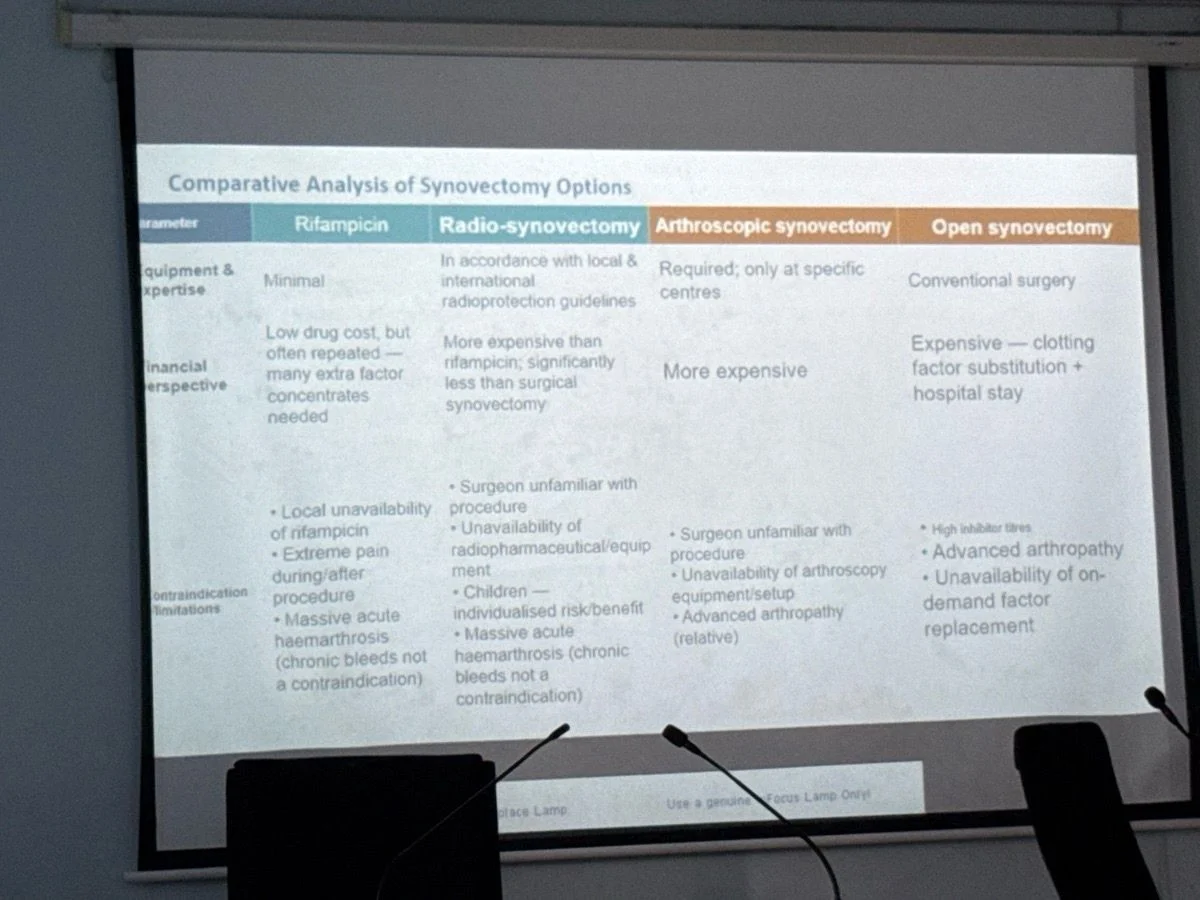
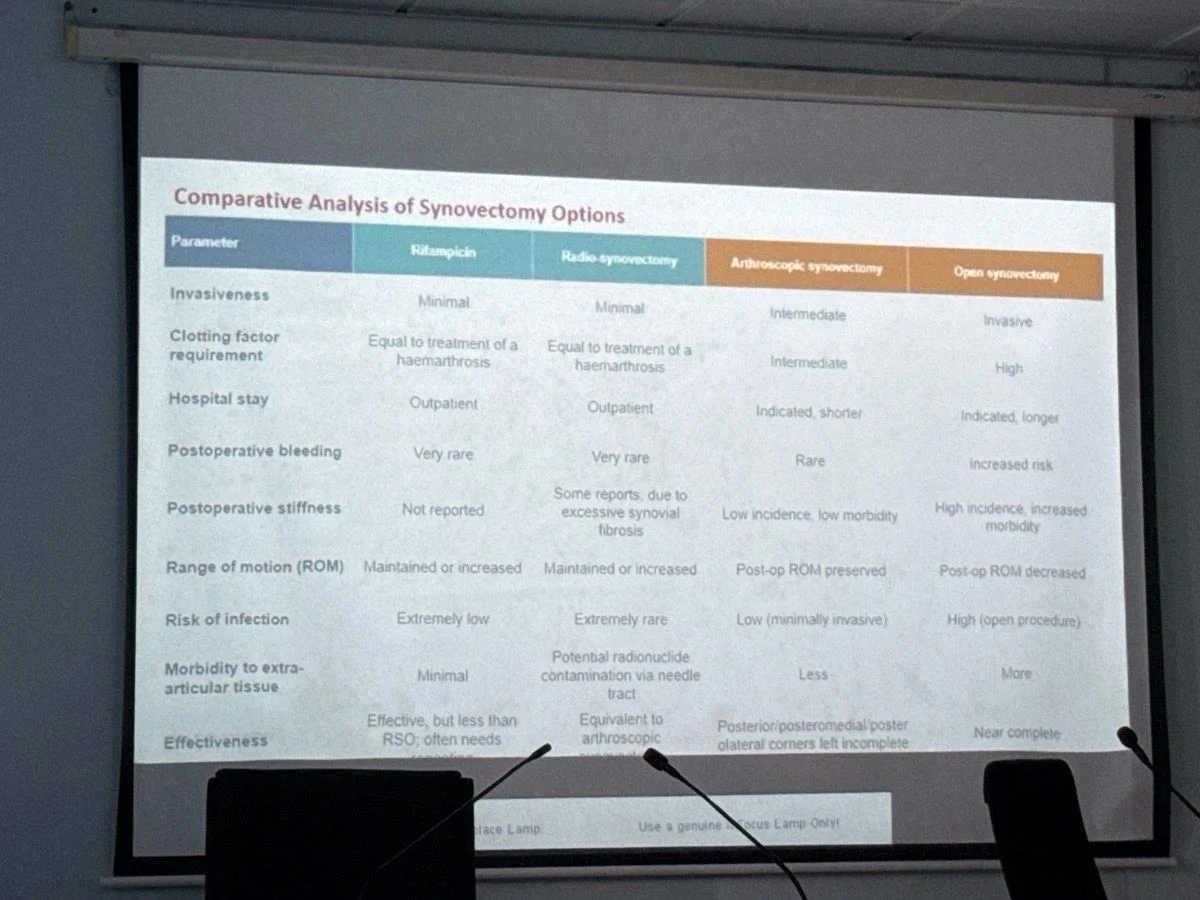
Discussions covered standardized joint assessment, ultrasound-based evaluation, rehabilitation, and the full spectrum of interventions for chronic hemophilic synovitis and arthropathy – including radiosynoviorthesis, chemical synovectomy, arthroscopic and open synovectomy, and ultimately joint replacement.
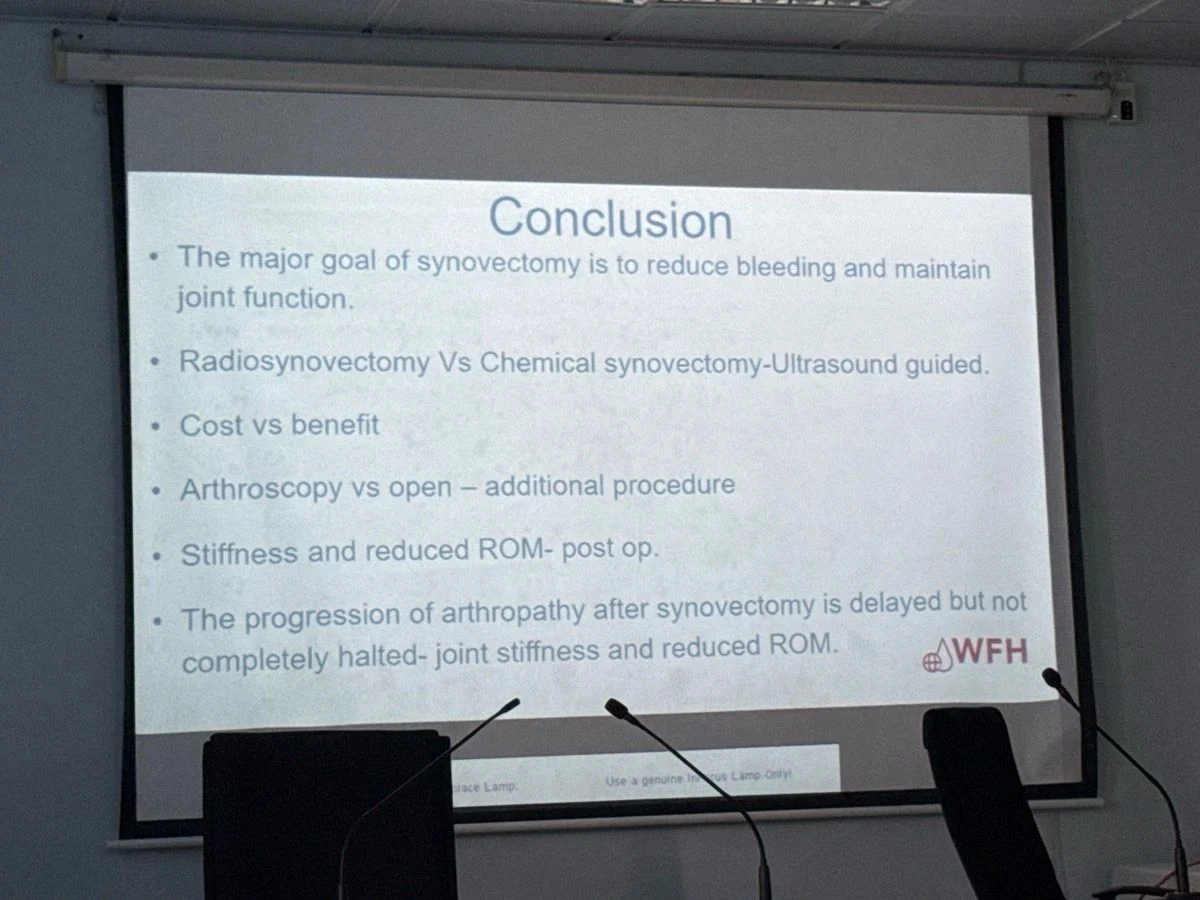
A central clinical principle emerged: the purpose of synovectomy is not simply to remove hypertrophic synovium.
It is to interrupt the vicious cycle of:
recurrent hemarthrosis – chronic synovitis – further bleeding – progressive joint destruction
The optimal procedure must therefore be individualized according to bleeding frequency, synovial activity, structural joint damage, available hemostatic coverage, local expertise, access to nuclear medicine, rehabilitation capacity, and the feasibility of long-term follow-up.
Equally important was the call for measurable outcomes extending beyond procedural success: annual joint bleeding rate, pain, range of motion, functional capacity, imaging findings, and patient-reported quality of life.
Perhaps the most important takeaway was this:
Resource-sensitive care is not reduced care. It is evidence-based medicine translated responsibly into local reality.
Countries with constrained resources need clearly defined, tiered clinical pathways – not therapeutic improvisation.
Standardized assessment, multidisciplinary coordination, realistic procurement planning, and longitudinal outcome tracking can transform limited resources into sustainable, equitable care.
Grateful to the World Federation of Hemophilia (WFH), the faculty, and all participating colleagues for an academically rich and highly relevant exchange.
These discussions help turn training into clinical pathways – and clinical pathways into better joint preservation and quality of life for people with hemophilia.”
Other posts featuring Heghine Khachatryan on Hemostasis Today.
-
Sep 12, 2026, 16:33Consuela A. Albright: The Strategic Value of Proclamations in Health Advocacy
-
Sep 12, 2026, 16:28Abdulrahman Al Raizah: Mitapivat for Transfusion-Dependent Thalassemia – The ENERGIZE-T Phase 3 Trial
-
Sep 12, 2026, 16:14Pierre F. Saboret: IPF and Long Term Prognosis Thrombosis and Haemostasis
-
Sep 12, 2026, 15:50Dalip Kumar: ED to Mental Health Unit Transfer Completeness Following Intentional Overdose
-
Sep 12, 2026, 15:15Ali Saad Al-shammari: LAAC vs Medical Therapy for Stroke Prevention in AF
-
Sep 12, 2026, 14:33A New Approach to Transfusion Support – ISBT
-
Sep 12, 2026, 14:32Aref Bin Abdulhak: Diminishing Benefit of IVUS-Guided PCI Over Time – A 23-RCT Meta-Analysis
-
Sep 12, 2026, 14:27Advice to My Younger Self Living With VWD – Haemophilia Foundation Australia
-
Sep 12, 2026, 14:18Arun V J: A Love Letter to Transfusion Medicine Through Greek Mythology