

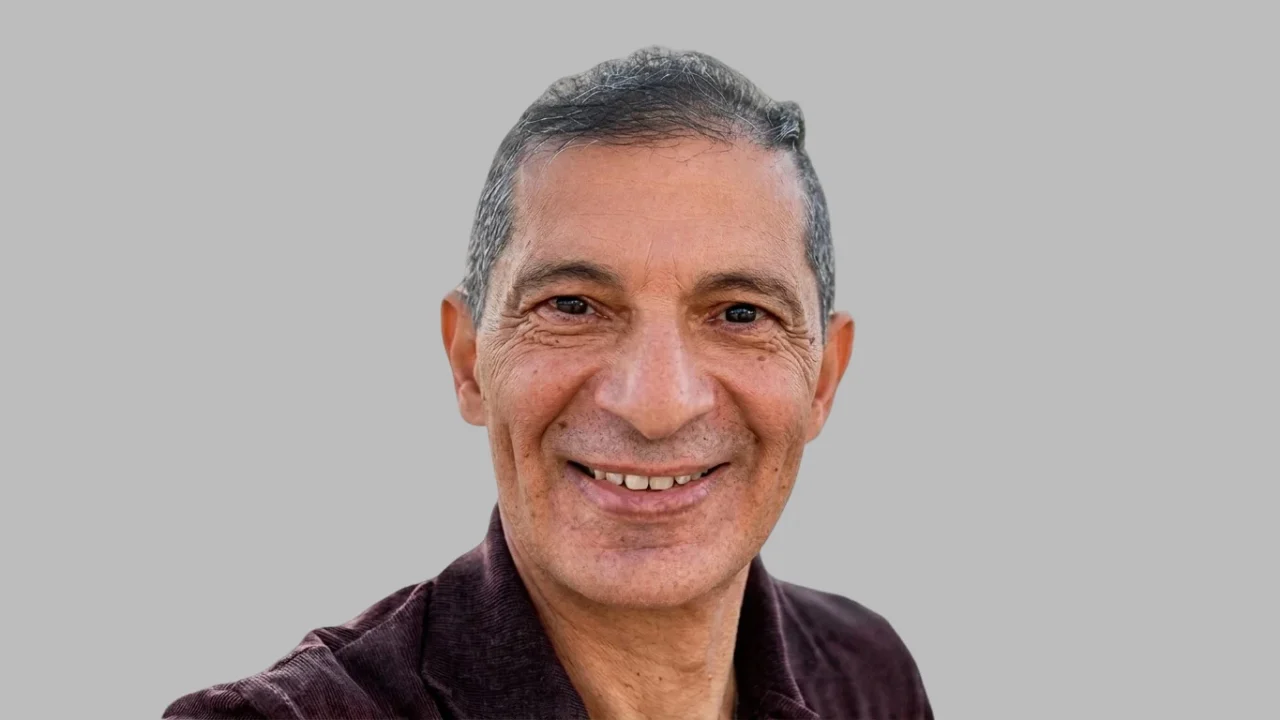
Daniel Victor Ortigoza: Understanding Stroke, Risk Factors and Prevention
Daniel Victor Ortigoza, shared a post on LinkedIn about recent articles:
“Stroke Week
Stroke is caused by the cessation of vascular flow in the central nervous system or by hemorrhage of the system and, or the membranes surrounding it, resulting in tissue damage.
Stroke is classified as: Ischemic stroke, which accounts for 62percent of cases, and Hemorrhagic stroke, the remaining 38percent. The latter is divided into: Intracranial hemorrhagic (28percent) and subarachnoid (10percent).
Based on the etiological classification of TOAST (Trial of Org 10172 in Acute Stroke Treatment), ischemic strokes can be classified into 5 groups:
- Stroke due to a Cardioembolic event (27percent), secondary to Atrial Fibrillation or Flutter;
- Cryptogenic stroke (35percent), of unknown etiology, whose most frequent causes are: diseased atria, non significant atherosclerotic plaques, aortic calcifications, procoagulant states of cancer, etc.;
- Apoplexy due to arteriosclerosis of large vessels (13percent) corresponding to the carotid, vertebral, basilar and cerebral arteries;
- Small vessel stroke (23percent) caused by poor control of arterial hypertension, and finally;
- Stroke of other determined etiologies (4percent), of very diverse origins: mayamoya disease, antiphospholipid syndrome, congenital heart disease, etc.
Due to the increasing aging of the population, an increase in the incidence of stroke is expected in the coming decades, so it is necessary to carry out rigorous controls of the risk factors (high blood pressure, diabetes mellitus, obesity, dyslipidemia, smoking, among others), and in this way be able to reduce the recurrences of stroke and major cardiovascular events.
With the use of antiplatelet agents and in specific cases of primary and secondary prevention of Cardioembolic Stroke due to Atrial Fibrillation, anticoagulation (direct acting anticoagulants) is recommended, except in rare exceptions.
Author: Dr. Ortigoza Daniel Víctor.
References:
- Antonio Greco, MD, et al. Antithrombotic Therapy for Primary and Secondary Prevention of Ischemic Stroke JACC State of the Art Review. J Am Coll Cardiol 2023;
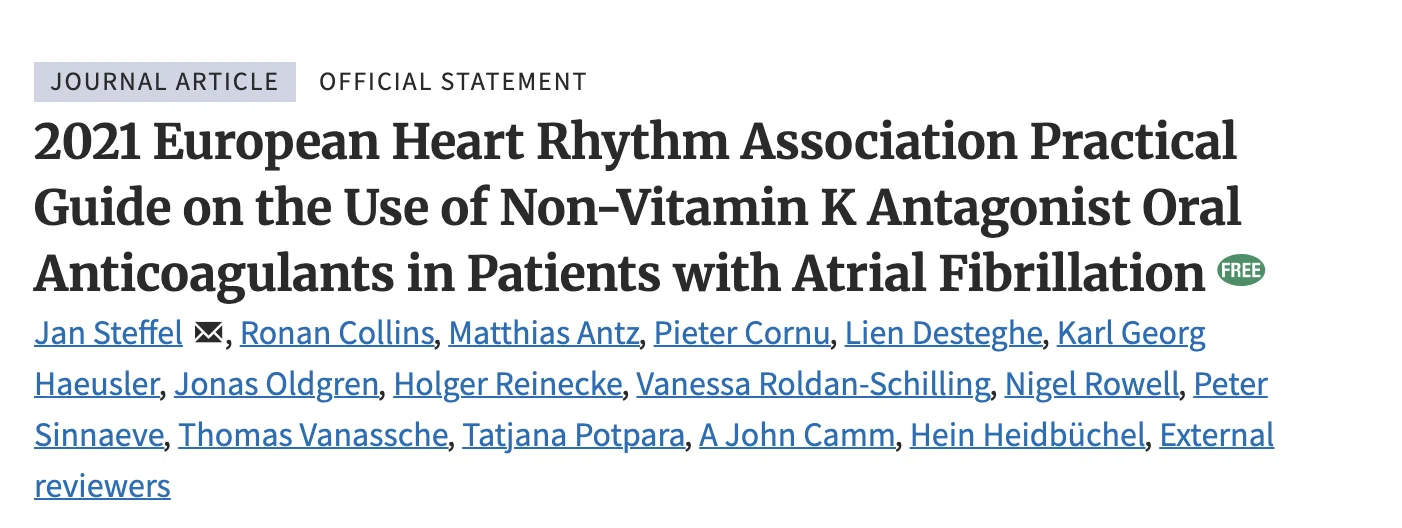
- Jan Steffel et al. 2021 European Heart Rhythm Association Practical Guide on the Use of Non-Vitamin K Antagonist Oral Anticoagulants in Patients with Atrial Fibrillation. Europace (2021) 23, 1612 to 1676.
- Daniel Ortigoza. Fibrilación Auricular: nueva Guía y Recomendaciones en situaciones particulares. ElectroSIAC, mayo 2024.”
Title 1: Antithrombotic Therapy for Primary and Secondary Prevention of Ischemic Stroke: JACC State of the Art Review
Authors: Antonio Greco, Giovanni Occhipinti, Daniele Giacoppo, Federica Agnello, Claudio Laudani, Marco Spagnolo, Maria Sara Mauro, Carla Rochira, Simone Finocchiaro, Placido Maria Mazzone, Denise Cristiana Faro, Davide Landolina, Nicola Ammirabile, Antonino Imbesi, Carmelo Raffo, and Davide Capodanno
Read the Full Article on JACC Journal.
Title 2: 2021 European Heart Rhythm Association Practical Guide on the Use of Non-Vitamin K Antagonist Oral Anticoagulants in Patients with Atrial Fibrillation
Authors: Jan Steffel, Ronan Collins, Matthias Antz, Pieter Cornu, Lien Desteghe, Karl Georg Haeusler, Jonas Oldgren, Holger Reinecke, Vanessa Roldan-Schilling, Nigel Rowell, Peter Sinnaeve, Thomas Vanassche, Tatjana Potpara, A John Camm, Hein Heidbüchel
Read the Full Article on EP Europace. Stay updated on all scientific advances with Hemostasis Today.
-
Sep 13, 2026, 11:26Tareq Abadl: When Good Samples Give Bad Numbers – Spotting EDTA Contamination in the Lab
-
Sep 13, 2026, 11:22Amanda Unsworth: Gratitude and Next Steps as Leadership Transitions at The Platelet Society
-
Sep 13, 2026, 11:18Mary Cushman: Covering Associations of Antiphospholipid Antibodies with Stroke
-
Sep 13, 2026, 11:13Mavis Agnes Kisakye: How Community Partnerships Are Driving Opportunity for Youths with Bleeding Disorders
-
Sep 13, 2026, 11:07Dianne E. van der Wal: Transforming Science into Art – The Launch of The Life, Function and Death of Platelets
-
Sep 13, 2026, 08:13Selina Olwanda Ogweno: Expanding Access to Sickle Cell Care for Children and Young People
-
Sep 13, 2026, 08:02Alexandra Rickard: One Donation Can Make All the Difference
-
Sep 13, 2026, 07:41Global Study Defines ISTH BAT Reference Ranges in Children and Adolescents – JTH
-
Sep 13, 2026, 07:1010 Posts Not to Miss This Week