

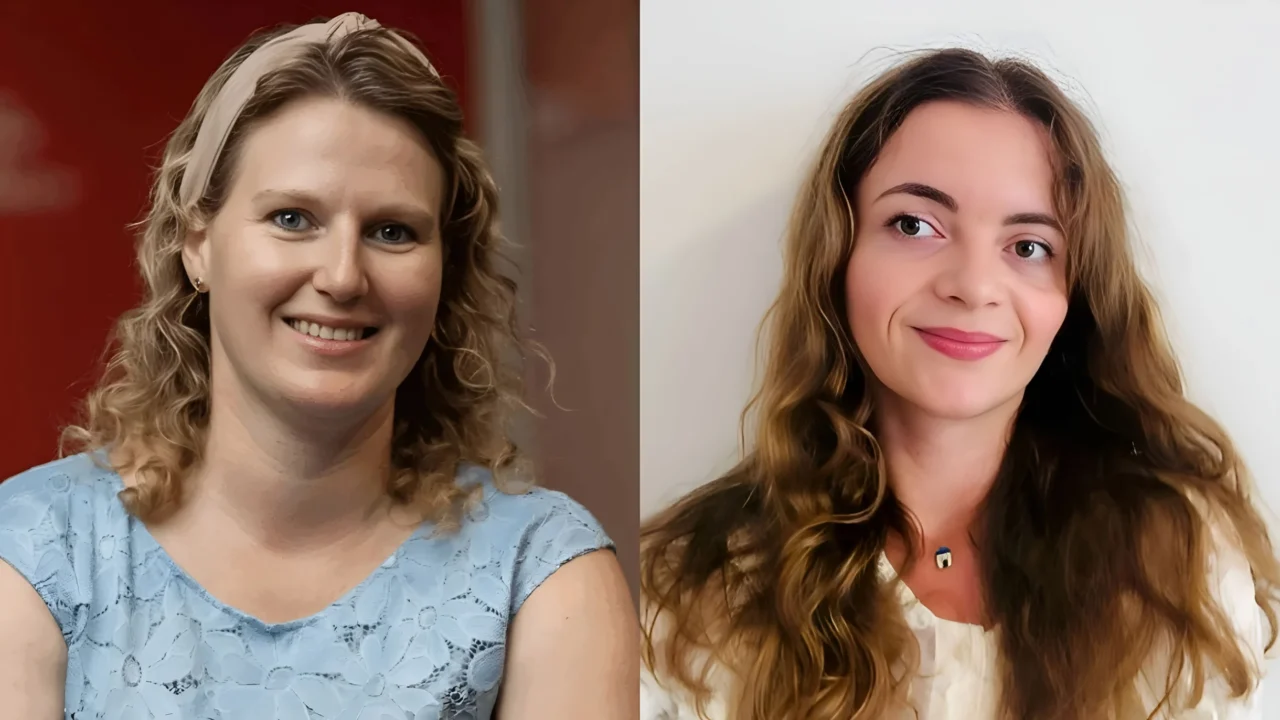
Dianne E. van der Wal: Transforming Science into Art – The Launch of The Life, Function and Death of Platelets
Dianne E. van der Wal, Honorary Lecturer at the University of Sydney, Researcher at the ANZAC Research Institute, and Editor at Platelets journal, shared Mariia Naumenko’s post on LinkedIn:
“The smallest blood cells the platelet continue to amaze me!
Incredibly proud to have worked with the amazingly talented content creator and illustrator Mariia Naumenko
Thank you Dr. Maha Othman for this wonderful Sci Comm opportunity,
Read this illustrated review now.”
Mariia Naumenko, Lead Research Engineer at Sirius University of Science and Technology, shared a post on LinkedIn about a recent article she and her colleagues co-authored, published in Current Opinion in Hematology, adding:
“There was a Nature article some years ago that captured something I have increasingly come to believe: one of the essential purposes of doing science is being able to communicate it to others.
Platelets are a perfect example of why this matters.
Being rediscovered after 100 years of oblivion, these tiny cells have continued to surprise us.
They are small, but remarkably mighty. And when activated, they beautifully spread their pseudopodia, almost transforming into tiny octopuses.
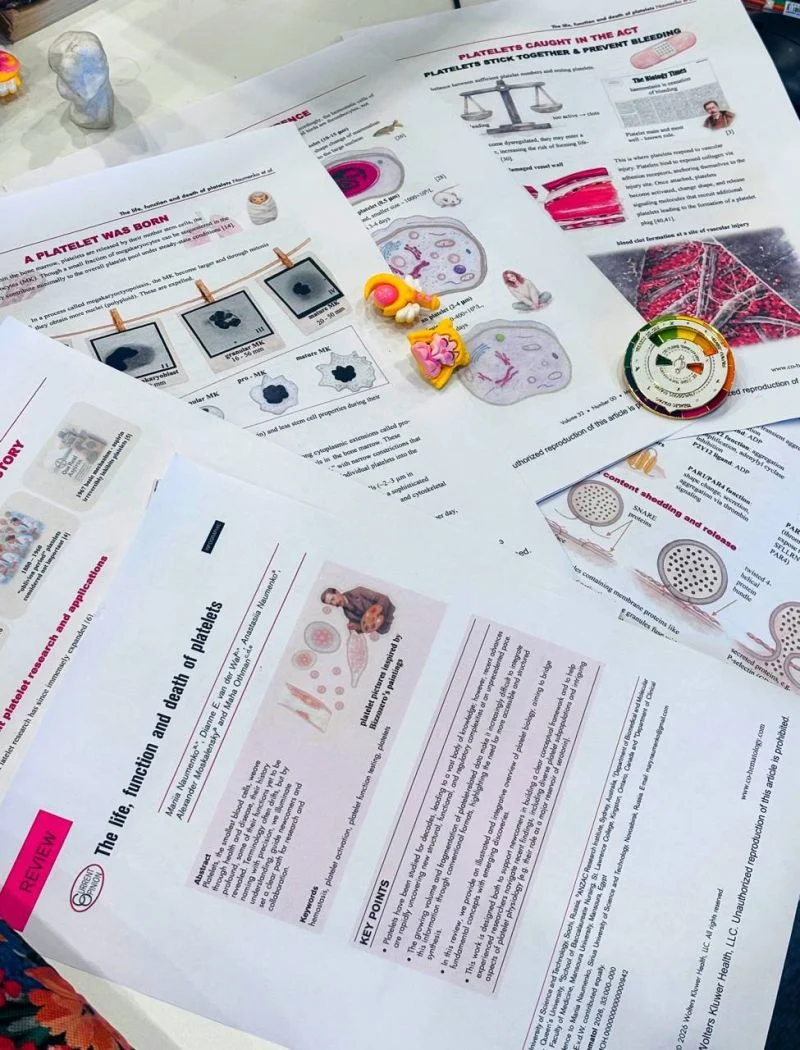
In our new illustrated review, we tried to capture some of this beauty while summarising the essential aspects of platelet biology, and, importantly, highlighting some of the less well-known and fascinating facts about these cells.
The review covers not only platelet biology and function, but also the methods used to investigate them.
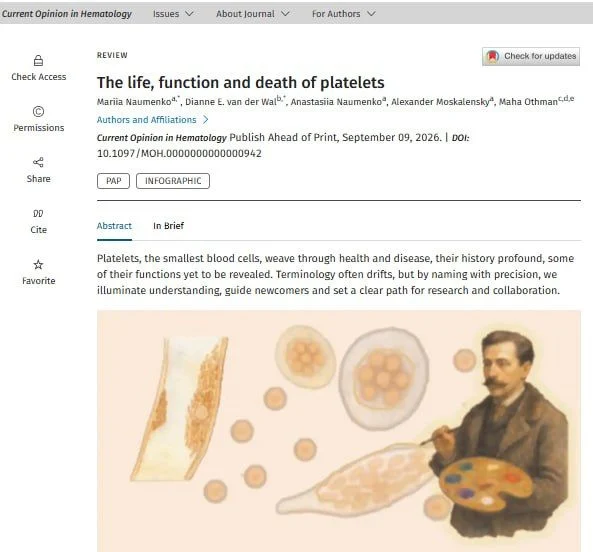
The Life, Function and Death of Platelets
This project would not have been possible without the incredible people who helped bring it to life:
I am immensely grateful to Dianne E. van der Wal, an exceptionally talented scientist and science communicator, for her vision, guidance, support and creativity throughout this project.
My sincere thanks to Dr. Maha Othman for her guidance, mentorship and invaluable scientific perspective.
I am also very grateful to Anastasiia Naumenko for her substantial contribution to creating the illustrations
I would like to thank my supervisor Dr. Alexander Moskalensky for his help with the biophysical aspects of the work and, as always, for his constant support.
I am particularly grateful for the inspiring webinars of Dr. Philipp Dexheimer, which have been a wonderful reminder that art and science do not have to exist in separate worlds, but enrich one another and help us see science differently.
And finally, a heartfelt thank you to Dr. Elena Buglakova, scientist and talented artist, for her encouragement and thoughtful advice.
Perhaps this is what science communication is ultimately about: not simply making science easier to understand, but helping people see why it is fascinating in the first place.”
Title: The life, function and death of platelets
Authors: Mariia Naumenkoa, Dianne E. van der Walb, Anastasiia Naumenkoa, Alexander Moskalenskya, Maha Othman
Stay updated on all scientific advances with Hemostasis Today.
-
Sep 13, 2026, 12:31Vishakha K. Kumar: ISTH Opens Public Comment Period on New Guidance
-
Sep 13, 2026, 12:13Tahsin Ara Mim: Takayasu’s Arteritis Case Report Secures 2nd Runner-Up
-
Sep 13, 2026, 11:26Tareq Abadl: When Good Samples Give Bad Numbers – Spotting EDTA Contamination in the Lab
-
Sep 13, 2026, 11:22Amanda Unsworth: Gratitude and Next Steps as Leadership Transitions at The Platelet Society
-
Sep 13, 2026, 11:18Mary Cushman: Covering Associations of Antiphospholipid Antibodies with Stroke
-
Sep 13, 2026, 11:13Mavis Agnes Kisakye: How Community Partnerships Are Driving Opportunity for Youths with Bleeding Disorders
-
Sep 13, 2026, 10:18Daniel Victor Ortigoza: Understanding Stroke, Risk Factors and Prevention
-
Sep 13, 2026, 08:13Selina Olwanda Ogweno: Expanding Access to Sickle Cell Care for Children and Young People
-
Sep 13, 2026, 08:02Alexandra Rickard: One Donation Can Make All the Difference