

Sex Differences In Secondary Stroke Prevention – European Stroke Organisation
European Stroke Organisation shared a post on LinkedIn:
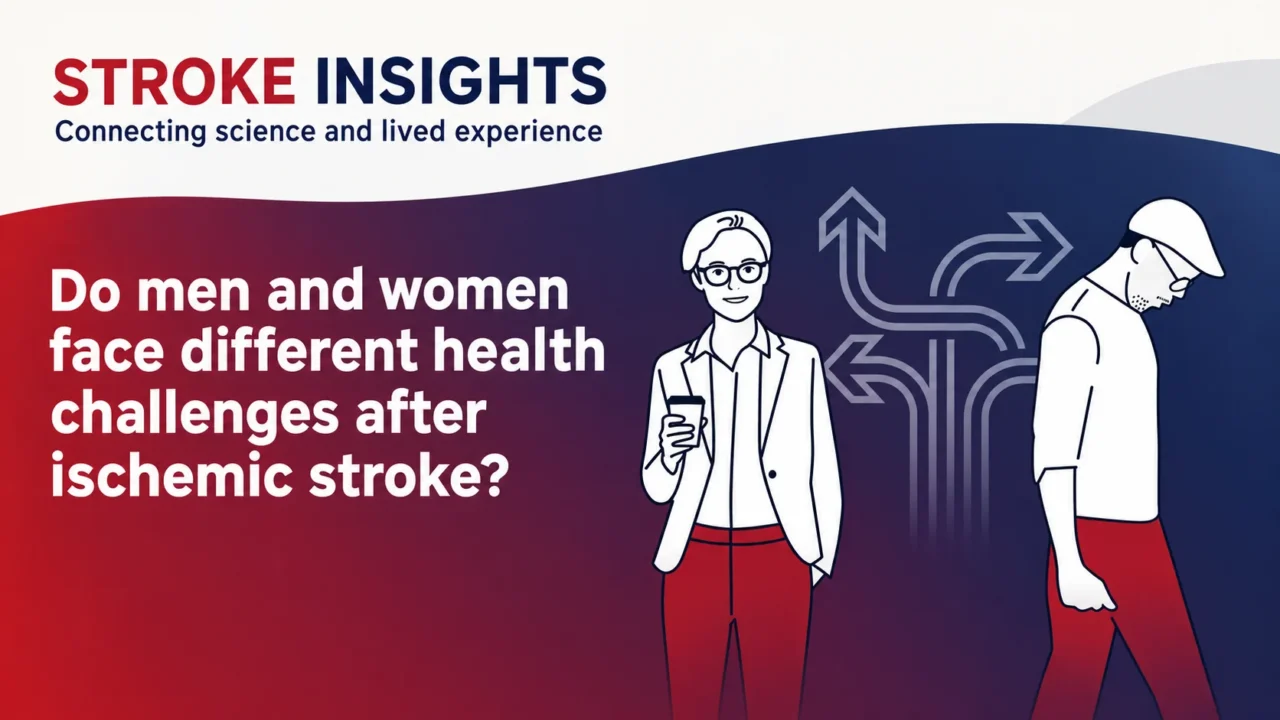
”Do men and women face different health challenges after ischemic stroke?
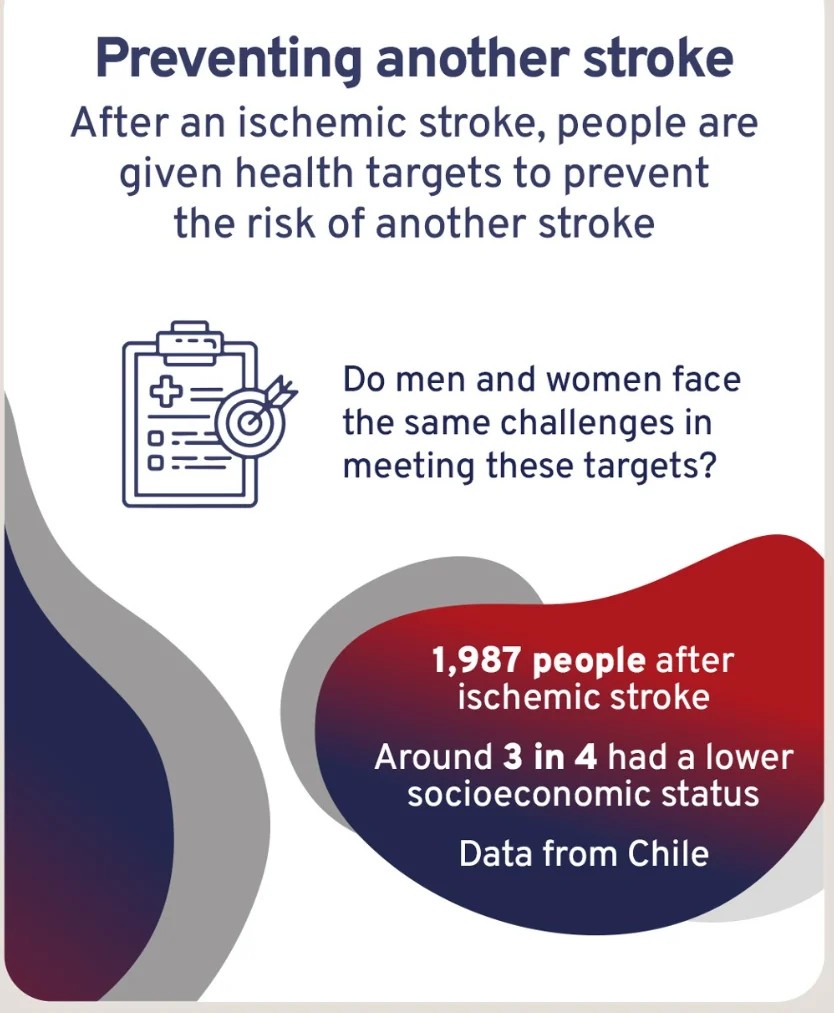
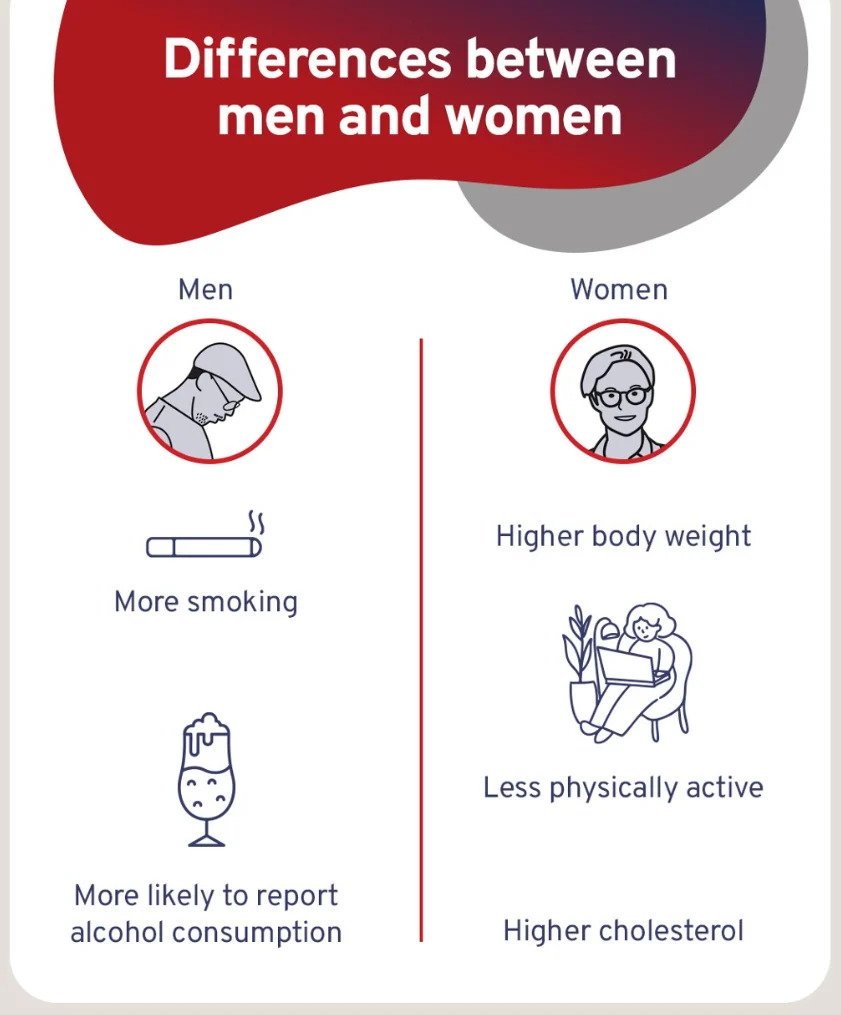
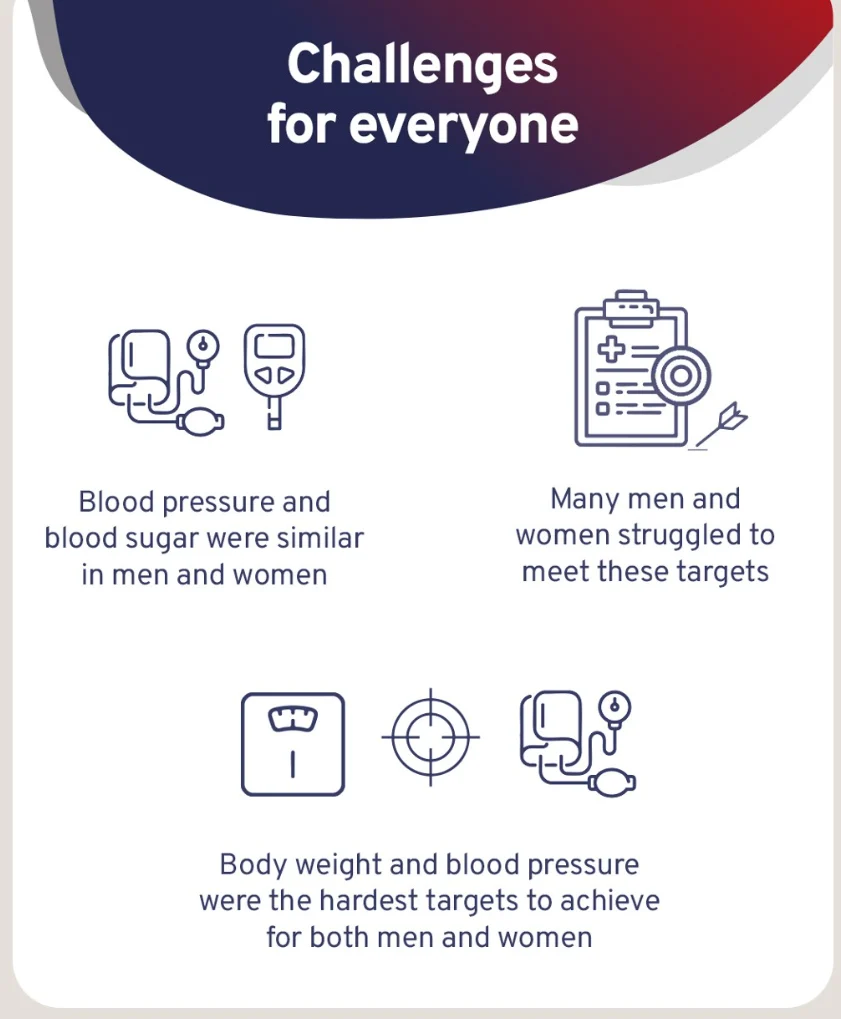
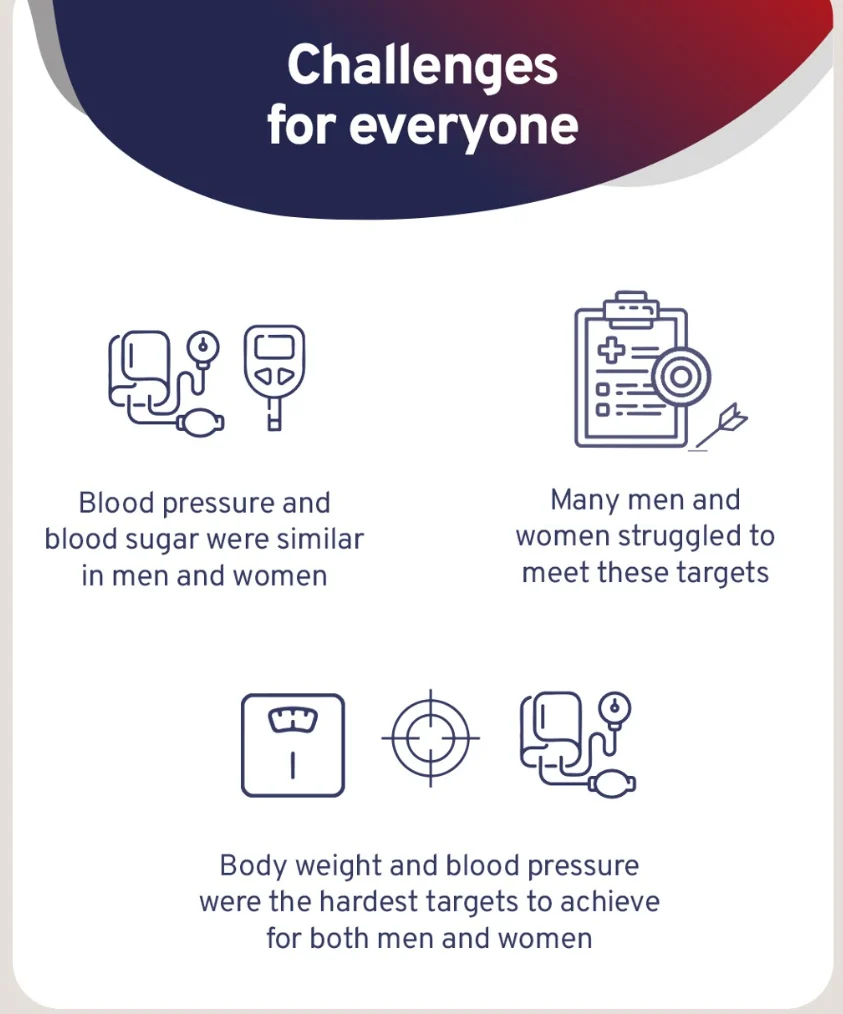
Reducing the risk of another stroke means working towards important health targets – from blood pressure and cholesterol to physical activity, weight and lifestyle. But these targets can be difficult to achieve, and the challenges may not be the same for everyone.
A study presented at ESOC 2026 analysed data from 2,189 stroke survivors and explored differences between men and women in meeting secondary prevention targets.
Swipe through our latest Stroke Insights carousel to discover what the researchers found – and why understanding these differences may matter for supporting people after stroke.”
Stay updated with Hemostasis Today.
-
Oct 3, 2026, 17:26Karel Kostev։ When First Anticoagulant Prescriptions Are Not Dispensed
-
Oct 3, 2026, 17:11Nabila Hasan: Thalassemia Awareness And Prevention
-
Oct 3, 2026, 17:03Pasinee Sangsiwarit: Neutrophil Dysfunction In β-Thalassemia
-
Oct 3, 2026, 16:18Mira Kassouf: Reactivating An Embryonic Gene To Treat α-Thalassemia
-
Oct 3, 2026, 15:49Behnood Bikdeli: COATED_AIR Trial Design Published as Enrollment Reaches 3,000 Patients
-
Oct 3, 2026, 15:25Vanrose Panashe Nyamangodo: A Multi-Task Deep Learning Model For Malaria And Anemia
-
Oct 3, 2026, 14:52Benny Sorensen: Glanzmann’s Thrombasthenia Finally Assigned Dedicated ICD-10 Code
-
Oct 3, 2026, 14:52The Real-World Burden Of DVT In Traumatic Fractures – ISTH
-
Oct 3, 2026, 14:41How Much Do We Really Know About The Global Burden Of Venous Thromboembolism? – World Thrombosis Day