


Irma Bagdoniene: Multidisciplinary Management of High-Risk Familial Hypercholesterolaemia and CAD
Irma Bagdoniene, Medical Doctor, shared a post on LinkedIn:
“Story from the Lipid Clinic Part 2
Remember the patient with vague chest symptoms, an untreated LDL-C of 234 mg/dL, elevated Lp(a), and a coronary CT showing extensive coronary atherosclerosis?
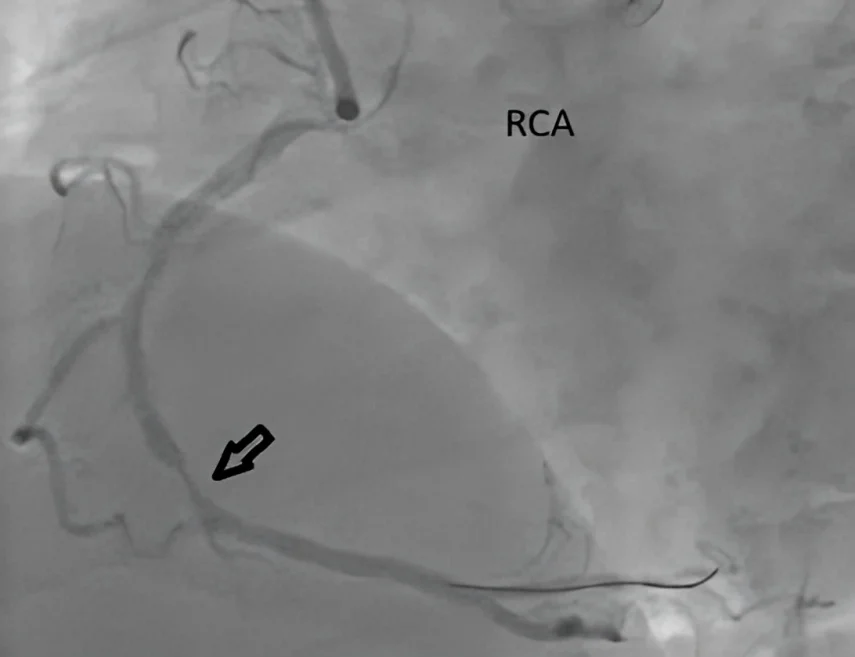
Her story continued. Because of the pathological CT findings and her exertional symptoms, she underwent invasive coronary angiography.
- The proximal LAD showed an 80 percent stenosis. Physiological assessment confirmed its relevance: iFR 0.85–0.86.
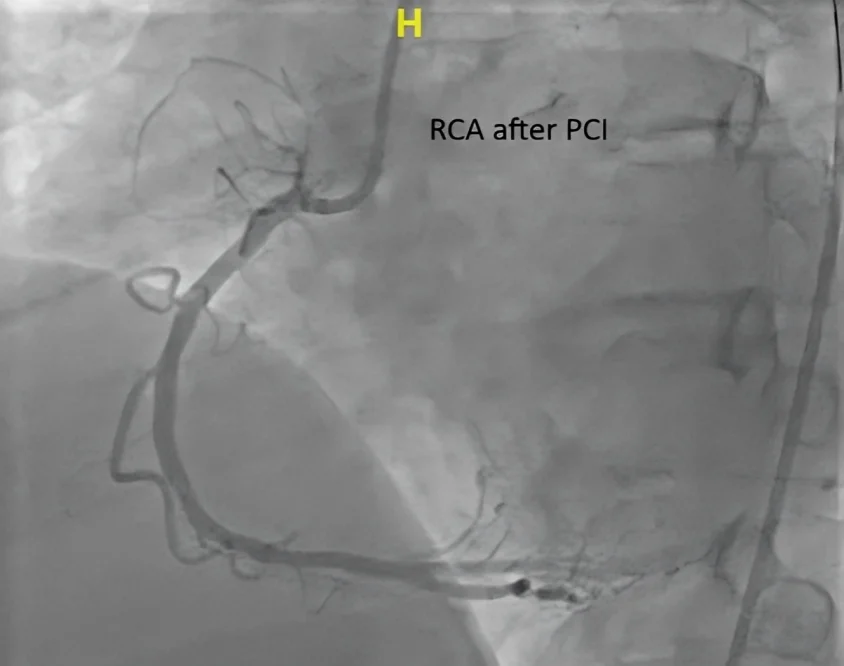
- The RCA showed significant disease as well, including a 90% distal stenosis. FFR was 0.78, confirming functionally relevant ischemia.
Both vessels were successfully treated with PCI and drug-eluting stents. What started with years of high LDL cholesterol and rather unspecific symptoms had become established, intervention-requiring two-vessel coronary artery disease.
But for me, this case is about much more than finding stenoses and placing stents. It shows what can happen when the different pieces of cardiovascular medicine come together.
Prevention recognised the risk: high lifetime LDL exposure, family history and symptoms that could easily have been dismissed as nonspecific.
Lipidology raised the suspicion of familial hypercholesterolaemia and identified markedly elevated Lp(a).
Cardiac imaging made the burden of coronary atherosclerosis visible.
Coronary physiology with iFR and FFR showed which lesions were functionally significant. Interventional cardiology successfully treated the relevant coronary lesions.
And now the story returns to secondary prevention: intensive LDL lowering, antiplatelet therapy and management of every modifiable cardiovascular risk factor. Her LDL-C target is now 40 mg/dL , and her lipid-lowering therapy will be intensified accordingly.
Teamwork! It takes a village…
Prevention. Lipidology. Cardiac imaging. Coronary physiology. Interventional cardiology. Nursing. Follow-up. And, most importantly, the patient herself.
Did we prevent a future myocardial infarction? We will never know. Now begins the long-term task of keeping her cardiovascular risk as low as possible.
To be continued…
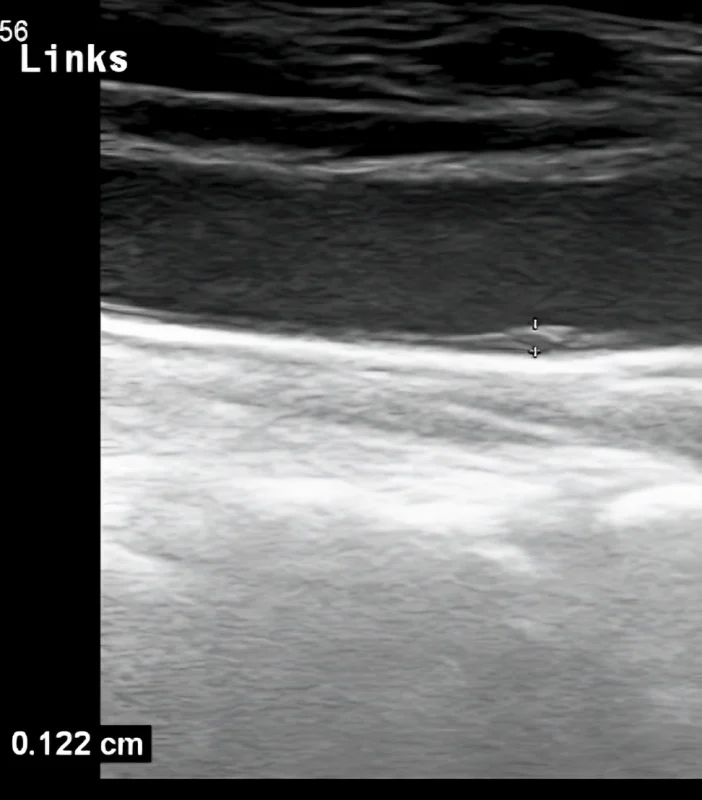
P.S. what raised my suspicion even further was this small carotid plaque – almost as if the vessels were trying to tell us something before the coronary CT did.
And a very special thanks to my favourite team player in the cath lab: Dr. med. Mohammad Al Mawed.”
Stay updated with Hemostasis Today.
-
Oct 5, 2026, 15:00Serena Williams and Pulmonary Embolism: From Personal Crisis to Lessons in Venous Thromboembolism
-
Oct 5, 2026, 14:55Marco Moscarelli: 3D Reconstruction Enhances Volumetric Assessment of Post-TAVI Thrombosis
-
Oct 5, 2026, 13:24Abdul Muqtadir Abbasi: Diagnostic Pearls for Evaluating Isolated Thrombocytopenia in Residents
-
Oct 5, 2026, 13:16Katerina Pavenski: Rethinking What ‘Normal’ Means for Iron Deficiency
-
Oct 5, 2026, 13:09Rick Matthews: Balancing Established VTE Partnerships with Innovative Interventional Technologies
-
Oct 5, 2026, 13:01Nawsherwan Mohammad: Recognizing TTP Before the ADAMTS13 Result Arrives
-
Oct 5, 2026, 12:51Bruno Pougault: The Hidden Challenges Behind Anti Xa Testing
-
Oct 5, 2026, 12:41Syed Huzaifa Khan: Rethinking CTRP12 as a Biomarker for In Stent Restenosis
-
Oct 5, 2026, 12:29Mirvat Alasnag: Creating a Space for Women in Cardiovascular Medicine