

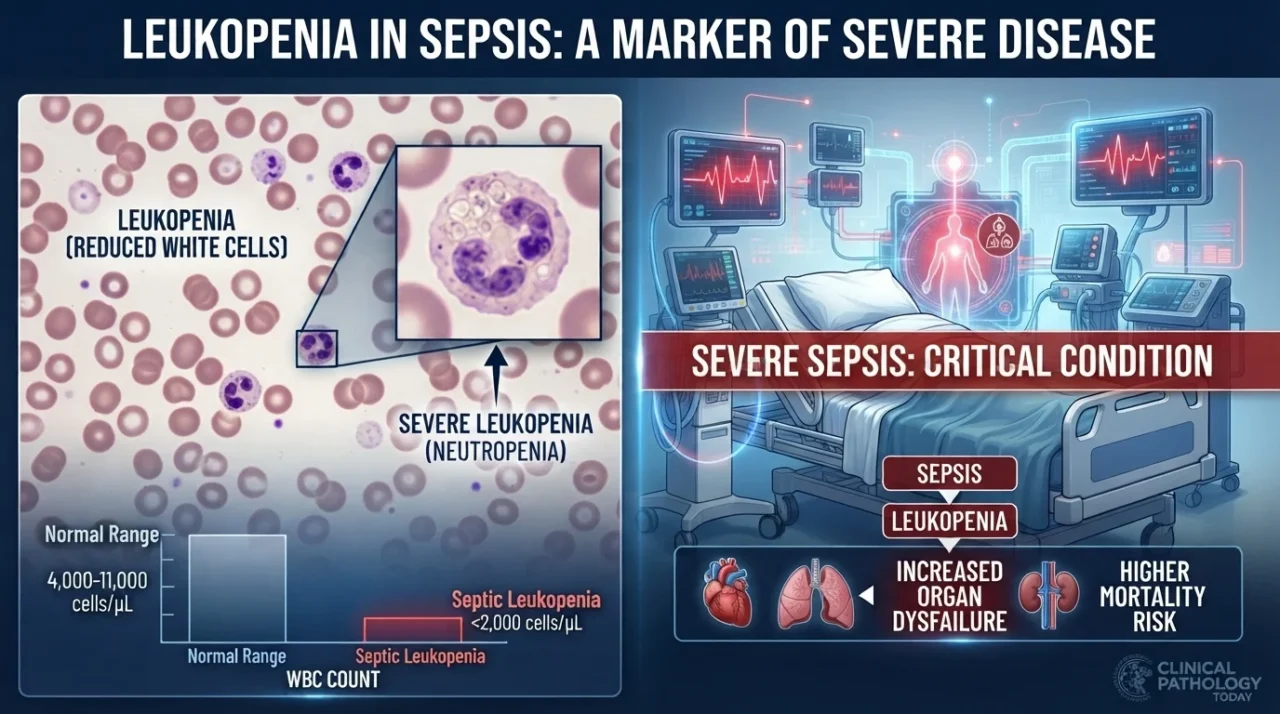
Sthanu Subramanian: Leukopenia in Sepsis A Marker of Severe Disease
Sthanu Subramanian, Pediatrician, shared a post on X:
“Leukopenia in septicemia.
Leukopenia in septicemia (sepsis) is an abnormally low white blood cell (WBC) count specifically below 4,000 cells per microliter that indicates a critical and overwhelming systemic infection.
While the classic response to an infection is an elevated white blood cell count (leukocytosis), the development of leukopenia is a highly worrisome clinical sign that signifies the body’s immune defenses are failing or becoming exhausted.
- Why Sepsis Causes Leukopenia When a patient experiences septicemia, the drastic drop in white blood cells typically occurs due to two primary mechanisms:
1.Accelerated Destruction and Consumption:
During severe sepsis, neutrophils and other white blood cells migrate rapidly out of the bloodstream and into the tissues to fight the infection. In the process, they form neutrophil extracellular traps (NETs) to capture bacteria, which ultimately leads to active leukocyte destruction and rapid depletion.
2.Bone Marrow Suppression:
The intense systemic inflammatory response syndrome (SIRS) can cause ‘maturation arrest’ or inadequate supply of progenitor cells in the bone marrow. This temporarily shuts down or impairs the production of new white blood cells.
- Clinical Significance and Prognosis Leukopenia is recognized under clinical criteria as a strong indicator of severe systemic inflammation.
1.Increased Mortality Risk:
Studies show that ICU patients who present with sepsis and leukopenia have significantly higher in hospital mortality rates compared to those who exhibit a high white blood cell count.
2.Associated Cytopenias:
Leukopenia in septicemia is frequently accompanied by thrombocytopenia (low blood platelet count).
When both occur together, it reflects a severe hematological organ dysfunction that drastically lowers the body’s ability to combat the infection and maintain proper blood clotting.
Treatment Strategy
Managing a septic patient with leukopenia requires immediate, aggressive critical care:
1. Broad Spectrum Intravenous Antibiotics:
Administered immediately to target the underlying blood infection.
2. Aggressive Hemodynamic Support:
Intravenous fluids and vasopressors to maintain blood pressure and protect organ perfusion.
3. Bone Marrow Stimulation (In select cases):
In specific populations, such as neonates or patients with severe neutropenia, medical teams may utilize granulocyte macrophage colony stimulating factor (GM CSF) or G CSF to actively stimulate the bone marrow into producing more white blood cells.
A clinical Approach to Leukopenia in ICU, specifically focusing on the management of neutropenia based on the Absolute Neutrophil Count (ANC).”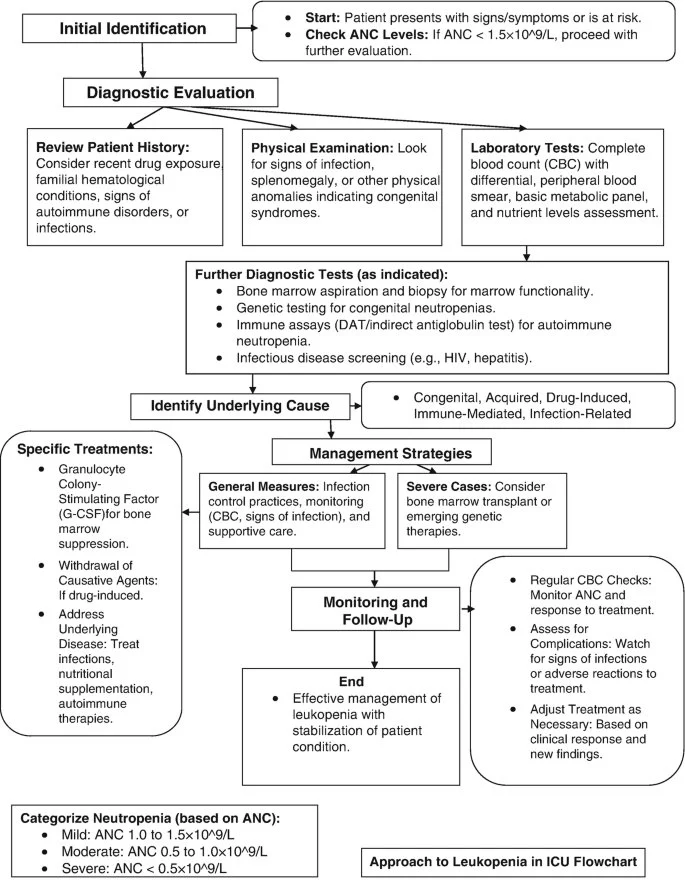
Stay updated with Hemostasis Today.
-
Oct 8, 2026, 03:50Olfat Berro: Redefining the Future of Haemophilia A
-
Oct 8, 2026, 03:35Tasnia Tarana: Heavy Menstrual Bleeding When the Cause Is Not in the Uterus
-
Oct 8, 2026, 03:28Kian Haseli: Electrophysiological PIEZO1 Analysis Advances Diagnosis in Hereditary Xerocytosis
-
Oct 7, 2026, 16:44Amor Salah: 2026 NCS/SCCM Guidelines for Managing Antithrombotic-Associated ICH
-
Oct 7, 2026, 16:04NETs in Thrombosis: From Mechanism to Therapeutic Target
-
Oct 7, 2026, 15:28Amir Samimi: Prognostic Value of Platelet Count in Resected HNSCC
-
Oct 7, 2026, 15:21Eloïse Laouenan: Bridging Immunity and Thrombosis in MVTE
-
Oct 7, 2026, 15:10Uthra Sundaram: Honouring Donors During International Plasma Awareness Week
-
Oct 7, 2026, 15:04Daniel Victor Ortigoza: Should Frail Older Patients With AF Switch From VKA to DOACs?