

How DVT Pumps Help Prevent Blood Clots in Hospitalized Patients – Aastha Hospice Lucknow
Aastha Hospice Lucknow shared a post on X:
“Why Are Patients Made to Wear Special Socks in Hospitals?
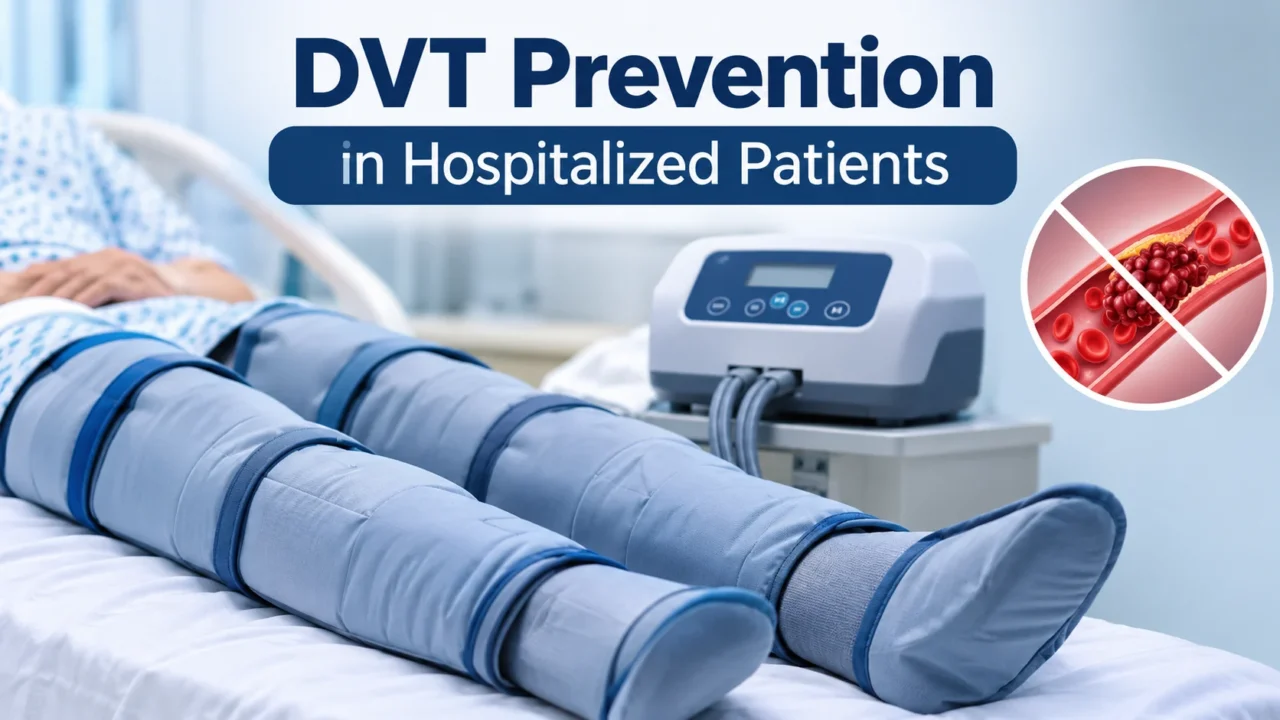
Dr. Abhishek Shukla, Geriatrician, explains why hospitalised patients are sometimes made to wear special compression sleeves around their legs.
These are called Intermittent Pneumatic Compression (IPC) devices, commonly known as DVT pumps.
They help prevent Deep Vein Thrombosis (DVT), a condition in which blood clots form in the deep veins, particularly in the legs.
Normally, leg muscle movements help push blood back towards the heart.
However, when patients remain bedridden for prolonged periods, blood circulation slows down, increasing the risk of clot formation.
The DVT pump applies intermittent pressure to the legs, helping improve venous blood flow.
Why is preventing DVT so important?
Because a blood clot can travel from the leg to the lungs, causing Pulmonary Embolism (PE), a potentially life-threatening emergency.
Warning signs include sudden breathlessness, chest pain, rapid heartbeat, fainting and coughing up blood. DVT may cause leg swelling, redness, warmth and tenderness.
Patients at increased risk include those undergoing major surgery, prolonged hospitalization, ICU patients, people with cancer, obesity, previous blood clots, pregnancy and prolonged immobility.
Treatment depends on severity and may include anticoagulants (blood thinners).
In life-threatening cases, thrombolytic medicines such as tissue plasminogen activator (tPA) or catheter-based clot removal may be required.
Remember: DVT prevention is an essential part of hospital care, particularly for elderly, postoperative and bedridden patients.
Early mobilization, appropriate compression devices and prescribed preventive medicines can reduce the risk of dangerous blood clots.
Educational Disclaimer: This video has been created solely for educational and public health awareness purposes, in accordance with the applicable guidelines of the National Medical Commission (NMC), India.
The information shared is intended to promote medical awareness and should not be considered a substitute for professional medical advice, diagnosis, or treatment.
Viewers are advised to consult a qualified medical professional for individual health concerns.
This video is not intended for solicitation of patients or self-promotion.”
Proceed to the video attached to the post.
Stay updated with Hemostasis Today.
-
Nov 22, 2026, 10:01Aravind Palraj: When Inflammation and Macrocytic Anemia Point to VEXAS
-
Nov 21, 2026, 20:00Jeyda Star: The FAST Signs of Stroke and the Reality of Life Afterward
-
Nov 21, 2026, 19:59Daniel Lindholm: Women Showed the Largest Improvement in Stroke Risk Over Time in Heart Failure
-
Nov 21, 2026, 19:56Neil Arrowsmith: Raising Awareness of Pulmonary Embolism in Young People
-
Nov 21, 2026, 19:52Muhammad Zeeshan Jamal: Thrilled to Present Our Research on Intermediate-Risk Acute PE in Abu Dhabi
-
Nov 21, 2026, 19:50Mounisha Devireddy: Proud to Share Our Research on High-Risk PE in Pregnancy
-
Nov 21, 2026, 19:47Melissa Hollo: How Severe Anemia Increases the Odds of Acute HF During Pregnancy and Postpartum
-
Nov 21, 2026, 19:44Ashenafi Tazebew Amare: Building Sustainable Systems to Close the Anti-D Immunoglobulin Access Gap in LMICs
-
Nov 21, 2026, 19:43Sheharyar Raza: Interpreting Clotting Times Through Reptilase Time and Thrombin Time Assays