


Ajay Samkaria: Is Reliance on Weak D Testing Sufficient in Modern Transfusion Practice?
Ajay Samkaria, Product and Application Manager at Diagast Transfusion Medicine, shared a post on LinkedIn:
“Is reliance on Weak D testing sufficient in modern transfusion practice?
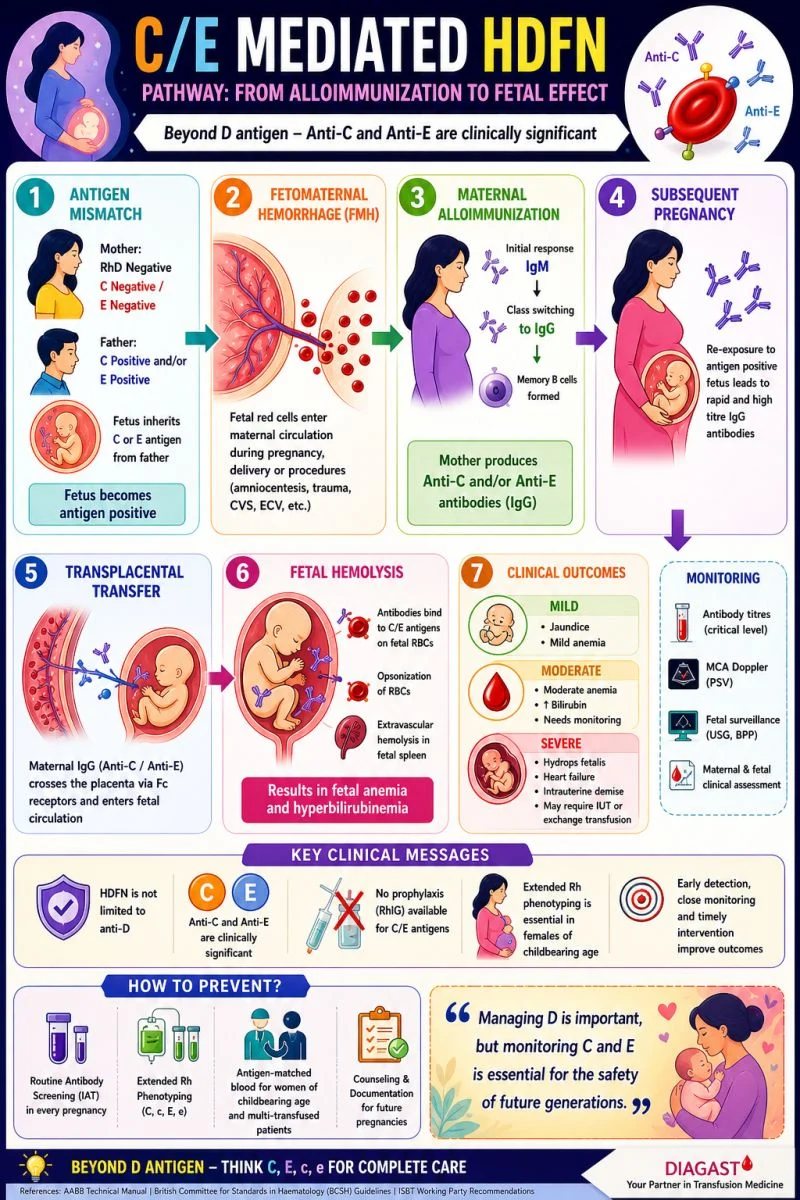
While preventing anti-D alloimmunization remains critical, it does not address clinically significant antibodies against other Rh antigens such as C and E.
Without extended Rh phenotyping, we risk missing these antigens – potentially leading to alloimmunization and hemolytic disease of the fetus and newborn in future pregnancies.
- Time to think beyond the D antigen.
- Comprehensive Rh phenotyping should be part of routine practice, especially in females of childbearing age.
Weak D testing addresses D antigen variability but fails to identify sensitization risks from other Rh antigens such as C and E. Undetected exposure may result in clinically significant alloantibodies, contributing to hemolytic disease of the fetus and newborn.
Extended Rh phenotyping (C, c, E, e) and antibody screening are essential strategies to improve maternal and fetal outcomes.”
Stay updated with Hemostasis Today.
-
Sep 25, 2026, 10:49Shefina S: From Presenting to Hosting at TRANSCON 2026
-
Sep 25, 2026, 10:37Michelle Leona Cecil: Hemophilia Advocacy and the Power of Community
-
Sep 25, 2026, 10:13Michael Baria: Platelet Concentration and PRP Outcomes in Partial Rotator Cuff Tears
-
Sep 25, 2026, 09:49Haley Coleman: Volunteering to Support Hemophilia Awareness
-
Sep 25, 2026, 08:55Hitarth Mehta: BHMS Students Gain Practical Exposure to Haemophilia Diagnosis
-
Sep 25, 2026, 07:25Varun Capoor: How Therapeutic Apheresis and Transfusion Medicine Can Complement Clinical Management in SCD
-
Sep 25, 2026, 07:14Manshi Kesharwani: SAK-GQDs Modulate Thrombus Burden and Endothelial Function in Deep Vein Thrombosis
-
Sep 25, 2026, 06:20Farjah Hassan Algahtani: How Can We Better Identify Patients at Risk of Blood Clots after Metabolic and Bariatric Surgery?
-
Sep 25, 2026, 05:59Carla Lewis: Kids Conquering Sickle Disease Joins Nemours Children’s Hospital for 2nd Annual Awareness Event