


Annie Bauzon: HbA1c Insights and Clinical Importance in Diabetes Management
Annie Bauzon, Medical Laboratory Assistant Technician at Med Health Laboratories, shared a post on LinkedIn:
“Hemoglobin A1c
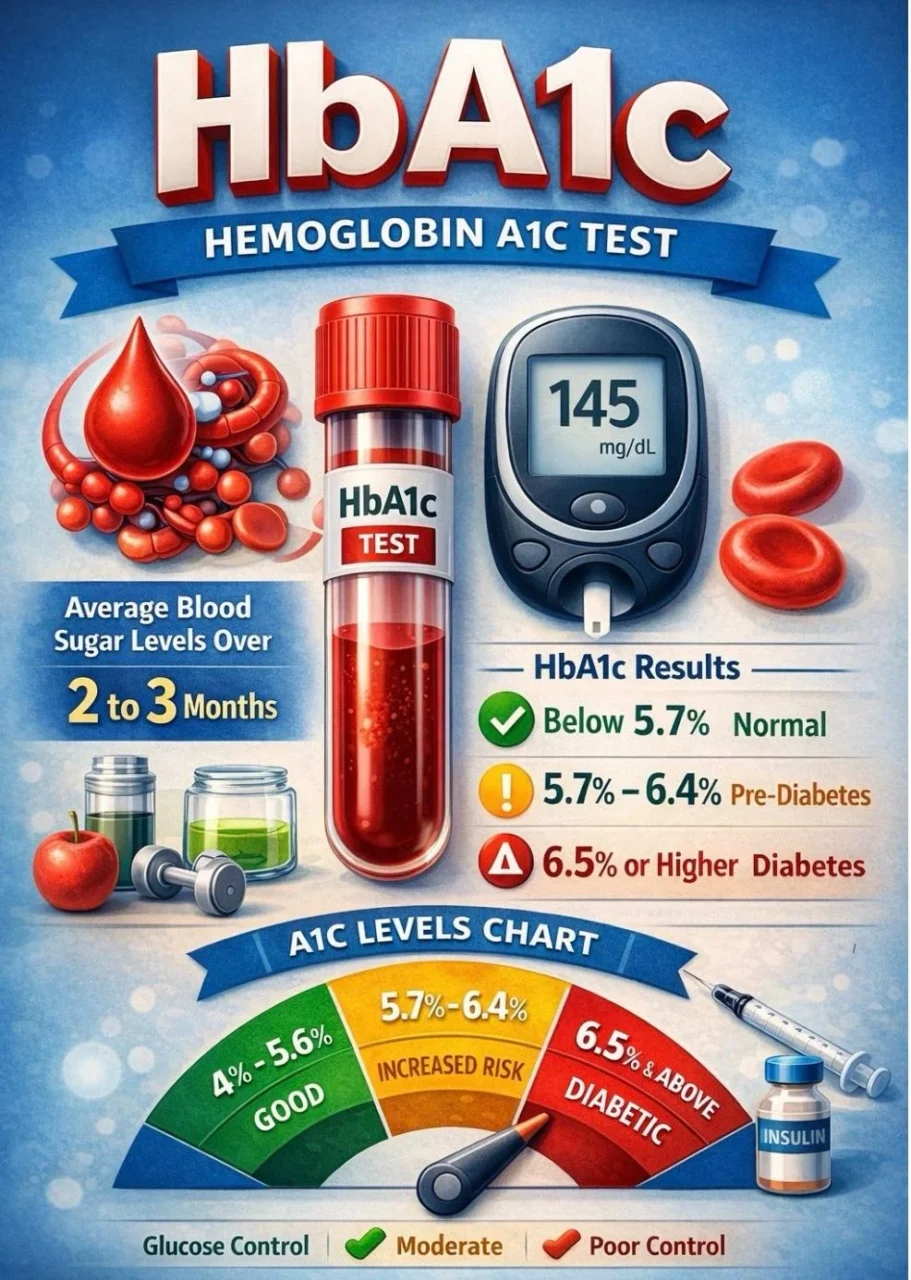
Hemoglobin A1c (HbA1c), also known as glycated hemoglobin, is a form of hemoglobin that is chemically bound to glucose. It is formed through a non-enzymatic process called glycation, where circulating glucose in the blood attaches to the beta chains of hemoglobin inside red blood cells.
Because red blood cells have an average lifespan of approximately 120 days, the HbA1c level reflects the average blood glucose concentration over the previous 2–3 months rather than the glucose level at a single point in time.
This makes HbA1c a reliable long-term indicator of glycemic control.
HbA1c is widely used in the diagnosis and monitoring of Diabetes mellitus.
According to international diagnostic criteria:
- HbA1c value below 5.7% is considered normal.
- Between 5.7% and 6.4% indicates prediabetes, which reflects increased risk for developing diabetes.
- HbA1c level of 6.5% or higher on two separate tests is diagnostic of diabetes.
In individuals already diagnosed with diabetes, HbA1c is used to assess how well blood glucose has been controlled over time.
For many non-pregnant adults with diabetes, a common treatment target is an HbA1c below 7%, although targets may vary depending on age, comorbidities, and risk of hypoglycemia.
The clinical importance of HbA1c lies in its strong association with long-term complications of chronic hyperglycemia.
Persistently elevated HbA1c levels are linked to:
- microvascular complications: diabetic retinopathy, nephropathy, and neuropathy.
- macrovascular complications: cardiovascular disease and stroke.
Studies have demonstrated that lowering HbA1c significantly reduces the risk of these complications, highlighting the importance of strict glycemic control.
One advantage of the HbA1c test is that it does not require fasting and is not significantly affected by short-term stress or recent meals.
However, certain conditions can influence the accuracy of HbA1c results.
Disorders affecting red blood cell turnover, such as hemolytic anemia, recent blood loss, or hemoglobinopathies (e.g., sickle cell disease), may produce falsely low or high values. Chronic kidney disease and iron deficiency anemia can also alter results. Therefore, clinical context must always be considered when interpreting HbA1c levels.
In summary, HbA1c is a crucial biochemical marker that provides an integrated measure of long-term blood glucose control.
It plays a central role:
- Diagnosing diabetes
- Identifying individuals at high risk,
- Guiding therapeutic decisions, and
- Predicting complications.
Proper interpretation of HbA1c values, combined with clinical assessment and other laboratory findings, is essential for optimal management of patients with glucose metabolism disorders.”
Stay updated with Hemostasis Today.
-
Sep 30, 2026, 01:52Javed Anees: DADA2 – When a Young Stroke Is More Than a Stroke
-
Sep 30, 2026, 01:51How a Venous Thrombus Becomes Revascularized – ISTH
-
Sep 29, 2026, 22:45Victor Agunyego: Paracetamol – The Most Common Drug We Underestimate
-
Sep 29, 2026, 22:42Nova Sinclair: Advancing the Future of Hematology – Meet Our 2027 Organizing Committee
-
Sep 29, 2026, 22:41Lorenz Räber: Intracoronary Imaging in PCI – Why, When, How, and Which Modality?
-
Sep 29, 2026, 22:31Selma Turkovic: Pleased to Deliver the Opening Presentation at Kingston Hospital
-
Sep 29, 2026, 22:31Miguel Teran: Ultrasound and Simulation in Arterial Blood Sampling
-
Sep 29, 2026, 22:28Mohammad Refaei: Navigating Your Career in Hematology From Training to Practice
-
Sep 29, 2026, 22:27Matteo Foschi: 10 Clinical Pearls for Antithrombotic Therapy in Secondary Stroke Prevention