

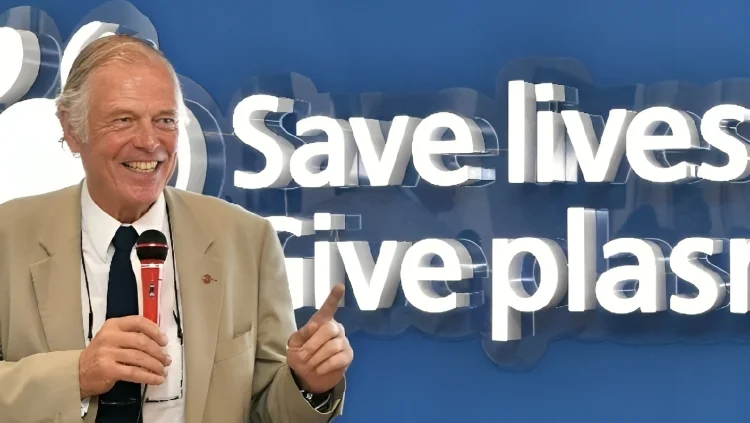
David McIntosh: How European Plasma Policy Shapes Global Access to Life-Saving Therapies
David McIntosh, Founder and Chair of United Plasma Action, shared Expresso’s post on LinkedIn:
“This excellent post highlights a stubborn problem that has afflicted the European Union throughout this Century – doing great damage, not only to European Healthcare but to Healthcare globally.
In the field of vital plasma-derived medicines (of which there’s a fatal global shortage)
European institutions lounge luxuriously in a self-important but utterly delusional feeling of superior morality, based on pseudo-ethical notions about the sanctity of ‘Substances of Human Origin‘.
Less self-indulgent philosophers recognize that the important thing about life-saving plasma-derived medicines is not their origin, but their destination.
They are produced for one purpose and for one purpose only – to provide patients with the treatments they need.
All over the World, rare disease sufferers are going through untold trauma and succumbing to an early death, simply due to a lack of plasma-derived medicines.
One would sincerely expect therefore that every Healthcare organization in the World would be doing its best to help increase the global plasma harvest – but what is Europe doing … ?
For instance …
- what is the EU doing?
- what is it’s SUPPLY team doing?
- what is the European Blood Alliance doing?
- what contribution is being made by the International Plasma and Fractionation Association?
The sad fact is that they are all misguidedly inhibiting progress towards improving the plasma harvest, both in Europe and globally – to the deep detriment of patients everywhere – detriment and death.
That’s what’s genuinely unethical.
It really does have to stop.”
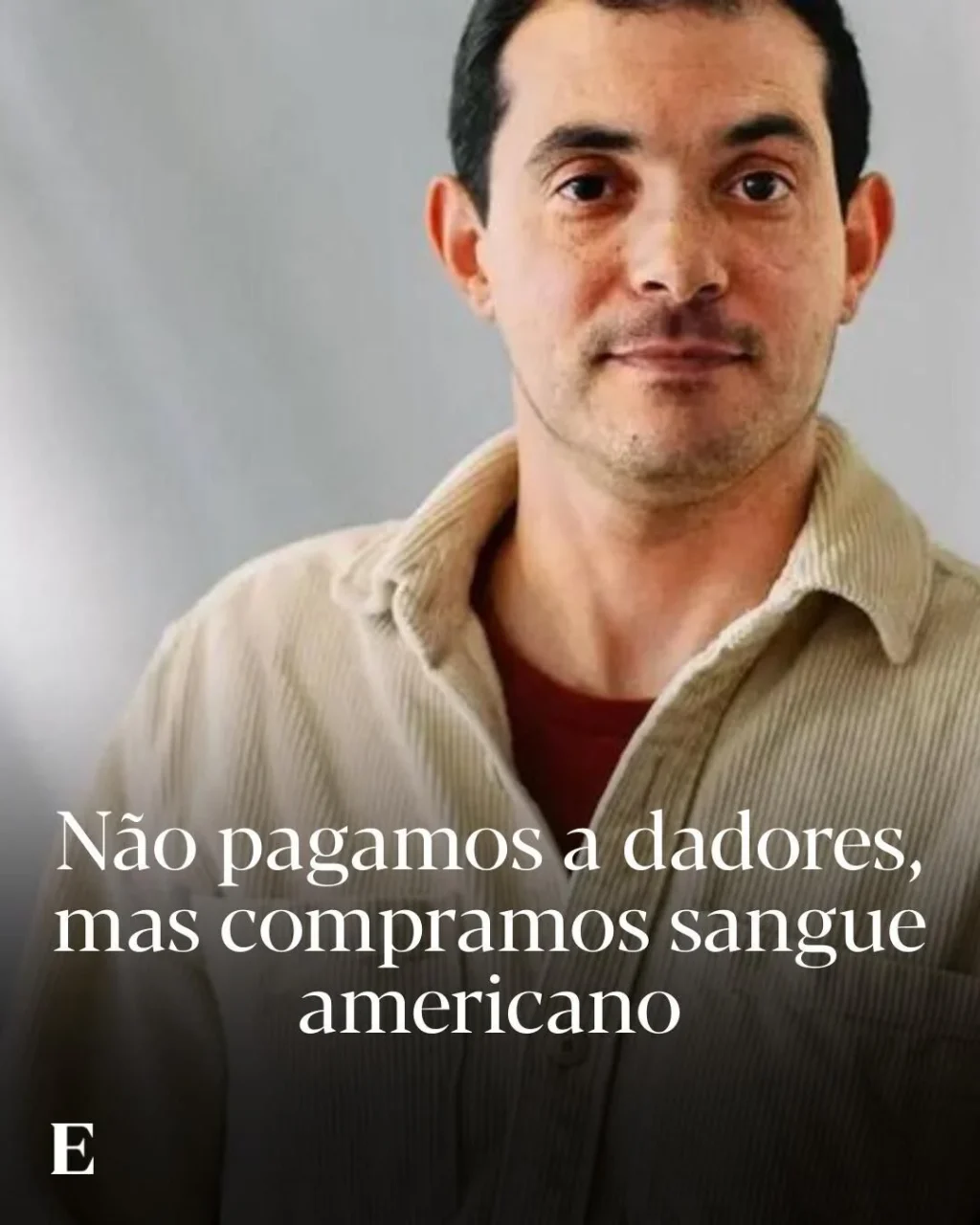
Expresso shared a post on LinkedIn:
“Fragility.
Portugal spends 100 million euros a year on medicines made from plasma and imports 89 percent of the raw material, mainly from the USA.
Experts warn of the ethical, financial and geopolitical risks of this insufficiency.
Read more.”
Stay updated with Hemostasis Today.
-
Oct 2, 2026, 18:34Kamini Khillan: Massive Transfusion Protocol for PPH Management
-
Oct 2, 2026, 18:24Garima Sharma։ GLP-1 Receptor Agonists Across the Reproductive Life Course
-
Oct 2, 2026, 18:13Priya Sriskandarajah: Roginolisib Plus JAK Inhibitors in Myelofibrosis
-
Oct 2, 2026, 17:40Chokri Ben Lamine: A Two-Day Journey Through Modern Hematology at KFSHRC
-
Oct 2, 2026, 17:27Reza Shojaei: The Invisible Crisis, Part 1- Donor Deferral in Whole Blood
-
Oct 2, 2026, 16:02Advancing Antithrombotic Stewardship to Optimise Care – American Heart Association
-
Oct 2, 2026, 15:37Pall T. Onundarson: Monitoring Warfarin Beyond Factor VII
-
Oct 2, 2026, 15:26Nicola Carter: World Thrombosis Day Highlights Gender Specific Risks and Prevention
-
Oct 2, 2026, 14:56Wolfgang Miesbach: Direct Comparison Reveals Distinct Mechanisms Among FVIIIa Mimetics