

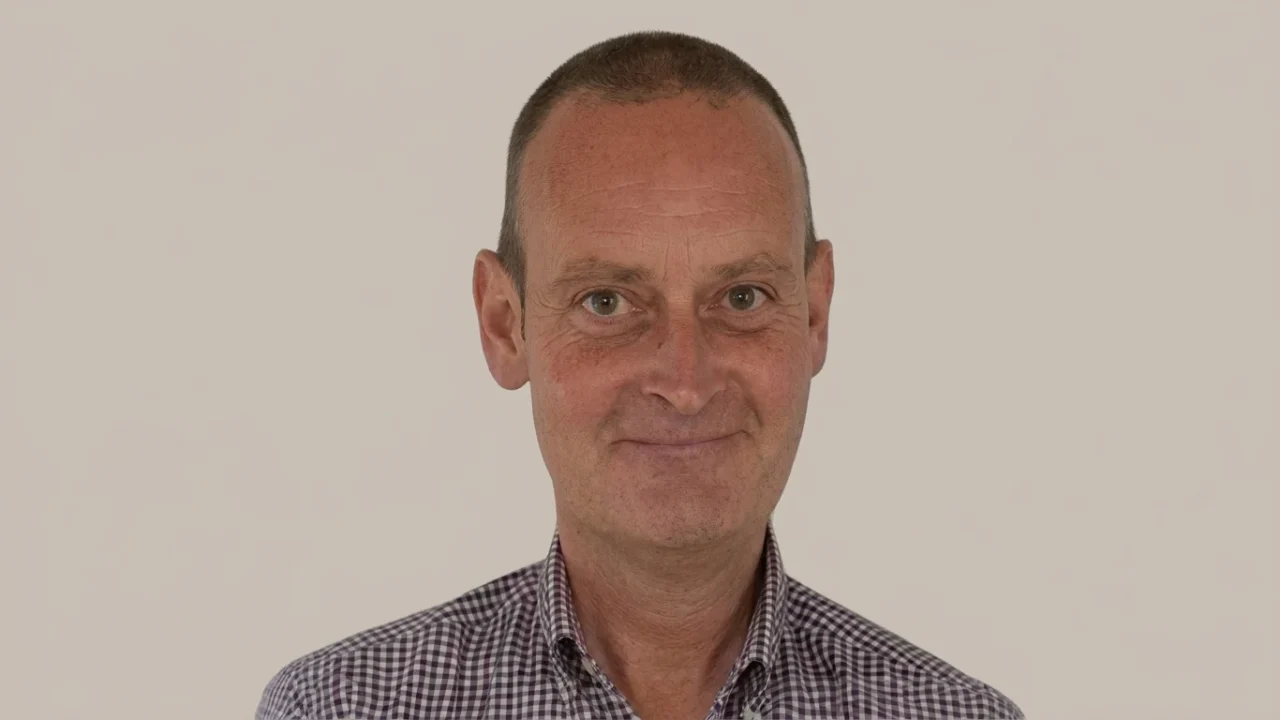
Ed Watson: When It Happens to You, Stroke Becomes Personal, Immediate, and Life-Changing
Ed Watson, Senior Project Manager at Capita Group, shared on LinkedIn:
”A stroke is something many people associate with statistics or clinical definitions but when it happens to you, it becomes something very different.
It becomes personal, immediate, and life-changing.
My experience with the health service began at a point of crisis.
In those early moments, what stands out to me most is the speed, professionalism, and expertise of the people involved.
Decisions are made quickly, and those decisions matter enormously.
I owe a great deal to the individuals who stepped in at that point, they quite literally changed the course of my life.
But the reality is, the stroke itself is only the beginning. What follows is a much longer journey one that is less visible, often less understood, and at times far more challenging.
Physically, recovery can be frustrating and unpredictable.
Progress isn’t always linear. Some days feel like a step forward, others feel like you’ve gone backwards. Mentally and emotionally, the impact can be just as significant.
There’s uncertainty, loss of confidence, and a need to adjust to a ‘new normal.’
You can feel isolated, even when surrounded by people who love you and care, because it’s difficult for others to fully understand what you’re experiencing.
This is where aftercare and continued support become critical.
The support I received from the Stroke Association played an important role in helping me navigate that next phase.
It wasn’t just about information although that’s important it was about reassurance, guidance, and knowing that I wasn’t going through it alone.
Having access to people who understand stroke, who can listen, and who can provide practical help makes a real difference.
It helps bridge the gap between clinical care and day-to-day life.
If I were to reflect on the overall experience, I’d highlight three things:
- Early intervention saves lives, the health service response in those initial moments is critical.
- Recovery is a long-term journey and it needs to be recognised and supported as such.
- Ongoing support matters just as much as acute care organisations like the Stroke Association play a vital role in helping people rebuild their lives.
For me personally, this experience has changed my perspective.
It has made me more aware of the resilience people show, but also the support they need to get there.
If sharing my experience helps increase understanding, improve support, or even help one person feel less alone, then it is worth it.”
Stay updated with Hemostasis Today.
-
Sep 27, 2026, 15:49Rana Al-Hrout: Iron Deficency – Is Ferritin 15ng/mL or Less Still the Cutoff?
-
Sep 27, 2026, 15:49Ayushi Sharma: What I Thought Transfusion Medicine Would Be vs What It Actually Is
-
Sep 27, 2026, 15:48William Wallace: How Much Human Research Is Behind the Supplements We Take?
-
Sep 27, 2026, 15:46Franck Perraudin: Lp(a) Lowering Alone May Not Be Enough
-
Sep 27, 2026, 15:41Ahmed Hamandi: Sharing Real-World HSCT Experience at the Iraqi Society of Haematology Conference
-
Sep 27, 2026, 15:39Co-creating Digital Support With Young Stroke Survivors – European Stroke Organisation
-
Sep 27, 2026, 15:39Eleri Schiavone: Celebrating 80 Years of the Welsh Blood Service
-
Sep 27, 2026, 15:38Jessica Garcia: Standing Where VWD Was First Recognized 100 Years Later
-
Sep 27, 2026, 15:37Heghine Khachatryan: A Meaningful Step Forward for Inherited Blood Disorders in Africa