


Fatima Zafar: Anaemia – Why This “Common” Condition Should Never Be Ignored
Fatima Zafar, Nutritionist at The Superior University and Nutradietics, shared a post on LinkedIn:
“Anaemia: Why This ‘Common’ Condition Should Never Be Ignored
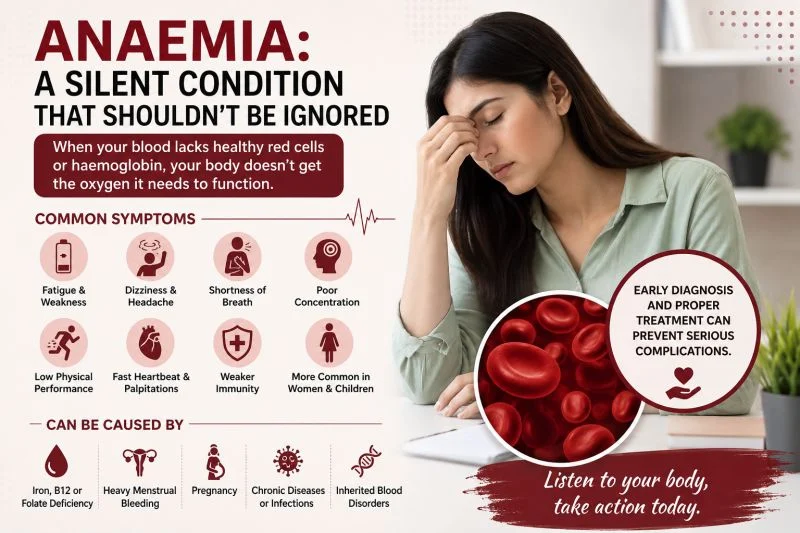
Feeling constantly tired, dizzy, weak, or short of breath?
Many people consider these symptoms a normal part of a busy lifestyle. But sometimes, they may be signs of anaemia, a condition that should not be ignored.
Anaemia occurs when the body doesn’t have enough healthy red blood cells or haemoglobin to carry sufficient oxygen throughout the body. As a result, organs and tissues may not receive the oxygen they need to function properly.
Why Is Anaemia Serious?
Anaemia can affect much more than your energy levels.
Persistent or severe anaemia may lead to:
- Extreme fatigue and weakness
- Dizziness and headaches
- Shortness of breath
- Difficulty concentrating
- Reduced physical performance
- Poor productivity and quality of life
In severe cases, the heart has to work harder to supply oxygen to the body, which can create serious health complications.
It’s Not Always Just Iron Deficiency
Iron deficiency is a common cause, but anaemia can also occur due to Vitamin B12 or folate deficiency, heavy menstrual bleeding, pregnancy, chronic diseases, poor nutrient absorption, or inherited blood disorders.
This is why self-treating with iron supplements isn’t always the answer. Understanding the underlying cause is essential.
Who Is Most at Risk?
Women of reproductive age, pregnant women, young children, and people with poor dietary intake or certain health conditions may be particularly vulnerable.
For pregnant women, untreated anaemia can increase health risks for both the mother and baby. In children, prolonged anaemia may affect growth, development, and learning.
The Role of Nutrition
Nutrition plays an important role in preventing and managing nutritional anaemia. A balanced diet containing iron-rich foods, Vitamin B12, folate, and adequate protein can support healthy blood production.
However, one important message remains:
Fatigue is not always ‘normal.’
Dizziness is not always ‘just weakness.’
And low haemoglobin should never be ignored.
Anaemia can sometimes be the body’s way of signalling an underlying nutritional or medical problem.
The Bottom Line
Early diagnosis and proper treatment can make a significant difference.
Instead of simply treating the symptoms, we need to ask: Why is the haemoglobin low in the first place?
Because awareness, proper nutrition, and timely medical care can turn a potentially serious condition into a manageable one.”
Stay updated with Hemostasis Today.
-
Oct 20, 2026, 01:43Oliver Weingärtner: Deprescribing of Lipid Lowering Drug after MI is Associated with Cardiovascular Events
-
Oct 19, 2026, 19:44Where You Live Should not Determine Whether You Receive Care – World Federation of Hemophilia
-
Oct 19, 2026, 19:42Belen Bianco: Prevention, Early Suspicion and an Interdisciplinary Approach Save Lives
-
Oct 19, 2026, 19:40Christina Chrysohoou: Catheter-Based LAAC vs OAC for Stroke Prevention in Atrial Fibrillation
-
Oct 19, 2026, 19:38Matthew Flick: A Two-Day Research Meeting on Fibrinogen, Hemostasis and Thrombosis
-
Oct 19, 2026, 19:37Hayat Saeed: Excited to Share Our Publication on the FGL1–Hepcidin Axis in Iron Homeostasis and Disease
-
Oct 19, 2026, 19:08IPAW 2026 Comes to a Close, but the Work Continues – PPTA
-
Oct 19, 2026, 17:44Paul Riley: Moderating a Webinar on Anticoagulation Monitoring
-
Oct 19, 2026, 16:36Christopher Pittman: Blood Clot Prevention Cannot End at Hospital Discharge