

Julie Cardoso: What Happens to Venous Valves When a Blood Clot Forms?
Julie Cardoso, Owner and Executive Director of Independent Diagnostic Testing Facility at Universal Ultrasound Diagnostics, posted on LinkedIn:
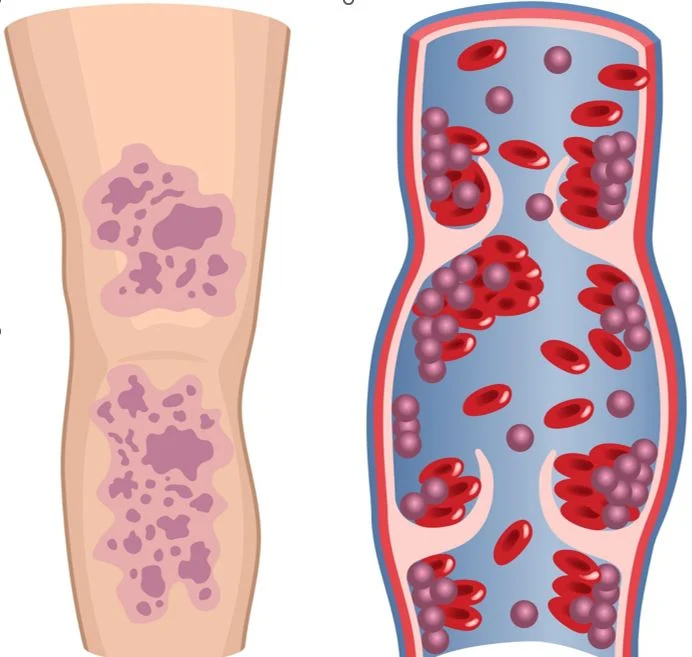
“What happens to venous valves when a blood clot forms?
Venous valves normally maintain unidirectional flow and work with respiratory pressure changes to create phasic venous flow.
With a Deep Vein Thrombosis (DVT), a thrombus can immobilize or damage valves, preventing them from closing properly.
This leads to:
- Loss of phasic flow
- Continuous or dampened velocity
- Blunted augmentation response
Assessing valves with PW Doppler, including augmentation and observing flow return to baseline is crucial.
If flow doesn’t return, it signals proximal obstruction and abnormal valve function, helping guide diagnosis and management.
Learn More with us at Universal U on Saturday, April 25.”
Stay updated with Hemostasis Today.
-
Sep 18, 2026, 16:05Targeting Factor XI to Reduce Thrombosis Without Compromising Hemostasis – ISTH
-
Sep 18, 2026, 15:54Swapnil Pawar: Why Aren’t We Using Cryopreserved Platelets Everywhere Yet?
-
Sep 18, 2026, 15:37Abdul Mannan: Evaluating Longitudinal Platelet Trends Beyond Standard Reference Intervals
-
Sep 18, 2026, 15:30Peter A. Everts։ Platelet Phenotype May Hold the Key to More Consistent PRP Therapy
-
Sep 18, 2026, 15:25Brandon Temple: Turning Personal Experience Into Advocacy for wAIHA Research
-
Sep 18, 2026, 15:01A. M. Thirugnanam: Antiplatelet Discontinuation and the Risk of Stent Thrombosis
-
Sep 18, 2026, 14:52Abdul Muqtadir Abbasi: How Do Hematologists Know Which Coagulation Factor Is the Problem?
-
Sep 18, 2026, 14:48Kato Ramaekers: Redefining Integrin αIIbβ3 in Platelet Formation
-
Sep 18, 2026, 14:33Heghine Khachatryan: The discussion of Thrombophilia, APS and Coagulation Testing