


Kalpana Gupta Shekhawat: The Overlooked Regulator of Mast Cells – Understanding the Vagus Nerve
Kalpana Gupta Shekhawat, Chairperson at the Functional and Metabolic Medicine Academy, Gurugram, India, shared a post on LinkedIn:
“The Overlooked Regulator of Mast Cells: Understanding the Vagus Nerve
Mast Cell Activation Syndrome is commonly managed by identifying triggers — foods, chemicals, environmental exposures – and trying to avoid them. While this approach can reduce symptoms, many patients still report unpredictable reactions despite strict routines. This pattern suggests that triggers alone may not explain mast cell instability. An often-overlooked factor is nervous system regulation, particularly the role of the vagus nerve.
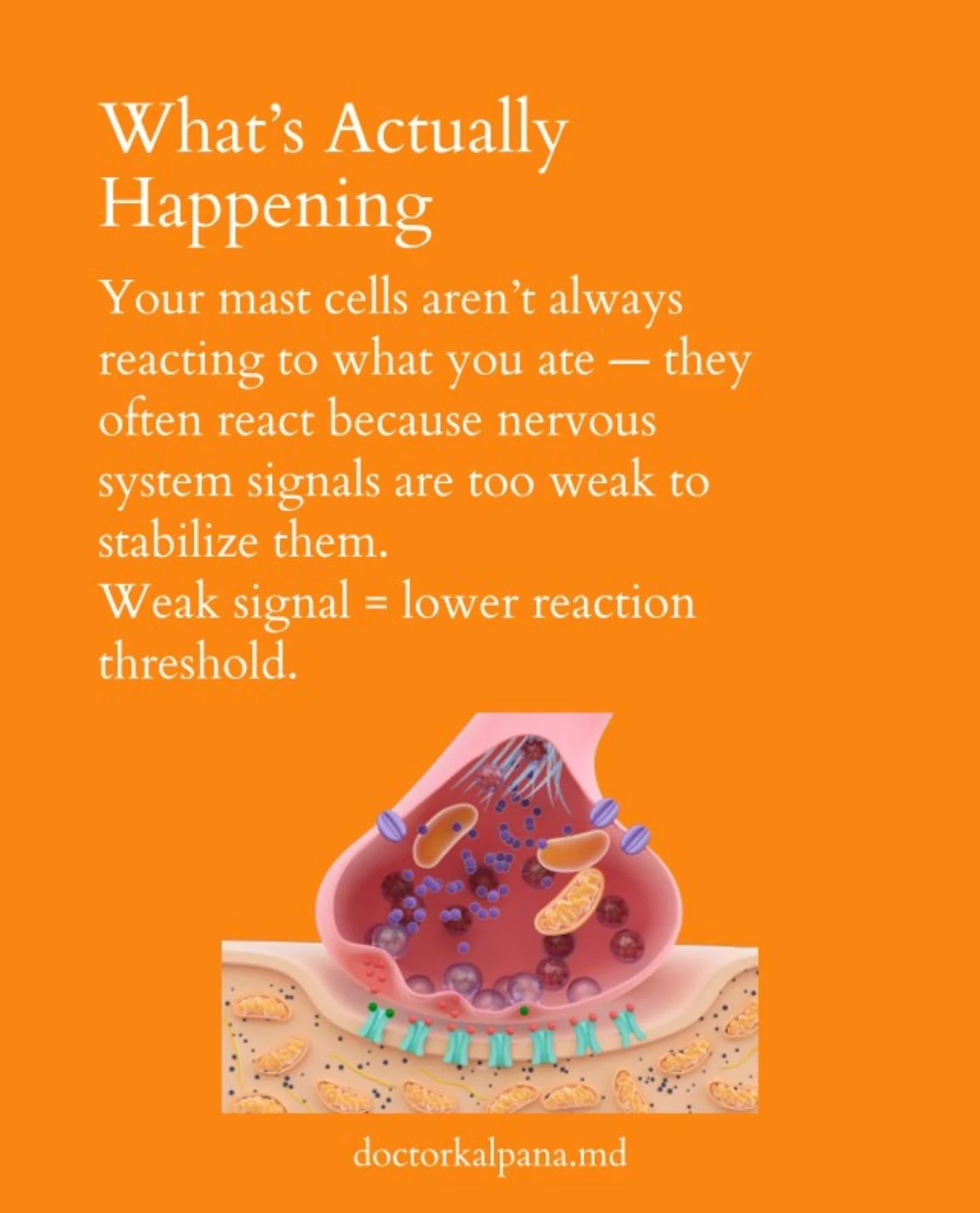
Mast cells are closely positioned along nerve endings throughout the body, especially in the gut lining, airways, skin, and brain. This anatomical relationship allows direct communication between the nervous system and immune cells. The vagus nerve, a major component of the parasympathetic nervous system, plays a key role in this interaction by helping regulate inflammation.
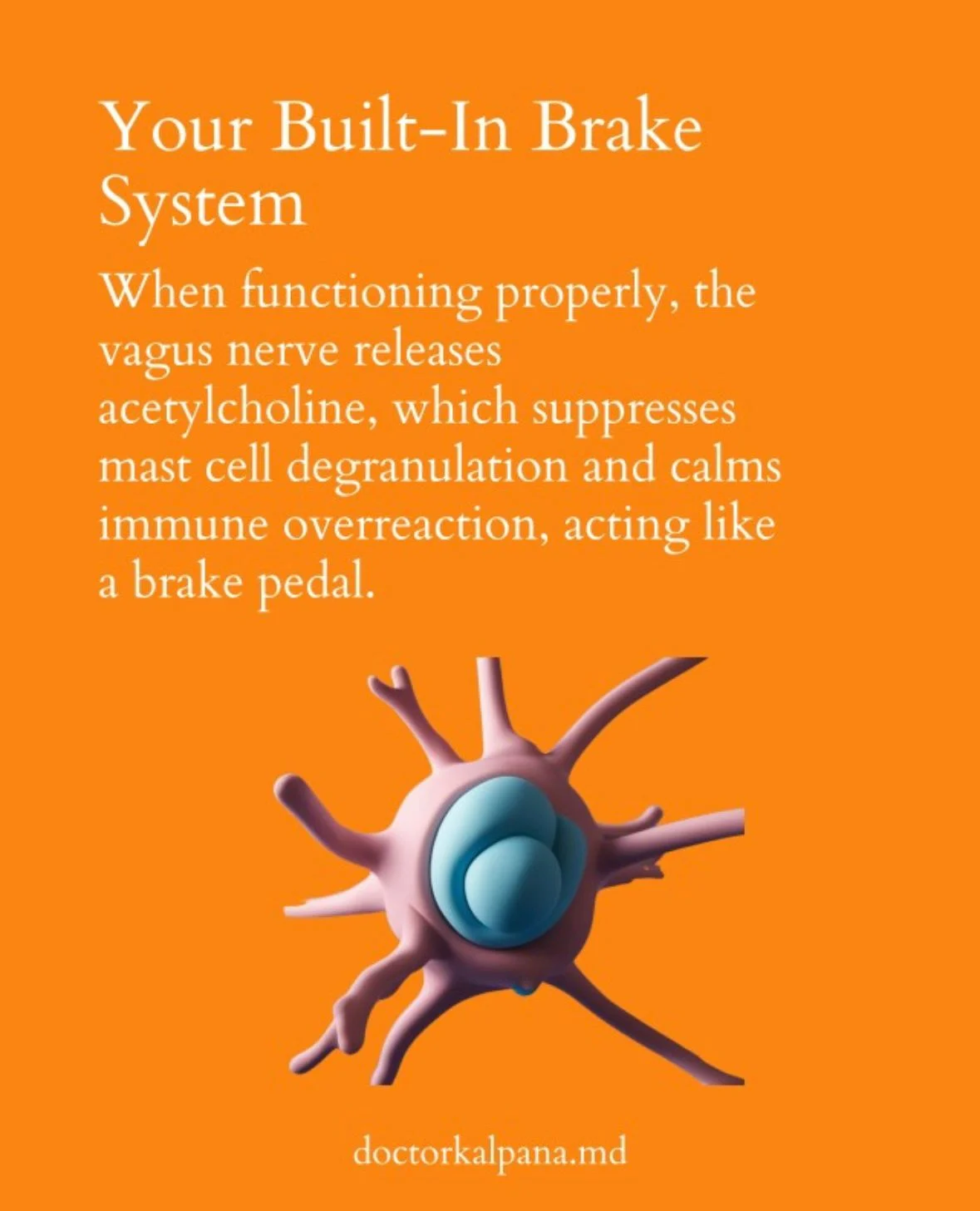
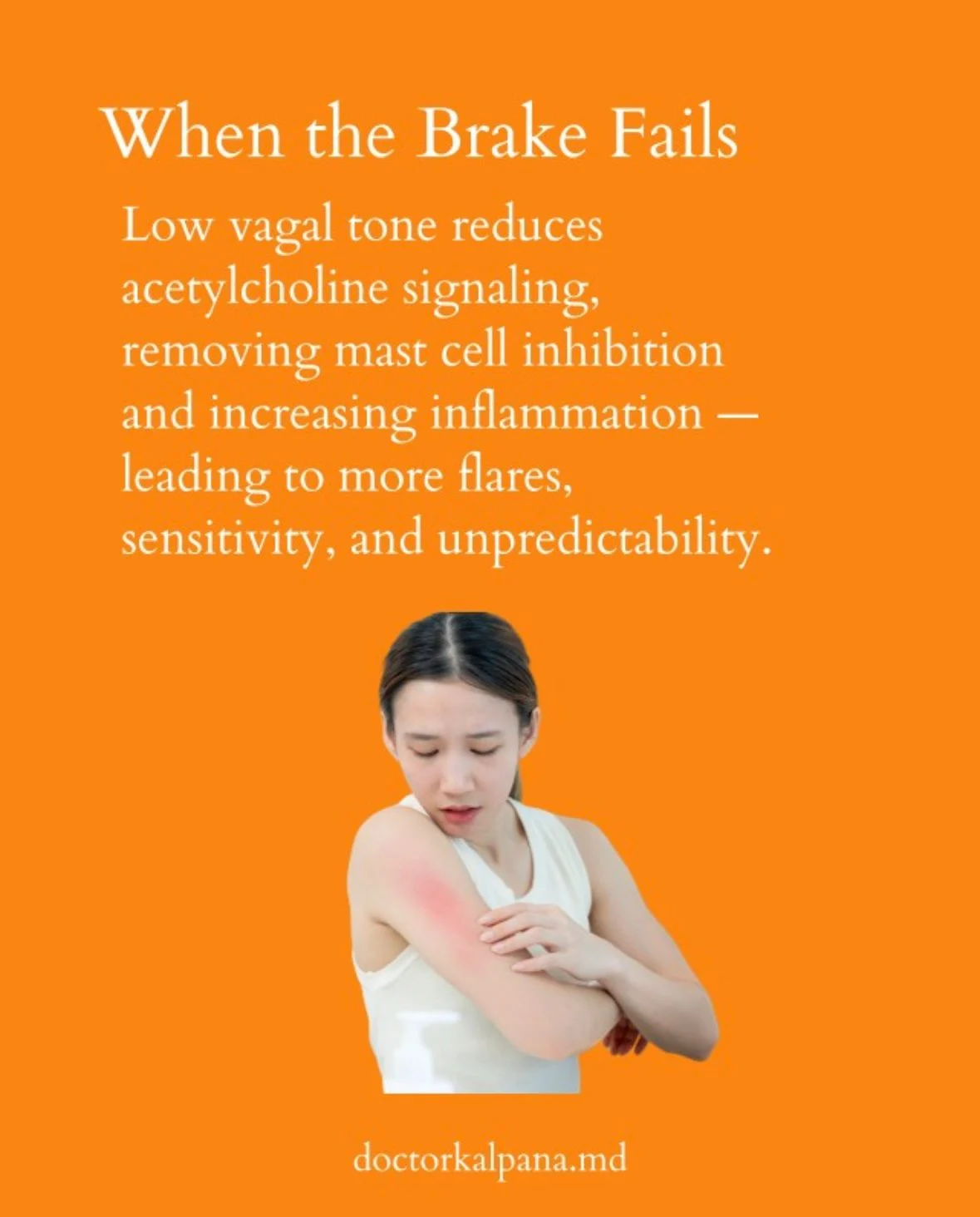
When vagal tone is strong, the nerve releases acetylcholine, a neurotransmitter that sends calming signals to immune cells, including mast cells. This mechanism helps prevent unnecessary immune activation. When vagal activity is reduced, that inhibitory signal weakens, making mast cells more prone to releasing inflammatory mediators. The result can be increased sensitivity, exaggerated responses, and fluctuating symptoms.
This helps explain why many individuals experience day-to-day variability in reactions even when diet, supplements, and lifestyle remain unchanged. Factors such as stress, poor sleep, illness, or emotional strain can influence vagal tone. When nervous system regulation shifts, immune responsiveness can shift with it.
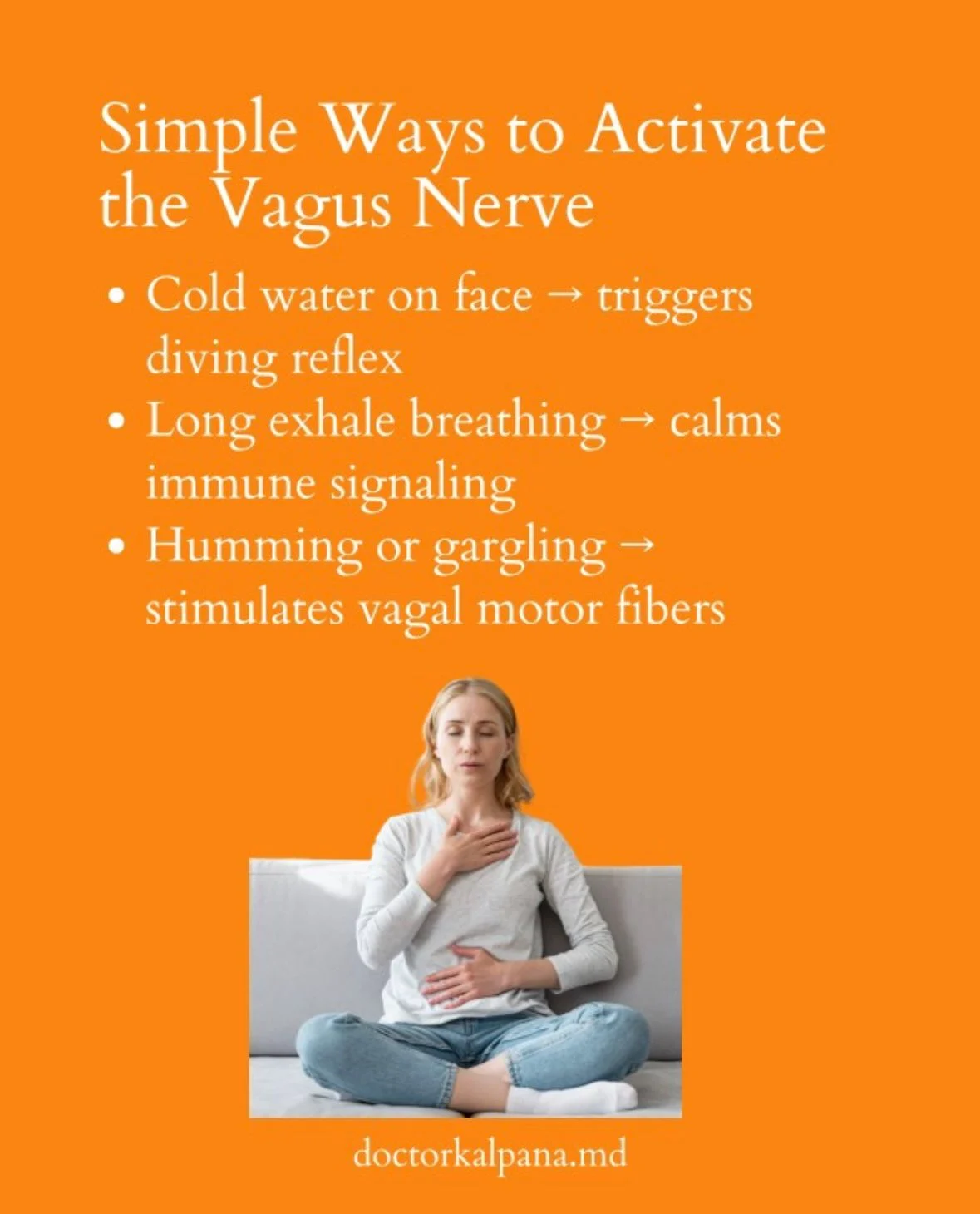
Traditional approaches that focus only on avoiding triggers may therefore address symptoms without correcting the underlying regulatory imbalance. Supporting vagus nerve function alongside medical and nutritional care can improve the body’s ability to maintain immune stability. Practices such as slow breathing, gentle cold facial stimulation, humming, and other parasympathetic-activating techniques can help strengthen this regulatory pathway when used consistently.
MCAS is best understood as a systems condition involving ongoing communication between the nervous and immune systems.
Recognizing this connection broadens treatment strategies beyond avoidance and toward restoring balance. When nervous system regulation improves, mast cells are more likely to remain stable, and overall reactivity often decreases.”
Stay updated with Hemostasis Today.



-
Oct 19, 2026, 10:57Jesmond Dalli: How Erythroblasts Shape Neutrophil Development and Function
-
Oct 19, 2026, 10:41Hisham Fahmi: SCD – Should Gene Editing Begin Before Organ Damage?
-
Oct 19, 2026, 10:33Pallavi Madhiraju: YARTEMLEA Faces Another European Rejection Despite FDA Approval
-
Oct 19, 2026, 10:28Brig Tathagata Chatterjee: Acute Leukemias in AYAs at the Japanese Society of Hematology Conference
-
Oct 19, 2026, 10:27Heather M. Johnson: Join the Discussion on Optimizing the CTEPH Diagnostic Pathway
-
Oct 19, 2026, 10:18Flora Peyvandi: Unravelling the Complexity of VWF Through Genetics
-
Oct 19, 2026, 09:55High DOAC Adherence in Patients With Ischemic Stroke and AF – International Journal of Stroke
-
Oct 19, 2026, 08:20Cory Dugan: The IRONWOMAN Trial Individual Responses to IV Iron Therapy in Active Women
-
Oct 19, 2026, 07:36Johannes Kaesmacher: Cerebral No-Reflow After Thrombectomy Toward a Standardized Definition