

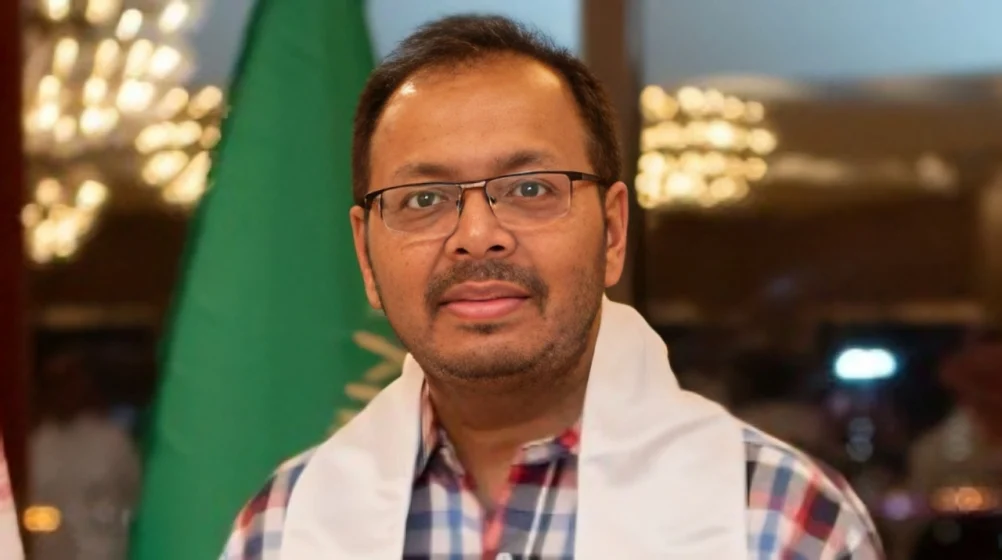
Kalyan Roy: Thalassaemia and the Importance of Early Screening
Kalyan Roy, Transfusion Medicine Specialist at Square Hospitals LTD, shared a post on LinkedIn:
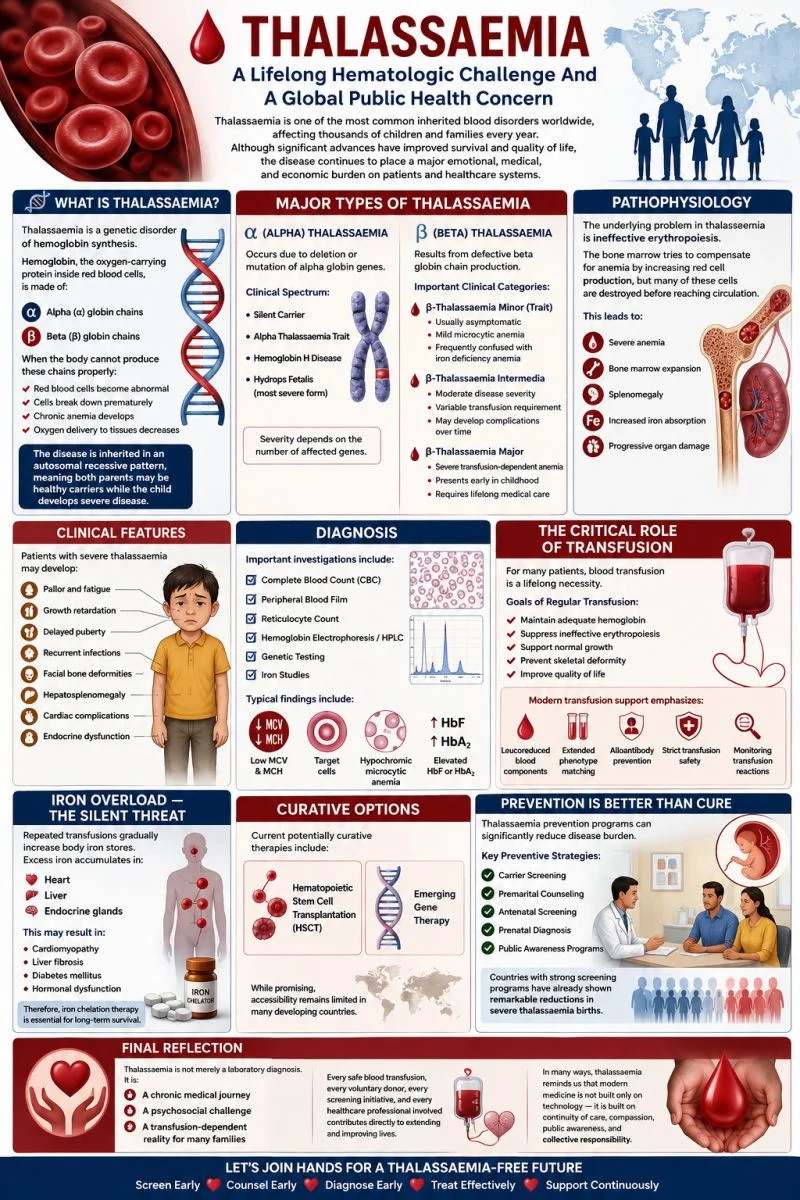
”Thalassaemia
A Lifelong Hematologic Challenge and a Global Public Health Concern
Thalassaemia is one of the most common inherited blood disorders worldwide.
It occurs due to defective production of hemoglobin chains, leading to:
- Chronic anemia
- Premature destruction of red cells
- Reduced oxygen delivery
- Lifelong medical complications
Major Types
Alpha-thalassaemia
- Silent carrier
- Trait
- HbH disease
- Hydrops fetalis
Beta-thalassaemia
- Minor or trait
- Intermedia
- Major or transfusion-dependent
Clinical Impact
Severe thalassaemia may cause:
- Fatigue and pallor
- Bone deformities
- Growth retardation
- Cardiac complications
- Endocrine dysfunction
Without proper treatment, survival becomes difficult.
Diagnosis
Key investigations include:
- Complete blood count and peripheral blood film
- Hemoglobin electrophoresis or HPLC
- Iron studies
- Genetic testing
Typical findings:
- Low MCV and MCH
- Target cells
- Elevated HbF or HbA₂
Transfusion and Iron Overload
Regular transfusion remains lifesaving for many patients.
However, repeated transfusions may lead to iron overload affecting:
- Heart
- Liver
- Endocrine glands
Iron chelation therapy is therefore essential.
Prevention Is the Key
Effective prevention strategies include:
- Carrier screening
- Premarital counseling
- Antenatal screening
- Prenatal diagnosis
- Public awareness
Early screening can prevent severe thalassaemia in future generations.
Final Thought
Thalassaemia is not merely a laboratory diagnosis —it is a lifelong journey affecting patients, families, and healthcare systems.
Every safe transfusion, every voluntary donor, and every screening initiative contributes to saving lives.”
Other posts featuring Kalyan Roy on Hemostasis Today.
-
Nov 27, 2026, 13:38Transplant-Associated Thrombotic Microangiopathy: New Consensus Criteria for Diagnosis and Risk Assessment After Transplant
-
Nov 27, 2026, 13:24Shivanand Kumatagi: Bombay Blood Group
-
Nov 27, 2026, 13:06Abdul Muqtadir Abbasi: Iron Deficiency in Men – Finding the Underlying Cause
-
Nov 27, 2026, 12:57Wolfgang Miesbach: Successful AAV Redosing in Severe Hemophilia B
-
Nov 27, 2026, 12:44Mehran Ghasemzadeh: The Hidden Dysfunction in Chronic ITP
-
Nov 27, 2026, 12:31Leonardo Roever: Platelet Activation in Myocardial Microvascular Obstruction
-
Nov 27, 2026, 09:29Katarina Glise Sandblad: DOACs and SSRIs in VTE Patients
-
Nov 27, 2026, 07:15Reza Shojaei: The Anti-D Paradox – When Success Threatens Supply
-
Nov 27, 2026, 06:45Maria Morelló Miravet: Making Gene-Edited Sickle Cell Therapy Accessible in Sweden