

Kankana Kar: Low Platelets Doesn’t Mean Bleeding, Sometimes it Means Clots
Kankana Kar, Associate Professor at GitaRam Institute of Nursing, shared a post on LinkedIn:
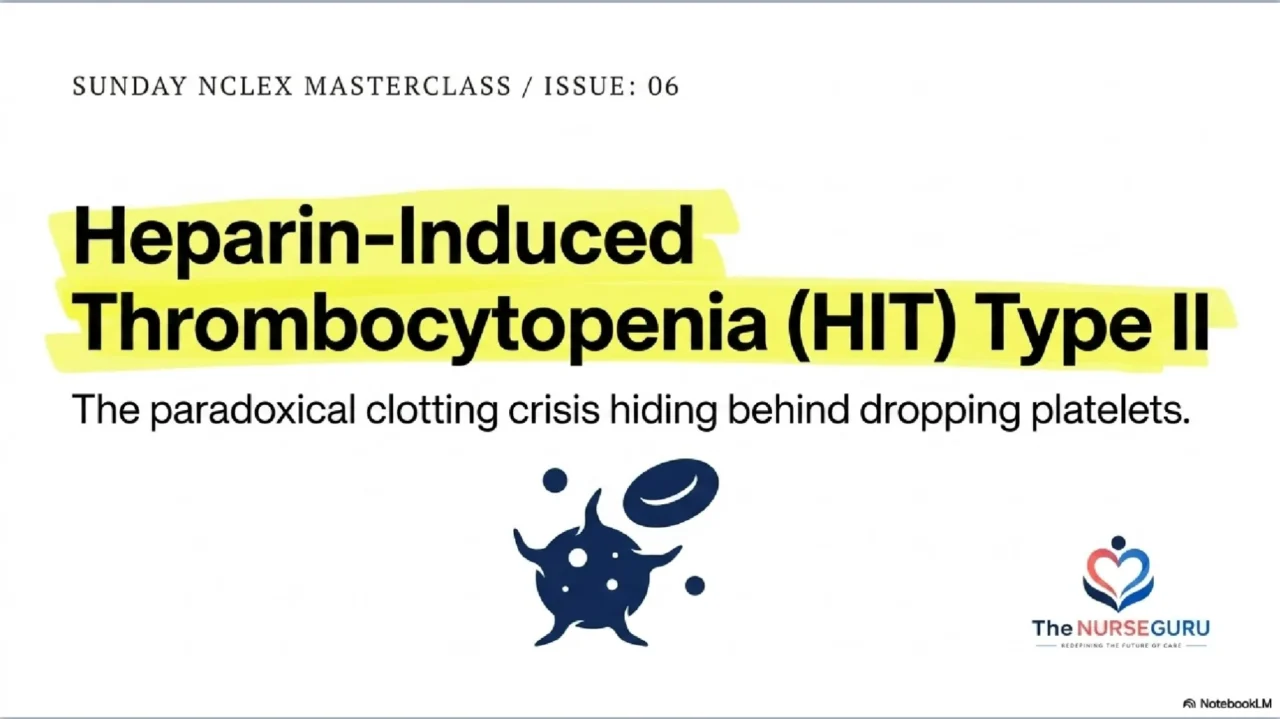
“Issue No 06
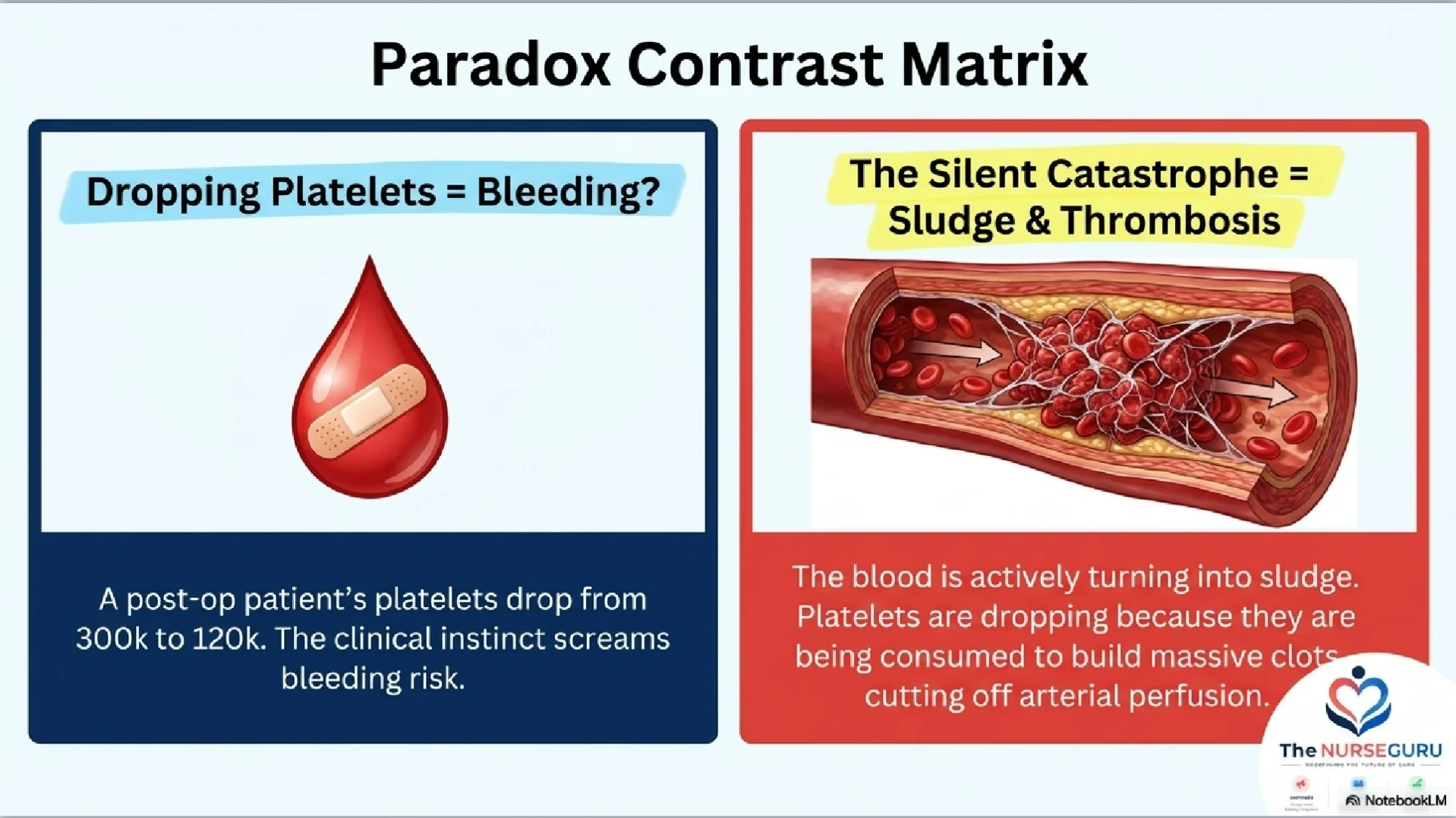
Low platelets doesn’t mean bleeding. Sometimes it means Clots.
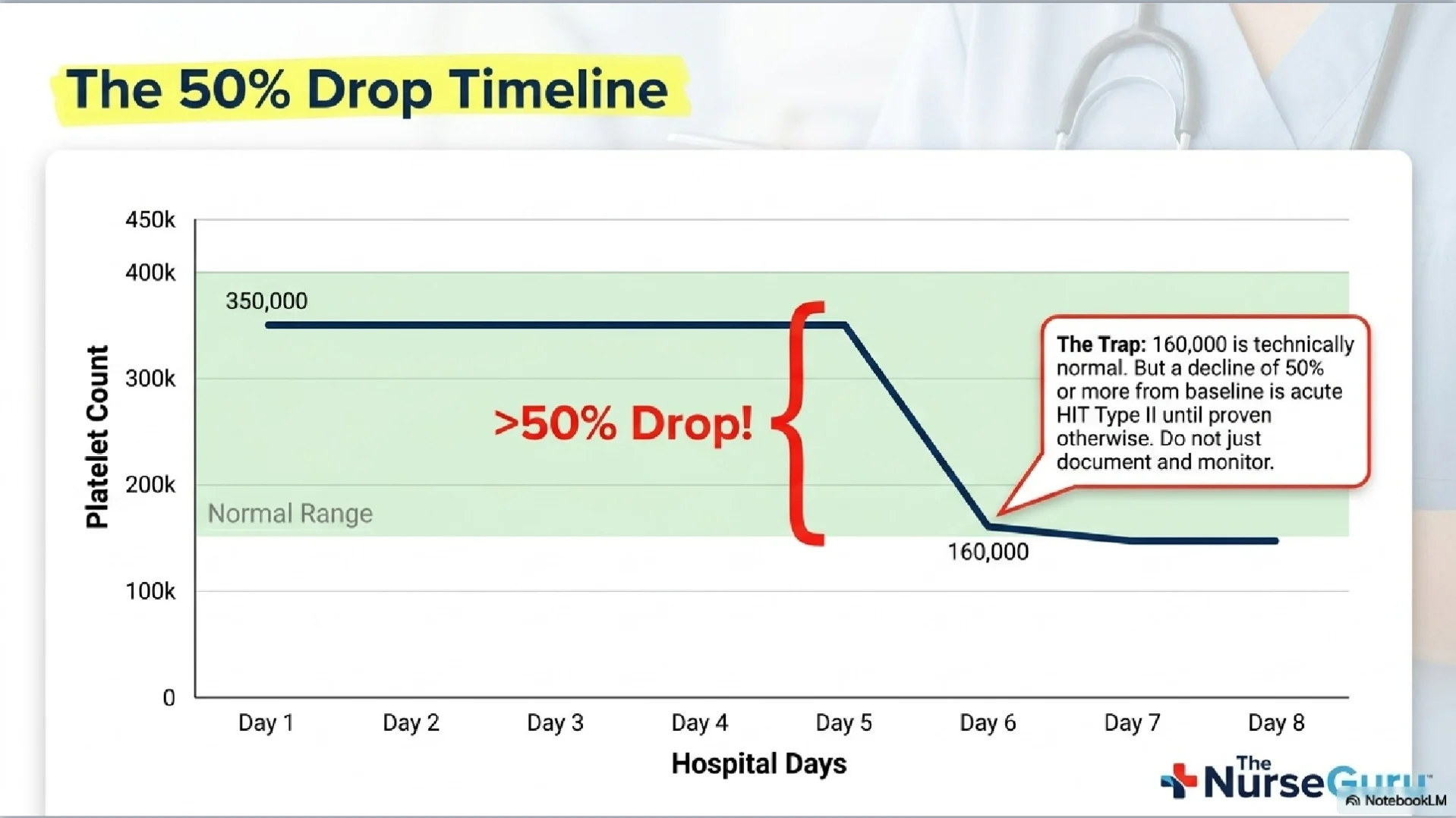
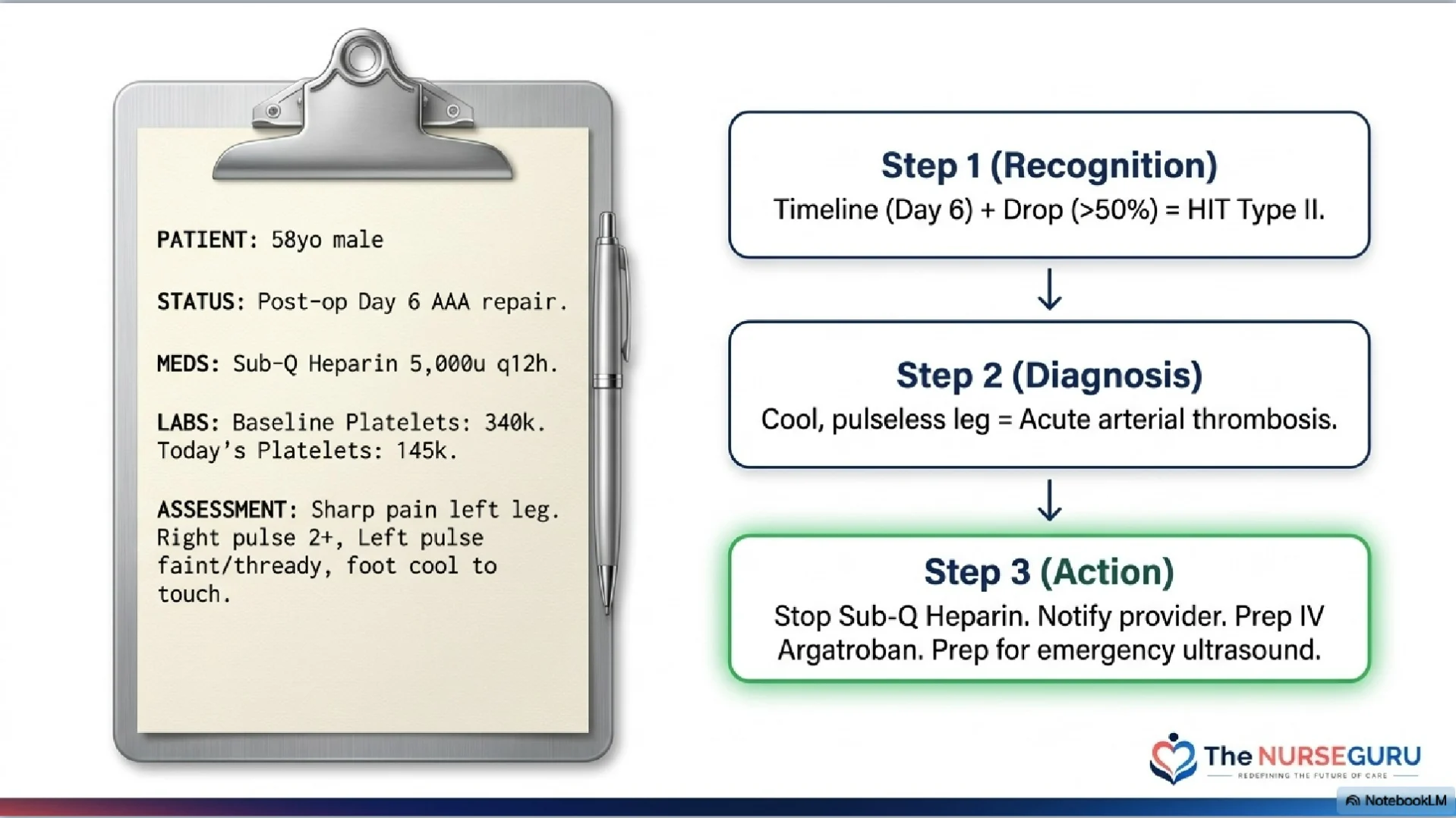
A post-op patient on Heparin develops a sudden platelet drop from 300,000 to 120,000/mm³.
Most clinicians think:
Bleeding Risk
But the real danger is often far worse:
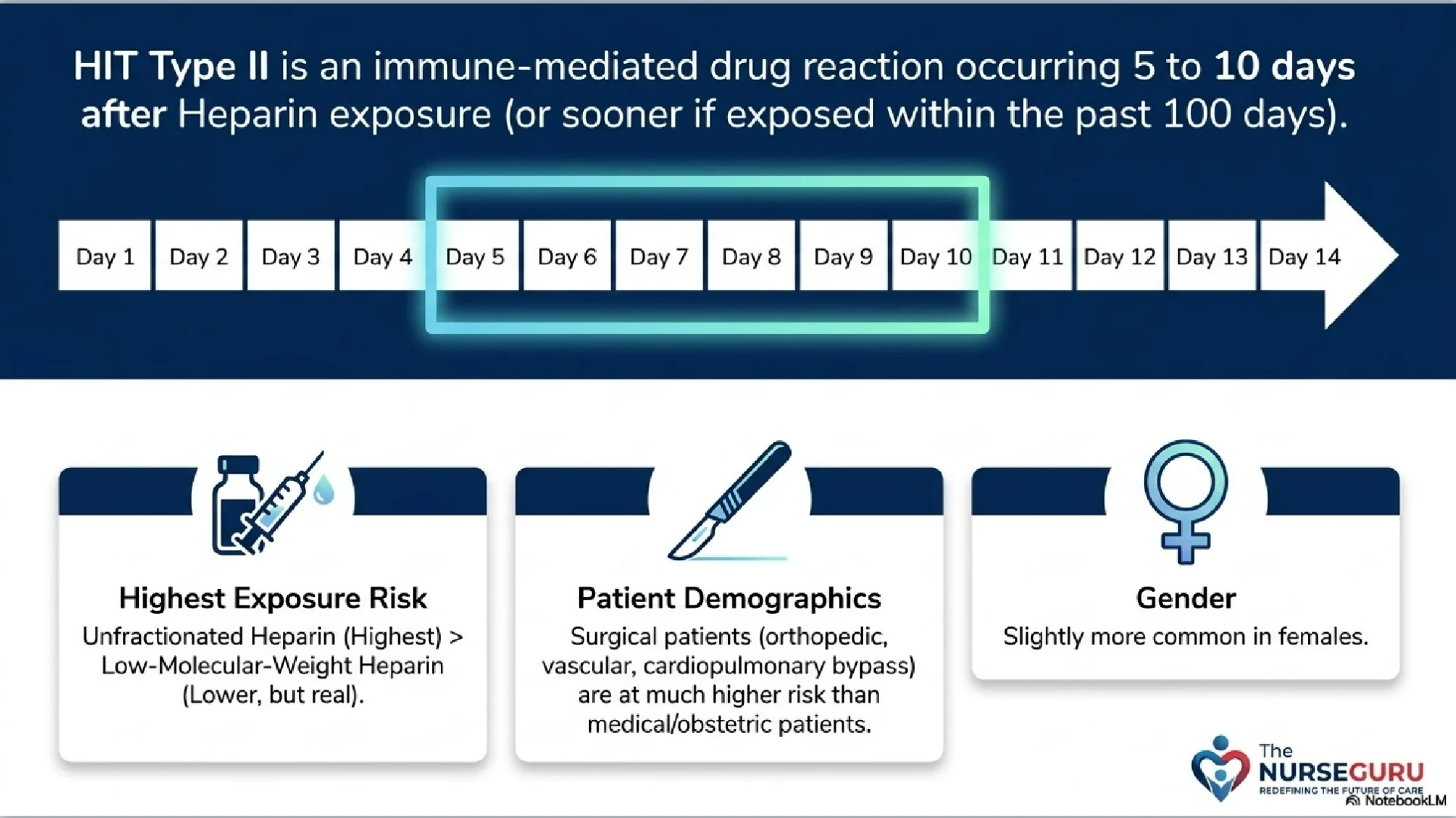
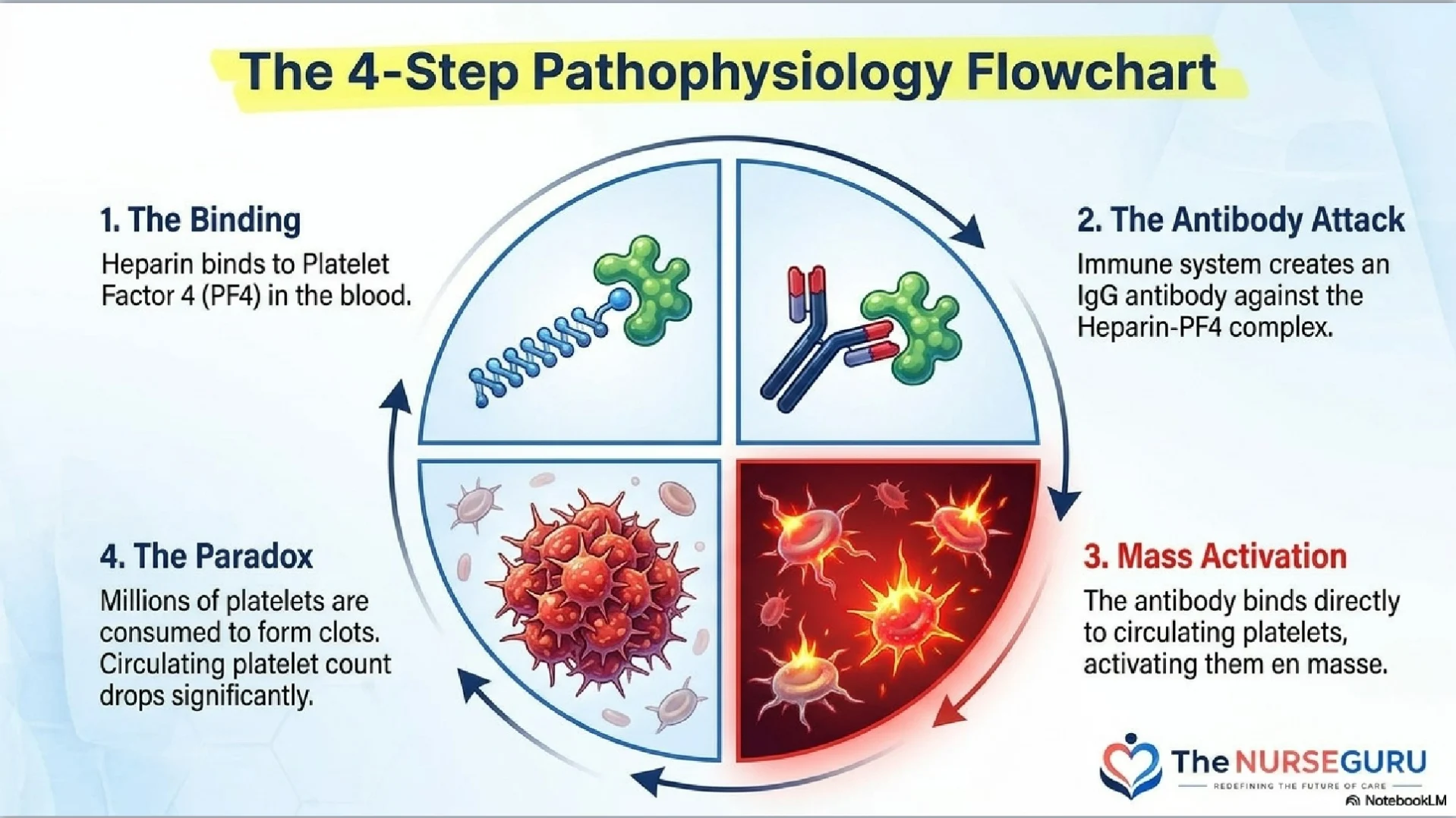
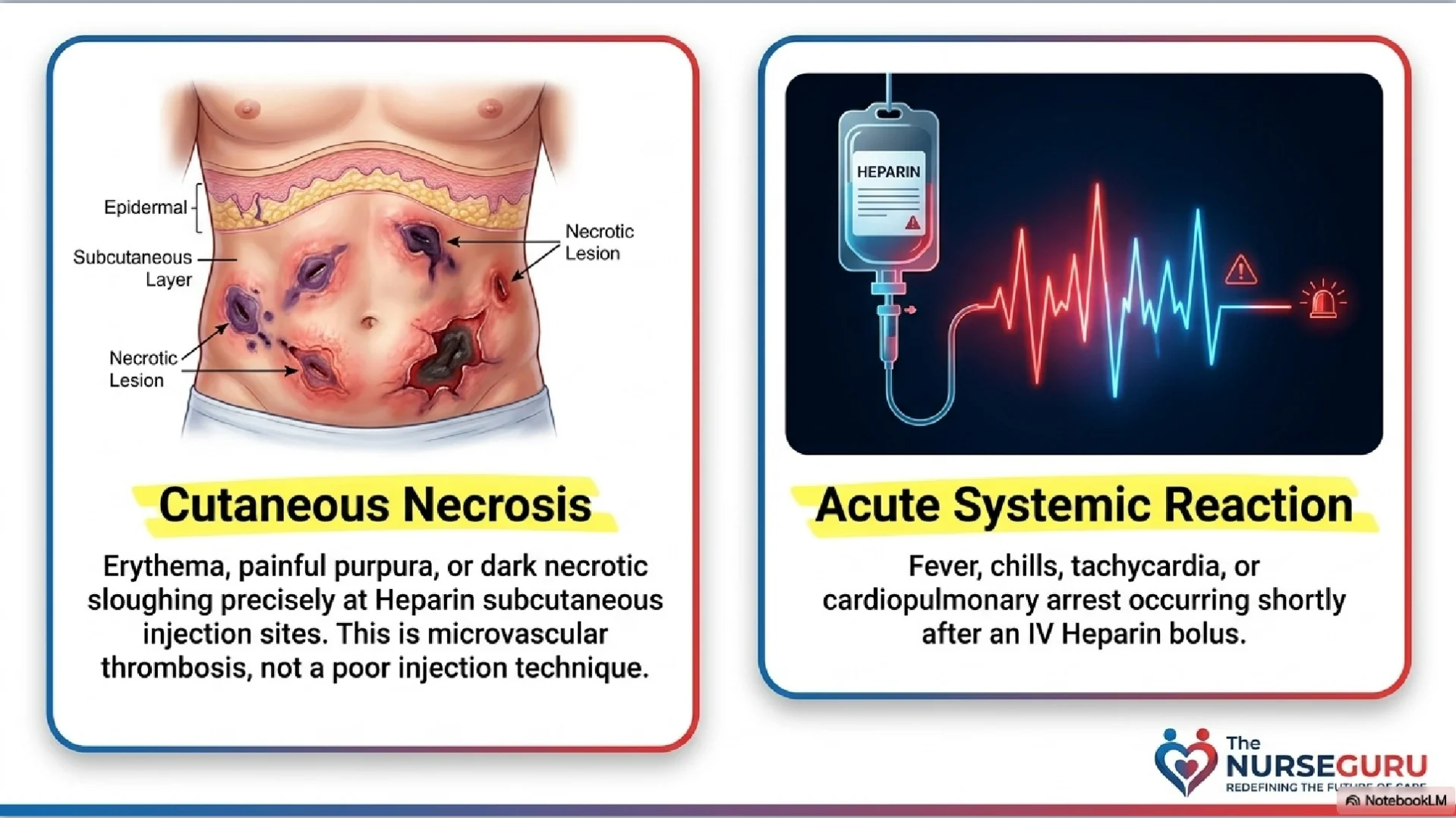
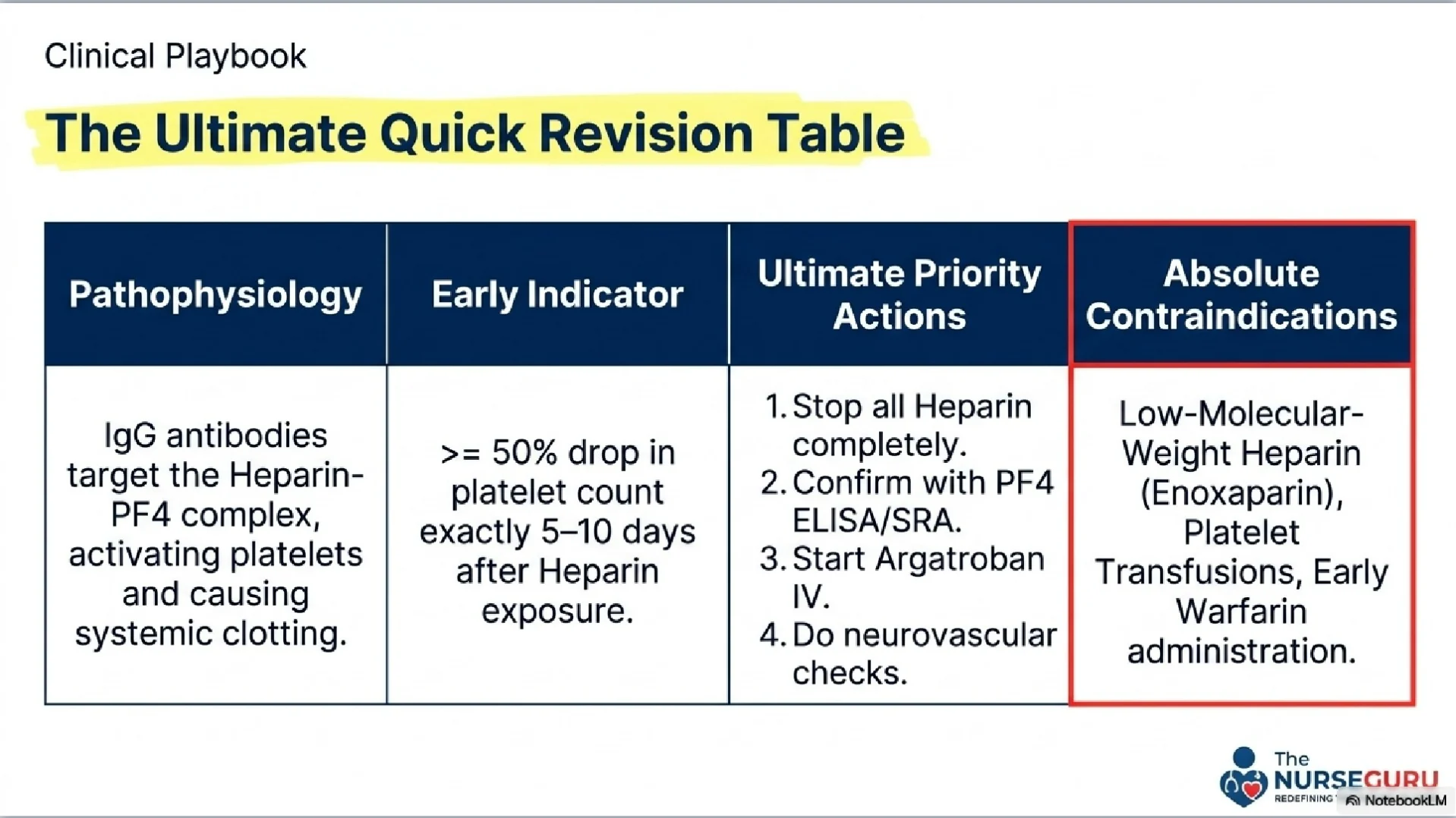
Heparin-Induced Thrombocytopenia (HIT) Type II
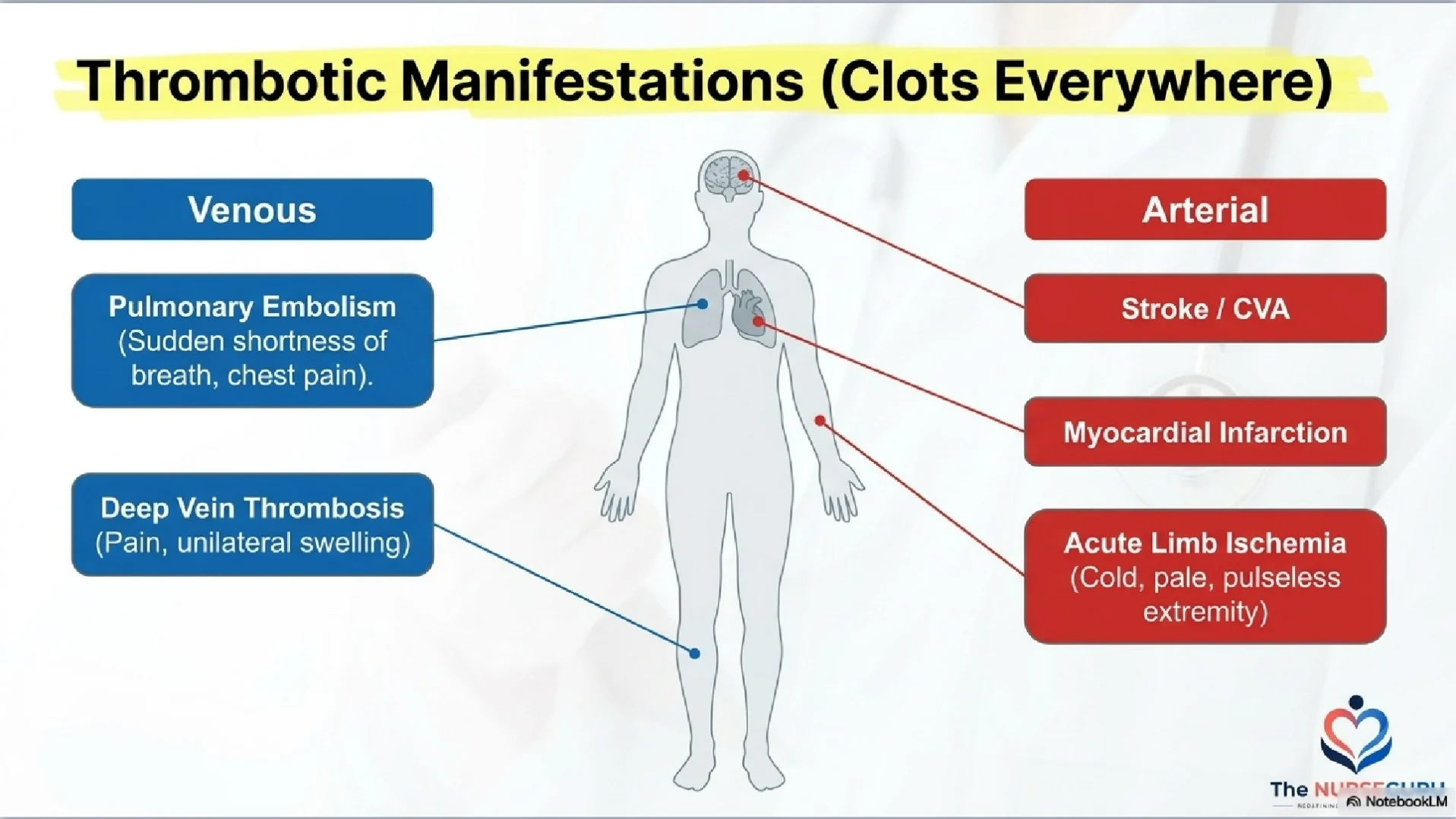
In HIT, platelets are not disappearing – they are being consumed to form dangerous clots that can cause:
- Deep Vein Thrombosis (DVT)
- Pulmonary Embolism (PE)
- Stroke
- Acute Limb Ischemia
- Amputation
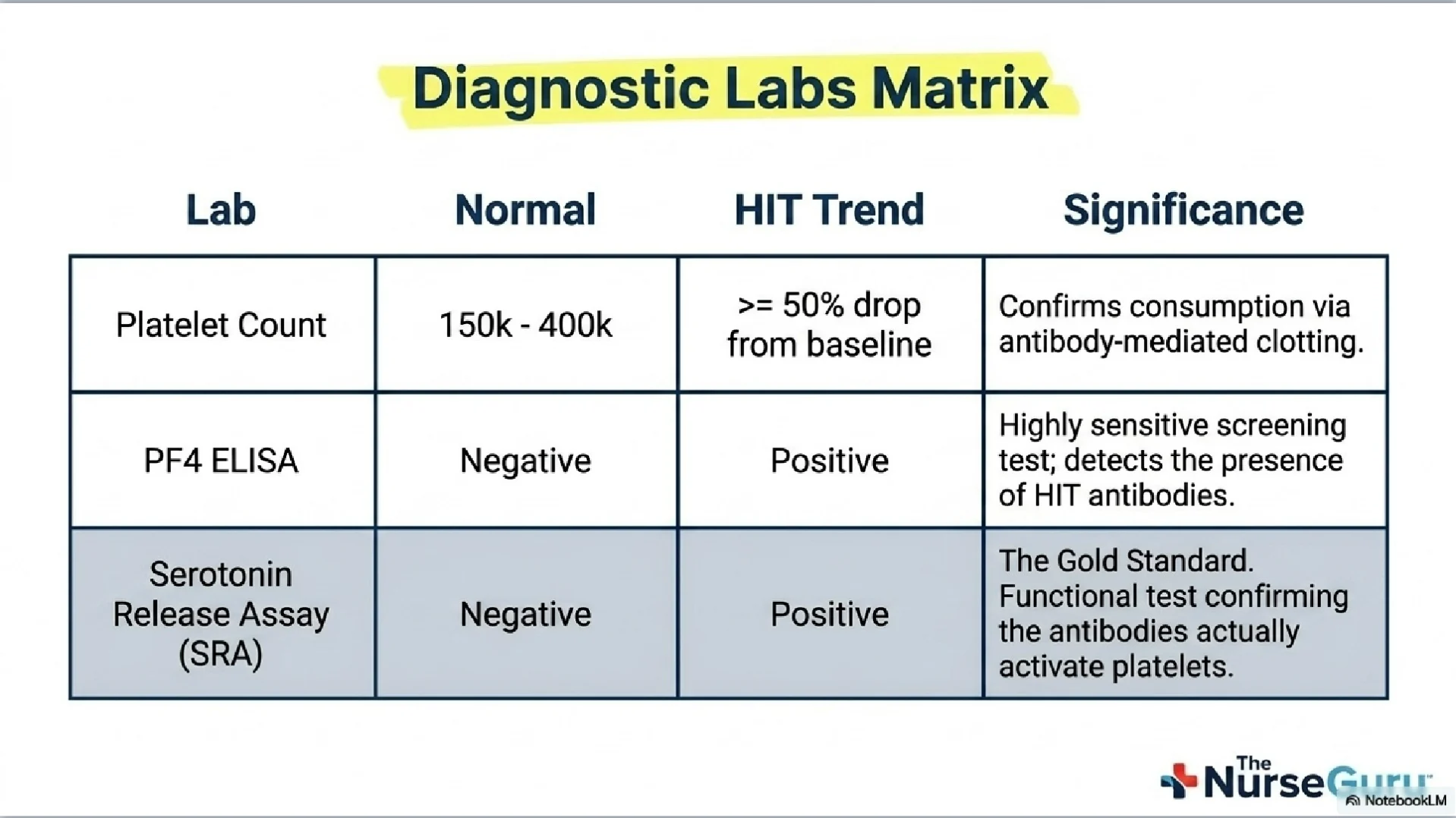
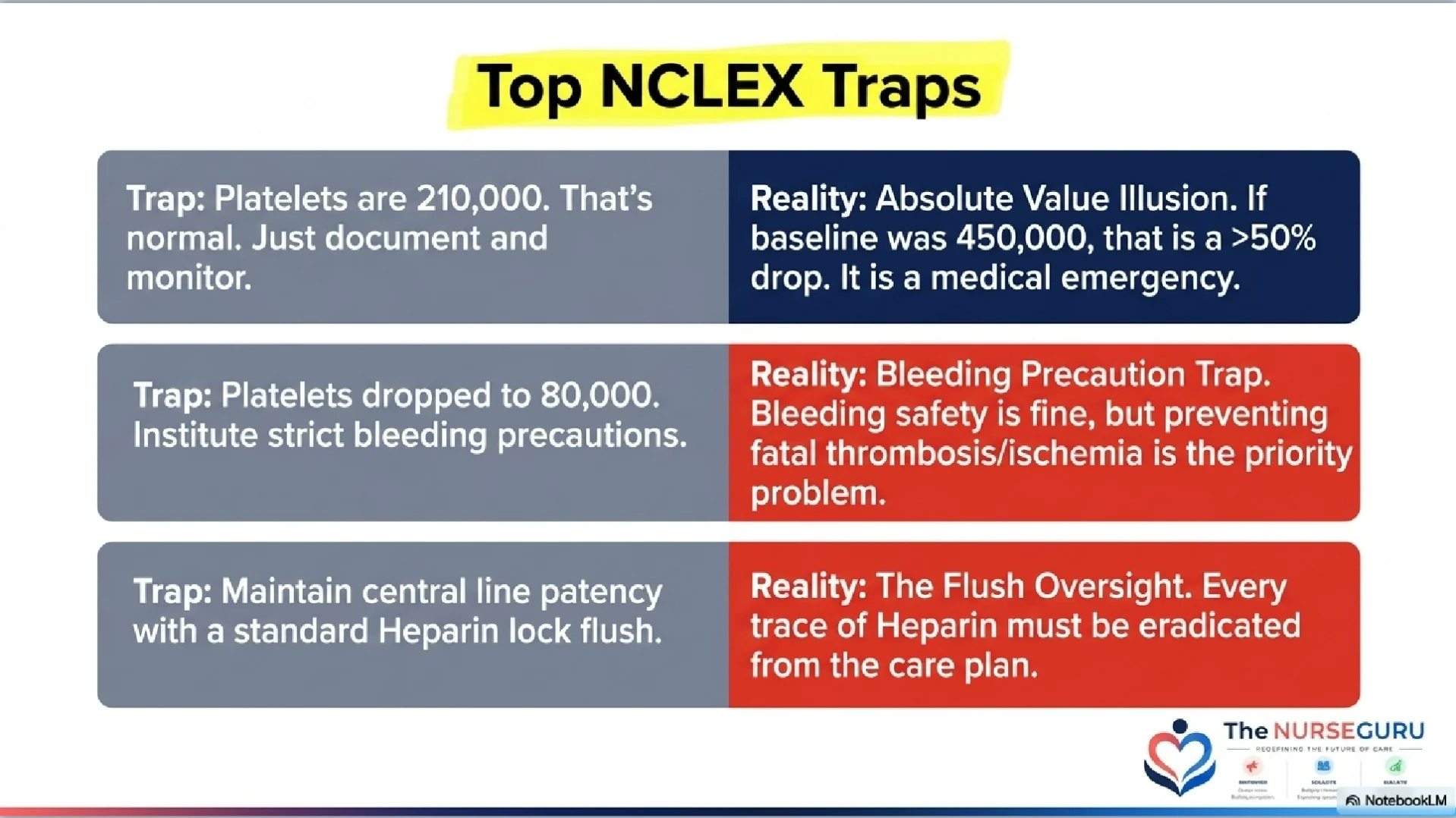
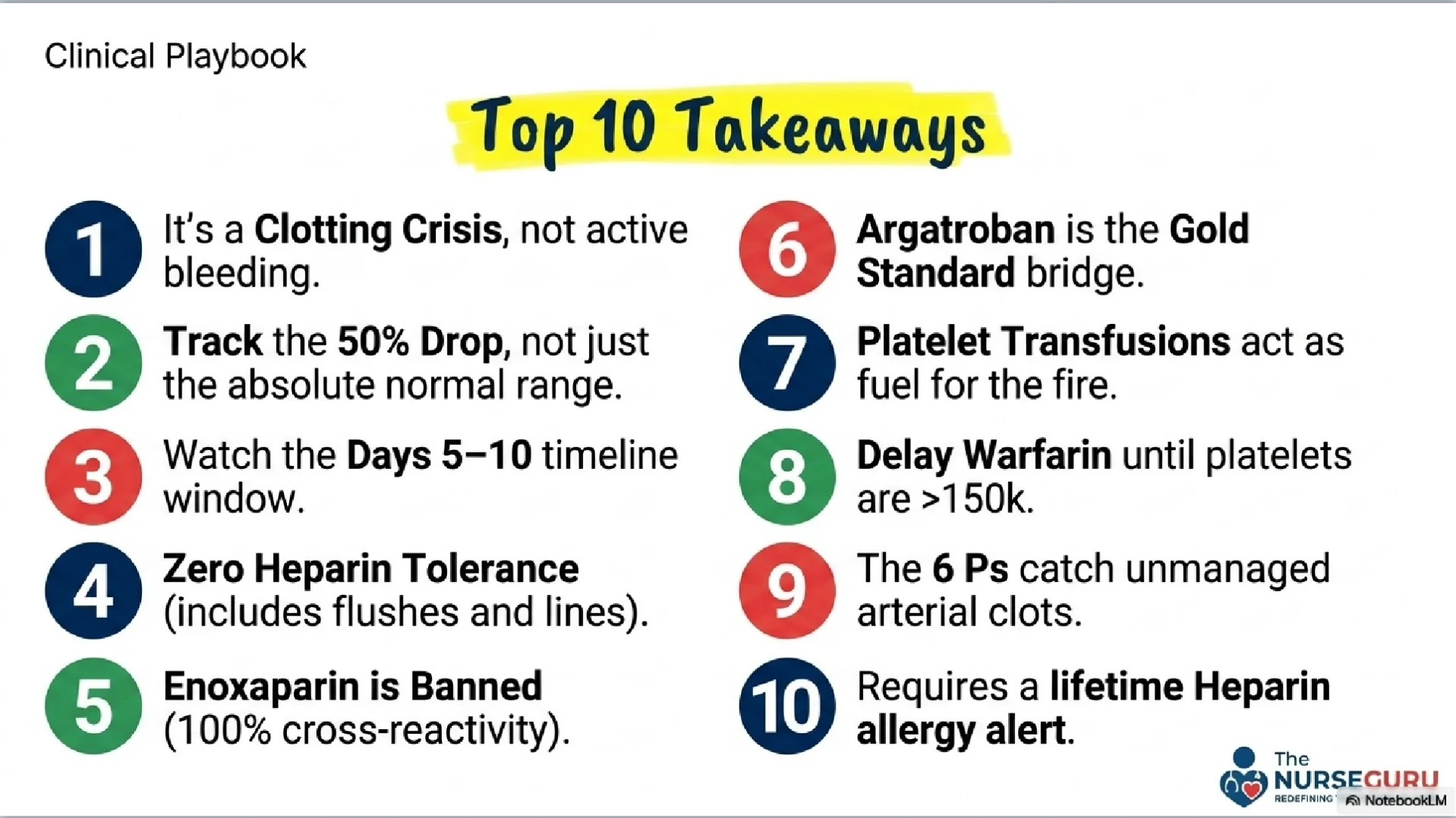
NCLEX Pearl: A platelet count can still be ‘normal’ and yet indicate HIT if it has fallen by ≥50% from baseline.
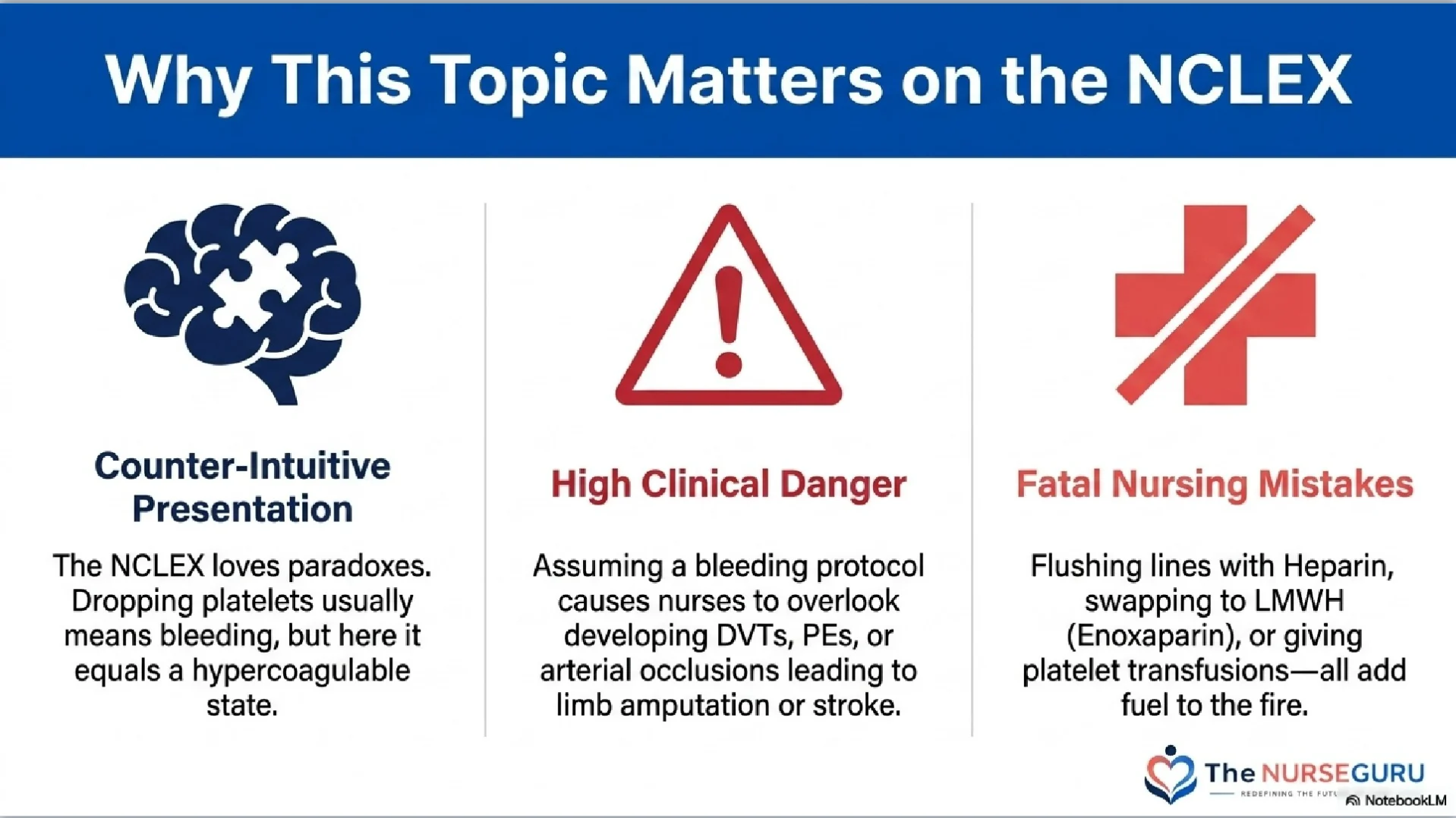
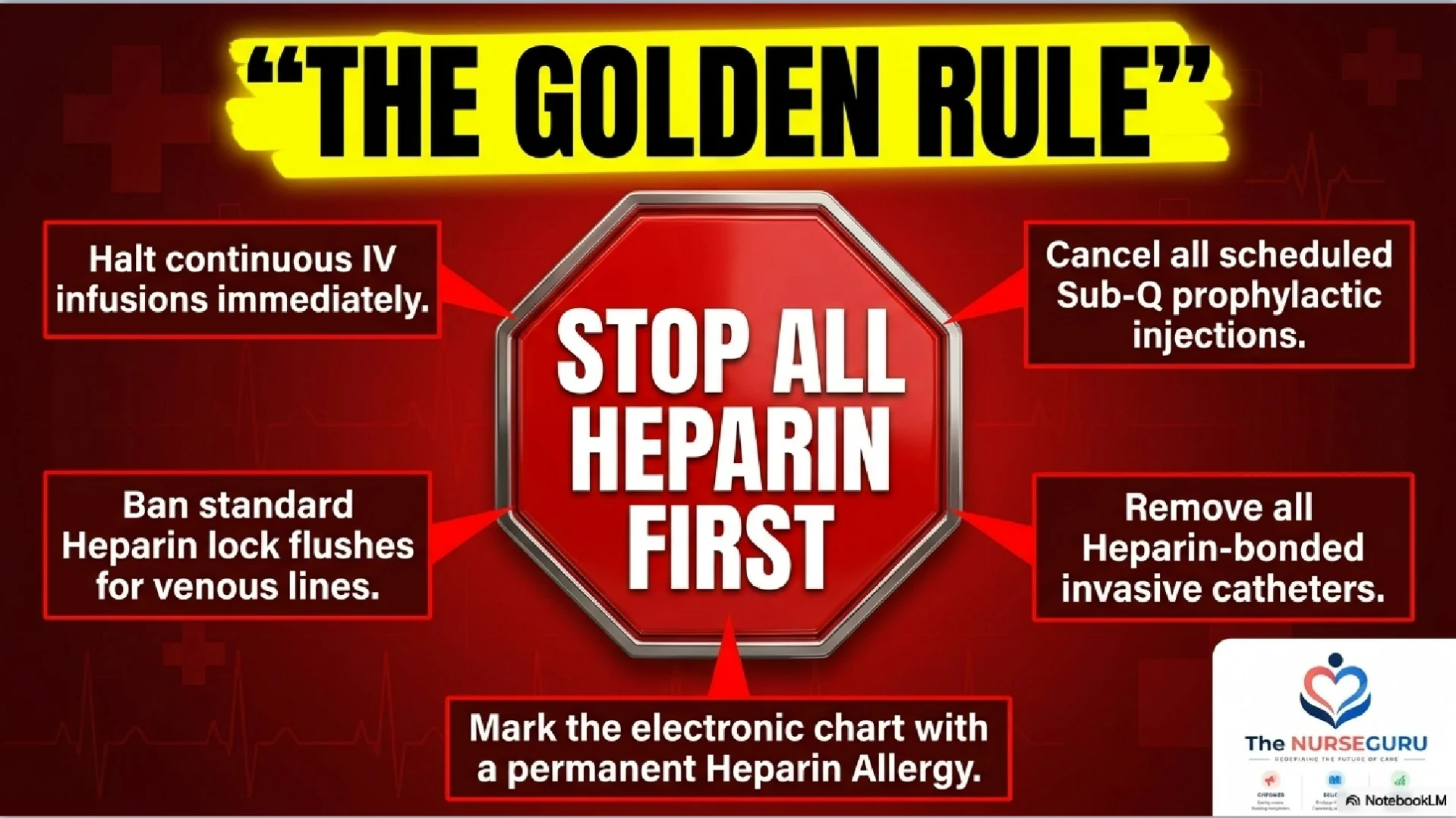
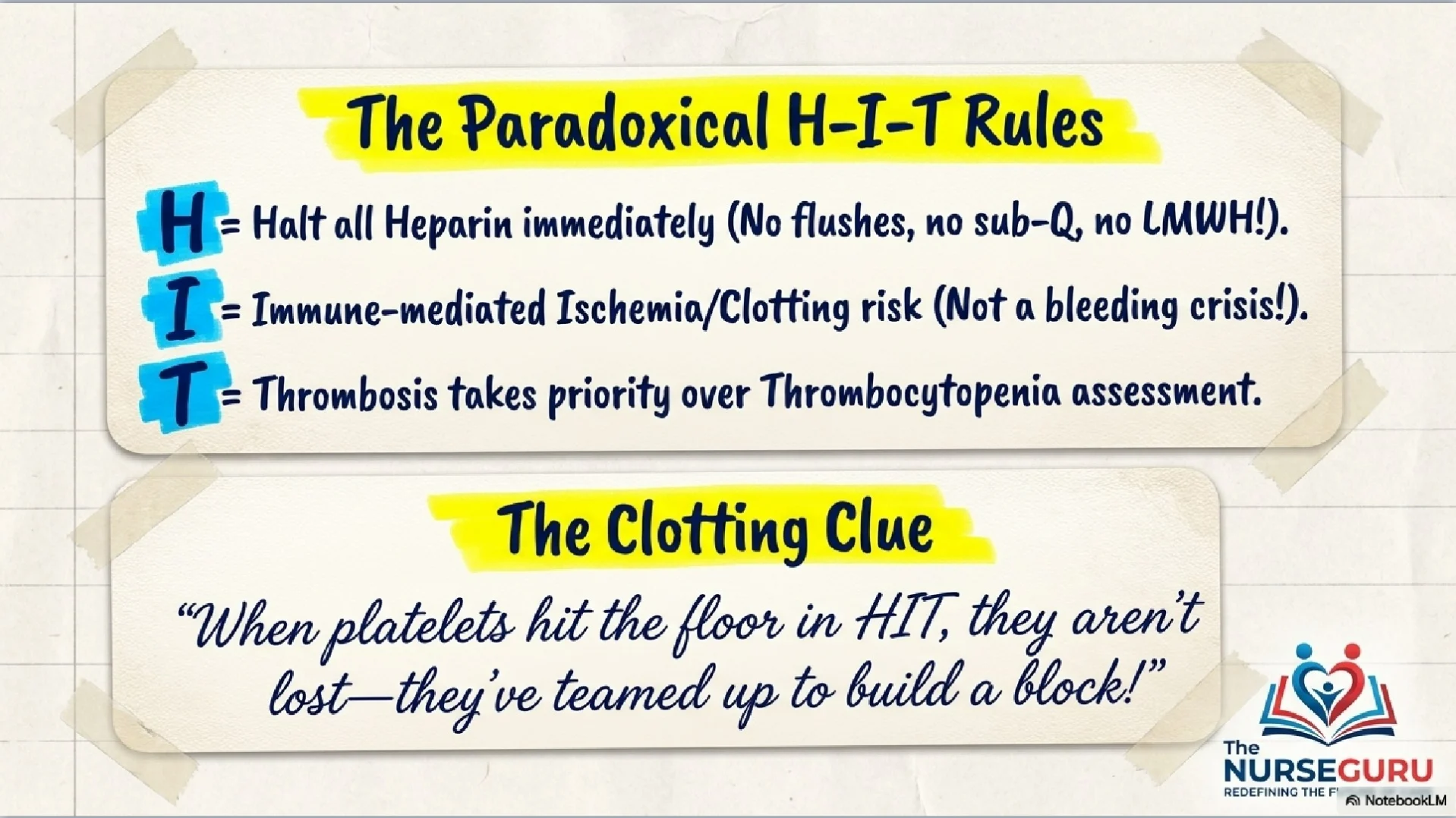
- Stop ALL forms of Heparin immediately
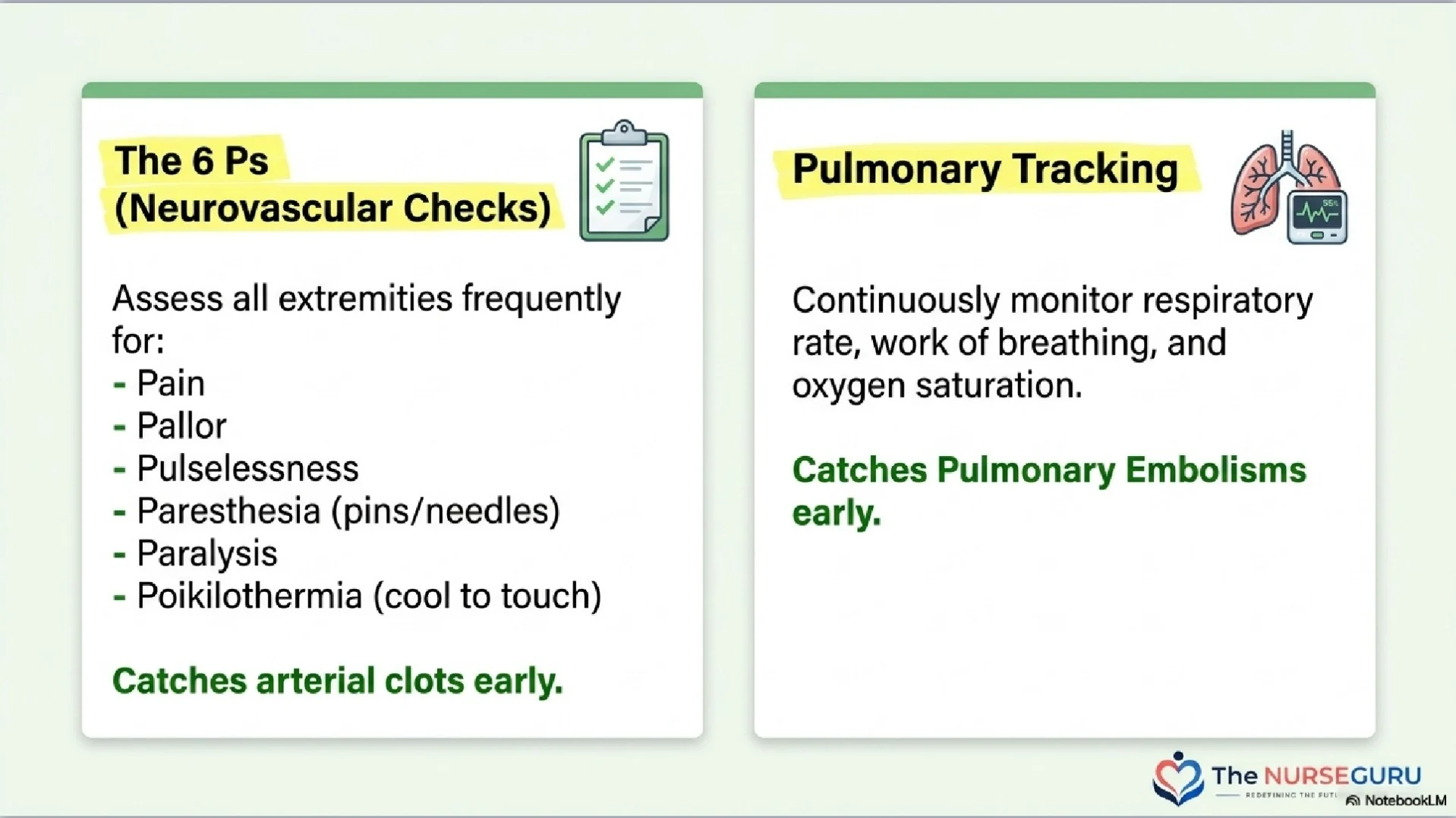
- Monitor for signs of thrombosis, not just bleeding
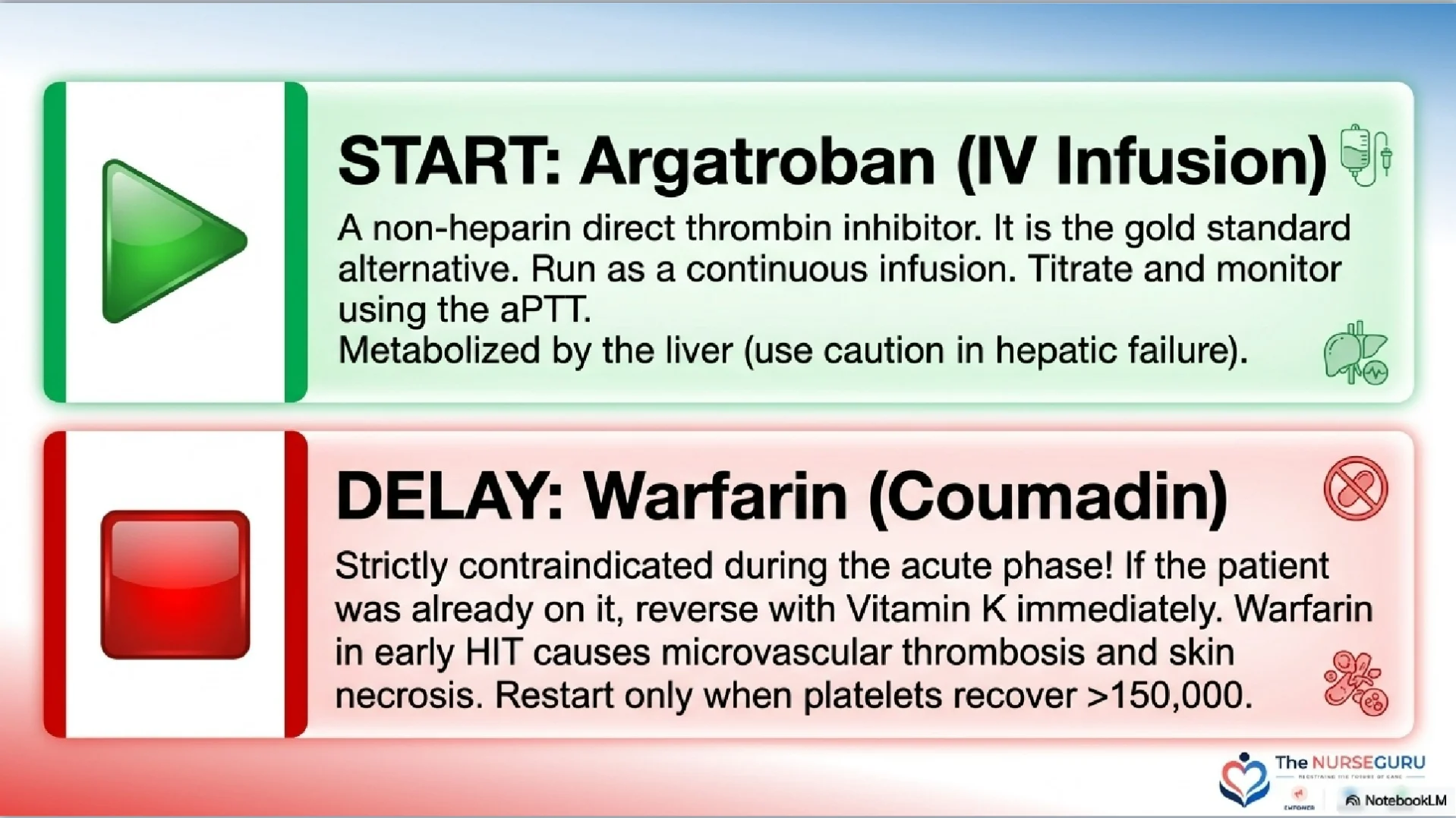
- Anticipate alternative anticoagulation (e.g., Argatroban)
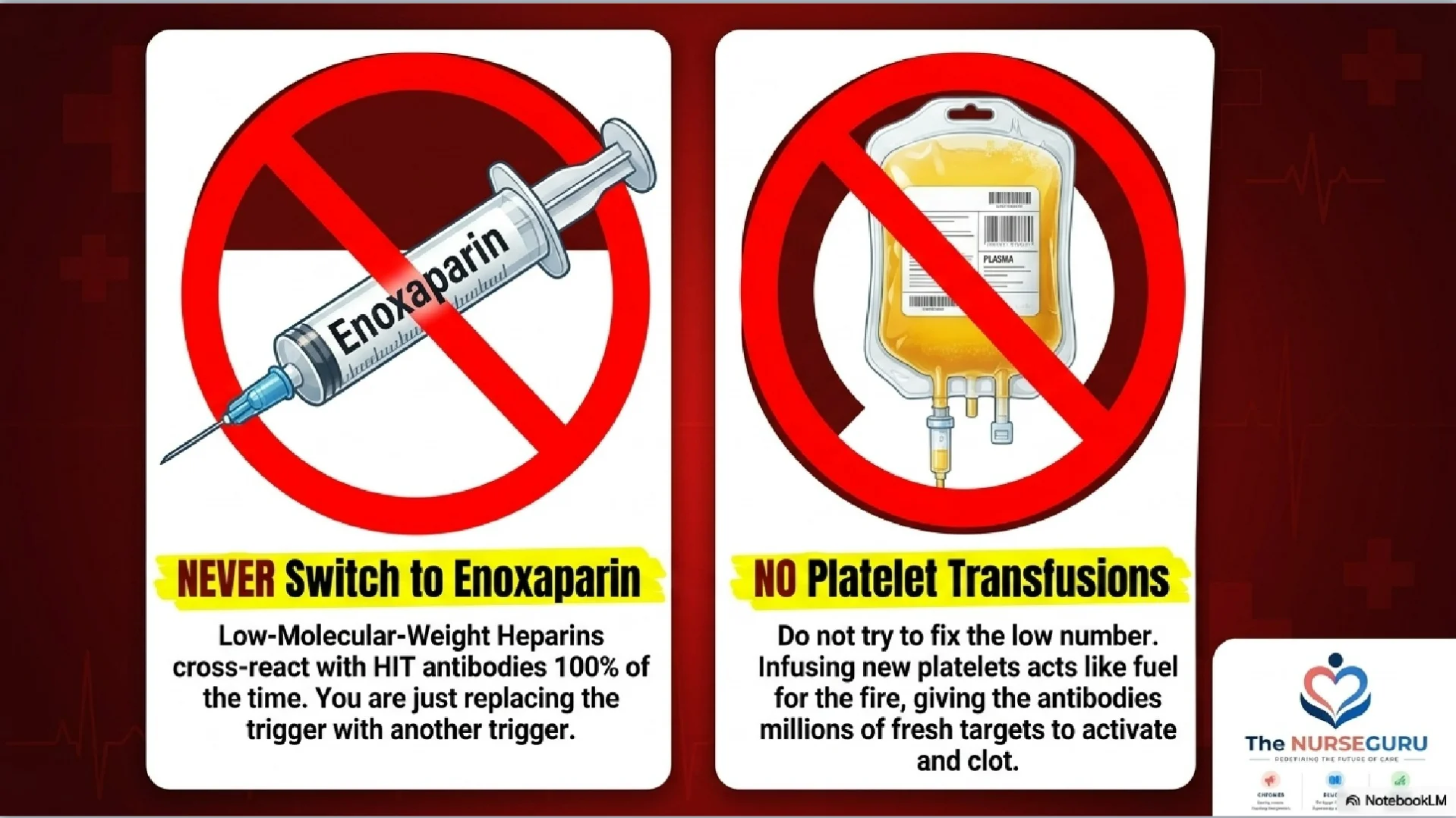
- No LMWH (Enoxaparin)
- No routine platelet transfusions
- No early Warfarin
Remember:
HIT is the same as Clotting Crisis with a Low Platelet Count
Save this post for your NCLEX review and share it with a fellow nurse preparing for boards or critical care practice.”
Stay updated with Hemostasis Today.
-
Sep 27, 2026, 15:49Rana Al-Hrout: Iron Deficency – Is Ferritin 15ng/mL or Less Still the Cutoff?
-
Sep 27, 2026, 15:49Ayushi Sharma: What I Thought Transfusion Medicine Would Be vs What It Actually Is
-
Sep 27, 2026, 15:48William Wallace: How Much Human Research Is Behind the Supplements We Take?
-
Sep 27, 2026, 15:46Franck Perraudin: Lp(a) Lowering Alone May Not Be Enough
-
Sep 27, 2026, 15:41Ahmed Hamandi: Sharing Real-World HSCT Experience at the Iraqi Society of Haematology Conference
-
Sep 27, 2026, 15:39Co-creating Digital Support With Young Stroke Survivors – European Stroke Organisation
-
Sep 27, 2026, 15:39Eleri Schiavone: Celebrating 80 Years of the Welsh Blood Service
-
Sep 27, 2026, 15:38Jessica Garcia: Standing Where VWD Was First Recognized 100 Years Later
-
Sep 27, 2026, 15:37Heghine Khachatryan: A Meaningful Step Forward for Inherited Blood Disorders in Africa