

Mohamed Hanafy Morsy/LinkedIn
May 22, 2026, 11:43
Mohamed Hanafy Morsy: Understanding Hemochromatosis – Genetics Made Simple
Mohamed Hanafy Morsy, Associate Professor of Clinical Pathology, Hematopathologist at Makkah Health Cluster, shared a post on LinkedIn:
“Understanding Hemochromatosis: Genetics Made Simple
Iron overload disorders can be complex, but these two visuals make it much easier to grasp:
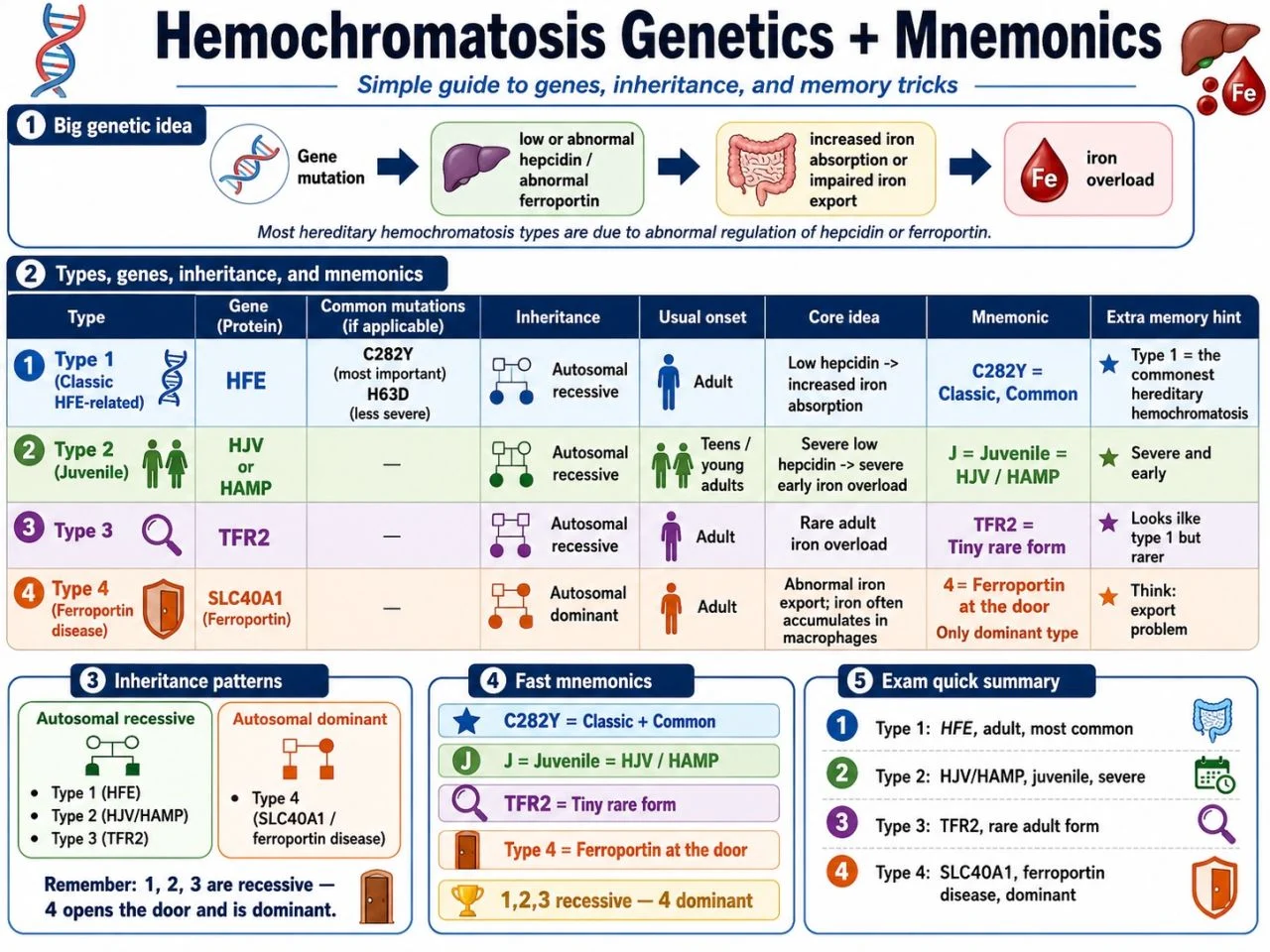
- Genetics and mnemonics: A clear breakdown of the genes (HFE, HJV, HAMP, TFR2, SLC40A1), inheritance patterns, and memory aids to remember the four main types of hereditary hemochromatosis.
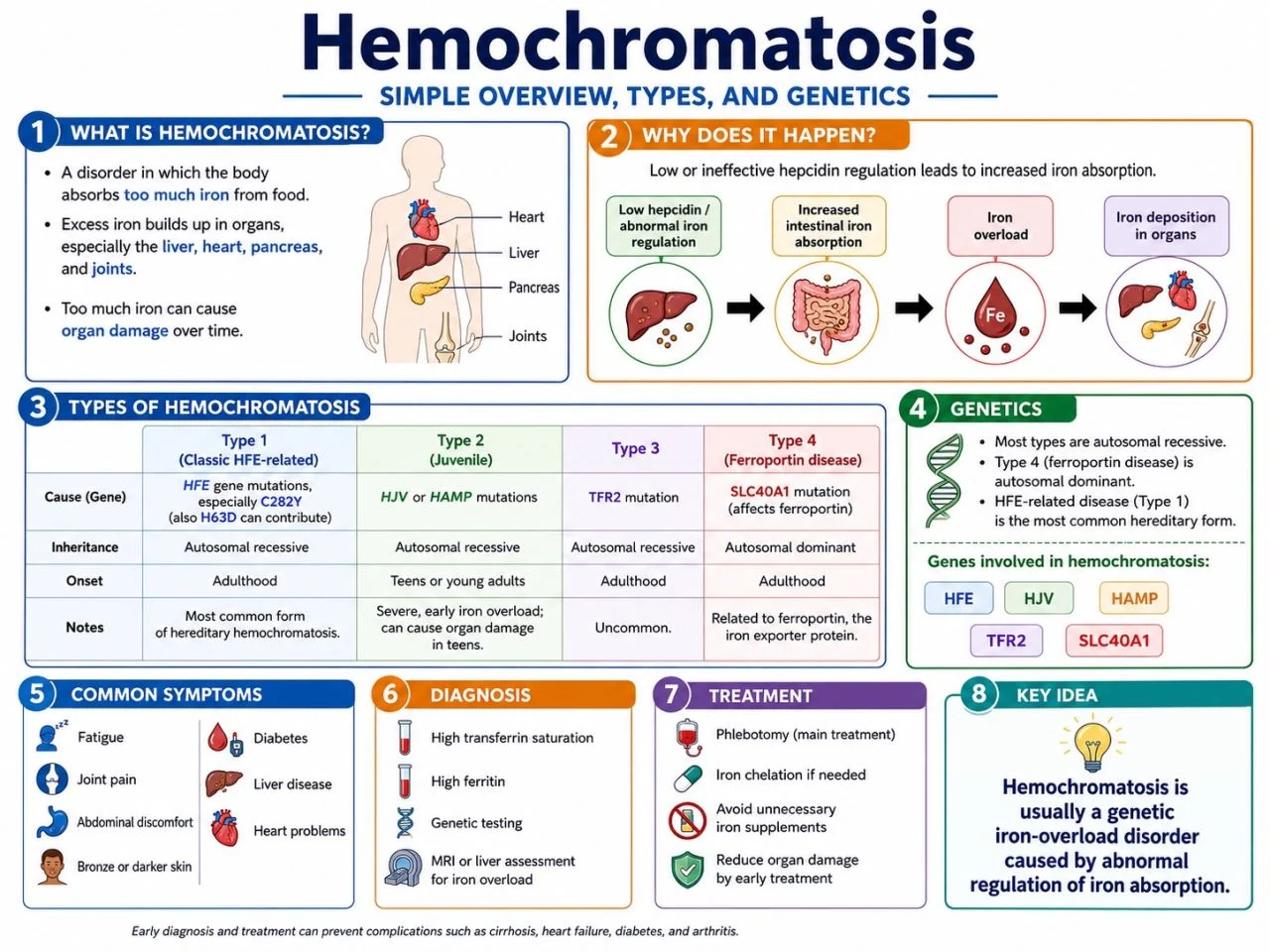
- Overview, types and key facts: Shows why iron overload occurs, the organs affected, common symptoms, diagnostic methods, and treatment approaches including phlebotomy and iron chelation.
Why it matters: Early recognition of hemochromatosis is critical to prevent liver damage, diabetes, heart disease, and joint issues.
These diagrams simplify the concepts for students, clinicians, and healthcare professionals alike.
Takeaway: Genetics plus visual learning equals faster understanding and better patient care.”
See more in the gallery.
Stay updated with Hemostasis Today.
-
Nov 23, 2026, 09:00Tashim Anwar: Advancing Transfusion Safety Through NAT Screening
-
Nov 23, 2026, 08:47Perioperative Management of Factor XI/XIa Inhibitors and Emerging Anticoagulation Strategies – JTH
-
Nov 23, 2026, 08:35Maria Elisa Mancuso: Advancing AAV Gene Therapy Toward Safe and Durable Cures
-
Nov 23, 2026, 08:24Michael Graham: Red Blood Cell Margination and Endothelial Dysfunction in Hematological Disorders
-
Nov 23, 2026, 08:21David McIntosh: Plasma Donation and Access to Life-Saving Medicines
-
Nov 23, 2026, 08:10Omar Almutairi: Is Blood Compatibility Really Just About ABO and Rh?
-
Nov 23, 2026, 07:27Andreas Calatzis: The Origins of Thromboelastography and Its Role in Coagulation Research
-
Nov 23, 2026, 06:31Chaza Alaji: Beyond Donor Blood Exploring Artificial Blood Alternatives and Advanced Red Cell Therapies
-
Nov 23, 2026, 04:09Rucha Patil: HEMSETU 2026 – Bridging Scientific Advances and Clinical Practice in Haemophilia Care