

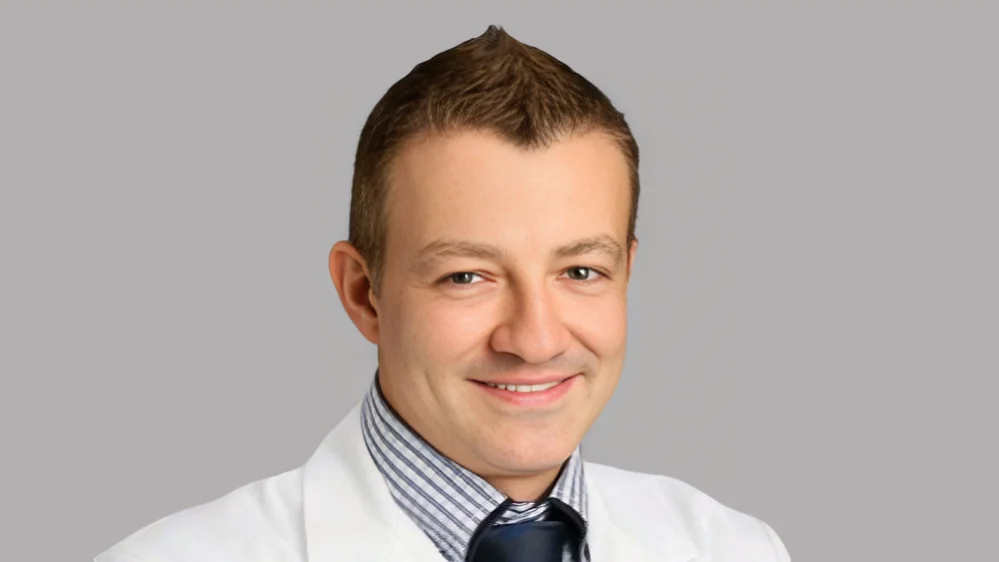
Mohammed Alo: Arteries And Veins Are Structurally Built For Different Jobs
Mohammed Alo, Fellow of the American College of Cardiology at American College of Cardiology, shared a post on LinkedIn:
“Arteries get clogged. Veins almost never do.
That single fact contains the entire story of what causes heart disease.
And no, it is not just about cholesterol floating around in your blood.
I am a board-certified cardiologist.
I have spent over two decades watching patients survive heart attacks, strokes, and bypass surgeries. I have placed stents in arteries. I have watched surgeons harvest veins from legs to use as coronary bypass grafts. And every single time, the question should be asked.
Why did the artery fail?
Why did the vein survive?
Here is what the science actually says.
Arteries And Veins Are Structurally Built For Different Jobs
Arteries and veins are not the same tube carrying the same blood in different directions. They are fundamentally different structures built under fundamentally different conditions.
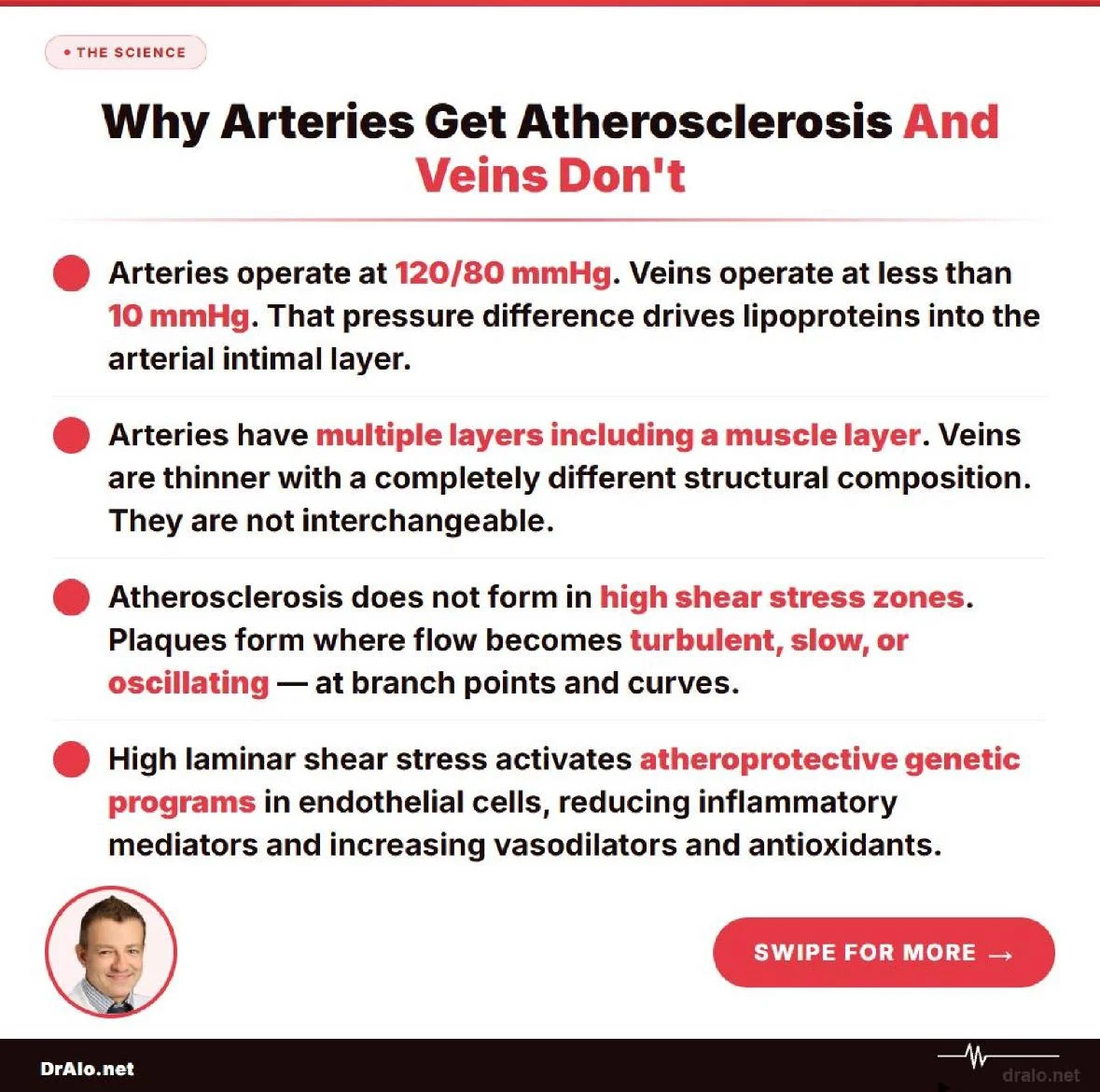
Arteries carry oxygenated blood away from the heart under high pressure. Every heartbeat sends a forceful wave of pressure slamming into arterial walls.
Arterial walls are thick. They contain multiple layers of smooth muscle. They are built to handle the stress of 60 to 100 pressure surges every minute, every hour, every day for a lifetime.
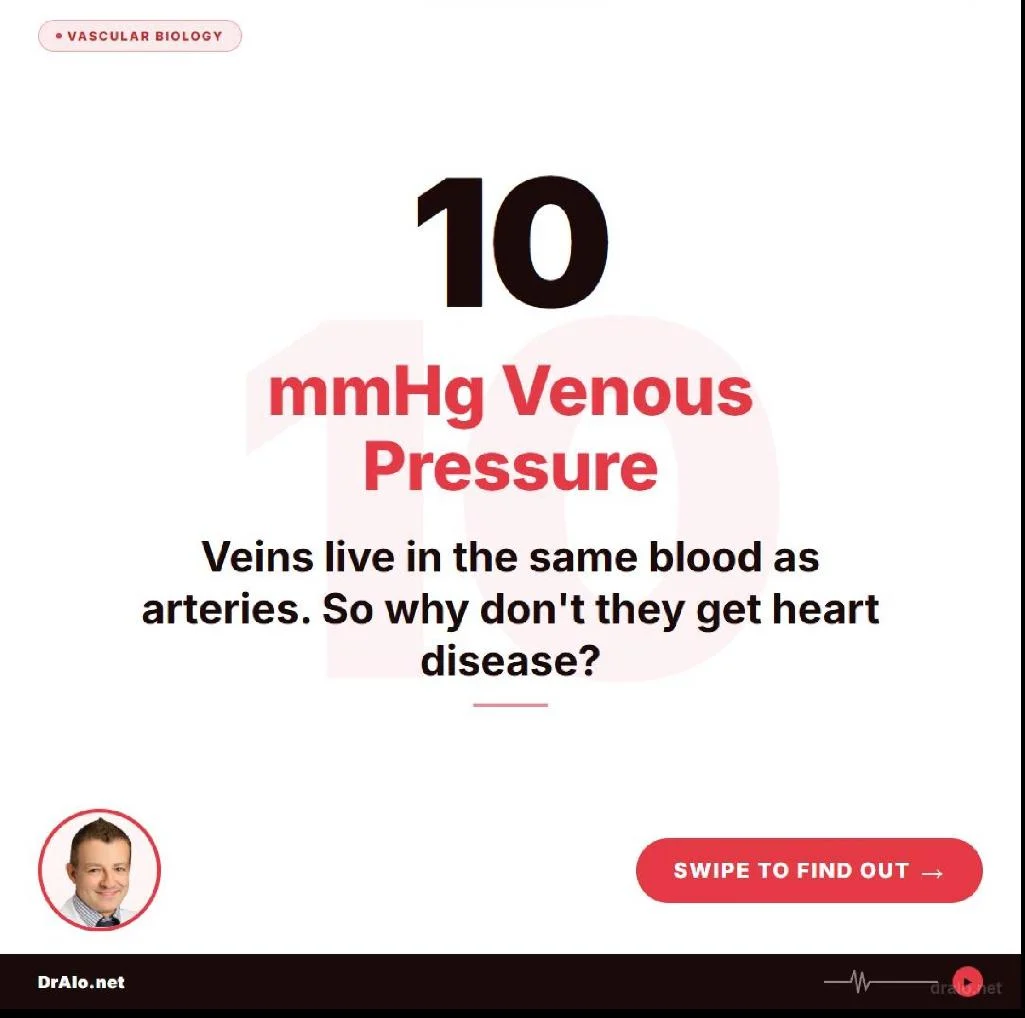
Veins carry deoxygenated blood back to the heart under low pressure. Venous pressure is roughly 10 to 15 mmHg. Arterial pressure is 80 to 120 mmHg.
That is not a small difference. That is a 6 to 12 times greater mechanical force constantly battering arterial walls.
The Pressure Difference Is The Trigger
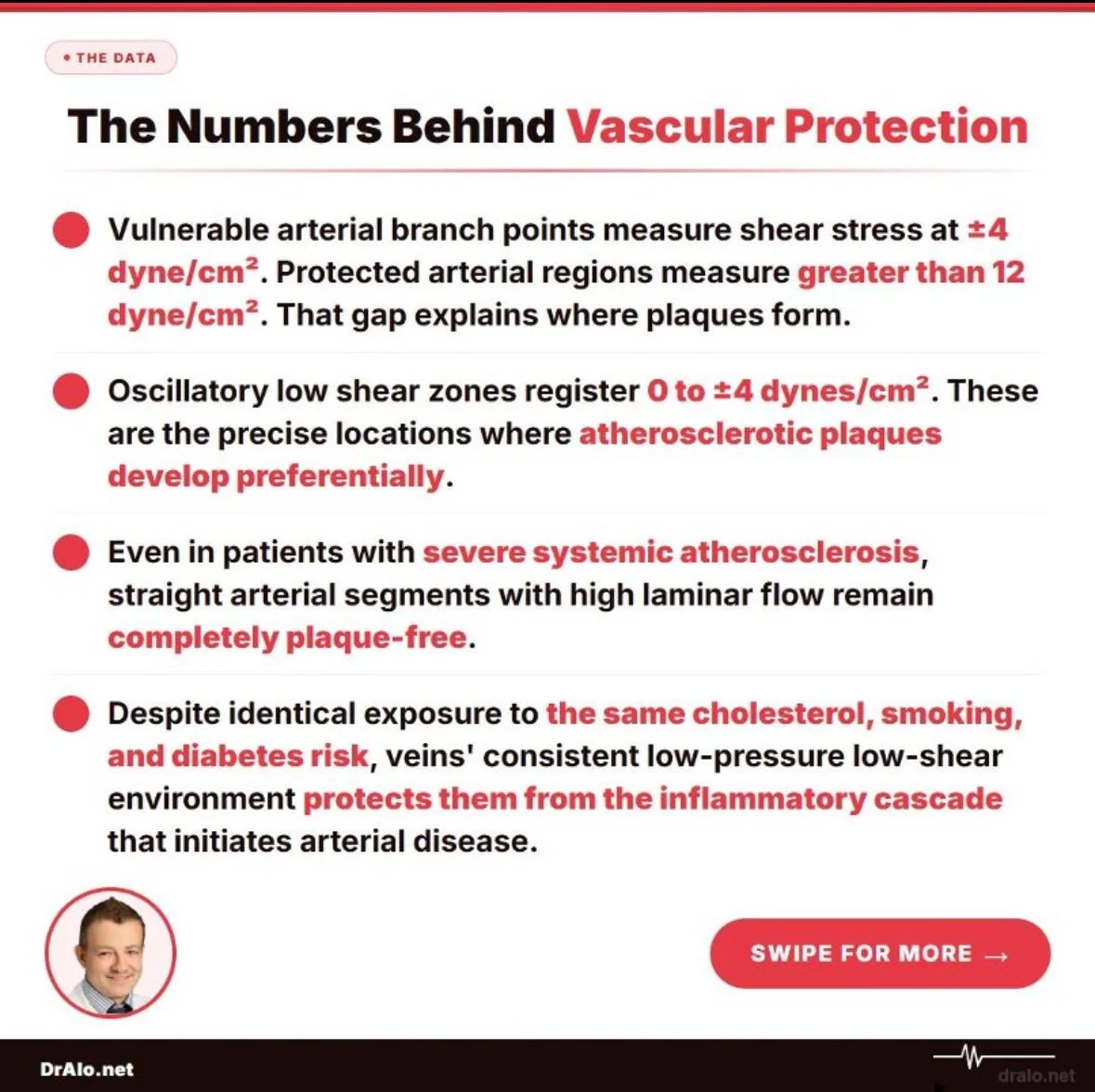
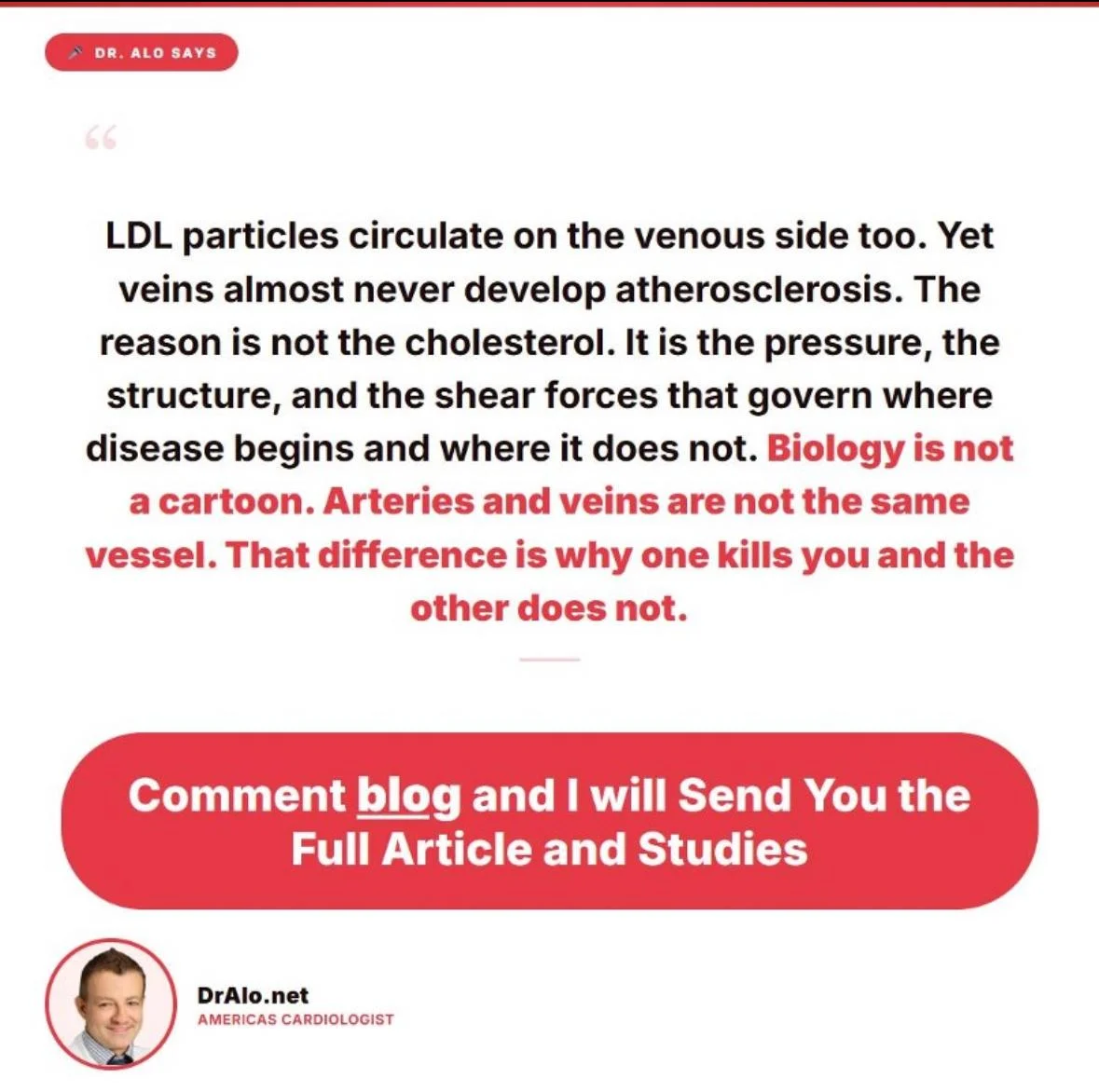
Atherosclerosis does not start with cholesterol. It starts with endothelial injury.
The endothelium is the single-cell lining inside every blood vessel. In arteries, that lining faces relentless mechanical shear stress from pulsatile high-pressure flow. That stress, especially at bends and branch points in arteries, activates inflammatory signaling, damages the endothelial layer, and creates entry points for LDL particles to embed in the arterial wall.”
Stay updated with Hemostasis Today.
-
Sep 19, 2026, 03:15Paulus Kirchhof: Europe’s Safe Hearts Plan to Reduce Cardiovascular Mortality
-
Sep 19, 2026, 03:10James Smith: Brain Training and Exercise for Cognitive Recovery After Stroke
-
Sep 19, 2026, 03:03Lesley Van Wyk: ASH Releases New Iron Deficiency Diagnosis Guidelines
-
Sep 19, 2026, 02:53Francisco Chacón-Lozsán: Acute Ischemic Stroke in 2026 – Expanding the Treatment Window
-
Sep 19, 2026, 01:53Thomas Dayspring: Understanding Genome and Lipid Interactions in Lipidology
-
Sep 19, 2026, 01:47Abdurrahman Tufan: Combination Targeted Therapy in Refractory Systemic Autoinflammatory Diseases
-
Sep 19, 2026, 01:44Patrick James Lynch: Mother of a Thousand Sons Premieres at BDC 2026
-
Sep 19, 2026, 01:41Genetic Fate Mapping Reveals Endothelial Cells During Venous Thrombus Resolution – RPTH Journal
-
Sep 19, 2026, 01:39Mostafa Hammam: Three Different Platelet Defects – One Common Symptom