

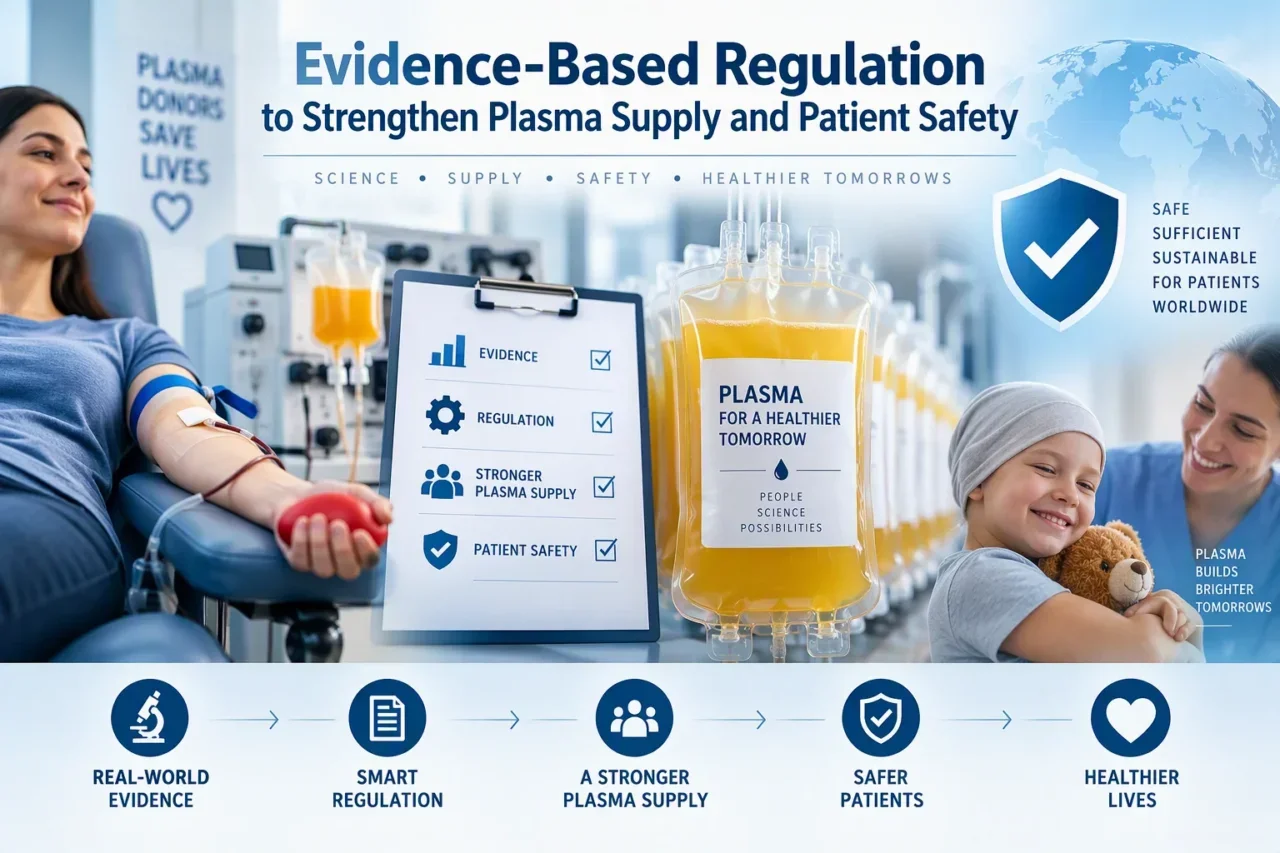
Mokhtar Tazik: Evidence-Based Regulation to Strengthen Plasma Supply and Patient Safety
Mokhtar Tazik, Plasma Bussiness Manager and Local Biotest QA at DAC, shared a post on LinkedIn:
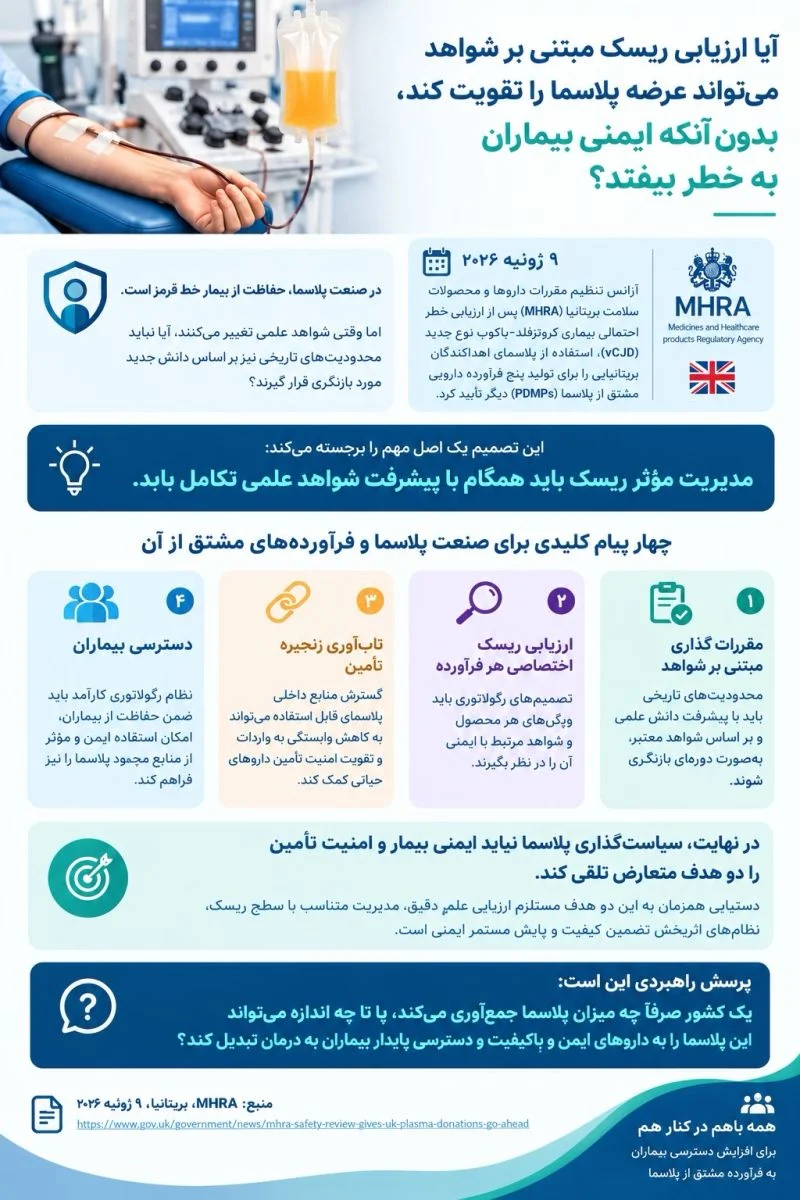
”Can Evidence-Based Risk Assessment Strengthen Plasma Supply Without Compromising Patient Safety?
In the plasma industry, protecting patients is non-negotiable. But how should regulators respond when scientific evidence evolves and historical restrictions can be reassessed.
In July 2026, the UK Medicines and Healthcare products Regulatory Agency (MHRA) announced approval for the use of UK-donor plasma to manufacture five additional PDMPs following a review of the potential risk of variant Creutzfeldt–Jakob disease (vCJD).
This decision highlights an important principle: ‘Effective risk management should implement with scientific evidence’
A similar evidence-based approach is reflected in transfusion medicine. In Germany, a 2023 regulatory decision allowed the removal of 4-months quarantine requirements for certain plasma components for transfusion, subject to strict initial screening criteria, including NAT.
More recently, a clinical trial published in JAMA in August 2026 evaluated cold-stored platelets kept at 1–6°C for up to 21 days for bleeding control in cardiac surgery. This research further illustrates how established practices can be reassessed using clinical evidence, while carefully evaluating patient safety outcomes.
For the plasma and PDMP sector, several lessons stand out:
- Evidence-based regulation: Historical restrictions should be periodically reassessed as scientific knowledge advances.
- Product-specific risk assessment: Regulatory decisions should consider the characteristics of individual products, their intended use, and the evidence relevant to their safety.
- Supply chain resilience: Expanding the range of safely usable plasma sources and optimizing the management of blood components may help reduce avoidable wastage, strengthen supply security, and improve resource utilization.
- Patient access: A robust regulatory framework should protect patients while enabling the safe and effective use of available plasma resources.
Ultimately, plasma policy should not be outlined as a choice between safety and supply.
The objective is to achieve both through strong scientific assessment, proportionate risk management, effective quality systems, and continuous safety monitoring.
Scientific progress should inform regulatory progress ,strengthening supply chain resilience while safe patient access to essential PDMPs.
Now the question would be how evidence-based regulatory reassessment play in strengthening national and regional access to PDMPs.
Which organizations Plasma Protein Therapeutics Association (PPTA) ,European Directorate for the Quality of Medicines and HealthCare (EDQM), Council of Europe and institutions should raise the initial questions.”
Stay updated with Hemostasis Today.
-
Oct 26, 2026, 15:03Quentin Eichbaum։ AABB 2026 Annual Meeting Personal Highlights
-
Oct 26, 2026, 14:57A Father’s Marathon Journey Inspired by His Son – National Bleeding Disorders Foundation
-
Oct 26, 2026, 14:48Fran Huelsmeyer: The Clinical Importance of Blood Donation in Maternal Care
-
Oct 26, 2026, 14:45Maria Elisa Mancuso: Shaping the Future of Hemophilia Care with Patients
-
Oct 26, 2026, 14:35Choosing the Right VTE Risk Assessment Model for Clinical Practice
-
Oct 26, 2026, 14:29Ilenia Calcaterra: HEMOPLATE Explores Biological Factors Behind Bleeding Variability in Haemophilia A
-
Oct 26, 2026, 14:28Giovanni Solimeno: An Advanced Thrombin Injection Technique for Complex Femoral Pseudoaneurysms
-
Oct 26, 2026, 14:20Abdul Mannan: Are We Teaching Doctors to Think or Just Trust AI?
-
Oct 26, 2026, 14:18Shadi Yaghi: Evidence Supports DOACs as an Alternative to VKAs for Cerebral Venous Thrombosis