


Nicole McWilliams: Victorian Melodrama Meets Vascular Medicine
Nicole McWilliams, Freelance Graphic Designer at Lavender Square Design Studio, shared a post on LinkedIn:
“Using Theatrical Melodrama to Simplify Complex Vascular Anatomy.
When building advocacy campaigns for rare or underdiagnosed conditions, standard clinical diagrams often fail to capture the emotional reality of living with a chronic condition.
For my latest medical illustration series, I took a highly structured, mechanical vascular issue and wrapped it in the grand, theatrical style of Victorian melodrama.
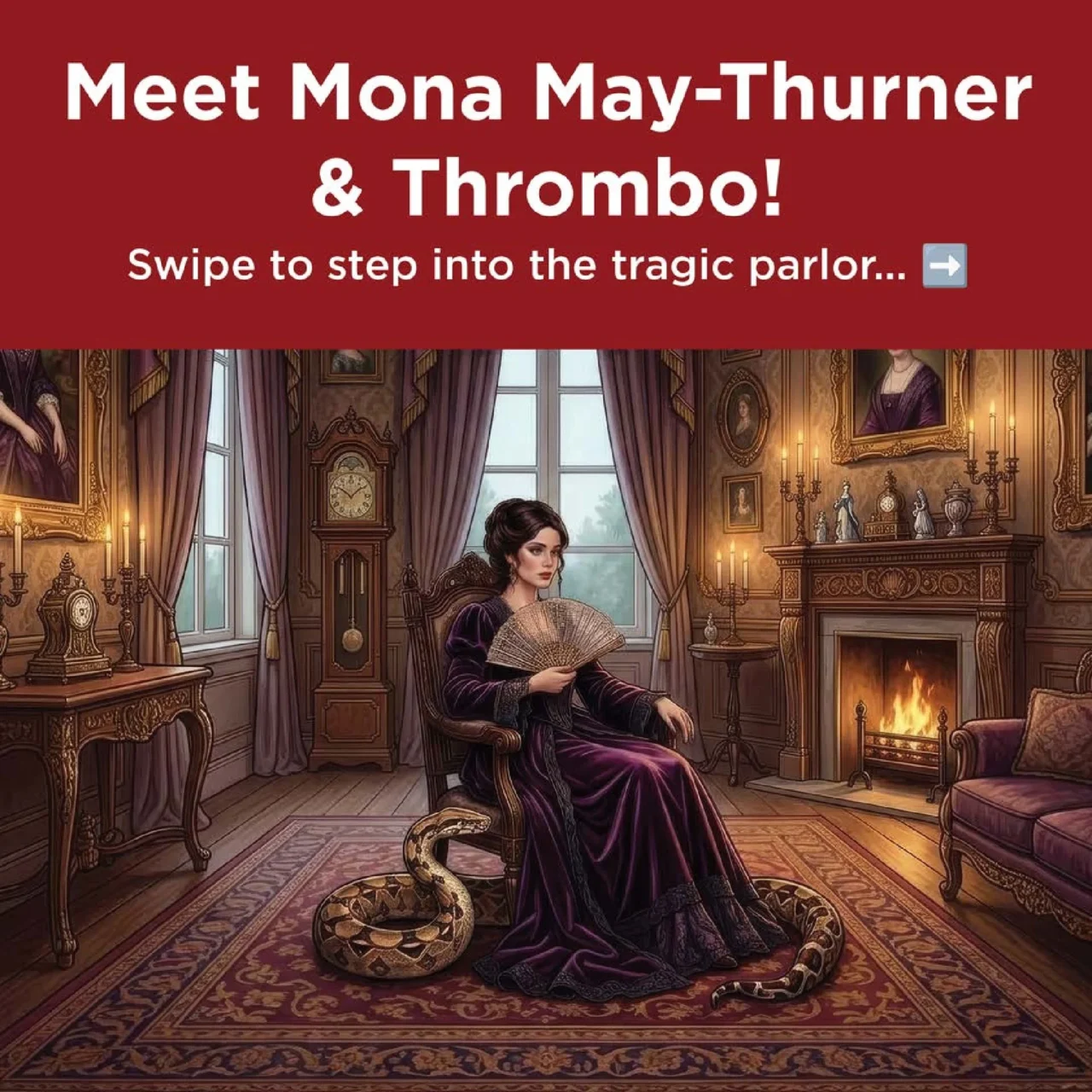
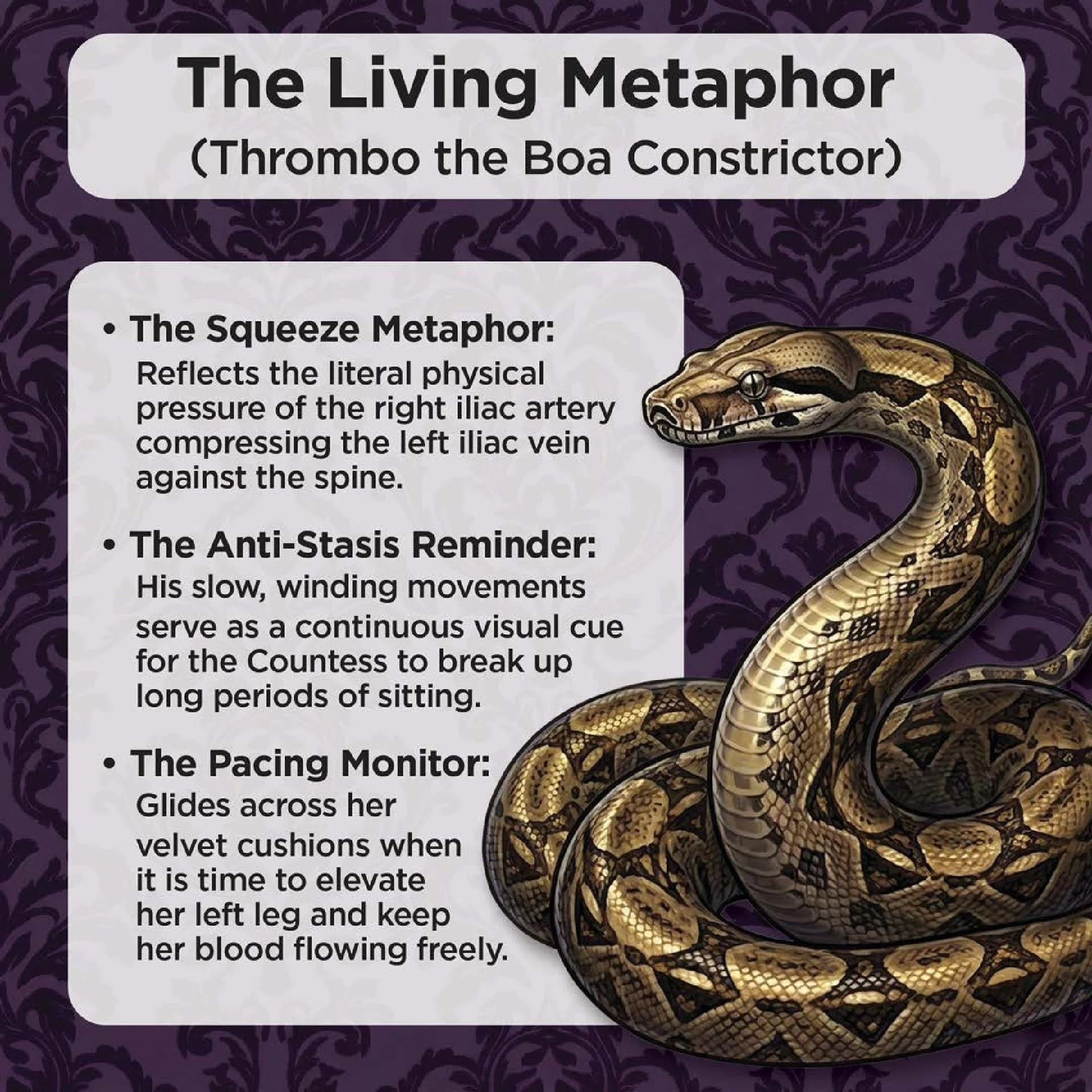
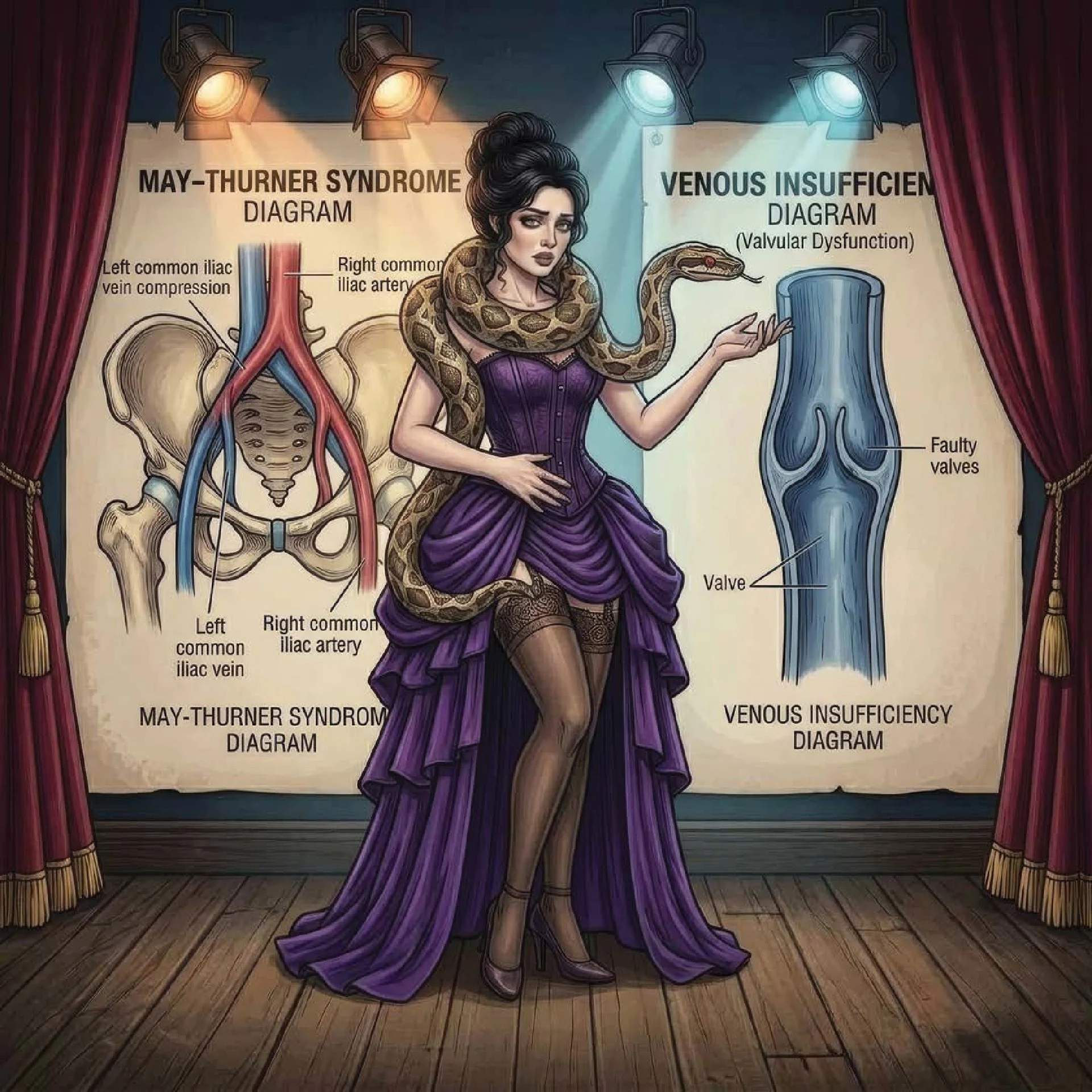
Meet Mona May-Thurner and her persistent co-star, Thrombo.
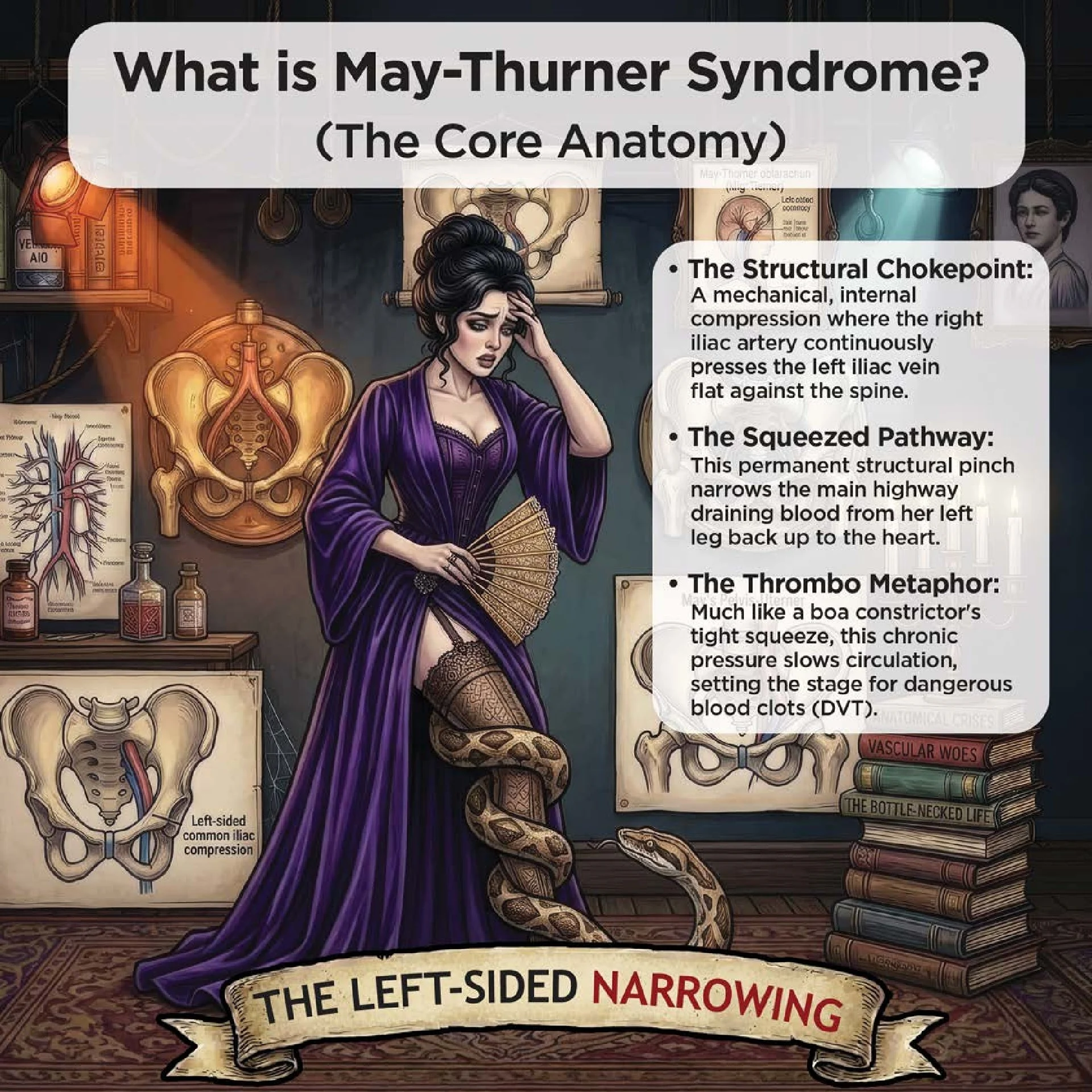
May-Thurner Syndrome (MTS) is purely a mechanical traffic jam.
Deep inside the pelvis, the right iliac artery crosses directly over the left common iliac vein, pinning it flat against the lumbar spine.
This structural bottleneck chokes venous outflow from the left lower limb.
The Creative Strategy Behind the Carousel:
For patients navigating chronic vascular compression, understanding the mechanical ‘why’ behind their symptoms transforms how they manage their daily care:
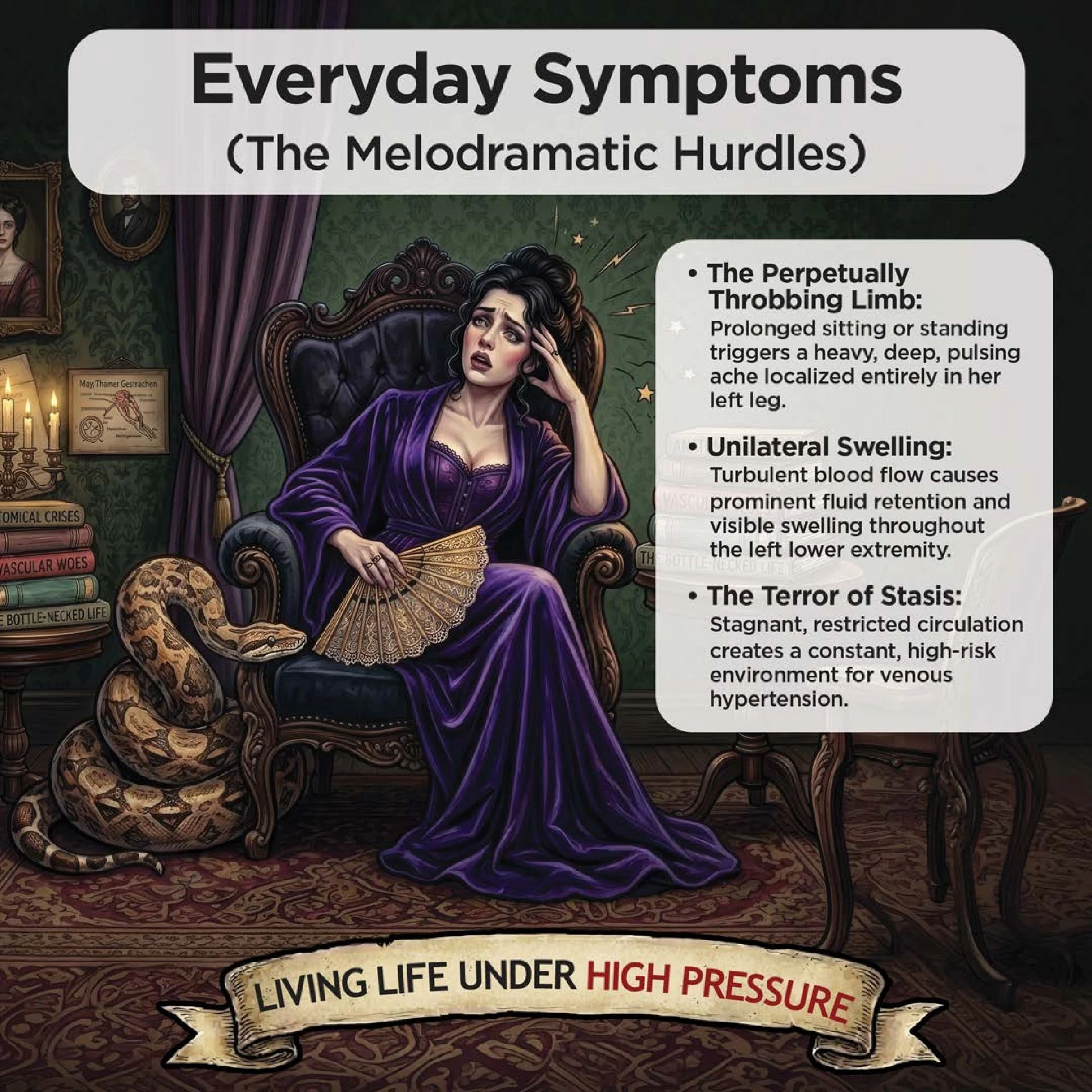
- The Heroine (The Anatomical Defect): Mona represents the patient navigating life under high internal pressure. Her chronic distress mirrors the deep, aching weight and unilateral leg swelling that defines the daily MTS experience.
- The Co-Star (The Complication Risk): Thrombo the boa constrictor isn’t just a prop. He is a living metaphor for mechanical compression. His coils wrap upward around her left leg to visually demonstrate how restricted blood flow creates the perfect environment for a deep vein thrombosis (DVT).
- The Stage Backdrop (Anatomical Context): Rather than isolating her in a sterile clinic, we placed her in a gothic medical parlor surrounded by vintage pelvic and vascular insufficiency charts. This grounds the fantasy art directly in real-world vascular science.
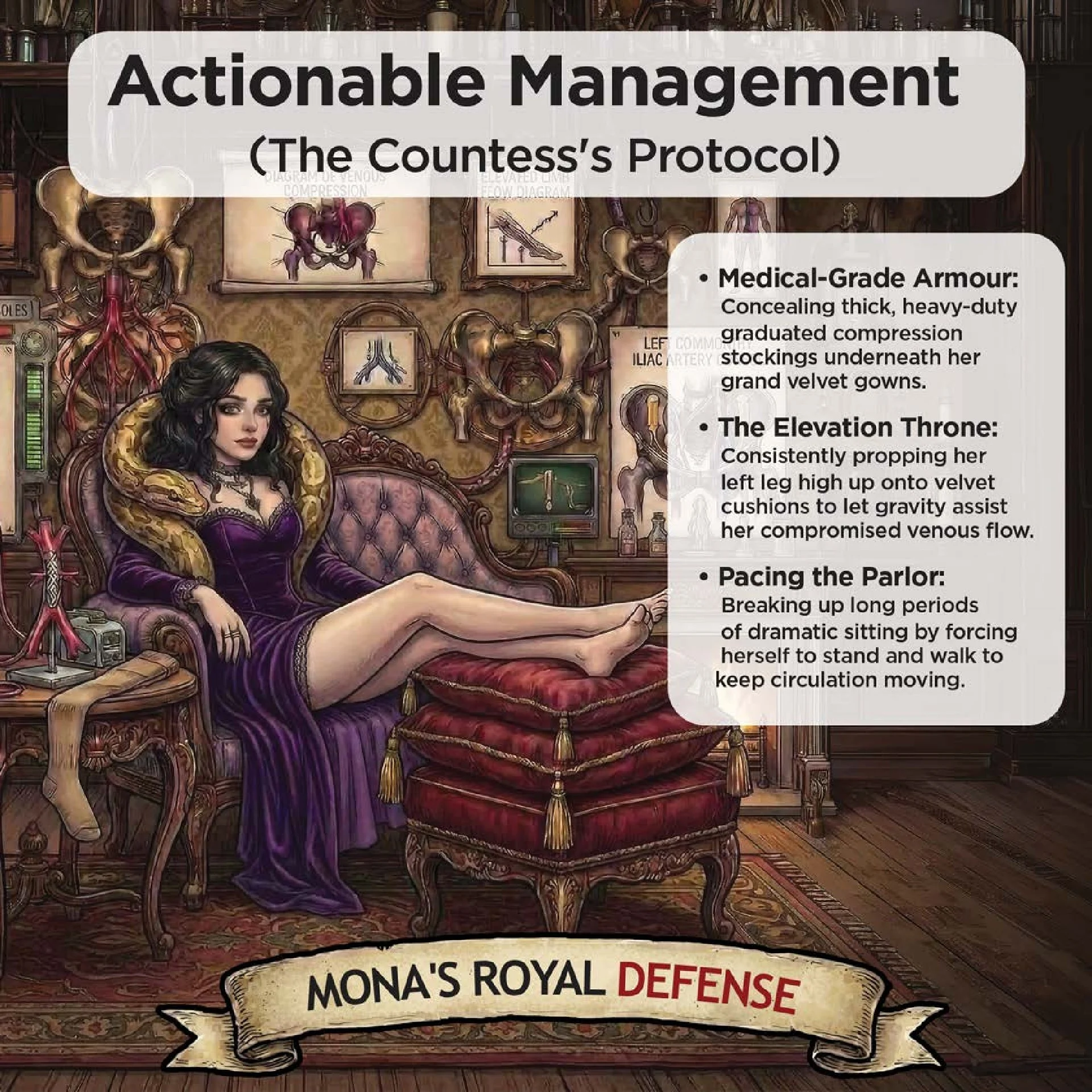
- The Actionable Shift (Patient Protocol): Carousel slide 4 shifts from tragedy to defense.
By showing Mona elevating her limbs on velvet cushions, the campaign models core management protocols—elevation, therapeutic compression armor, and breaking up workspace stasis.
Why This Melodramatic Approach Works.
By wrapping medical realities into memorable, compelling character-driven visual narratives, we lower the barrier to health literacy.
Patients can immediately recognize their physical struggles in Mona’s posture, while healthcare providers gain a highly shareable, visually distinct tool to spark conversation around pelvic venous disorders.”
Stay updated with Hemostasis Today.
-
Sep 22, 2026, 17:17Eric Lambert: Intravascular Imaging and the Future of Precision PCI
-
Sep 22, 2026, 16:45Claudiu Stoicescu: Are We Starting Cardiovascular Risk Assessment Too Late?
-
Sep 22, 2026, 16:35Complement – Coagulation Crosstalk in Thrombosis
-
Sep 22, 2026, 16:20Ila Bappa Ibrahim: Bringing Sickle Cell Innovation Closer to Communities
-
Sep 22, 2026, 16:02Ana Pedrero Gil: Peri-operative Management of Patients Undergoing Day Surgery
-
Sep 22, 2026, 15:27Zia Ullah: RBC-Derived Extracellular Vesicles as Potential Biomarkers of Thrombotic Risk in Dengue
-
Sep 22, 2026, 15:01Lesley Van Wyk: What Each Iron Markers Actually Mean
-
Sep 22, 2026, 14:37Chokri Ben Lamine։ Saudi Arabia Leads A New Milestone In Hemophilia A Care
-
Sep 22, 2026, 13:58Giulia Passaniti: Dual Inferior Vena Cava Anatomy in Tetralogy of Fallot