

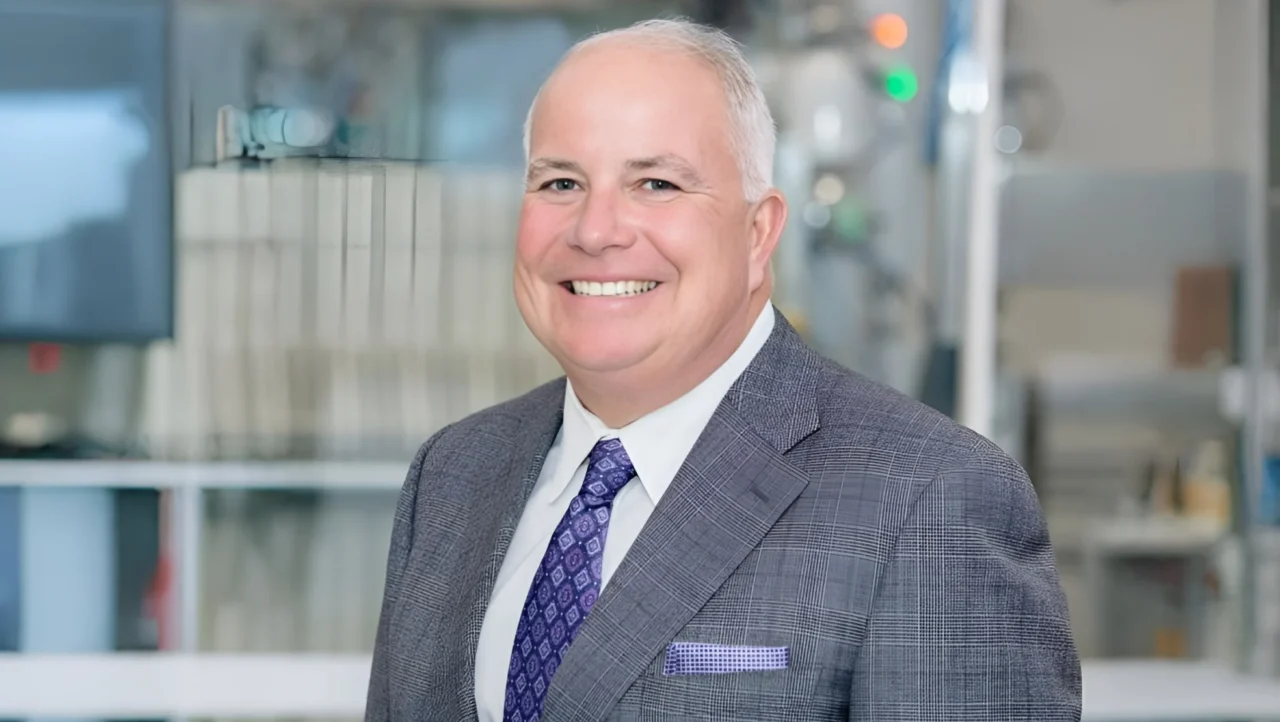
Paul McKenzie: The Value of Gene Therapy in Bleeding Disorders
Paul McKenzie, CEO & Managing Director at CSL, shared a post on LinkedIn:
“Bleeding Disorders Awareness Month is a time to honor the resilience of those living with inherited bleeding disorders.
At CSL, we take pride in our history of pioneering advancements in the treatment and management of these lifelong, chronic diseases, as well as in our dedication to supporting patients and their caregivers.
In recent years, significant advancements in treatment, including gene therapies, have emerged with the potential to significantly improve the lives of individuals with hemophilia.
We commend the researchers, clinicians, and advocates who have contributed to these important developments.
Gene therapy offers a transformative approach for hemophilia patients by enabling them to produce their own clotting factor, potentially reducing bleeds and eliminating the need for ongoing treatments.
These one-time infusions address the genetic cause of hemophilia and potentially provide improved bleed protection, which can lead to less anxiety and an enhanced quality of life.
See here for the latest news on gene therapy in hemophilia.
We are proud to have brought the first approved gene therapy to people with hemophilia B. Over the past two years, CSL has made progress in expanding access to this therapy in the US and Europe.
This has only been possible through our strong collaboration with patients, national authorities, clinicians, patient advocates and payers.
There is still much work to be done.
We will continue to educate health systems on the value of gene therapy drive innovative access solutions, enable patient identification and education and create new clinical pathways.
We are dedicated to collaborating with community partners to enhance the accessibility of gene therapy for individuals with hemophilia.
Our goal is to provide a wider range of treatment options that address the diverse needs of this population.
For over 50 years, CSL has developed treatments for bleeding disorders and other rare diseases, with input and support from the patient community.
We are committed to innovative solutions that make a lasting impact on the lives of the patients we serve.
Our unwavering support for our patients and the communities that advocate for and treat them remains steadfast.
We stand by you every step of the way.”

Stay updated with Hemostasis Today.
-
Oct 21, 2026, 02:52Aymar Akilimali: Bleeding During Anticoagulation as a Potential Signal of Occult Cancer
-
Oct 21, 2026, 00:58Anees Ur Rahman: Completing a Two-Week Clinical Rotation at Haemophilia Treatment Centre Rawalpindi
-
Oct 21, 2026, 00:56Caitlyn Mooney: Pulmonary Embolism in Athletes, Recognition and Return to Sport
-
Oct 21, 2026, 00:54Hani Karrar: Pleased to Share Our Review on Emicizumab in Hemophilia A Management
-
Oct 21, 2026, 00:53Akshay Sharma: HSCT Leads to Sustained Improvements in Sickle Cell Cardiomyopathy for Up to 3 Years
-
Oct 21, 2026, 00:51Prateek Meena: The F. A. T. R. N. Mnemonic for Recognizing TTP
-
Oct 20, 2026, 23:51Registration Is Open for WFH CCS 2027 – World Federation of Hemophilia
-
Oct 20, 2026, 23:44Edward Lee Carter: AF in Nursing Homes – When Stroke Risk Scores Tell Only Part of the Story
-
Oct 20, 2026, 22:59Building Effective Patient Advocacy Through Collaboration Between Patients and Clinicians – EHC