

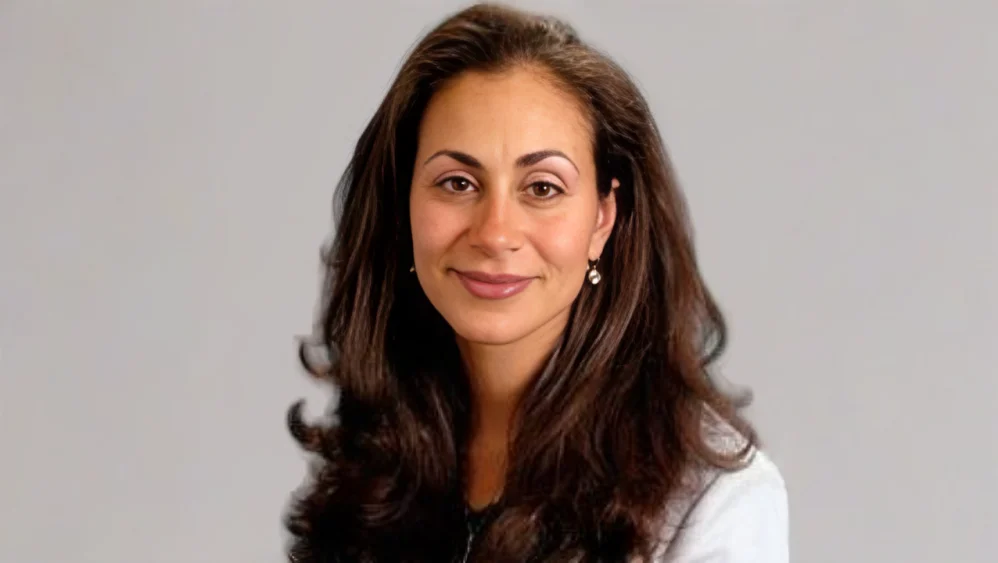
Randa Bascharon: When to Consider Wharton’s Jelly in Tendon, Ligament, and Joint Conditions
Randa Bascharon, Founder, President and Orthopedic Surgeon at Sports Performance Institute of Las Vegas, shared a post on LinkedIn:
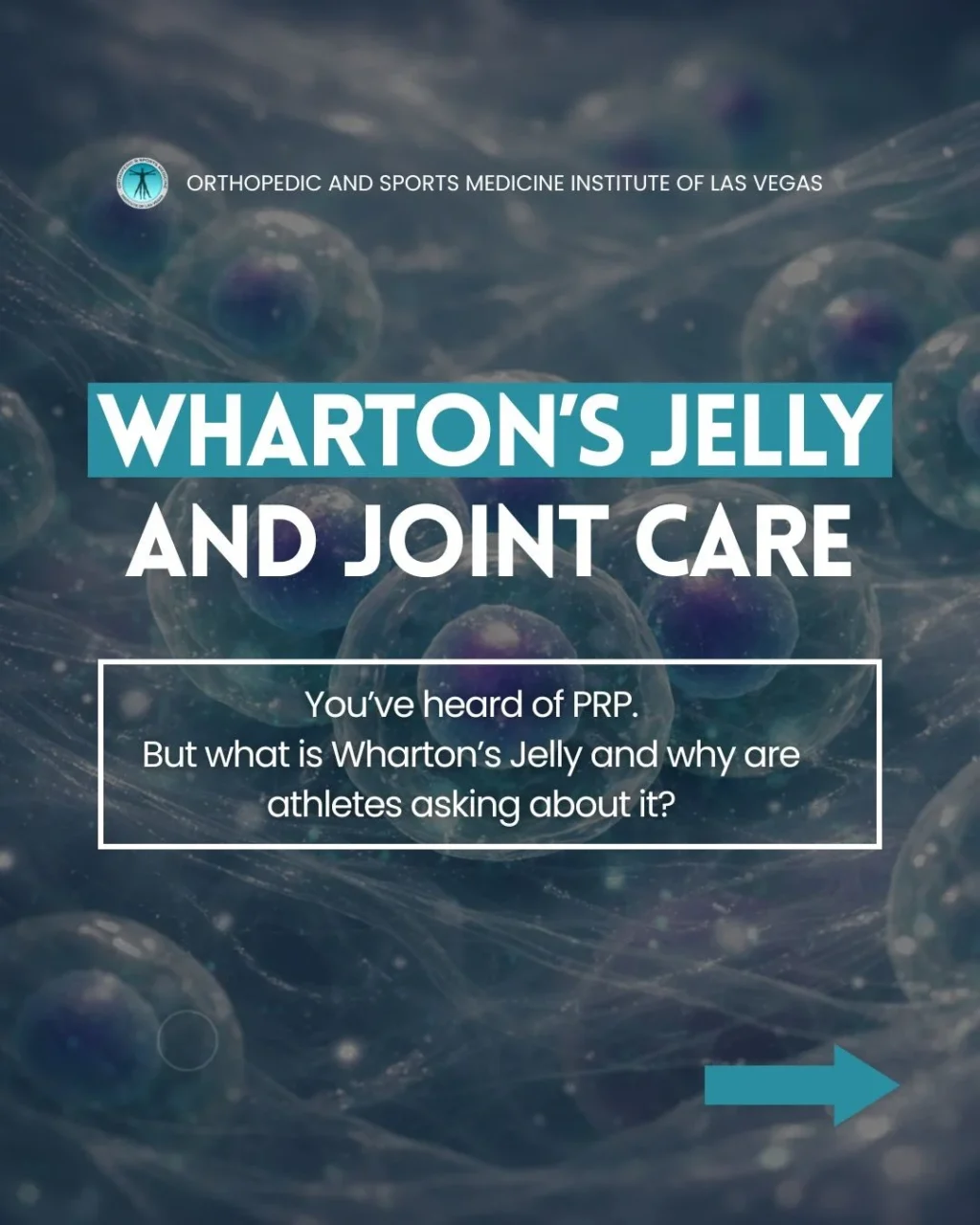
“Wharton’s Jelly is increasingly discussed in orthopedic and sports medicine settings, particularly among active patients looking for non-surgical options.
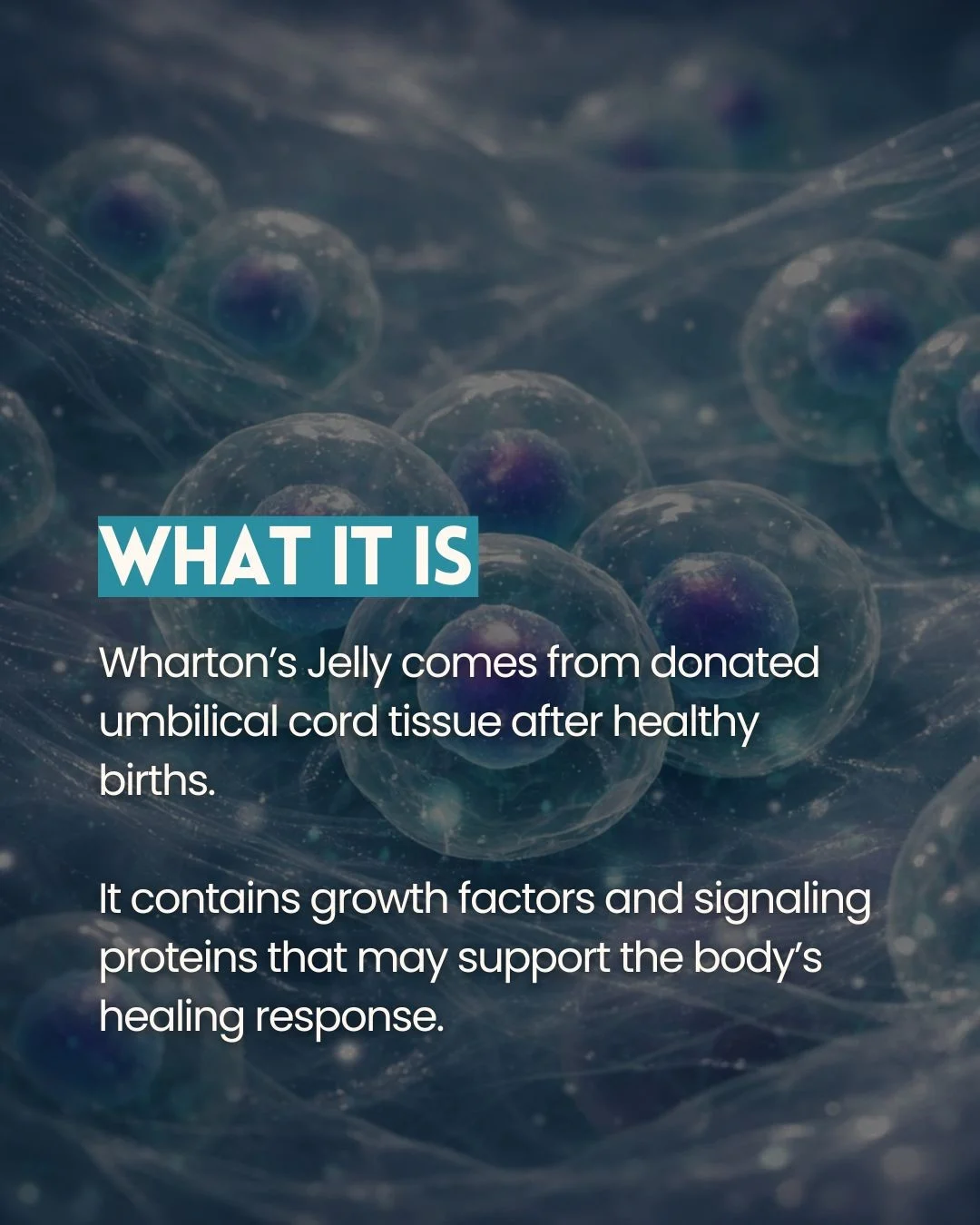
Wharton’s Jelly is derived from donated umbilical cord tissue and contains growth factors and signaling proteins that may support the body’s healing environment.
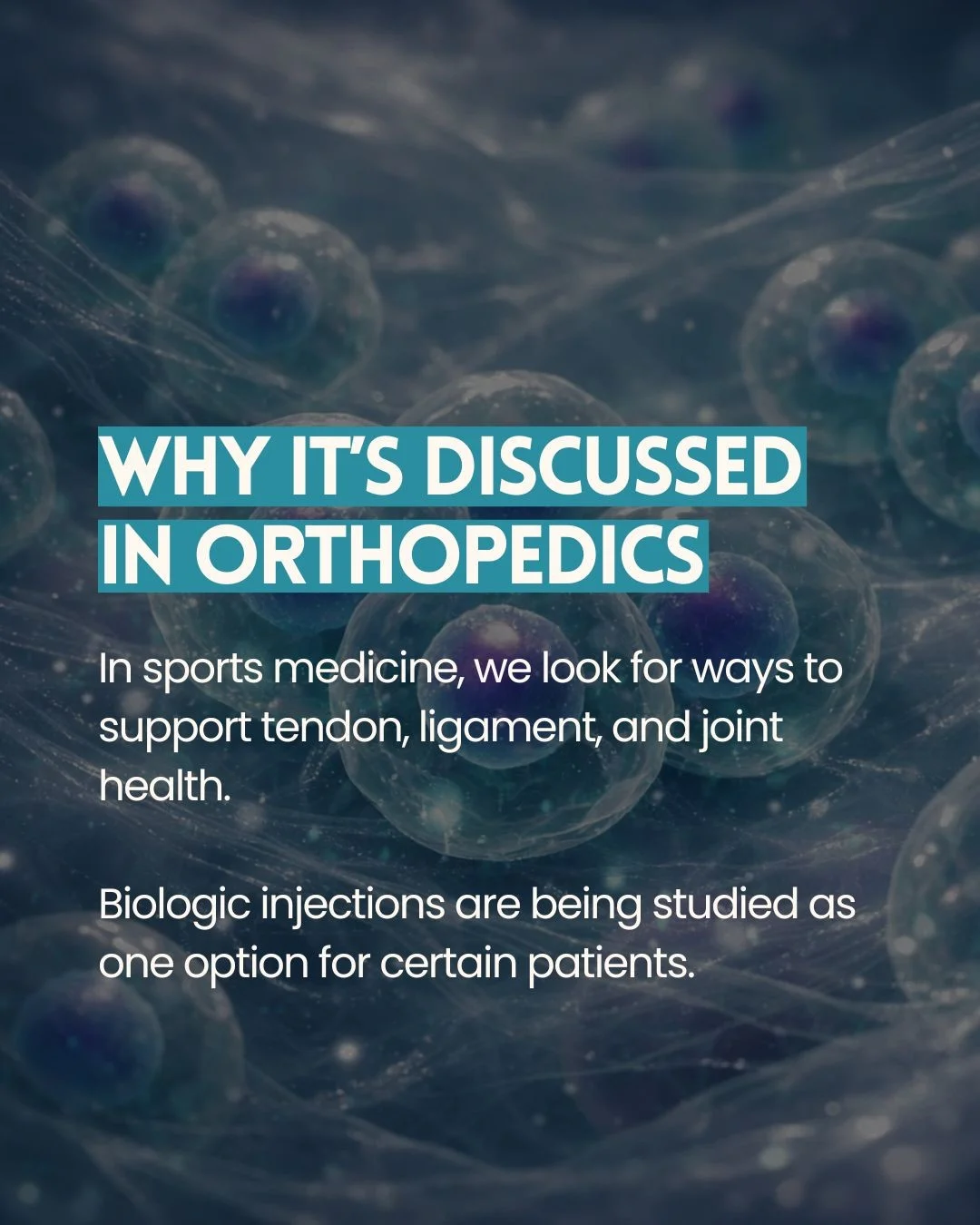
In clinical practice, it is considered in select cases involving tendon injuries, ligament issues, or certain joint conditions.
A few practical points are important:
- First, it is not the same as a steroid injection.
- Second, it is different from platelet-rich plasma.
- Third, it is not a universal substitute for surgery.
Candidacy varies.
The decision to consider a biologic injection depends on the diagnosis, severity of tissue damage, functional goals, prior treatments, and imaging findings.
Thoughtful patient selection matters.
For athletes and active adults, the real question is not whether a treatment is popular.
It is whether it aligns with the biology of their specific injury and their long-term performance goals.
If you are seeing more patients ask about biologics, how are you approaching education and expectation setting in your practice?
Educational only.
A diagnosis and treatment plan require an in-person evaluation.”
See more in the gallery.
Stay updated with Hemostasis Today.


-
Sep 30, 2026, 01:52Javed Anees: DADA2 – When a Young Stroke Is More Than a Stroke
-
Sep 30, 2026, 01:51How a Venous Thrombus Becomes Revascularized – ISTH
-
Sep 29, 2026, 22:45Victor Agunyego: Paracetamol – The Most Common Drug We Underestimate
-
Sep 29, 2026, 22:42Nova Sinclair: Advancing the Future of Hematology – Meet Our 2027 Organizing Committee
-
Sep 29, 2026, 22:41Lorenz Räber: Intracoronary Imaging in PCI – Why, When, How, and Which Modality?
-
Sep 29, 2026, 22:31Selma Turkovic: Pleased to Deliver the Opening Presentation at Kingston Hospital
-
Sep 29, 2026, 22:31Miguel Teran: Ultrasound and Simulation in Arterial Blood Sampling
-
Sep 29, 2026, 22:28Mohammad Refaei: Navigating Your Career in Hematology From Training to Practice
-
Sep 29, 2026, 22:27Matteo Foschi: 10 Clinical Pearls for Antithrombotic Therapy in Secondary Stroke Prevention