

Rasha Mohamed Abd El Fattah: Pathophysiology and Modern Treatment of Ischemic Stroke
Rasha Mohamed Abd El Fattah, Assistant Professor at Sohag University, shared a post on LinkedIn:
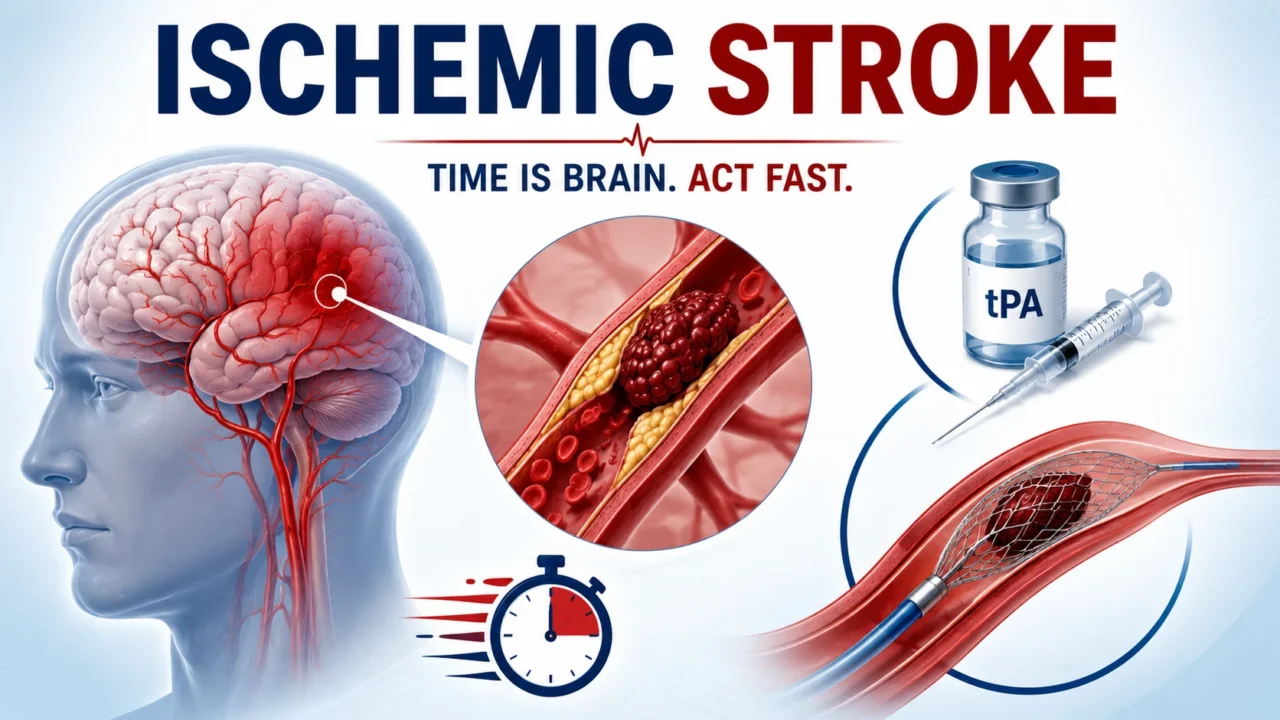
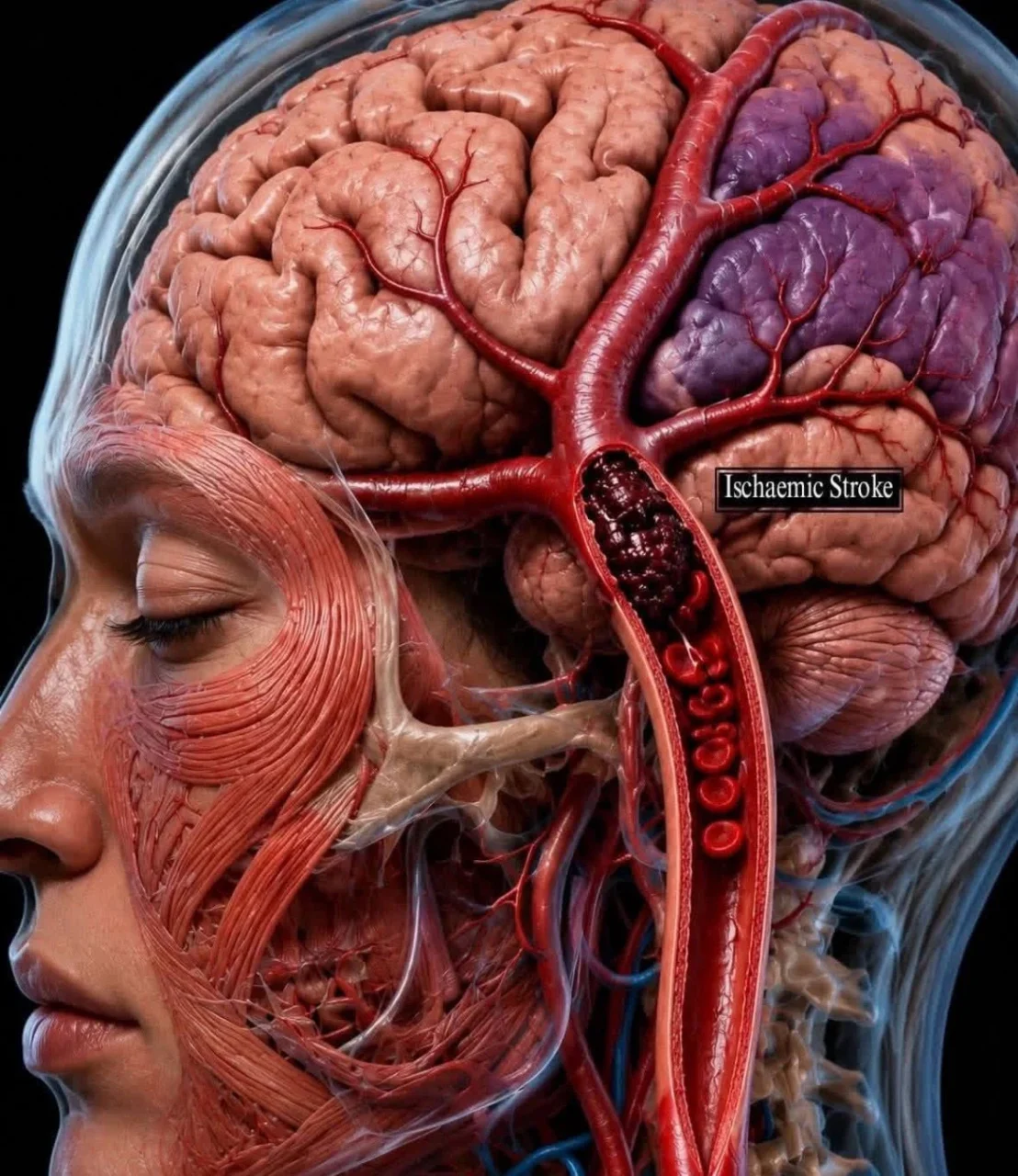
”The main cause of ischemic stroke is atherosclerosis, or fatty deposits (plaque) that line the vessel walls.
Fatty deposits can cause two types of obstruction: Cerebral thrombosis is a thrombus (blood clot) that develops at the site of fatty plaque within a blood vessel that supplies blood to the brain.
Cerebral embolism is a blood clot that forms in the heart or large arteries of the upper chest or neck, or at another location in the circulatory system.
Part of the blood clot breaks loose, enters the bloodstream and travels through the brain’s blood vessels until it reaches vessels too small to let it pass.
A main cause of embolism is an irregular heartbeat called atrial fibrillation. It can cause clots to form in the heart, dislodge and travel to the brain Medical Therapies: Alteplase (also known as tissue plasminogen activator) and tenecteplase (also known as TNK) are FDA-approved drug treatments for ischemic strokes.
Alteplase and tenecteplase work by dissolving the clot and improving blood flow to the part of the brain being deprived of blood flow. If administered within 4.5 hours alteplase or tenecteplase may improve the changes of recovering from a stroke.
Many people don’t arrive at the hospital in time to receive the medication, which can save lives and reduce long-term effects of stroke. So it’s important to identify stroke and seek treatment immediately Mechanical Treatment to Remove the Clot: A mechanical thrombectomy removes a clot in eligible patients with a large vessel occlusion, or LVO. In this procedure, doctors use a wire-cage device called a stent retriever.
They thread a catheter through an artery in the groin up to the blocked artery in the brain. The stent opens and grabs the clot. Special suction tubes may also remove the clot.”
Stay updated with Hemostasis Today.
-
Sep 21, 2026, 15:56Anita Zaidi: Why Only 2% of Health Research and Development Goes to Women’s Conditions
-
Sep 21, 2026, 15:49Omid Khalafi: Gating Strategy and How Do We Decide Which Cells to Analyze
-
Sep 21, 2026, 15:44Levacetylleucine: A New Therapeutic Approach to Ataxia Telangiectasia
-
Sep 21, 2026, 15:40Andreas Tridimas: The Diagnostic Traps of Lipaemic Blood – Why a Normal Amylase Can Mislead You
-
Sep 21, 2026, 15:33Arsene Mekinian: Exploring Cardiac Involvement in Behçet’s Disease
-
Sep 21, 2026, 15:23Anis Mahjoubi: MRI Findings of Krukenberg Tumors
-
Sep 21, 2026, 15:08Fikreab Tesfaye Tefera: 10 Practical Take-Home Points for Diagnosing Iron Deficiency Anemia
-
Sep 21, 2026, 14:10Aswin K Mohan: Lessons from TRANSCON 2026 – Building Resilient Blood Supply Systems Before Crisis Hits
-
Sep 21, 2026, 14:00Vincent Lu: Beyond PT and aPTT – How Hemostasis Evolves Across a Lifetime