

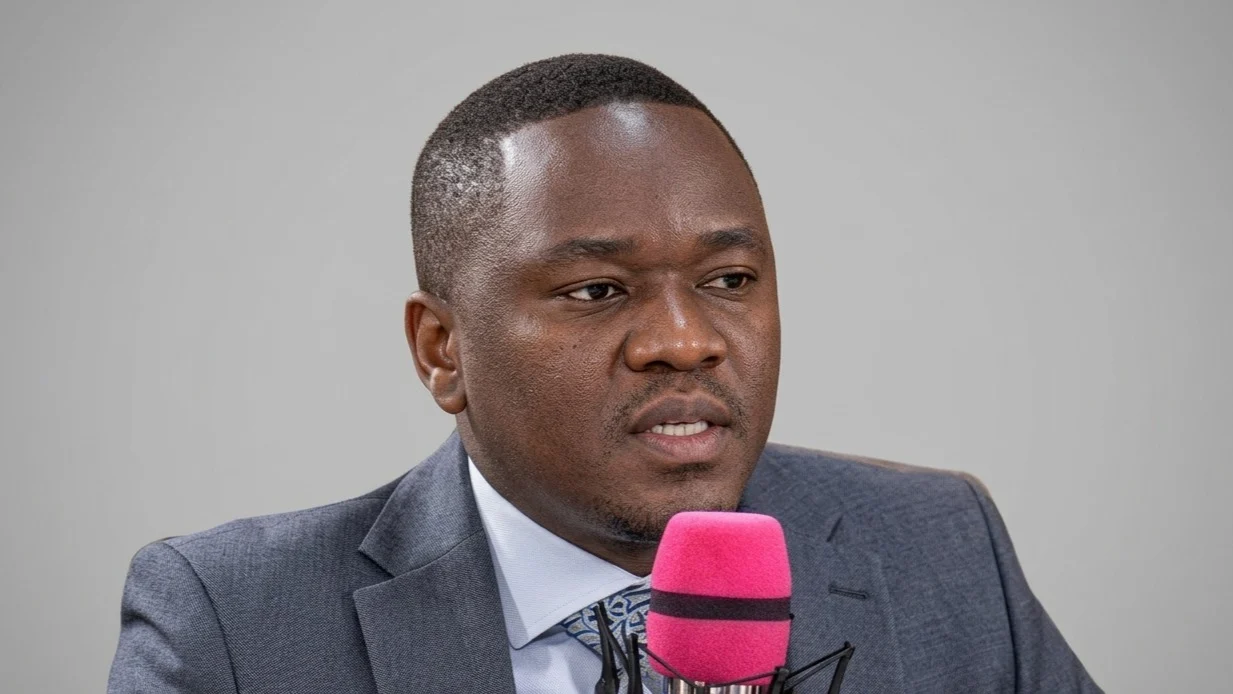
Samwel Mikaye: Recognizing Symptoms, Risk Factors and Warning Signs of DVT
Samwel Mikaye, Medical Doctor at MSK, shared a post on LinkedIn:
“Deep Vein Thrombosis (DVT)
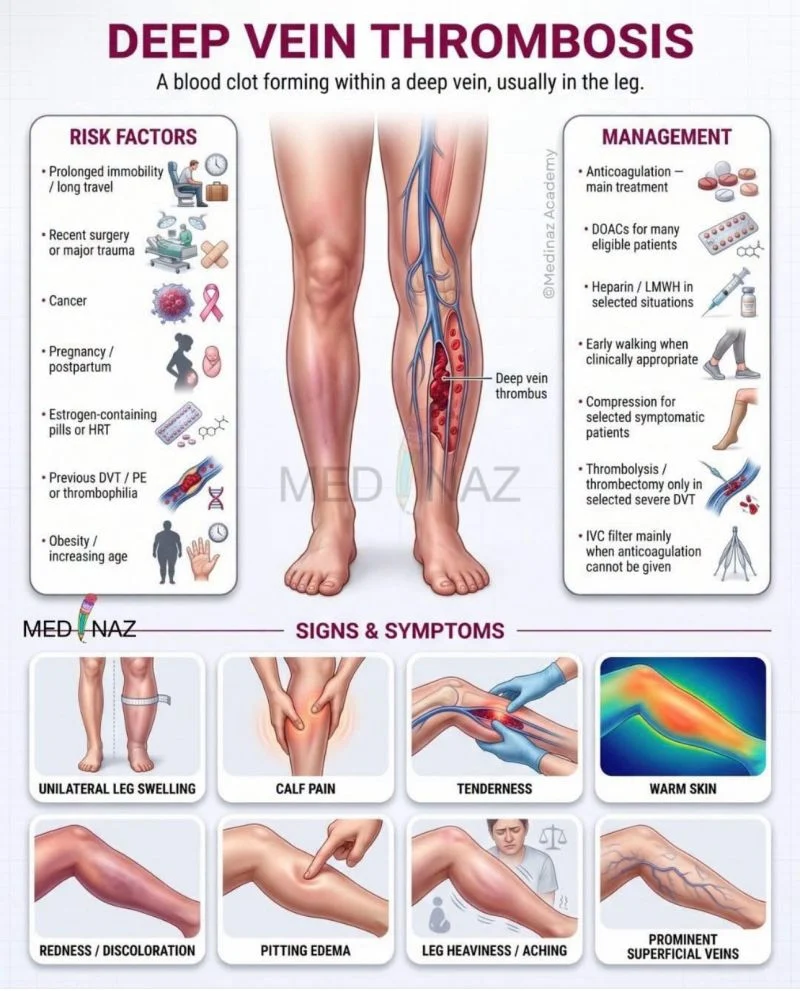
Deep vein thrombosis (DVT) is a blood clot that forms in a deep vein, most commonly in the lower limb. It can be life-threatening if part of the clot breaks off and travels to the lungs, causing a pulmonary embolism (PE).
Common symptoms
Usually affects one leg:
- Swelling of the leg
- Calf or thigh pain and tenderness
- Warmth of the affected limb
- Redness or discoloration
- Feeling of heaviness or tightness
Some DVTs cause no symptoms.
Risk factors
Think of Virchow’s triad:
1. Venous stasis
- Prolonged bed rest
- Long-distance travel
- Immobility or paralysis
2. Vessel injury
- Surgery
- Trauma
- Central venous catheters
3. Hypercoagulability
- Pregnancy and postpartum period
- Cancer
- Estrogen-containing contraceptives and HRT
- Previous DVT
- Inherited thrombophilia
- Obesity
Diagnosis
Clinical assessment can include the Wells score.
Investigations:
- D-dimer in appropriate patients
- Compression duplex ultrasound – main imaging test for suspected lower-limb DVT
Treatment
Confirmed DVT is generally treated with anticoagulation, commonly:
- Direct oral anticoagulants (DOACs)
- Low-molecular-weight heparin
- Unfractionated heparin in selected situations
Duration depends on the cause and individual risk factors.
Pulmonary embolism warning signs
A person with suspected or confirmed DVT who develops:
- Sudden shortness of breath
- Chest pain, especially with breathing
- Coughing up blood
- Rapid heartbeat
- Fainting or severe dizziness
may have a pulmonary embolism and requires emergency medical care.
Important: A new one-sided swollen, painful, warm leg should be medically assessed promptly rather than treated as a simple muscle cramp.”
Other posts featuring Samwel Mikaye on Hemostasis Today.
-
Sep 29, 2026, 03:53Nahrwan Masaoodi: Iron Deficiency Can Exist Without Anemia
-
Sep 29, 2026, 03:38Muhammad Yousaf: Iron Deficiency Beyond Diet
-
Sep 29, 2026, 03:21Parvez Ahmed Chowdhury: Synthesizing Aspirin in the Organic Chemistry Lab
-
Sep 29, 2026, 03:12Ahmed Hamandi: Building the Future of Hematopoietic Transplantation in Iraq
-
Sep 29, 2026, 03:09M V Chandrakanth: Aspirin in CRC – Old Drug, New Precision Oncology?
-
Sep 29, 2026, 03:07Caroline Pothet: Advancing Treatment Development in Sickle Cell Disease and Thalassaemia
-
Sep 29, 2026, 02:53Astha Jain: Thalassemia Care Through a Public Health Lens
-
Sep 29, 2026, 02:50Emma Groarke: Starting a New Career Path in Homeland
-
Sep 28, 2026, 19:14Aditya Sharma: An Outstanding Start to the Final Day of VSS 2026!