


Seema Dawood/LinkedIn
Nov 29, 2026, 05:34
Seema Dawood: Duffy-Null Status and New Neutrophil Reference Ranges
Seema Dawood, Medical Laboratory Technologist at The Aga Khan University Hospital, shared a post on LinkedIn:
“A low neutrophil count isn’t always neutropenia.
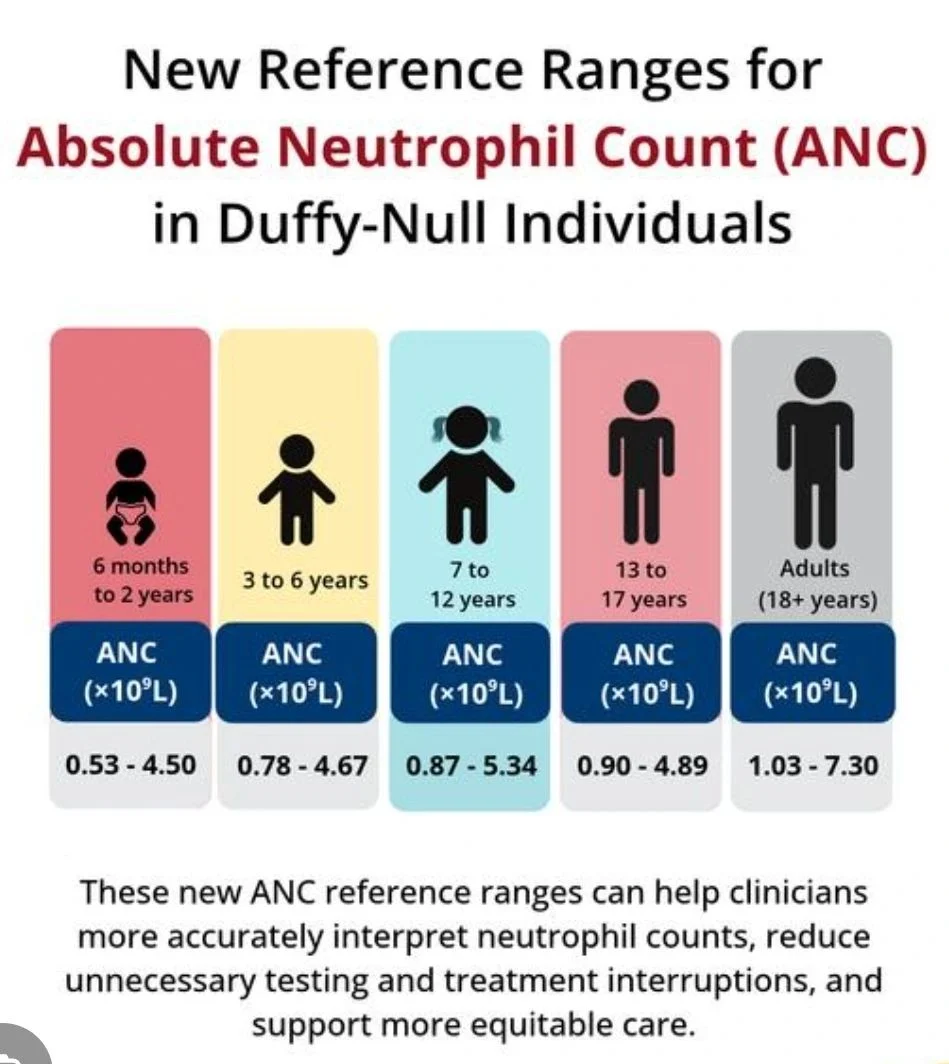
On Nov 5, ASH published the first reference ranges for people with Duffy-null status, in Blood Advances.
Duffy-null is a common genetic trait linked to naturally lower circulating white cell counts.
Why it matters at the bench:
- Without the Duffy antigen, more neutrophils sit in tissues and fewer circulate in blood, so CBC results come out lower.
- Under standard ranges these patients can be flagged as neutropenic. That can lead to unnecessary bone marrow biopsies, trial exclusion or stopped chemotherapy.
The study used 1,412 samples from 23 sites. Adult ANC range: 1.03–7.30 ×10⁹/L. Adult WBC range: 3.0–10.7 ×10⁹/L.
My takeaway: our analyzers report the number, but interpretation depends on context. If an ANC is low, the smear is normal and the patient has no symptoms, Duffy status is worth considering.”
See more in the gallery.
Stay updated with Hemostasis Today.
-
Nov 29, 2026, 05:26Kathaleen Schnur: Empowering Women Through Advocacy in Bleeding Disorders
-
Nov 29, 2026, 05:19Obi Light Ogbonnia: Making Sickle Cell Research Matter to the Lives of Patients
-
Nov 29, 2026, 05:14Italo Porto:Beyond Anticoagulation: Rivaroxaban and Endothelial Protection
-
Nov 29, 2026, 05:07PAI-1 Deficiency and Its Distinct Bleeding Phenotype – RPTH Journal
-
Nov 29, 2026, 03:19Explore the Evolving Role of Anti-TFPI Agents in Achieving Hemostatic Balance – ISTH
-
Nov 29, 2026, 03:14Zeinab Bidel: Blood Pressure Lowering Reduces Cardiovascular Risk Across All Baseline Risk Levels
-
Nov 28, 2026, 17:22Ahmed Fawzy: First Paediatric Right Atrial Thrombosis Case Treated Using AlphaVac at KFSH-JED
-
Nov 28, 2026, 17:21Antiplatelet vs Anticoagulation after Ischemic Stroke in Active Cancer Patients – International Journal of Stroke
-
Nov 28, 2026, 17:19Kemal Karaagac: Hemorrhagic Transformation Predicts Poor Outcomes After Breakthrough Ischemic Stroke