

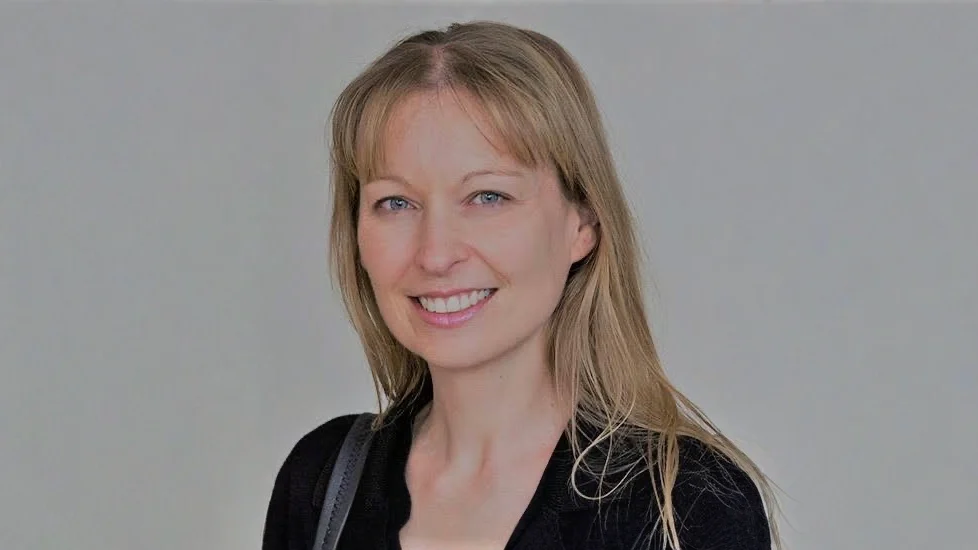
Simone Schoenwaelder: Women Are 25% More Likely to Have Their Stroke Misdiagnosed and Here’s Why
Simone Schoenwaelder, Head of Biology at ThromBio, shared on LinkedIn:
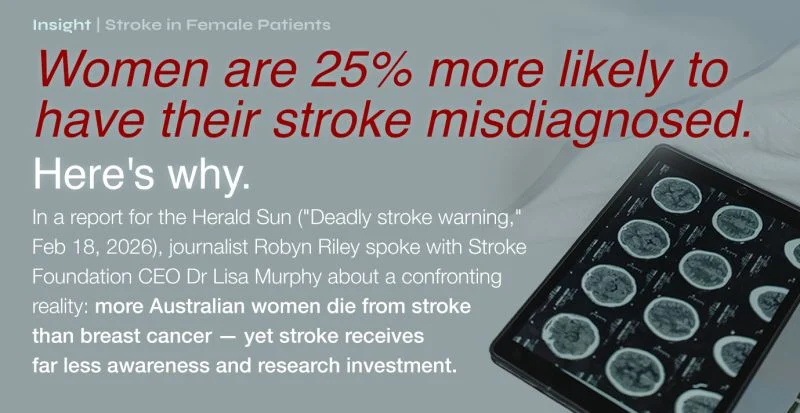
”Women are 25% more likely to have their stroke misdiagnosed… Here’s why.
A stroke warning every woman needs to hear.
In a report for the Herald Sun (‘Deadly stroke warning,’ Feb 18, 2026), journalist Robyn Riley spoke with Stroke Foundation CEO Dr Lisa Murphy about a confronting reality: more Australian women die from stroke than breast cancer — yet stroke receives far less awareness and research investment.
The article highlights two critical life stages where women face heightened risk:
Under 35 — pregnancy and birth, migraines with aura, and the contraceptive pill can all increase stroke risk
Post-menopause — the loss of oestrogen’s protective effect raises risk further, especially when combined with smoking or a history of high blood pressure or pre-eclampsia
Just as concerning, women are 25% more likely than men to be misdiagnosed in emergency departments, often because their symptoms present differently — think severe headache, confusion, or fatigue, rather than the more ‘textbook’ signs like facial drooping or slurred speech.
These atypical symptoms can be dismissed as stress or a migraine, and that delay can cost lives.
Greater public awareness, education of healthcare professionals, and recognition of non-traditional stroke symptoms are essential to ensure timely diagnosis and treatment.
Every minute matters; an estimated 1.9 million brain cells are lost with every minute a stroke goes untreated.
Recognise the signs – act fast – and call 000 – this can mean the difference between life and death—or between a full recovery and lifelong disability.
BE-FAST
- Balance loss,
- Eyes – sudden vision changes
- Face drooping
- Arm weakness
- Speech difficulty
Time to call emergency services immediately
The good news is that timely treatment can significantly improve outcomes for both women and men.
At ThromBio, we’re committed to developing the next generation of anti-clotting therapies to improve stroke treatment, save lives, and reduce disability.
Together, we can work towards a future where fewer people and families are affected by the devastating impact of stroke.
Full article: ‘Deadly stroke warning — Unique risk factors jeopardise women’s lives’ Robyn Riley, Herald Sun, 18 February 2026.”
Stay updated with Hemostasis Today.
-
Oct 6, 2026, 09:20EAS Rare Lipid Disorder Course – Advancing Lipid Disorder Education – European Atherosclerosis Society
-
Oct 6, 2026, 09:12Fionnuala Ní Áinle: Lisa Ryan’s First Thrombocalc VTE Research Report
-
Oct 6, 2026, 09:02David McIntosh: Preventable Maternal and Newborn Deaths – The Urgent Need for Action
-
Oct 6, 2026, 08:55Konstantin Yenkoyan: CAR-T, GLP-1 or Orexin – Who Will Take the 2026 Nobel?
-
Oct 6, 2026, 08:39Emily Bury: Putting Patients at the Centre of VTE Care
-
Oct 6, 2026, 07:44Carolina Moreira Ponce: Thrombosis Month – Why Prevention Starts With Risk Assessment
-
Oct 6, 2026, 07:03Laila Ahmed: Stroke Imaging – A Practical Radiology Approach
-
Oct 6, 2026, 05:52David Esposito: Can Standard Ultrasound Detect May Thurner Syndrome?
-
Oct 6, 2026, 04:33Hessam Kakavand: Rethinking Thrombotic Risk in Modern Cancer Therapy