


Tareq Abadl։ Hemolysis in Blood Bags and Its Dangers in Transfusion
Tareq Abadl, Medical Lab Specialist, shared a post on LinkedIn:
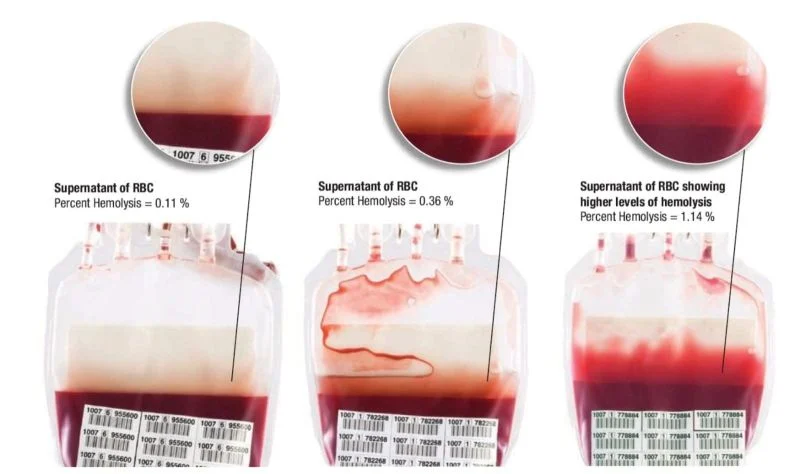
”Hemolyzed Blood Bag: Never Ignore the Supernatant
A hemolyzed blood bag is considered a serious warning sign in transfusion medicine.
Hemolysis occurs when red blood cells rupture, releasing free hemoglobin into the plasma, causing pink to red discoloration of the plasma or supernatant depending on the severity.
Common Causes of Hemolysis
- Improper storage temperature
- Freezing or overheating of the unit
- Mechanical damage during handling or transport
- Bacterial contamination
- Use of incompatible intravenous solutions
- Expired or improperly processed blood products
- Traumatic blood collection or use of small-gauge needles
- Excessive pressure during processing or infusion
Laboratory Clues
- Pink or red plasma or supernatant
- Visible clots or abnormal discoloration
- Elevated plasma potassium
- Increased free hemoglobin levels
- Occasionally abnormal odor or gas formation in contaminated units
Important Blood Bank Notes
- Acceptable hemolysis in stored red blood cell units is generally less than one percent at the end of storage according to many transfusion standards.
- Mild hemolysis may not always be visible without careful inspection or centrifugation.
- Hemolysis associated with bacterial contamination may indicate a risk of transfusion-related sepsis.
- Immediate documentation and reporting of suspected hemolyzed units are essential parts of hemovigilance and transfusion safety systems.
Why Is It Dangerous?
Transfusing a hemolyzed unit may increase the risk of:
- Acute hemolytic transfusion reactions
- Renal injury
- Hyperkalemia
- Transfusion-related complications
- Severe inflammatory or septic reactions in contaminated units
Blood Bank Rule
Every blood unit must undergo careful visual inspection before issue and transfusion.
If hemolysis is suspected, the unit should not be transfused and must be investigated immediately according to transfusion service protocols.
In blood banking, sometimes the color of the supernatant tells the whole story.”
Other posts featuring Tareq Abadl on Hemostasis Today.
-
Oct 1, 2026, 15:44A Century of Von Willebrand Disease Awareness – EHC
-
Oct 1, 2026, 15:31Andreas Calatzis: The Power of Teamwork in Postpartum Hemorrhage
-
Oct 1, 2026, 15:09Halimat Olaniyan: The Role of Transfusion Medicine in Sickle Cell Disease Care
-
Oct 1, 2026, 14:58Samir Kumar Beura: Modern Approaches to Platelet Structure and Function
-
Oct 1, 2026, 14:39Understanding the FDA Pathway for Hematology Product Development – American Society of Hematology
-
Oct 1, 2026, 13:56Ravi C Dara: Advancing Red Cell Exchange in Sickle Cell Disease
-
Oct 1, 2026, 13:50Mateo Marin-Cuartas: What Matters After Aortic Valve Replacement in Younger Patients?
-
Oct 1, 2026, 13:17Anirban Sen Gupta: Sharing Ideas, Advancing Biomedical Innovation
-
Oct 1, 2026, 13:01Michael Honigberg: Clonal Hematopoiesis as a Driver of Aortic Valve Calcification