

Urtė Cholinaitė: A Meaningful Experience at the Lithuania Hemophilia Society Summer Camp
Urtė Cholinaitė, Promotions Assistant at Partizanas and Jump! Creative brand experience agency, shared a post on LinkedIn:
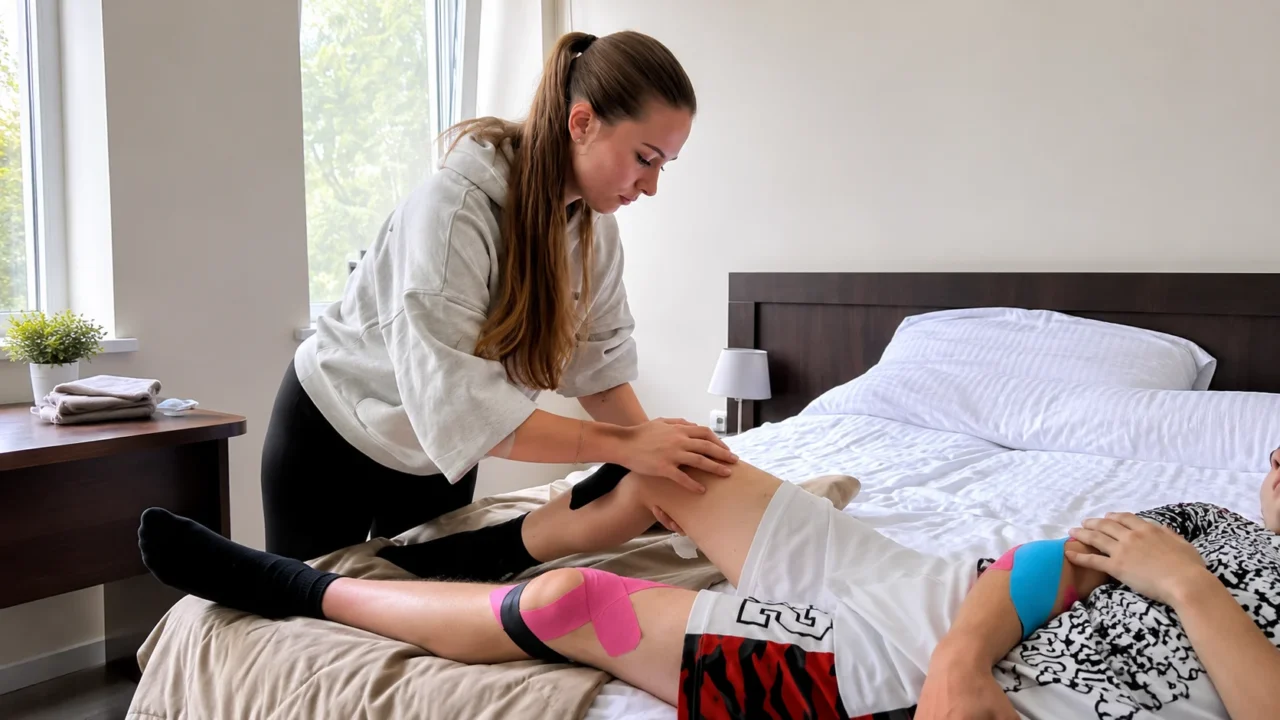
”I had a great opportunity to participate in the summer basketball camp organized by the Lithuania Hemophilia Society (LHS), as an assistant to physiotherapist Agnė Juodytė. Targeted physiotherapy care is crucial for people with hemophilia: it helps strengthen muscles, stabilize joints and maintain good functional condition.
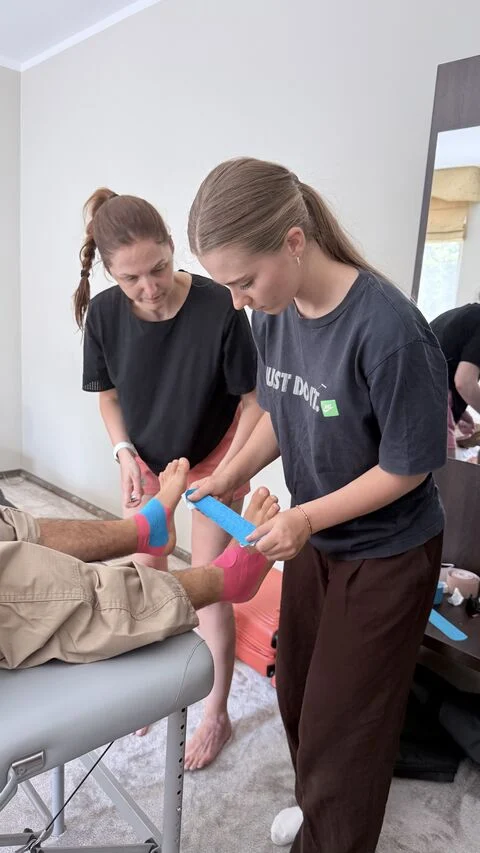
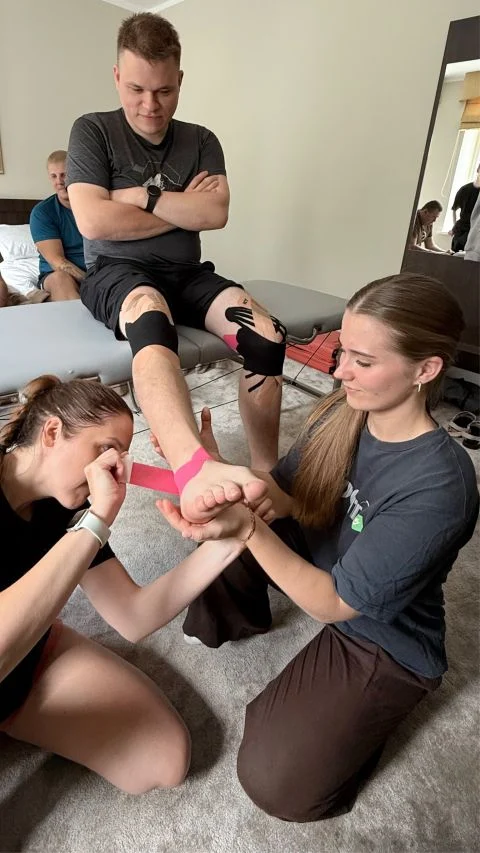
During the camp, I got acquainted with the main taping methods: muscular, sports, joint stabilizing, lymphatic drainage and corrective.
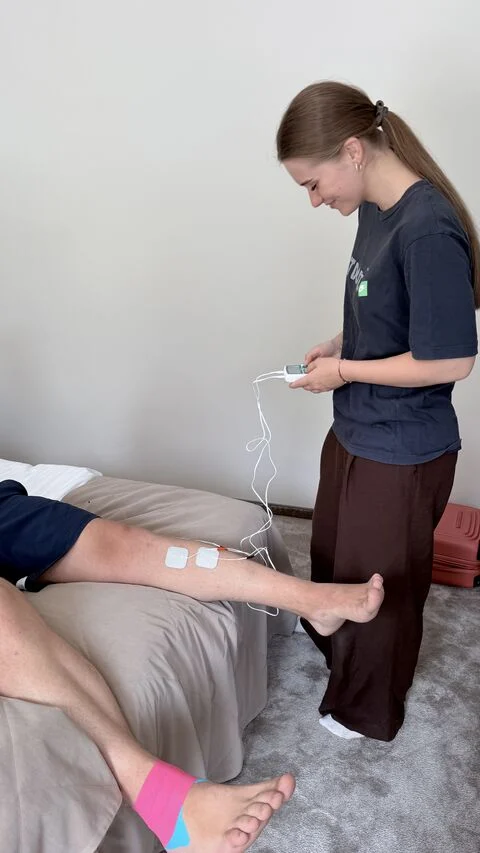
I performed joint amplitude, posture, general functional condition and muscle tone assessment and palpation, applied muscle relaxation and stretching techniques, observed trigger point massage and muscle electrostimulation, and also independently conducted morning exercise for the camp participants.
I sincerely thank Agnė Juodytė for the knowledge and inspiring example provided, and EGIDIJUS ŠLIAUŽYS – for the opportunity to contribute to this meaningful initiative.
I take away not only new practical skills, but also even greater motivation to improve in the field of physiotherapy.”

Stay updated with Hemostasis Today.
-
Nov 16, 2026, 15:35Jim Hoffman: Could Blood Purification Change the Fight Against Cancer?
-
Nov 16, 2026, 15:16How Do Artificial Hearts Affect Platelet Function? – Platelets Journal
-
Nov 16, 2026, 15:10Assessing Coagulation Activation in DOAC – Treated Patients – JTH
-
Nov 16, 2026, 15:00Davide Antonio Mei: Should Anticoagulation Continue After AF Ablation?
-
Nov 16, 2026, 14:55Danielle Boyle: Beyond Platelet Counts – Why Patient Stories Matter
-
Nov 16, 2026, 14:28Jan Sloves: The Future of Vascular Ultrasound
-
Nov 16, 2026, 13:49Bahman Rasouli: A Rare Vascular Manifestation of Recurrent Papillary Thyroid Carcinoma
-
Nov 16, 2026, 13:28Muhammad Danyal: Platelet Patterns in Hepatitis B and C
-
Nov 16, 2026, 12:52Frank Nocken: Alzheimer’s Research Expands Beyond Amyloid-Based Treatments