


Vicky Probert: A Lifelong Commitment to Saving Lives Through Blood Donation
Vicky Probert, Director and Independent Mortgage Adviser at Honey Financial Solutions, shared a post on LinkedIn:
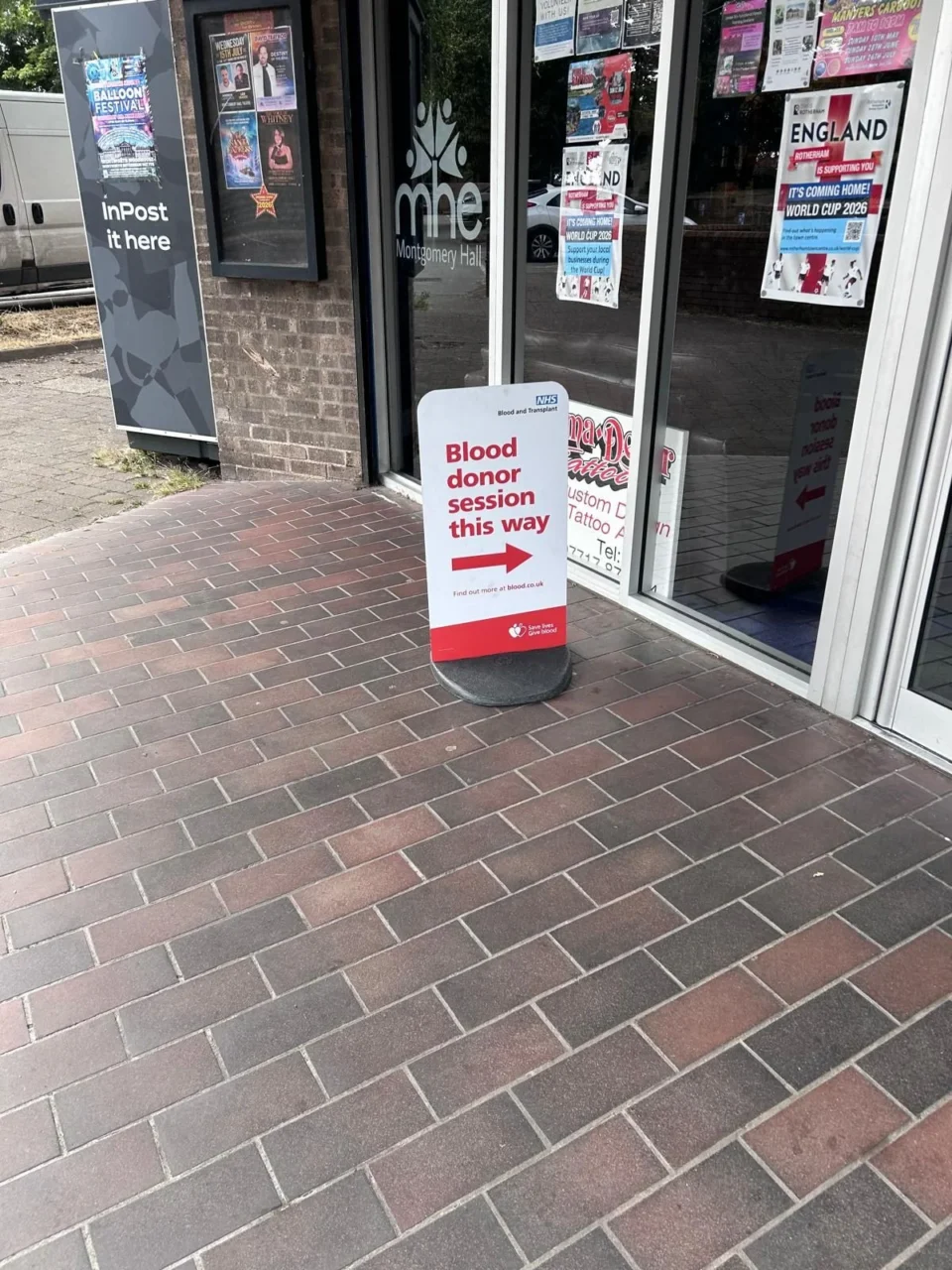
“Last Friday, after work, I gave blood for the 31st time.
It’s not something I talk about often, but it’s become one of the most consistent things I do outside of work — and this felt like a good moment to share why.
I started donating after finding out my blood group and that it’s one that can be given to anyone in an emergency. That knowledge sat with me. If what’s in my veins could genuinely help save someone’s life with so little effort on my part, it felt like an easy decision to make it a habit.
A couple of statistics worth sharing: the NHS needs around 5,000 blood donations every day to maintain a safe supply, yet only about 2% of the eligible population currently gives blood. It’s a reminder of how much impact a relatively small group of regular donors has on the whole system.
I’d encourage anyone reading this, if you’re able to, to look into becoming a donor. It costs an hour of your time every few months and could make a genuine difference to someone else’s.
I’d love to hear if you’re a donor too, or what’s stopped you from signing up.”
Stay updated with Hemostasis Today.
-
Nov 16, 2026, 15:35Jim Hoffman: Could Blood Purification Change the Fight Against Cancer?
-
Nov 16, 2026, 15:16How Do Artificial Hearts Affect Platelet Function? – Platelets Journal
-
Nov 16, 2026, 15:10Assessing Coagulation Activation in DOAC – Treated Patients – JTH
-
Nov 16, 2026, 15:00Davide Antonio Mei: Should Anticoagulation Continue After AF Ablation?
-
Nov 16, 2026, 14:55Danielle Boyle: Beyond Platelet Counts – Why Patient Stories Matter
-
Nov 16, 2026, 14:28Jan Sloves: The Future of Vascular Ultrasound
-
Nov 16, 2026, 13:49Bahman Rasouli: A Rare Vascular Manifestation of Recurrent Papillary Thyroid Carcinoma
-
Nov 16, 2026, 13:28Muhammad Danyal: Platelet Patterns in Hepatitis B and C
-
Nov 16, 2026, 12:52Frank Nocken: Alzheimer’s Research Expands Beyond Amyloid-Based Treatments