

Beyond Drugs: Can Museums Become a Medical Prescription?
Medicine has long relied on pharmaceuticals, procedures and technological innovation to improve patient outcomes.
Yet one of the most thought-provoking sessions at the ISTH 2026 Congress in Paris suggested that healing may also be found in an unexpected place: the museum.
In her lecture, “Prescribing a Museum: When Culture Becomes a Therapeutic Adjunct,” Nathalie Bondil challenged clinicians to broaden their understanding of health and consider whether cultural experiences can complement evidence-based medical care.
While the session centred on cardiovascular health, its message resonated far beyond a single specialty, raising important questions for hematologists and all physicians caring for patients with chronic disease.
When Culture Enters Clinical Practice
At first glance, the idea of discussing museums at an international congress dedicated to thrombosis and hemostasis may seem surprising.
However, the presentation was not about replacing medical treatment with art.
Instead, it explored how carefully designed cultural interventions may enhance conventional care by improving emotional well-being, reducing stress, and strengthening social engagement.
This emerging concept, known as museotherapy, views museums as more than repositories of history and art.
They become therapeutic environments that encourage reflection, stimulate the mind and promote psychological resilience.
In several countries, physicians are already incorporating museum visits into structured rehabilitation and wellness programmes, prescribing them alongside standard medical treatment rather than as symbolic recommendations.
What the Evidence Actually Shows
One of the strongest aspects of the lecture was its emphasis on scientific evidence rather than inspirational storytelling.
Bondil clearly acknowledged that no clinical trial has demonstrated that museum visits reduce myocardial infarction, prevent thrombosis, or lower cardiovascular mortality.
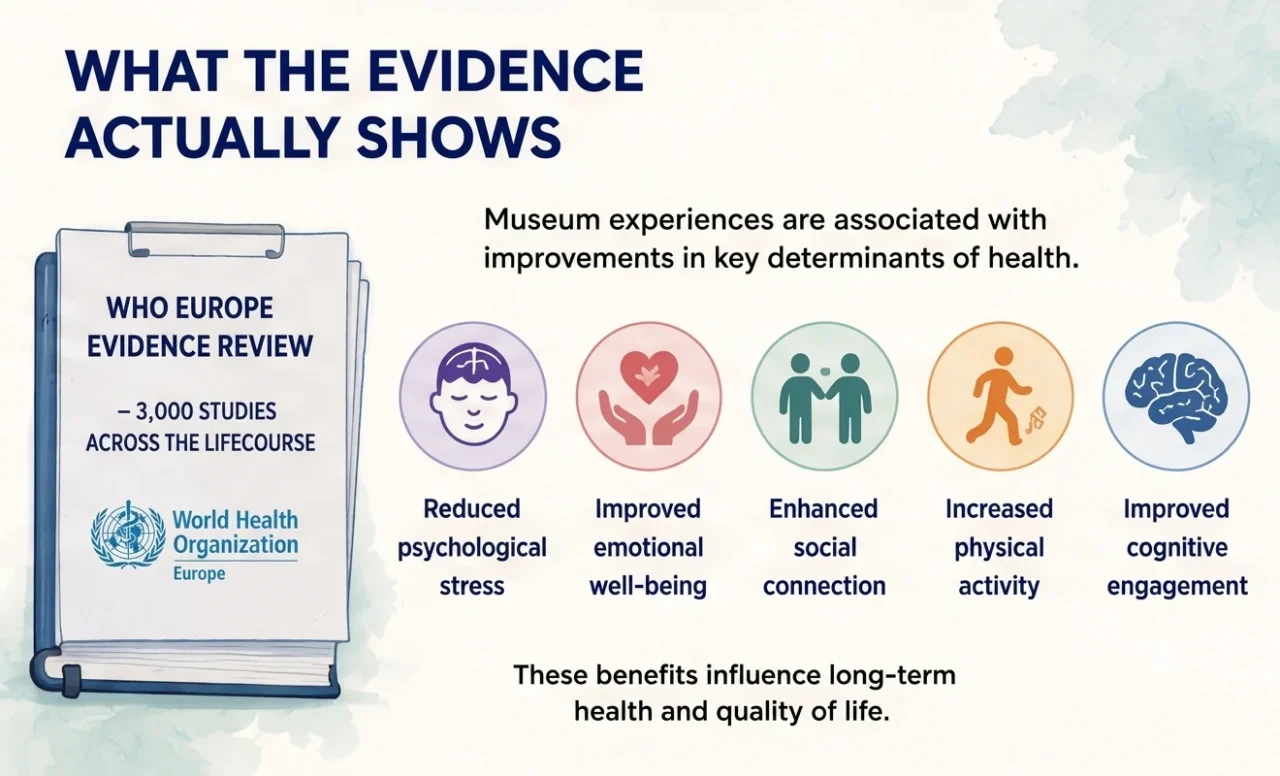
Nevertheless, an expanding body of research consistently demonstrates meaningful improvements in factors that influence overall health.
Studies have shown that museum experiences can reduce psychological stress, enhance emotional well-being, encourage social interaction, increase light physical activity,and stimulate cognitive engagement.
These effects are particularly relevant because psychological health, social isolation and chronic stress are increasingly recognised as contributors to long-term disease outcomes.
The presentation also highlighted the WHO Regional Office for Europe evidence review, which evaluated approximately 3,000 studies examining the relationship between arts and health throughout the lifespan.
Collectively, these data suggest that engagement with the arts may support prevention, rehabilitation, and quality of life across numerous medical conditions.
The Biology Behind the Experience
Perhaps the most fascinating part of the lecture was its explanation of why art may influence health.
Neurologist Pierre Lemarquis famously describes art as something that simultaneously “scratches and caresses the brain.”
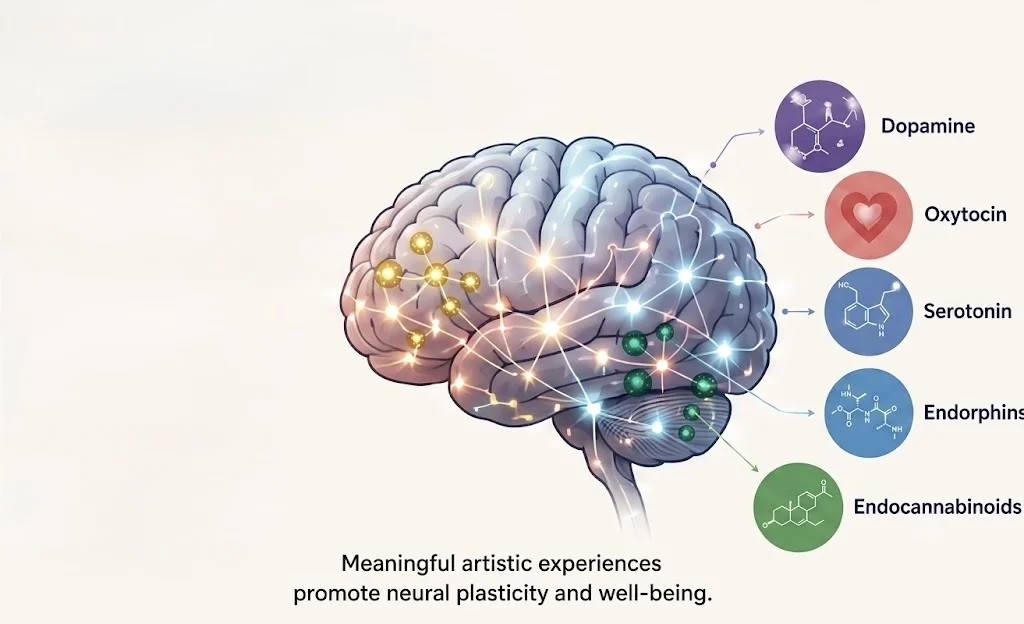
The phrase captures a growing understanding that meaningful artistic experiences activate multiple neural pathways involved in emotion, attention, memory, and reward.
Viewing art has been associated with activation of neurochemical systems involving dopamine, serotonin, oxytocin, and other mediators linked to motivation, stress regulation, and emotional balance.
Rather than representing a purely subjective emotional response, these physiological changes are increasingly measurable using modern imaging techniques, wearable devices, and biochemical markers.
The lecture reinforced the idea that emotional experiences can produce genuine biological effects, further narrowing the traditional divide between mental and physical health.
Moving Beyond Self-Reported Well-Being
Importantly, the research presented extended beyond patient questionnaires.
A randomised controlled trial conducted at the Montreal Museum of Fine Arts demonstrated that older adults participating in weekly museum-based activities over three months experienced a lower average daily heart rate compared with controls.
Continuous wearable monitoring provided objective physiological data supporting these findings.
Similarly, investigators at King’s College London reported that viewing original works of art produced greater reductions in cortisol concentrations than viewing reproductions. Participants also demonstrated cardiovascular responses consistent with improved physiological adaptation to stress, suggesting that authentic artistic experiences may exert measurable biological effects.
Although these studies remain relatively small, they illustrate an important shift towards objective outcome measures in research exploring cultural interventions.
From Innovative Idea to Clinical Reality
Perhaps the most remarkable message was that museum prescriptions are no longer experimental concepts discussed only within academic circles.
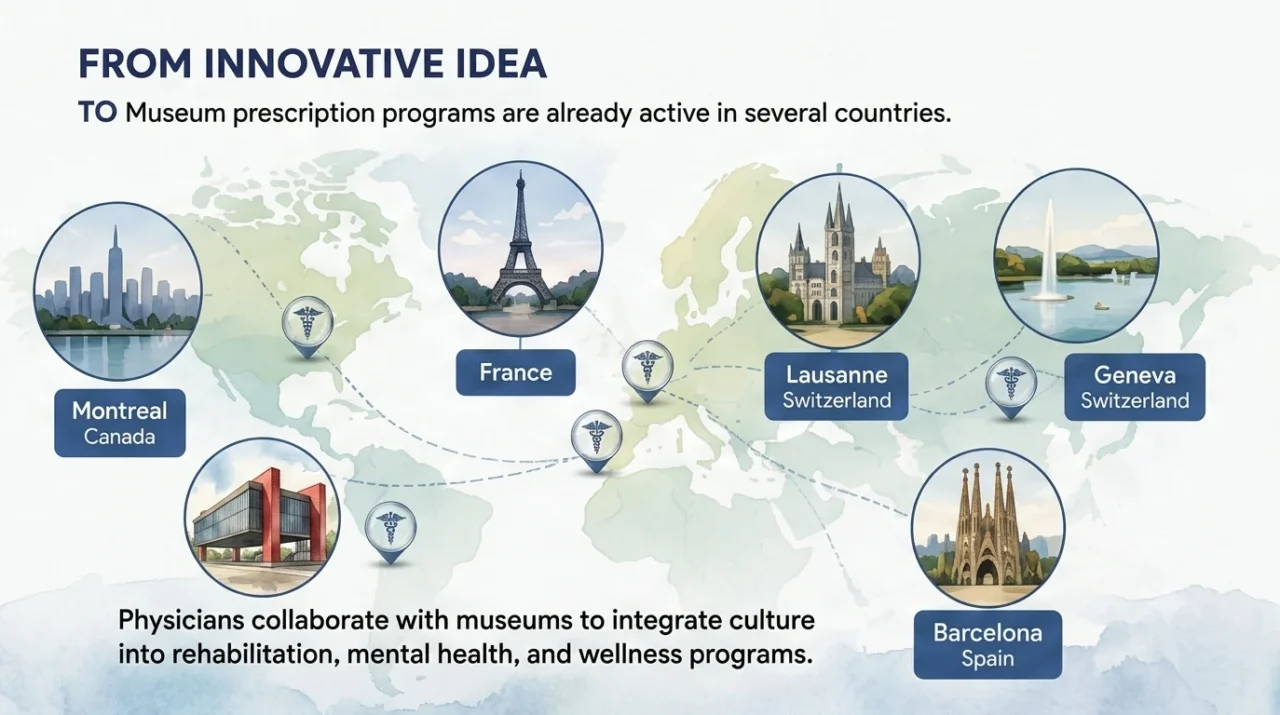
Healthcare systems in Montreal, France, Lausanne, Geneva, and Barcelona have already established collaborative programmes linking physicians with museums and cultural institutions. Within these initiatives, museum visits are incorporated into rehabilitation pathways, anxiety management programmes, post-stroke recovery, and psychosocial support services.
These programmes recognise that recovery involves more than treating disease. It also requires restoring confidence, reducing isolation, and reconnecting patients with meaningful experiences beyond the healthcare setting.
Why This Matters for Hematology
Although much of the current evidence originates from cardiovascular medicine, its implications are highly relevant to hematology.
Patients living with hemophilia, inherited bleeding disorders, thrombosis, chronic anaemia, hematologic malignancies, or those undergoing prolonged treatments frequently experience anxiety, depression, fatigue, social isolation and reduced quality of life. These challenges often persist even when disease-specific therapies are successful.
Museum prescriptions are not substitutes for evidence-based hematologic care, nor should they be viewed as alternatives to established treatment.
However, they may eventually become valuable components of comprehensive supportive care designed to improve patient-centred outcomes.
Future research in hematology could investigate whether structured engagement with art influences treatment adherence, fatigue, rehabilitation, psychological resilience, or long-term quality of life.
Such studies would complement the growing emphasis on holistic care that extends beyond laboratory parameters and clinical remission.
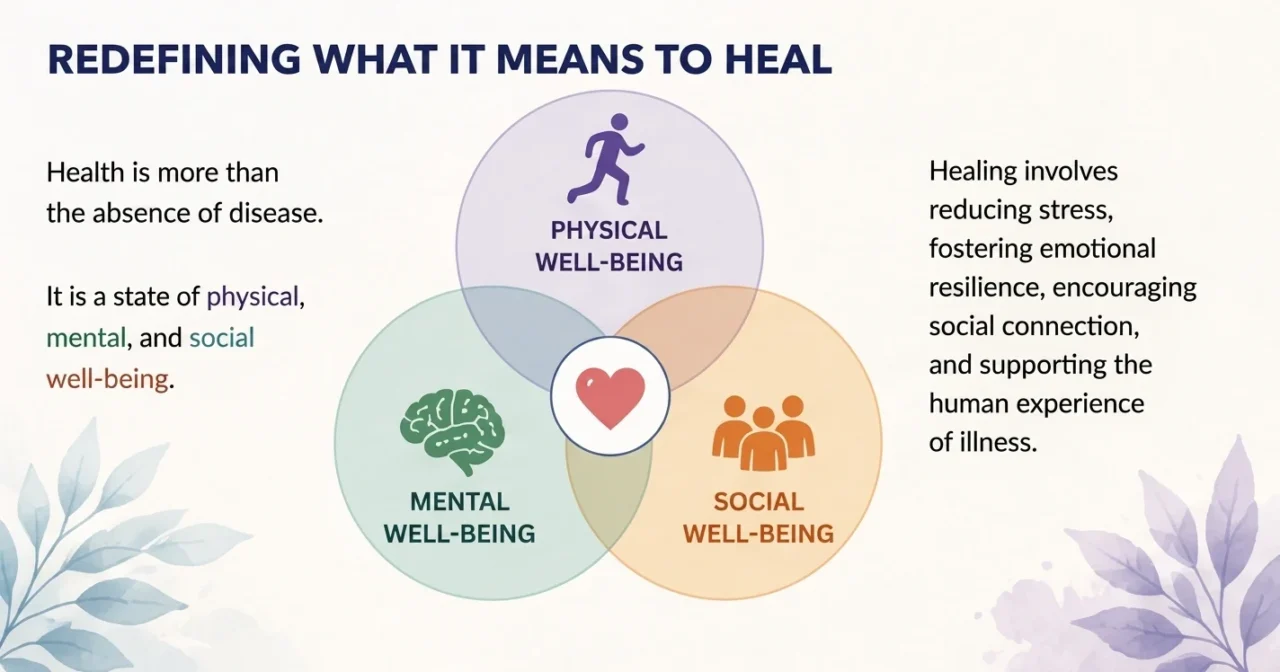
Redefining What It Means to Heal
The session concluded with a message that reflects the World Health Organization’s enduring definition of health as more than the absence of disease. True health encompasses physical, mental, and social well-being.
Modern medicine increasingly recognises that healing is not achieved solely through medications or procedures.
It also depends on reducing stress, supporting emotional resilience, fostering social connection, and helping patients regain a sense of purpose during illness.
The idea of prescribing a museum may once have seemed unconventional.
Today, it represents an emerging field grounded in scientific inquiry, interdisciplinary collaboration, and a broader understanding of patient care.
For clinicians attending ISTH 2026, the lecture offered a memorable reminder that innovation does not always arrive in the form of a new drug, device, or laboratory test.
Sometimes, it begins by asking a different question about what truly helps people heal.
Written by Heghine Khachatryan, MD, PhD, Editor-in-Chief at Hemostasis Today.
Stay updated with Hemostasis Today.
-
Jul 26, 2026, 16:26Novi Yanti Sari: When MPNs Affect the Heart
-
Jul 26, 2026, 14:45Sarah Giorgia Grazia Giannone: An Exciting Chapter in Gene Therapy Research
-
Jul 26, 2026, 14:21Javed Anees: Cerebral Collateral Circulation in Acute Ischemic Stroke
-
Jul 26, 2026, 14:11André Picard։ Canadian Blood Supplies Drop Sharply, Urgent Donor Appeal Issued
-
Jul 26, 2026, 13:54Lorenzo Scalia: New Review Highlights Anticoagulant Strategies for Elderly Patients With Atrial Fibrillation
-
Jul 26, 2026, 13:32Ahmed Kotb: A Practical Guide to Von Willebrand Disease
-
Jul 26, 2026, 12:42Emmanuel J Favaloro: Celebrating Excellence in Scientific Peer Review
-
Jul 26, 2026, 12:20Advancing Sickle Cell Care Through Advocacy – American Society of Hematology
-
Jul 26, 2026, 12:04Paolo Zamboni: Marking 50 Years in Medicine