

Mina Adel Nagi on the Future of ESR Testing with HORIBA’s CoRA Technology
Mina Adel Nagi, North and West Delta Regional Manager at Misreya Medical, shared on LinkedIn:
”Discover the Future of ESR Testing with Horiba ’s Patented CoRA Technology
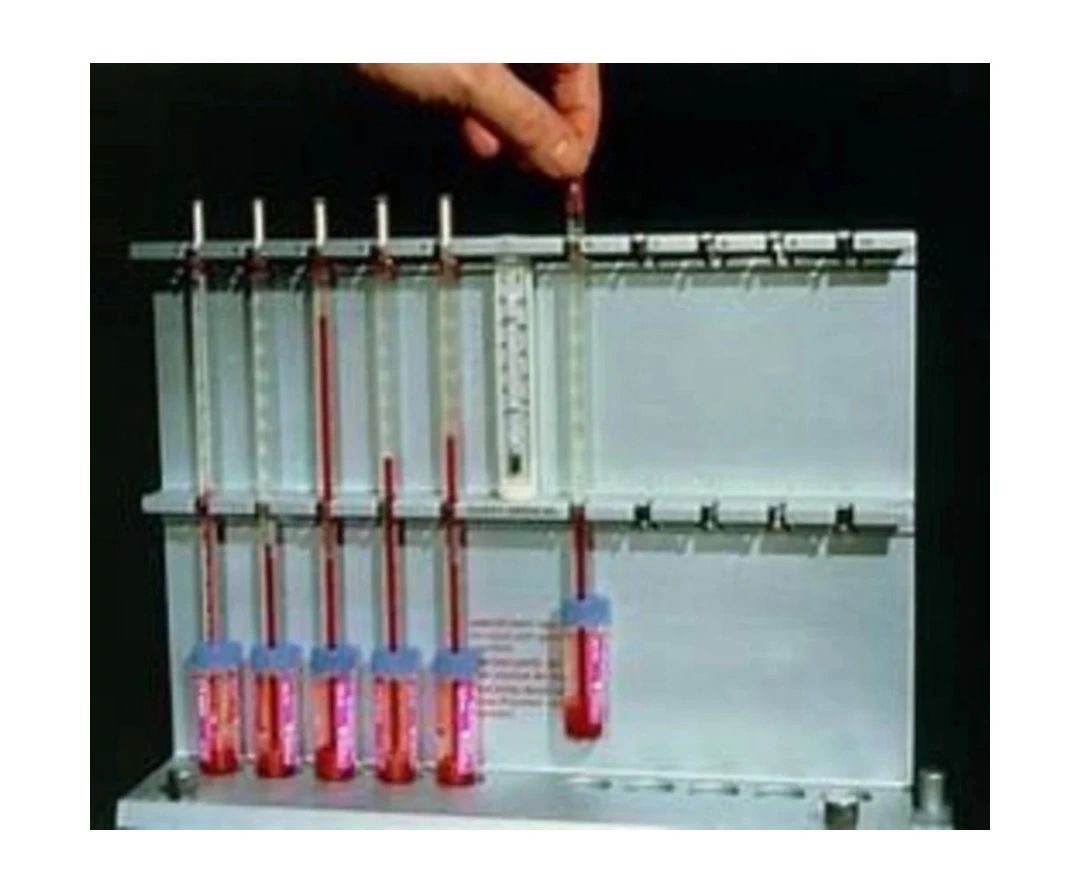
For over 100 years, ESR (Erythrocyte Sedimentation Rate) has remained a key lab marker supporting the assessment of inflammation
Yet, the traditional Westergren approach is often manual, time-consuming, and disconnected from routine CBC workflows.
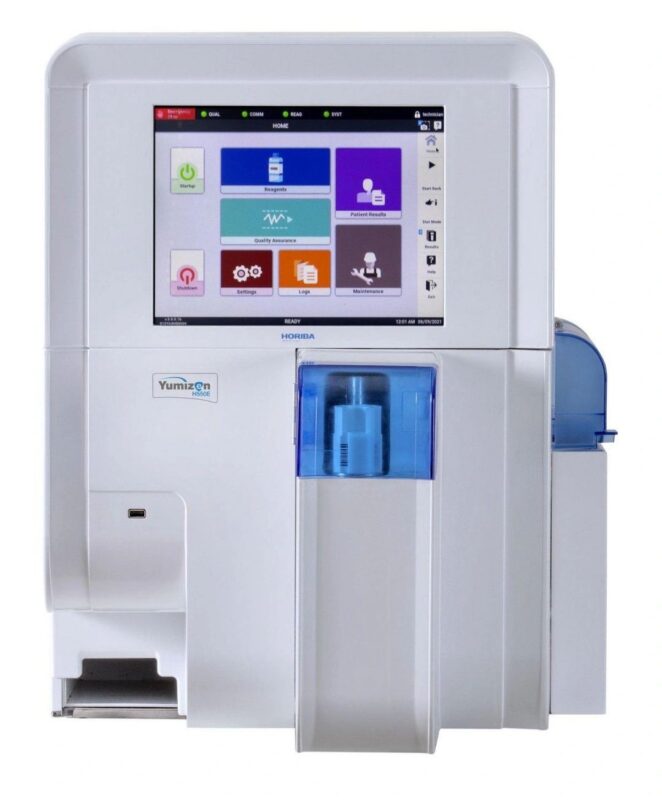
HORIBA’s CoRA (Correlated Rouleaux Analysis) changes the game by integrating ESR directly into automated hematology analyzers (Yumizen H500E and H550E)—turning a century-old test into a modern, streamlined solution.
The real shift: from “sedimentation” to “aggregation”
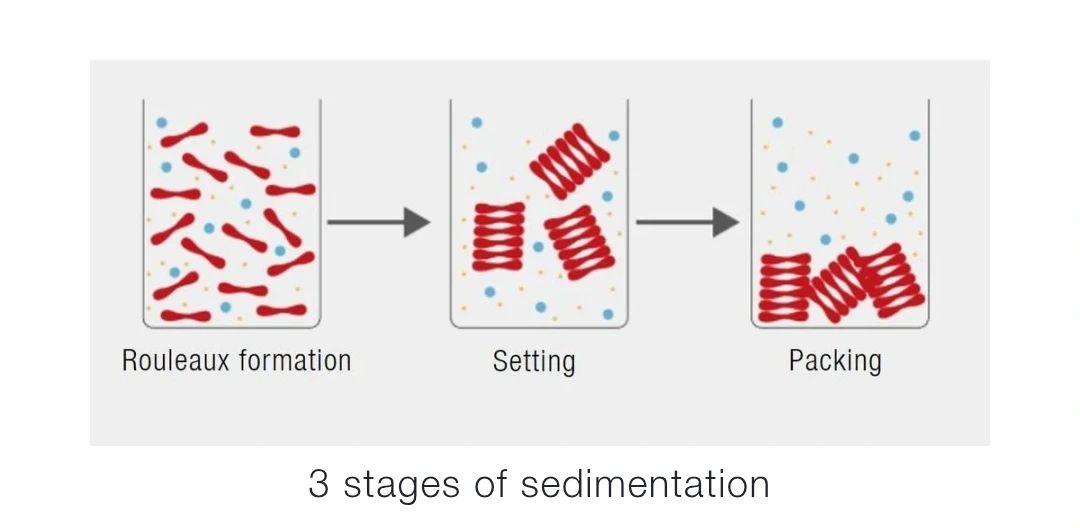
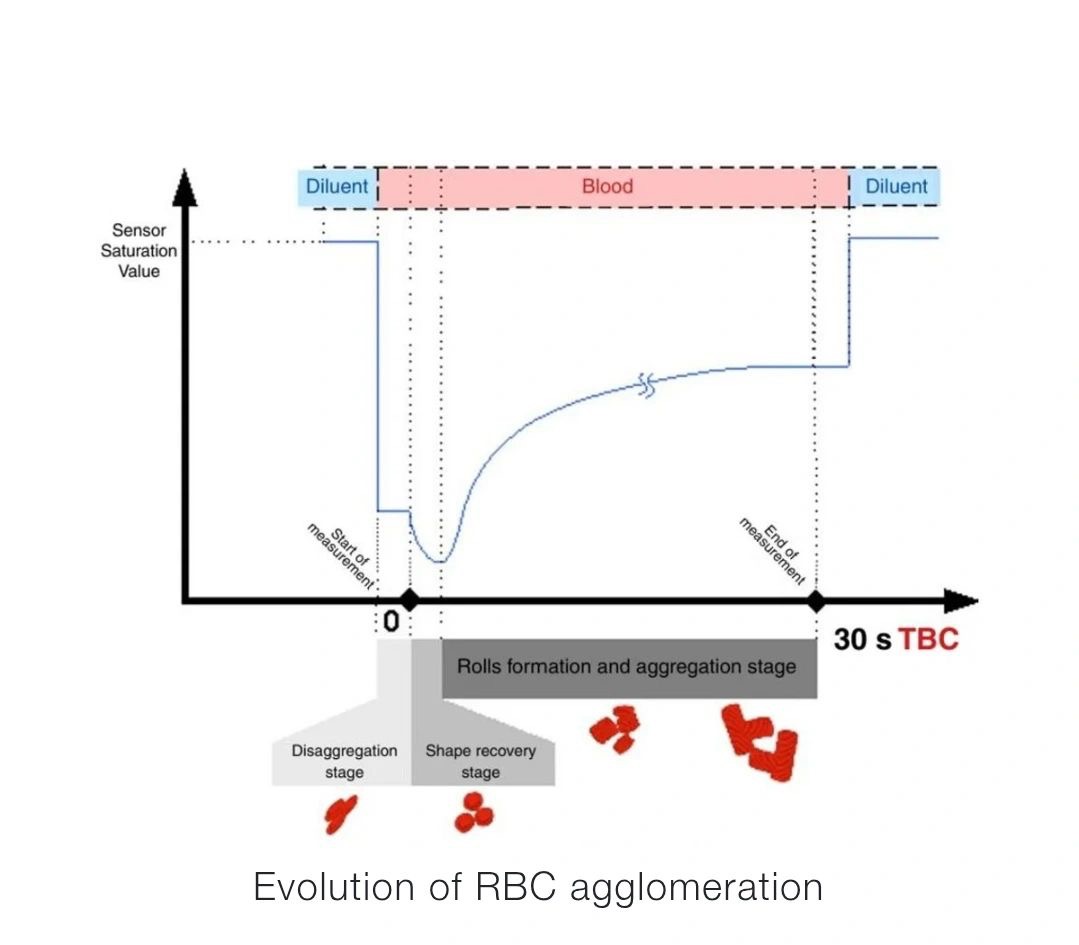
Instead of waiting for RBCs to sediment for an hour, CoRA focuses on the earliest ESR phase: rouleaux (RBC aggregation) formation, then correlates it to an ESR-equivalent value.
How it works (in 3 steps)
1. Aspiration / Suction
Whole blood is aspirated through an optical pathway; shear forces slightly deform RBCs, changing the optical signal.
2. Relaxation / Release
Aspiration pauses—cells recover their shape and optical behavior shifts again.
3.Agglomeration / Re-formation
RBCs form rouleaux; increasing intercellular spaces allow higher light transmission.
Near-infrared optical signals are analyzed to calculate ESR rapidly and reliably.
Protein effect
Inflammation increases plasma proteins (acute-phase proteins and immunoglobulins), reducing RBC repulsion → enhancing rouleaux formation → increasing ESR.
Why CoRA Matters
Patent-protected innovation: dynamic RBC aggregation analysis correlated to Westergren
Faster workflows: ESR + CBC/Diff in ~60 seconds
Added clinical value: faster inflammation assessment in critical care, infections, autoimmune cases
Space and cost optimization: one platform, fewer steps, fewer instruments
CoRA isn’t just an upgrade—it’s a paradigm shift, bringing a century-old gold standard into the automated era.”
Stay updated with Hemostasis Today.
-
Sep 21, 2026, 03:49Jessica Lee: Walking Together for a Stronger Bleeding Disorders Community
-
Sep 21, 2026, 03:36Syed Asif Ali Shah: From Pakistan to Australia – A Clinical Haematology Milestone
-
Sep 21, 2026, 03:22Katie Baca-Motes: Estradiol Fluctuations May Help Explain Menstrual Migraine
-
Sep 21, 2026, 03:00Family History Can Reveal Hidden Risk of Aortic Dissection – The Marfan Foundation
-
Sep 21, 2026, 02:47Transitioning from Paediatric to Adult Haemophilia Care – Haemophilia Foundation Australia
-
Sep 21, 2026, 02:29Diana Castro Paupério: A New Era for Patient Blood Management
-
Sep 21, 2026, 00:29Iheanyichukwu Ike: Childhood Anaemia in Nigeria Through an Analysis of the 2018 NDHS
-
Sep 21, 2026, 00:27Nicole De Vita: The Global Burden of Iron Deficiency and Anemia in Women at SABM
-
Sep 21, 2026, 00:25Giuseppe Panuccio: IVUS and OCT Guidance Reduce MACE and Stent Thrombosis in Calcified Coronary Lesions