

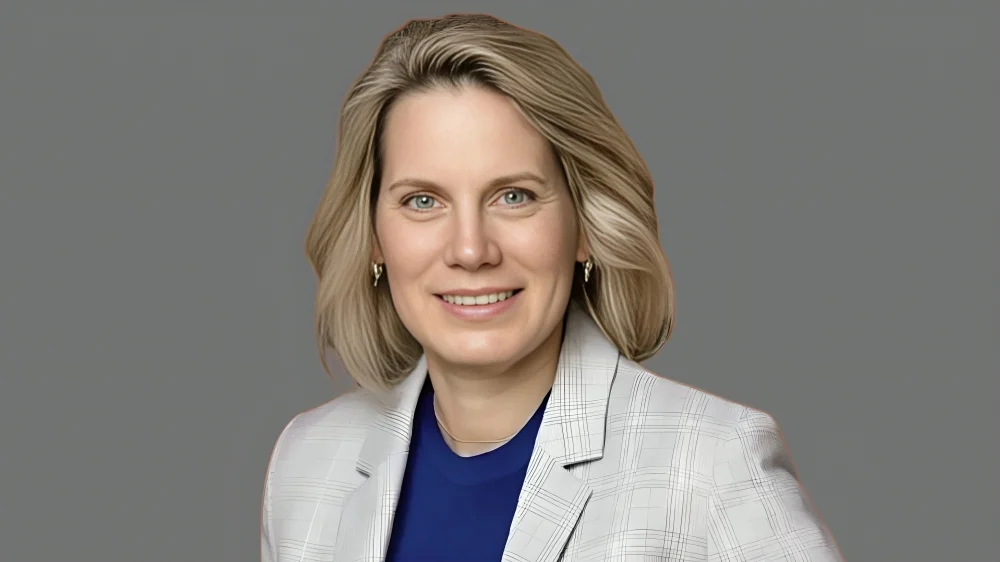
Svenja Tatjana Barckhausen: From Plasma Dependence to Self-Sufficiency in Africa
Svenja Tatjana Barckhausen, CEO and Founder of Blood Plasma Strategy Experts, shared a post on LinkedIn:
“Africa is still undersupplied with erythrocytes and plasma derived medicinal products (pdmP).
Improvement is possible and the potential is huge to become self-sufficient and strengthen access to care through own efforts.
African nations can hardly afford pdmP’s made from expensive US plasma that accounts for more than 70 percent of global plasma collection.
As a result, too many patients remain untreated.
Countries can rise from dependence to independence by collecting enough plasma for fractionation.
By strengthening local collection, countries can move from dependence on costly imports toward true independence and sustainable access to care.
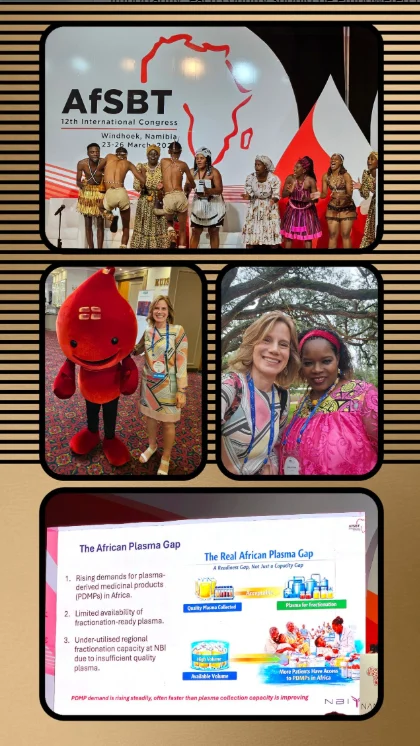
Encouragingly, during the AfSBT Congress in Namibia this March, where I had the privilege to participate, I sensed a shift: awareness is growing that local collection of blood and plasma for fractionation is not just important — it’s essential for the continent’s future healthcare resilience.
Several models were discussed by different speaker and high level attendees such like the minister of health of Namibia, representatives from European blood banks and governments as well as the WHO had representative attending.
One immediate step is to make Recovered Plasma from whole‑blood donations available for fractionation.
Beyond that, introducing plasmapheresis and establishing sustainable plasma collection will be essential to achieving plasma product independence across the continent.
This approach benefits everyone: blood banks can reinvest proceeds from plasma utilization to strengthen their national transfusion services.
Introducing plasmapheresis and sustainable plasma collection systems will not only improve access to PDMPs but also drive Africa toward self-sufficiency.
Importantly, each country should be empowered to choose its own path — whether developing national fractionation facilities or creating regional collaborations that fit their healthcare and political realities.
Several nations have already started demonstrating that this goal is achievable.
Egypt has already shown that establishing plasmapheresis programs is possible in Africa.
Namibia’s initiative to use its Recovered Plasma is another strong example – a small but powerful step toward greater access to care across the continent.
The vision is clear: Africa can produce its own plasma for fractionation to build resilient, independent, and sustainable access to care.”
Stay updated with Hemostasis Today.
-
Oct 19, 2026, 10:18Flora Peyvandi: Unravelling the Complexity of VWF Through Genetics
-
Oct 19, 2026, 09:55High DOAC Adherence in Patients With Ischemic Stroke and AF – International Journal of Stroke
-
Oct 19, 2026, 08:20Cory Dugan: The IRONWOMAN Trial Individual Responses to IV Iron Therapy in Active Women
-
Oct 19, 2026, 07:36Johannes Kaesmacher: Cerebral No-Reflow After Thrombectomy Toward a Standardized Definition
-
Oct 19, 2026, 07:33Beth Psaila: Highlights from IACH Annual Meeting and MPN Horizons
-
Oct 19, 2026, 07:29Wolfgang Miesbach: Can Losartan Activate Brown Fat? – Nature Study Explores New Therapeutic Link
-
Oct 19, 2026, 07:22Ruben Mesa: Honored to Speak at the Tandem MPN Meetings of IACH
-
Oct 19, 2026, 07:19Saneha Anjum Shaikh: Parul University Partners with Raktasevak Bike Ride 2026 for Blood Donation Drive
-
Oct 19, 2026, 07:09Alejandro González Veliz: No ST Elevation Does Not Guarantee an Open Coronary Artery