

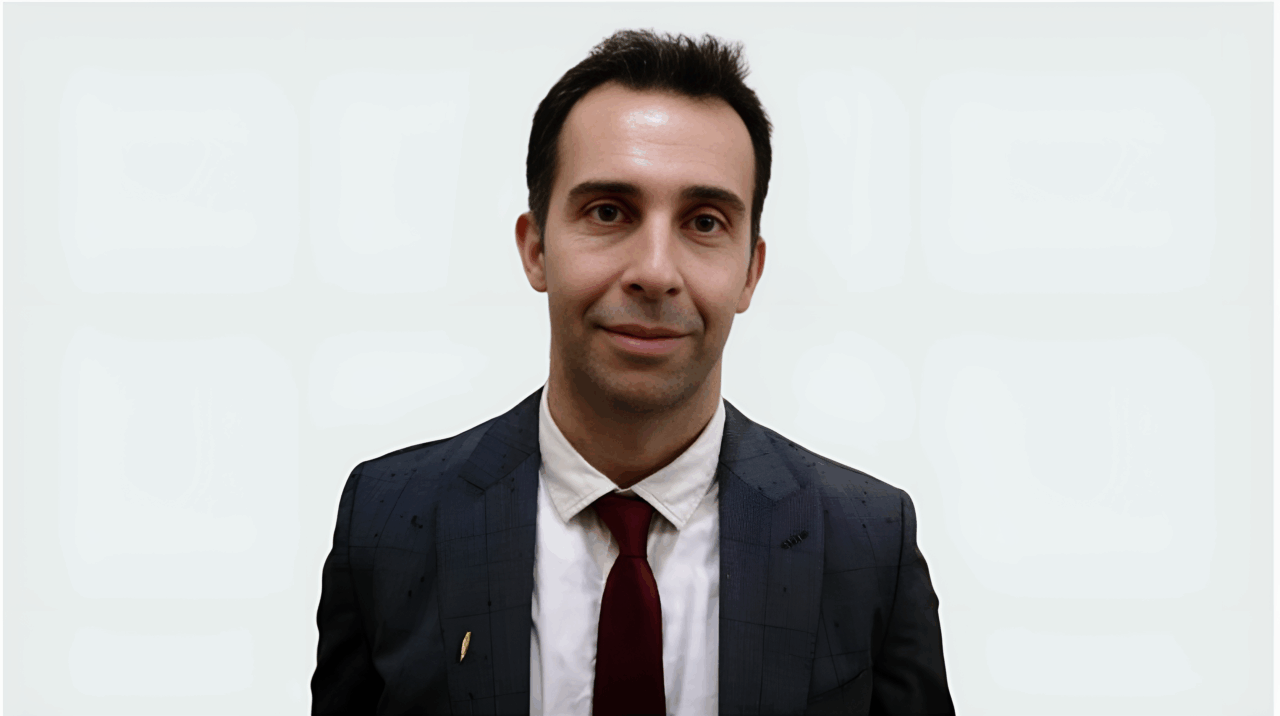
Timos Papagatsias: Interested in Social Media in the Hematology Space?
Timos Papagatsias, CEO of LucidQuest, shared on LinkedIn:
”Interested in social media in the Hematology space?
Download our ASH24 social media report!
Our team monitored and analyzed ASH-related posts on X (previously Twitter) before, during, and after the event. Here are some key takeaways:
Key Hashtags: mmsm led the discussion, emphasizing Multiple Myeloma, followed by lymsm and leusm. Hashtags like Med Twitter, mpnsm, Moffitt ASH24, MedEd, and Blood Journals also garnered significant traction, reflecting a broad and dynamic conversation around hematological research and treatment.
Top Discussion Themes: Data was the primary focus (~17.7%), highlighting the importance of evidence-based insights.
Efficacy followed closely (~16.2%), with Clinical Trials at ~13.7%. Additional themes around Treatments, patient perspectives, and Safety highlighted the drive towards more effective and patient-centered care.
Leading Voices: Doctors dominated the conversation (~56%), with Education-related and Media accounts contributing ~8% and ~10% respectively.
Research (~12%), Company (~2%), and Advocate (~10%) accounts were also active, while Nurses again scored low (~2%) in high-volume posts.
Audience Sentiment: The sentiment was overwhelmingly positive (~85%), celebrating the event’s educational value and novel insights.
About 10% were neutral, offering real-time updates and general information, while ~5% expressed negative feedback, primarily regarding session overcrowding and issues with the conference app.
Text Analytics: Discussions centered on patient-centric, data-driven approaches in Multiple Myeloma and Lymphoma management.
Treatments like CART therapy and Daratumumab attracted considerable attention, reflecting the growing impact of advanced therapeutics in hematology.
If you’re interested in social media coverage during conferences, send us a message at [email protected]; we cover multiple therapyareas and events!”

Stay updated with Hemostasis Today.
-
Nov 8, 2026, 18:56Denis Oduor: Strengthening the Regulation and Delivery of Blood Transfusion and Transplantation Services
-
Nov 8, 2026, 18:28Raghavendra Rao: A Narrative Review on Chronic Venous Disease during Pregnancy
-
Nov 8, 2026, 17:57Dhiren Patel: PLD1-Derived Phospholipids Regulate NAD Kinase and ROS Production in Neutrophils
-
Nov 8, 2026, 17:48Andra T.: What Causes Antiphospholipid Syndrome? – Four Steps, not One Cause
-
Nov 8, 2026, 17:38Nasrin Samadi: Can a Normal Clotting Test Be Misleading?
-
Nov 8, 2026, 17:36Paschalis Evangelidis: The Multifactorial Nature of Cardiovascular Risk in People With Hemophilia
-
Nov 8, 2026, 17:32Evangelos Panagiotopoulos: Apixaban Reduces Stroke and Major Bleeding Risk in Secondary Stroke Prevention
-
Nov 8, 2026, 17:27Danny Gaskin: Applications Open for the BBTS Specialist Certificate in Clinical Transfusion Practice
-
Nov 8, 2026, 16:54James P. Crowley: DOAC Testing Under 50 ng/mL Safely Expedites Urgent Hip Fracture Surgery