

A Dickensian Reality: Warfarin Patients Are Treated Like Orphans – Says Pall Onundarson
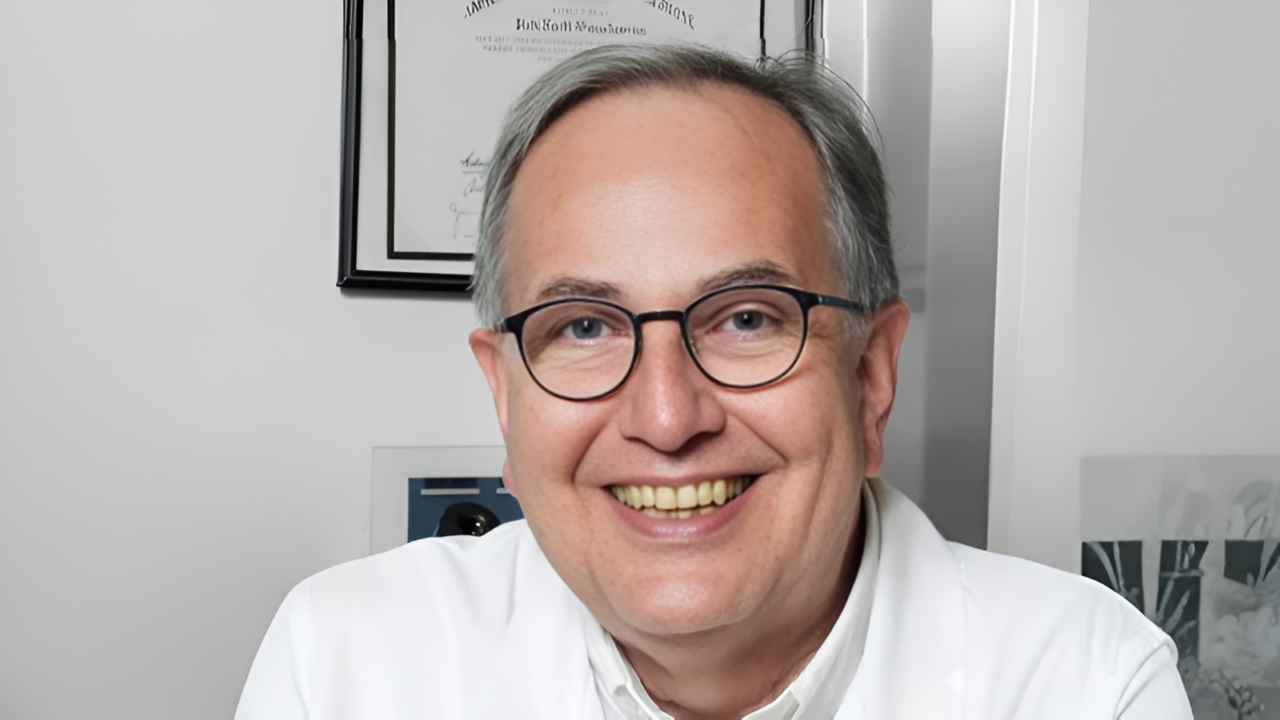
Pall Onundarson, Professor Emeritus at Landspitali University Hospital, posted on LinkedIn:
”I recently read eye-opening books by Chris Deacon, Jerry Avorn, and John Abramson on corruption in increasingly corporate-driven healthcare systems. This reading makes one point unmistakably clear: advances in health technology now depend largely on a manufacturer’s ability to profit. Improvements to older technologies are suppressed – as though they do not exist – even when patients who could greatly benefit remain. These patients are simply left behind, and regulators make no demands on their behalf.
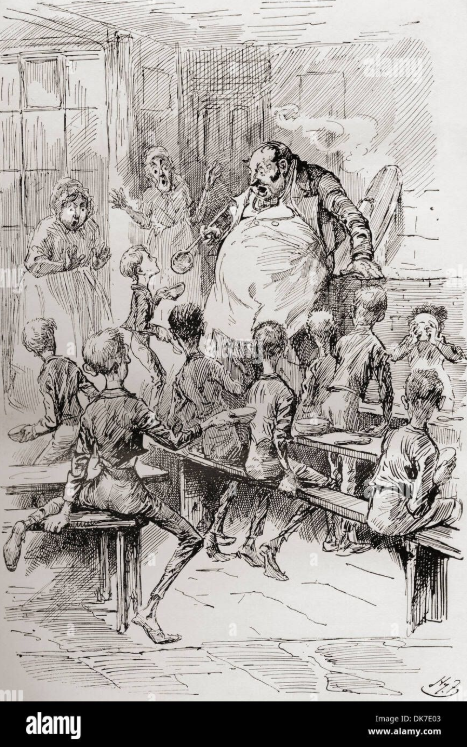
As the reader may guess, I am referring to patients who still need warfarin (or other VKAs) because newer agents are unsuitable for them. They find themselves in a situation reminiscent of a hungry Oliver Twist in a 19th-century English orphanage pleading, “Please, Sir, I want some more.” These patients are deliberately treated in a Dickensian manner – as burdensome orphans who deserve only minimal servings and no advances.
By 2025, it has become clear that conventionally PT-INR monitored warfarin and other VKAs are still the most effective oral anticoagulants for the most severe thromboembolic conditions (MHV, RHD, APLAS, frail AF, and possibly others). But warfarin management can be made more convenient and outcomes improved. Why, then, are highly effective advances in VKA care met with silence from the owners of the orphanage and their acolytes? Why are the orphans and their caretakers not informed about meaningful improvements, such as more stable or enhanced VKAs? Is it possible that those who profit most simply do not want warfarin management to improve in needy patients?
Early in my career, I believed medicine was guided by well-meaning fiduciaries committed to reducing disability and death. Later, I realized that progress is now permitted mainly when corporate shareholders can maximize profit. Corporations promote newer drugs sold at high prices as being superior to older generics while blocking inexpensive advances that could improve outcomes with those older medications. They appear untroubled if this sacrifices some of the orphans who must still rely on drugs like warfarin – drugs whose management remains suboptimal because meaningful improvements have been suppressed. In this way, the orphans are denied effective, simple, and cost-saving innovations, even at the cost of greater disability and death.”
Keep up with Hemostasis Today.
-
Sep 8, 2026, 16:14Heghine Khachatryan: Colombo 2026 Insights on Point-of-Care Ultrasound in Hemophilia Joint Care
-
Sep 8, 2026, 15:57Flora Peyvandi: Efficiency Meets Innovation in Hemophilia B Gene Therapy
-
Sep 8, 2026, 15:48Maxime Dely: Guillain-Barré Syndrome – What if the Key Lies in the Plasma?
-
Sep 8, 2026, 15:34Ron DePinho: A Negative Trial Highlights the Need for Precision in Cardiovascular Inflammation
-
Sep 8, 2026, 15:31Adil Yousaf: Thrombolysis Speed Matters, but Eligibility Comes First
-
Sep 8, 2026, 15:28Dhargam Aljebouri: First Molecularly Characterized Para-Bombay Phenotype in the Arab World
-
Sep 8, 2026, 15:27Mohd Ashhad: How Much Does Hemoglobin Increase After 1 Unit of PRBC?
-
Sep 8, 2026, 15:27Sanish Babu: The Hematocrit–Platelet Signal in Severe Dengue
-
Sep 8, 2026, 15:26Mary Kama: Climate-Informed Early Warning Systems for Sickle Cell Anaemia