


Sickle Cell Disease Deserves to Be Prioritised in Ghana – ISCC
International Sickle Cell Centre (ISCC) shared a post on LinkedIn:
“Sickle cell disease deserves to be prioritised in Ghana.
31 years after Ghana’s first newborn screening for sickle cell disease (SCD), we still do not have universal screening.
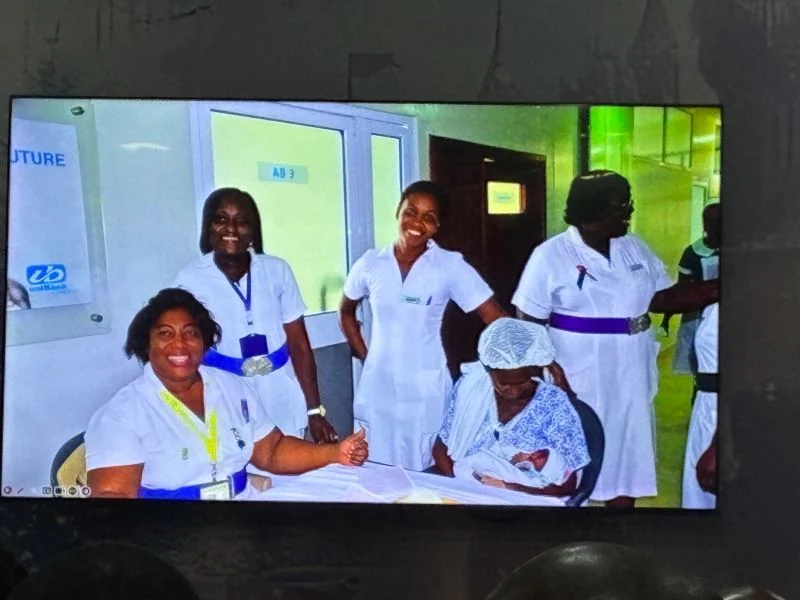
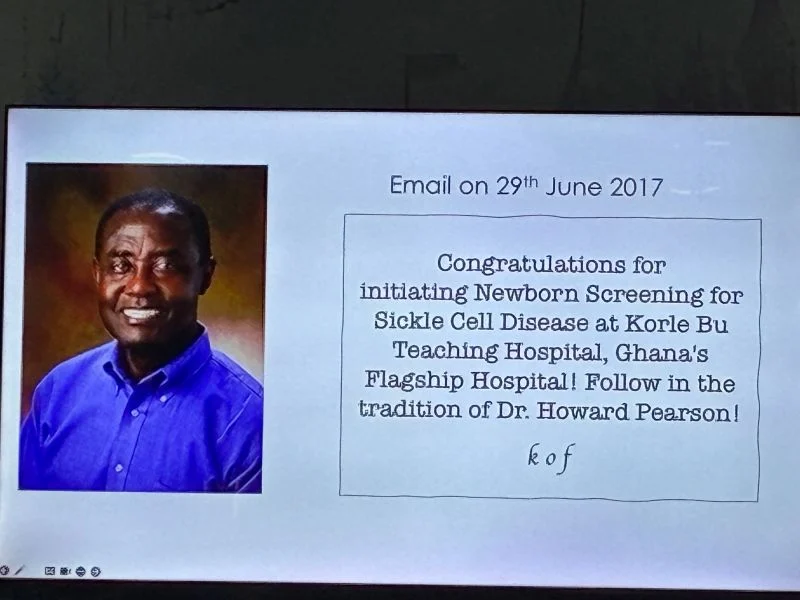
In 1995, the late Professor Kwaku Ohene-Frimpong (KOF) began pilot newborn screening for SCD at Komfo Anokye Teaching Hospital , funded through donor grants.
By 2008, the Sickle Cell Foundation of Ghana and its partners had screened over 250,000 babies, with some support from the Ministry Of Health, Ghana and the National Health Insurance Authority of Ghana (NHIA) in the early 2000s.
Building on this work, a national newborn screening programme was launched in 2010, with plans for a five-year scale-up. Yet, the hopes for universal newborn screening remains unfulfilled.
In recent years, newborn screening in Ghana has largely been sustained by partners such as the Clinton Health Access Initiative, Inc. (CHAI), The Hospital for Sick Children , St. Jude Children’s Research Hospital and the American Society of Hematology.
These investments have been invaluable!
But after 31 years, Ghana remains in a ‘pilot phase’, with screening reaching only about 5.5% of newborns.
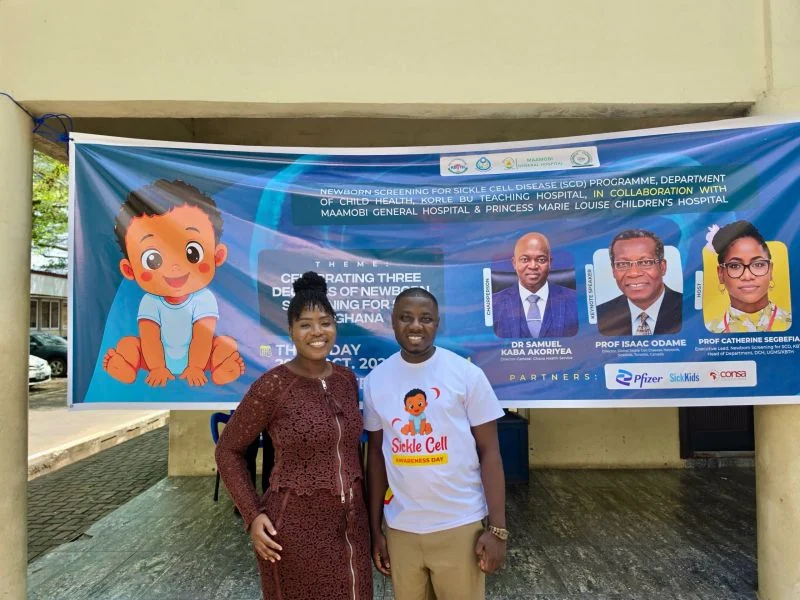
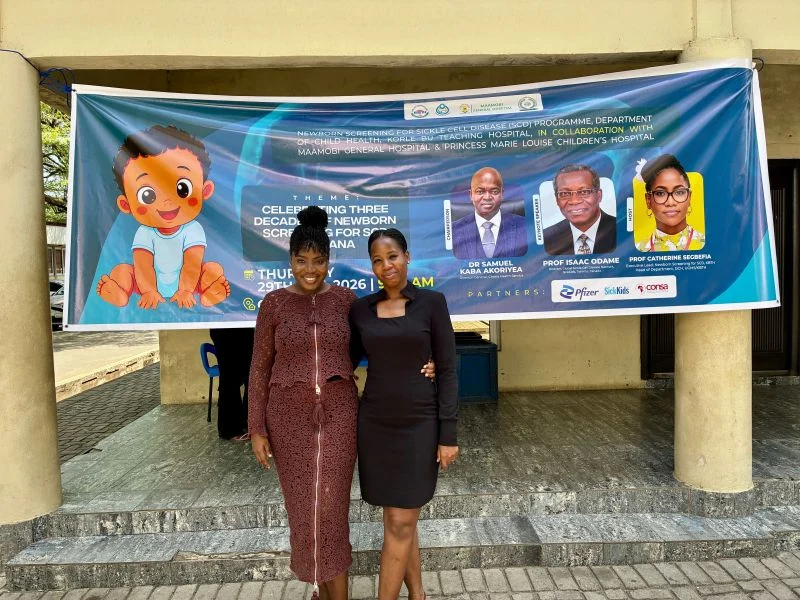
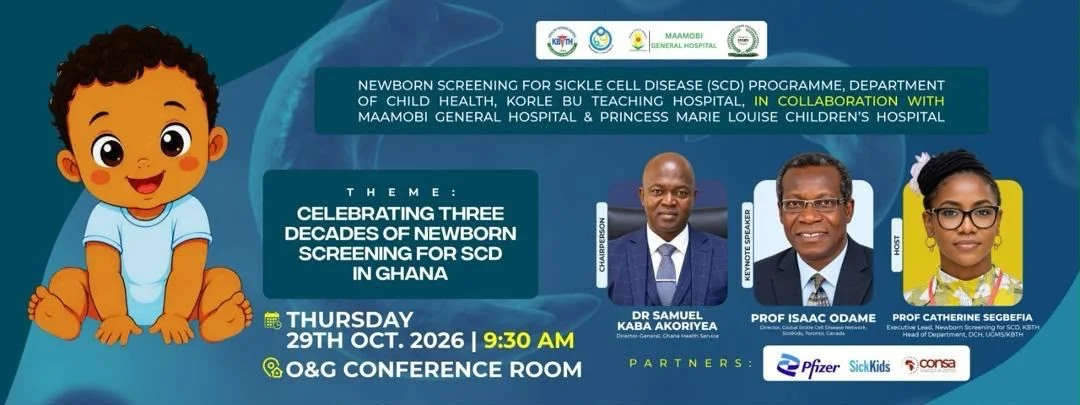
Speaking at the Professor Kwaku Ohene-Frimpong Memorial Lecture, which marked three decades of newborn screening, Professor Isaac Odame, Head of the Division of Haematology and Oncology at the Hospital for Sick Children (SickKids) in Toronto, highlighted a golden opportunity: the recently launched Free Primary Healthcare initiative can help secure sustainable universal early infant screening for SCD.
On the same day, the Ministry of Health, with support from CHAI, convened key stakeholders, including the NHIA and ISCC, to refine the cost inputs needed for an economic analysis of SCD prevention and care, particularly for affected children and adolescents.
At ISCC, we call for these efforts to translate into sustained government funding, universal early infant screening, and quality, affordable and accessible care for affected individuals.
A journey of a 1000 miles begins with a single step. Ghana took that step 31 years ago. What we now need is sustained commitment, so no child’s diagnosis of SCD depends on donor funding cycles.
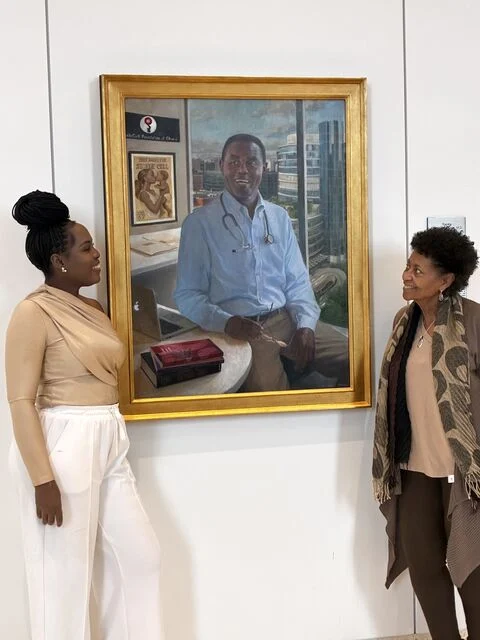
KOF’s legacy reaches far beyond Ghana. His portrait hangs at the Children’s Hospital of Philadelphia, where his contributions to sickle cell care continue to benefit people living with SCD and their families.
His sacrifices, and those of many others, will not be in vain.”

Stay updtaed with Hemostasis Today.



-
Nov 12, 2026, 22:47Samir Kumar Beura: Delighted to Serve as a Topic Editor for a Research Topic in Frontiers in Neuroscience
-
Nov 12, 2026, 22:46Ashish Sharma: In-Hospital Mortality and Bleeding Complications in APL
-
Nov 12, 2026, 22:44Mary Cushman: New Position at the Vermont Center for Cardiovascular and Brain Health
-
Nov 12, 2026, 22:43Lama Alstanbuli: Discussing and Optimizing Stroke Pathways Across Healthcare Systems
-
Nov 12, 2026, 22:35Carmen’s Recovery From Spontaneous Coronary Artery Dissection – American Heart Association
-
Nov 12, 2026, 22:34What’s Next in Comprehensive Care for Hemophilia and Other Bleeding Disorders? – WFH
-
Nov 12, 2026, 22:33Sanjay Ahuja: Presenting on Artificial Intelligence in Hematology Learning and Practice at ASH 2026
-
Nov 12, 2026, 16:35Mohamed Hesham Gamal: Intravenous Thrombolysis Shows Strong Safety Profile in Stroke Mimics
-
Nov 12, 2026, 14:35Mokhtar Tazik: Connecting Clinical Demand with Plasma Collection and Fractionation Capacity