

EHC: Recognizing Von Willebrand Factor as a Critical Medicine in Bleeding Care
The European Haemophilia Consortium (EHC) recently shared a post on X:
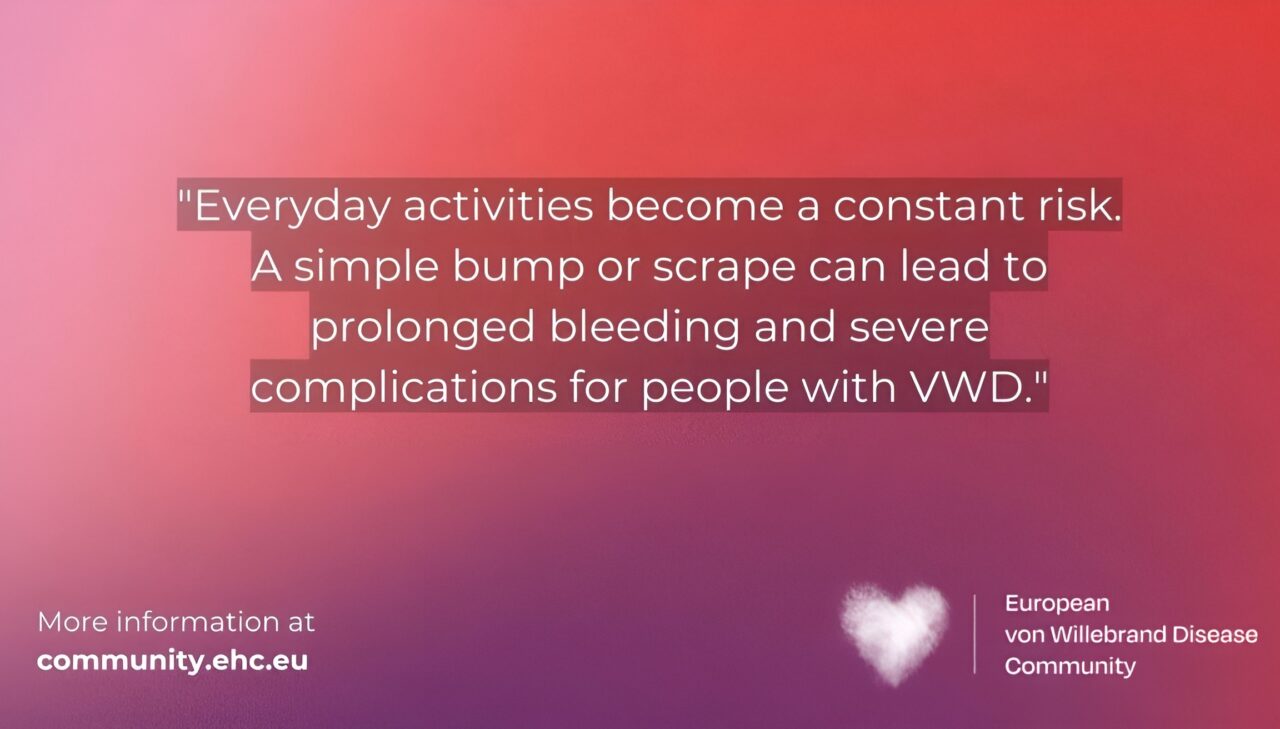
”Von Willebrand Disease affects 1:1000 individuals and, if not recognised, may cause severe bleeding symptoms after trauma or surgery that can be life-threatening. It’s time for health systems to recognise Von Willebrand Factor as a Critical Medicine. European Medicines Agency”
Von Willebrand Disease (VWD), the most common inherited bleeding disorder, affects approximately 1 in 1,000 individuals.
When unrecognized or untreated, it can lead to serious, even life-threatening bleeding, particularly after trauma or surgical procedures.
Despite its prevalence and potential severity, VWD remains underdiagnosed and undertreated in many health systems.
There is an urgent need to designate Von Willebrand Factor (VWF) as a Critical Medicine to ensure timely diagnosis, treatment access, and improved outcomes for patients.
Recognizing VWF’s essential role in bleeding management is a key step toward better care for individuals living with VWD worldwide.
Hemostasis Today, your daily update on the waves in bleeding disorders community.
-
Oct 9, 2026, 11:06Nobles Green: How siRNA Therapy Helps the Body Form Stronger Clots
-
Oct 9, 2026, 10:53Switching From Emicizumab to Denecimig in Hemophilia A – Rare Disease Advisor
-
Oct 9, 2026, 10:40What New U.S. Data Reveal About GT – Glanzmann’s Research Foundation
-
Oct 9, 2026, 10:32Anjali Pandey: The Morphologic Clues to MDS With del(5q)
-
Oct 9, 2026, 10:13Reza Shojaei: 5 Leadership Responsibilities for a Sustainable Plasma Ecosystem
-
Oct 9, 2026, 08:38Johannes Gratz: Perioperative Care in Factor VII Deficiency – Treating the Patient, Not the Number
-
Oct 9, 2026, 08:28Ghanim Fajish: Vascular Cells May Retain a Prothrombotic Memory of Oxidative Stress
-
Oct 9, 2026, 07:43Mehmet Cilingiroglu: The First Diagnosis of Coronary Thrombosis in a Living Patient
-
Oct 9, 2026, 07:21Federico Ravaioli: 40 kPa Spleen Stiffness May Help Avoid Endoscopy in Chronic PVT