


Alejandro González Veliz: Pulmonary Embolism Is Not Always an Anticoagulation-Only Problem
Alejandro González Veliz, Interventional Cardiologist at Institute of Cardiology and Cardiovascular Surgery, shared a post on LinkedIn about a resent article by Pablo Salinas et al, published in Revista Española de Cardiología, adding:
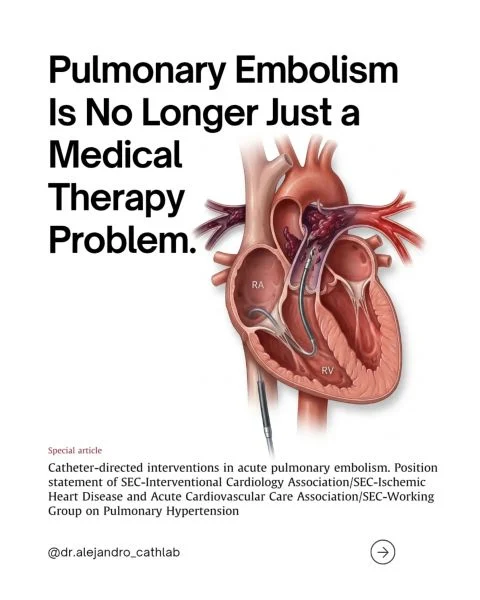
“Pulmonary embolism is not always an anticoagulation-only problem.
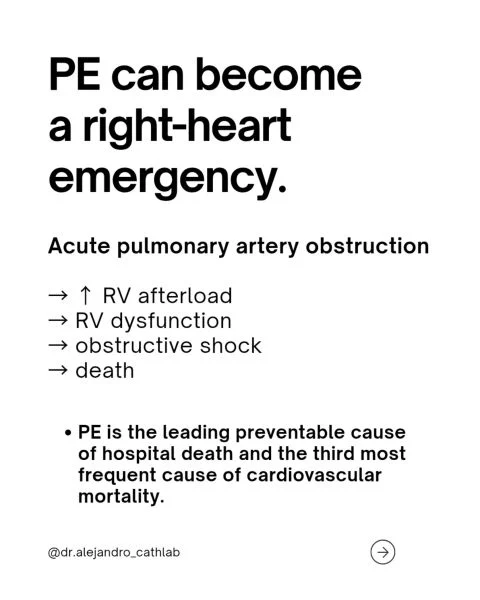
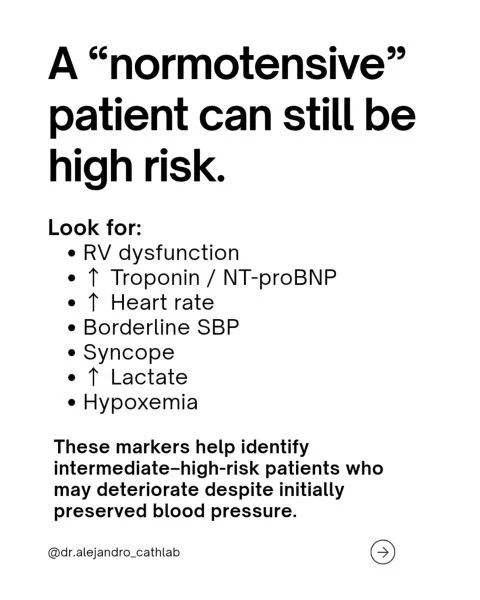
Acute PE can rapidly increase right ventricular afterload, leading to RV dysfunction, hemodynamic compromise, and potentially fatal obstructive shock.
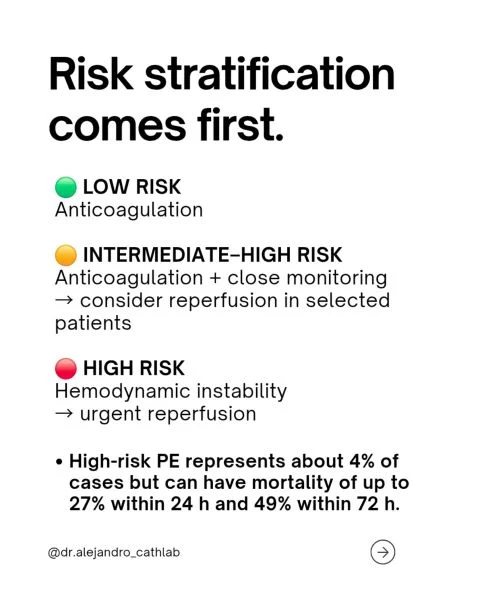
The challenge is identifying who needs more than anticoagulation — and when.
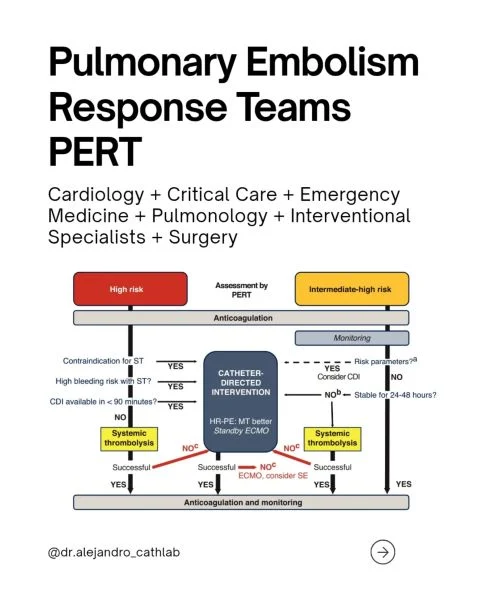
Catheter-directed interventions (CDI), including local thrombolysis and mechanical thrombectomy, are increasingly important options for selected patients with intermediate–high- and high-risk PE.
But this is not a ‘one-size-fits-all’ approach.
The decision should integrate:
- Hemodynamic status
- RV dysfunction
- Biomarkers and clinical deterioration
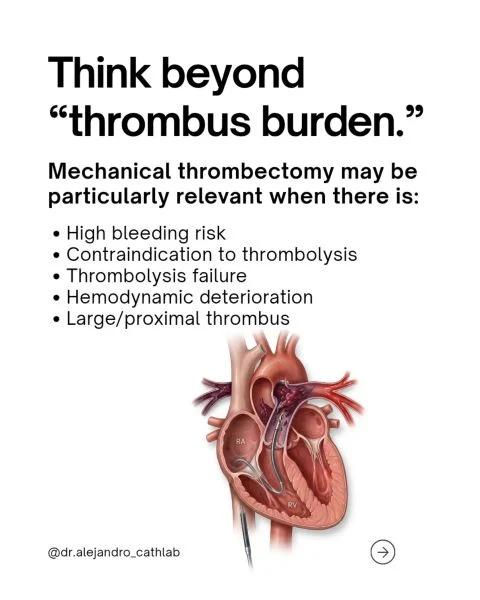
- Bleeding risk
- Contraindications to systemic thrombolysis
- Availability and timing of CDI
- Need for mechanical circulatory support
- Multidisciplinary PERT assessment
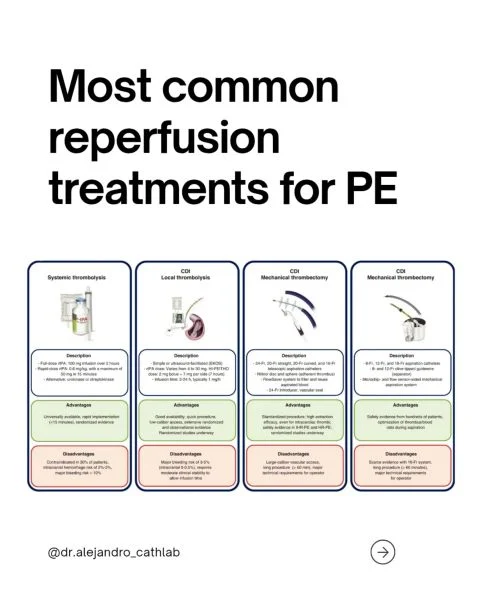
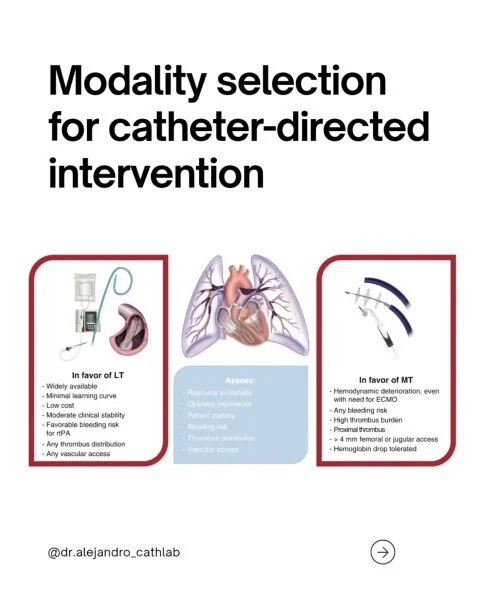
Mechanical thrombectomy offers the possibility of rapidly reducing pulmonary vascular obstruction without administering systemic thrombolytics, while catheter-directed thrombolysis can deliver lower-dose thrombolytic therapy directly into the pulmonary circulation.
Each strategy has its own advantages, limitations, and patient-selection criteria.
Importantly, the goal of intervention is not necessarily complete clot removal.
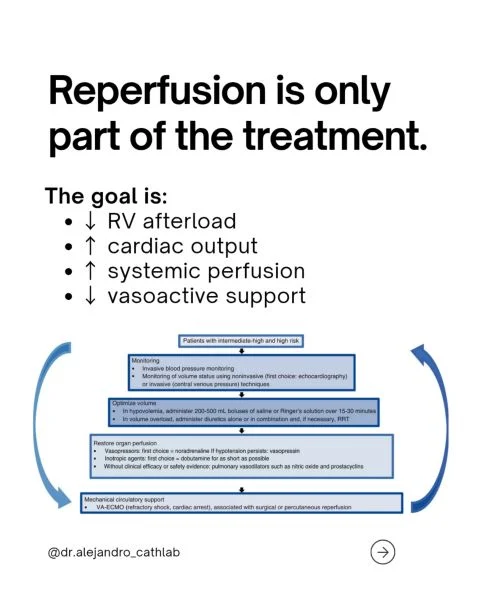
The real endpoint is clinical and hemodynamic improvement:
Reduced RV afterload leads to increased cardiac output, which restores organ perfusion.
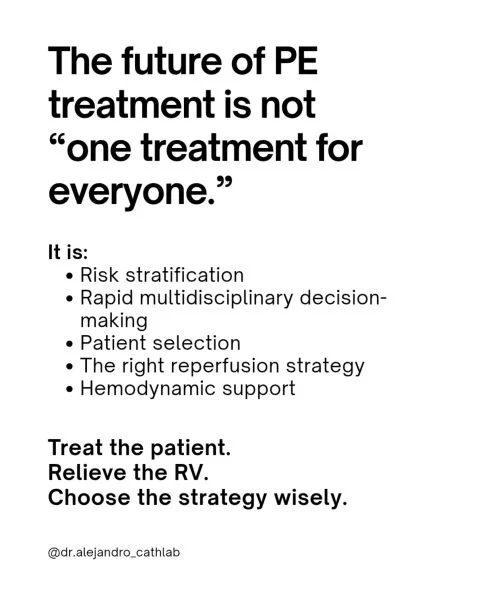
The future of PE management may not be about choosing the best device.
It may be about choosing the right strategy for the right patient at the right time.
Treat the patient. Relieve the RV.
Choose wisely.”
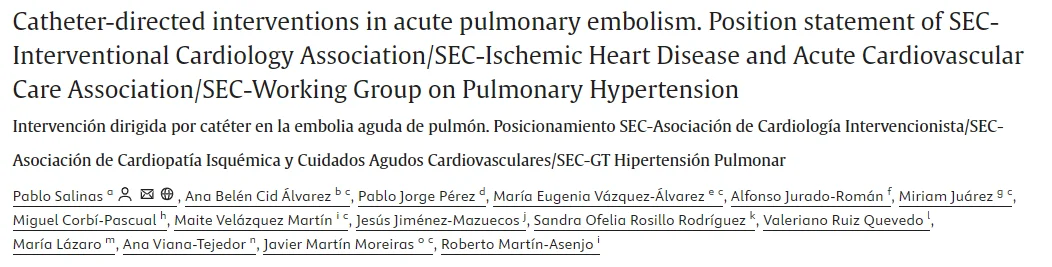
Title: Catheter-directed interventions in acute pulmonary embolism. Position statement of SEC-Interventional Cardiology Association/SEC-Ischemic Heart Disease and Acute Cardiovascular Care Association/SEC-Working Group on Pulmonary Hypertension
Authors: Pablo Salinas a, Ana Belén Cid Álvarez b c, Pablo Jorge Pérez d, María Eugenia Vázquez-Álvarez e c, Alfonso Jurado-Román f, Miriam Juárez g c, Miguel Corbí-Pascual h, Maite Velázquez Martín i c, Jesús Jiménez-Mazuecos j, Sandra Ofelia Rosillo Rodríguez k, Valeriano Ruiz Quevedo l, María Lázaro m, Ana Viana-Tejedor n, Javier Martín Moreiras o c, Roberto Martín-Asenjo
Stay updated on all scientific advances with Hemostasis Today.
-
Oct 2, 2026, 06:00Susan Wickersham: Gradual Shift towards Autologous Blood Transfusion is a Current Trend
-
Oct 2, 2026, 05:54Shamee Shastry: When Every Cell Reacts – The Hunt for Rare Blood
-
Oct 2, 2026, 05:49David Mclntosh: Expanding Plasma Protein Therapies in Underserved Regions
-
Oct 2, 2026, 05:38Dianne E. van der Wal: C-Terminal Endings Impact PAR1/PAR4 Peptide Potency in In Vitro Platelet Assays
-
Oct 2, 2026, 05:29Mohammed Alo: Your LDL Isn’t a Snapshot – It’s a Smoking Habit Measured in Years
-
Oct 2, 2026, 00:33Marwa Mostafa: Hemoglobinopathies – When Globin Genes Go Wrong
-
Oct 1, 2026, 23:46Behnood Bikdeli: Global Burden of Venous Thromboembolism
-
Oct 1, 2026, 23:46Sthanu Subramanian: Clinical Presentation, Risk Factors, Diagnosis, and Neuroimaging Findings in CVT
-
Oct 1, 2026, 23:45Martha Gulati: Oral MHT Is Associated With Increased Thrombotic Risk