


Alejandro González Veliz: Silent Atherosclerosis Starts Earlier Than We Think
Alejandro González Veliz, Interventional Cardiologist at Institute of Cardiology and Cardiovascular Surgery, shared a post on LinkedIn about a recent article by Henning Bundgaard et al., published in The New England Journal of Medicine, adding:
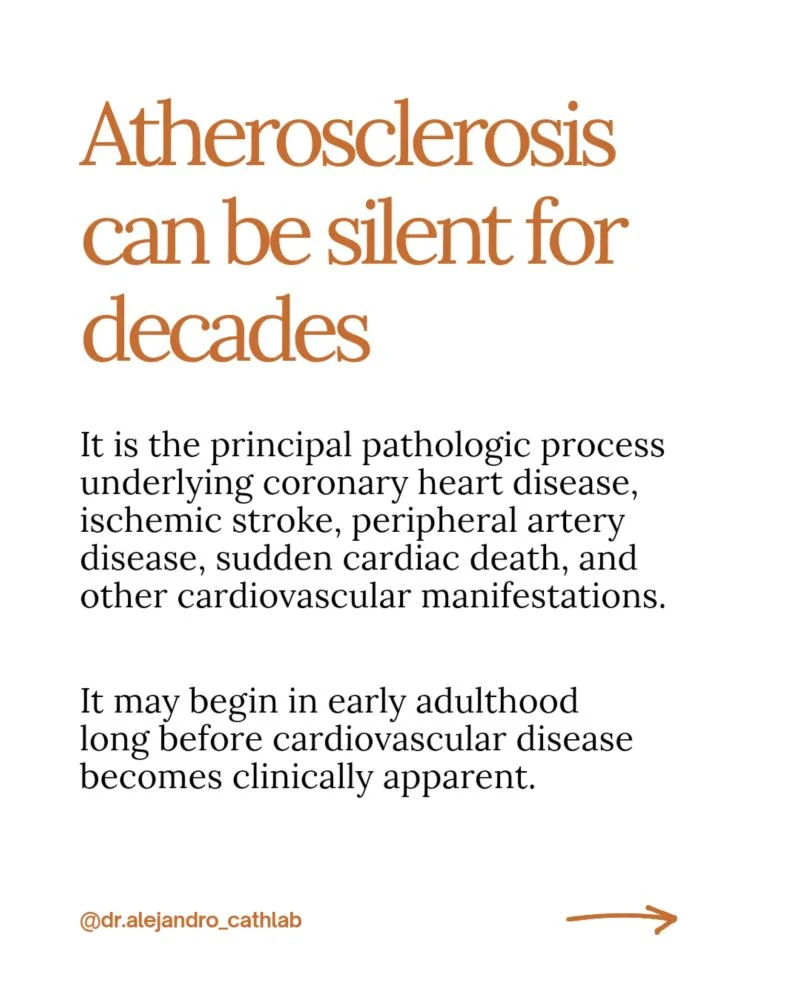
“Atherosclerosis may be much more common—and much earlier—than we think.
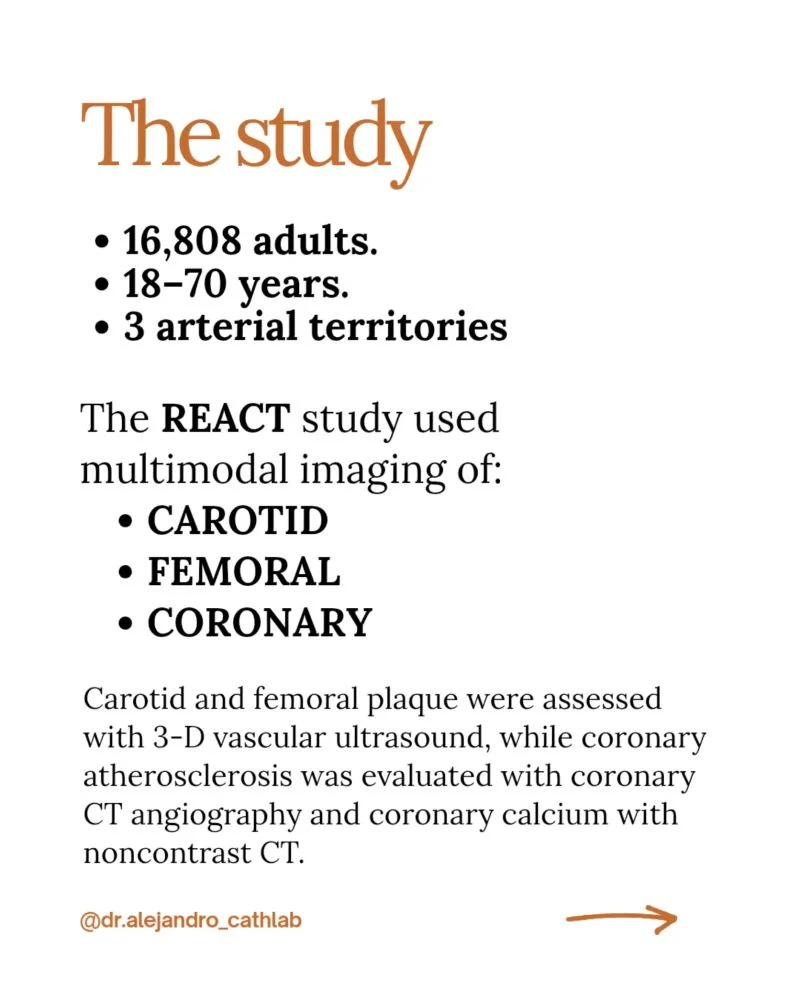
The newly published REACT study in The NEJM provides one of the largest imaging-based assessments of silent atherosclerosis across adult life.
16,808 adults aged 18–70 years without known ASCVD, using multimodal imaging of the carotid, femoral, and coronary arteries.
The findings are striking:
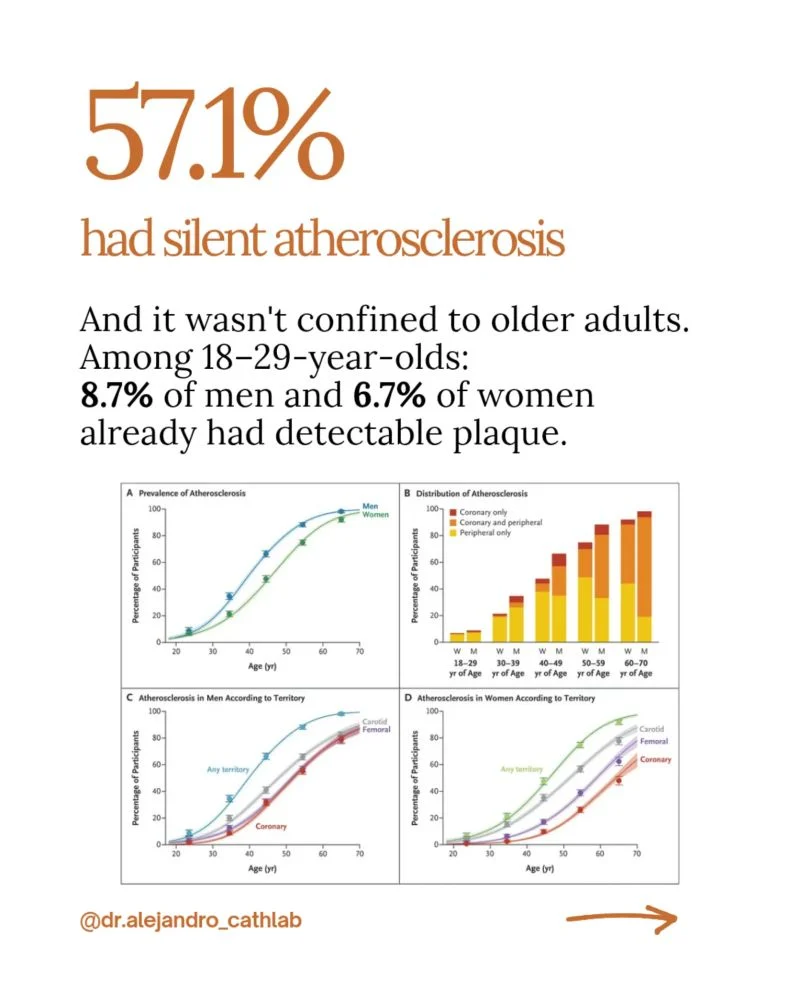
- 57.1 percent of participants had detectable silent atherosclerosis.
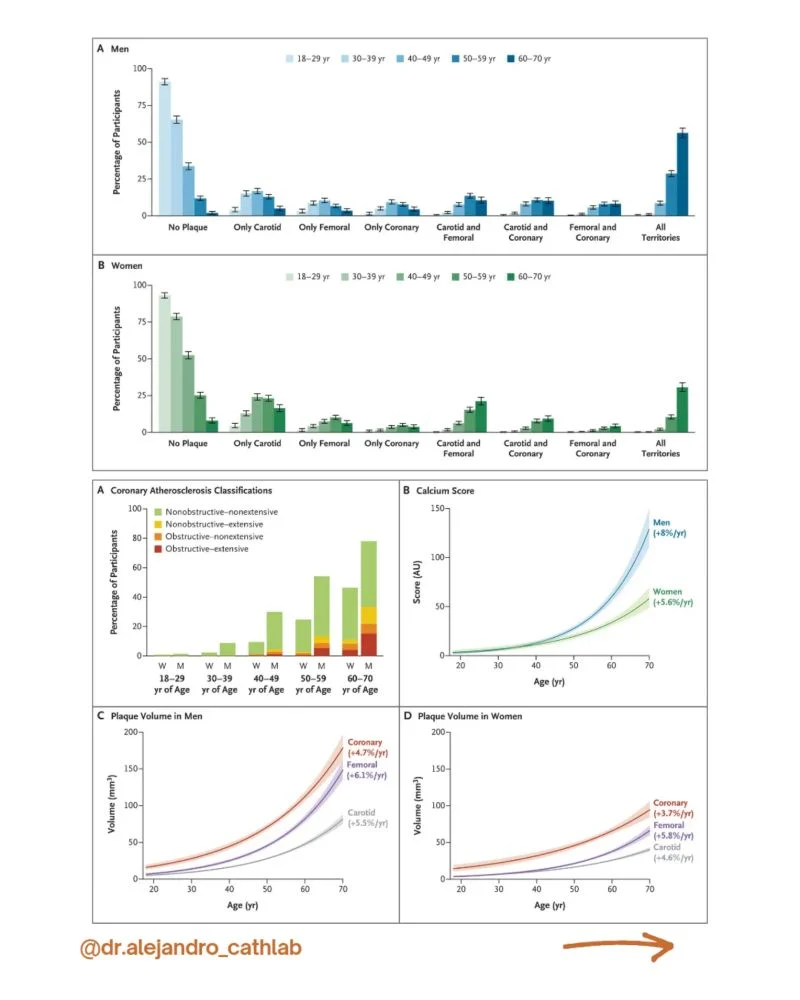
- Even among adults aged 18–29 years, plaque was already present in 8.7 percent of men and 6.7 percent of women.
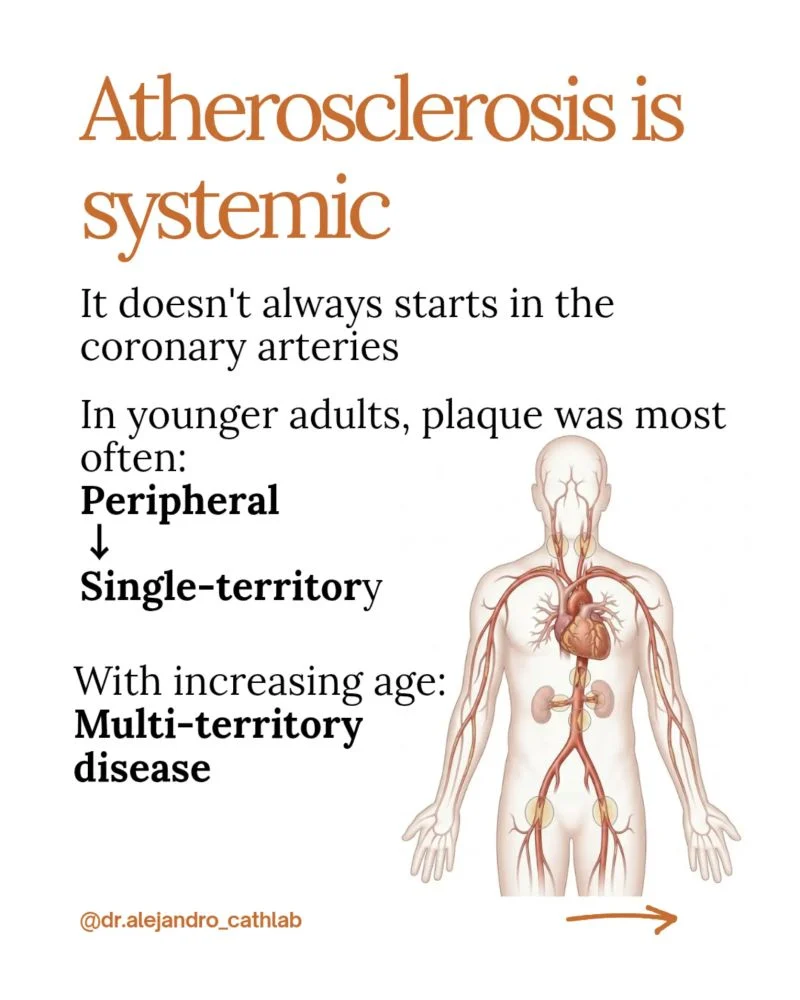
- In younger adults, atherosclerosis was predominantly peripheral and confined to a single vascular territory. With increasing age, plaque volume increased and involvement of multiple vascular territories became more common.
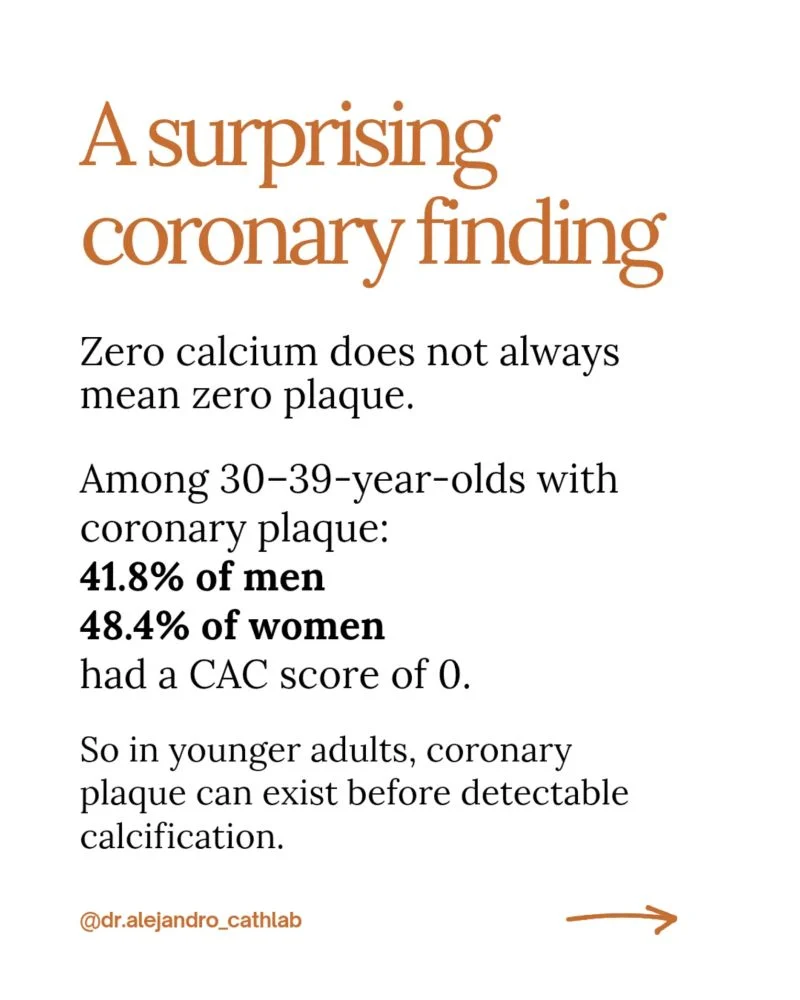
- Coronary plaque was not always accompanied by coronary calcium. Among participants aged 30–39 years who had coronary plaque, 41.8 percent of men and 48.4 percent of women had a CAC score of 0.
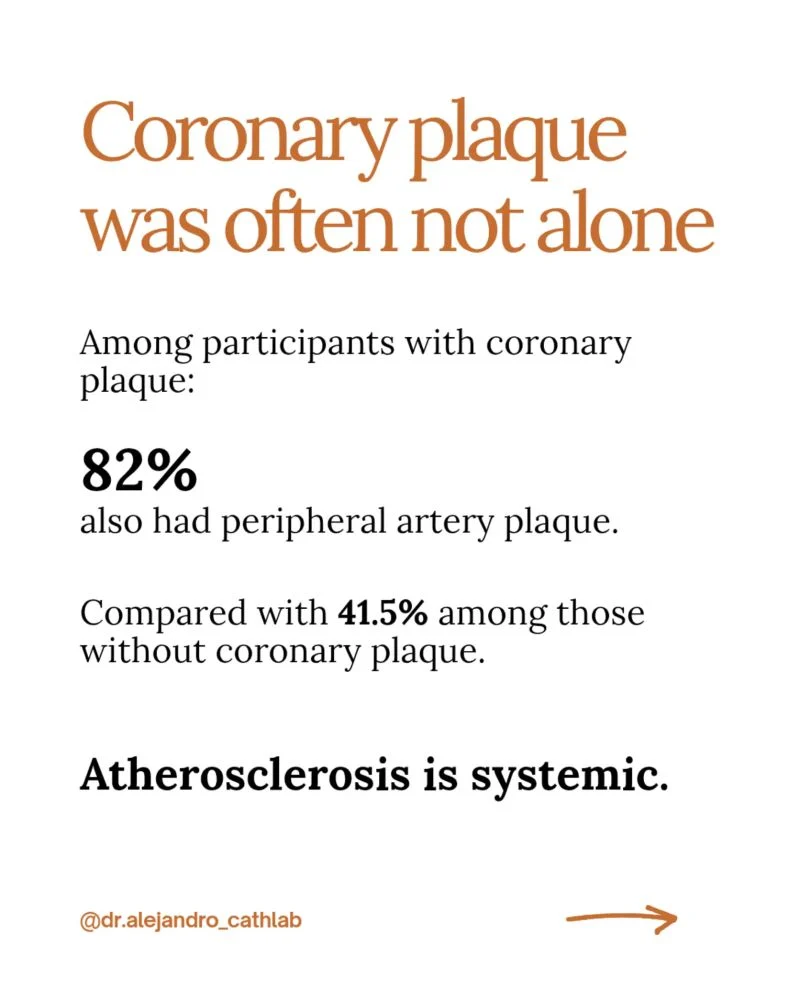
- Atherosclerosis was strongly systemic: 82 percent of participants with coronary plaque also had peripheral plaque.
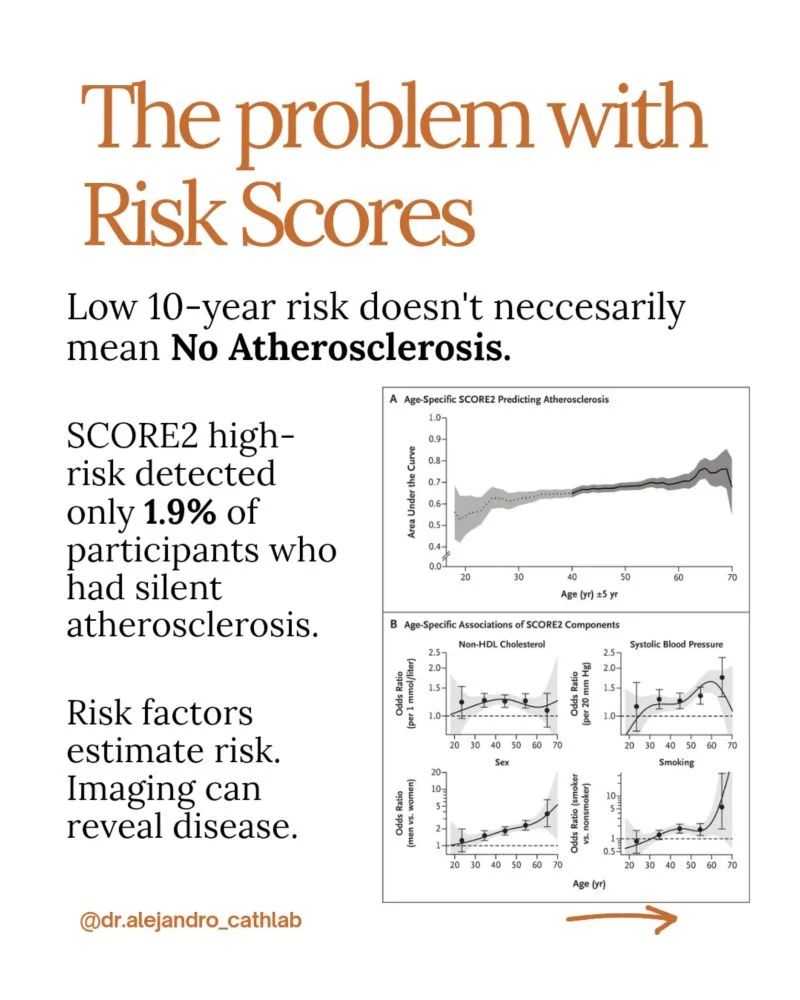
Among participants with silent atherosclerosis, a high-risk SCORE2 classification had only 1.9 percent sensitivity for detecting silent disease.
In other words, most individuals with imaging-detected atherosclerosis were not classified as high risk by SCORE2.
This does not mean that SCORE2 is a poor predictor of cardiovascular events. Rather, it highlights an important distinction:
Risk estimation and direct detection of atherosclerotic disease are not the same thing.
The study was cross-sectional, so age-related differences should not be interpreted as individual disease progression over time.
Nevertheless, it provides a powerful picture of how early atherosclerosis can be present and how it becomes increasingly extensive and systemic with age.
The first cardiovascular event should not be the first time we think about atherosclerosis.
Early detection, appropriate risk-factor management, and prevention remain the real goal.”
Title: Prevalence of Silent Atherosclerosis across Adult Life
Authors: Henning Bundgaard, Inés García-Lunar, Klaus F. Kofoed, Rasmus Hasselbalch, Carlos Nicolás Pérez-García, Joakim Bo Kunkel, Frederik Filip Stæger, Fátima Sánchez-Cabo, José J. Fuster, Virginia Mass, Javier Sánchez-González, Maja V. Kragh, Anna K. Ringgaard, Javier Valls-Monzó, Michael Huy Cuong Pham, Ana Devesa, Morten Sejer, Per Sigvardsen, Antonio Quesada, Charlotte Eberhard, Ana García-Álvarez, Lea Marie Pehrson, Álvaro Navarro-Guzmán, Simon Winther, Mathias Sørgaard, Marcos Gámez, Martin Lundsgaard, Cristina Pérez-Herreras, Ruth Frikke-Schmidt, Pedro L. Sánchez, Nikolaj Eldrup, Juan Torres-Macho, Morten Bøttcher, Valentin Fuster, Kasper K. Iversen, Borja Ibanez
Stay updated on all scientific advances with Hemostasis Today.


-
Oct 16, 2026, 18:12Adil Nawaz: Extended Dual Antiplatelet Therapy After Coronary Stenting
-
Oct 16, 2026, 17:50Elad Asher։ STORM-PE Shows Functional Benefits of Thrombectomy
-
Oct 16, 2026, 17:32Shruthi Narayan: STORM-PE and STRIKE-PE Studies Advance Understanding of Recovery After Pulmonary Embolism
-
Oct 16, 2026, 17:22Wolfgang Miesbach։ What a Near-Perfect FISH Score Fails to See
-
Oct 16, 2026, 17:06Troels Wienecke: Connecting Myeloproliferative Disease and Ischemic Stroke
-
Oct 16, 2026, 17:03Only 5 Days Left to Submit Your Research for EAHAD 2027
-
Oct 16, 2026, 16:48Abdul Rahman: Reticulocyte Count and Bone Marrow Activity
-
Oct 16, 2026, 16:44DOAC Adherence in Stroke Patients With Atrial Fibrillation – International Journal of Stroke
-
Oct 16, 2026, 16:22Shannon Farmer: Driving Patient Blood Management Forward in Australia and New Zealand