

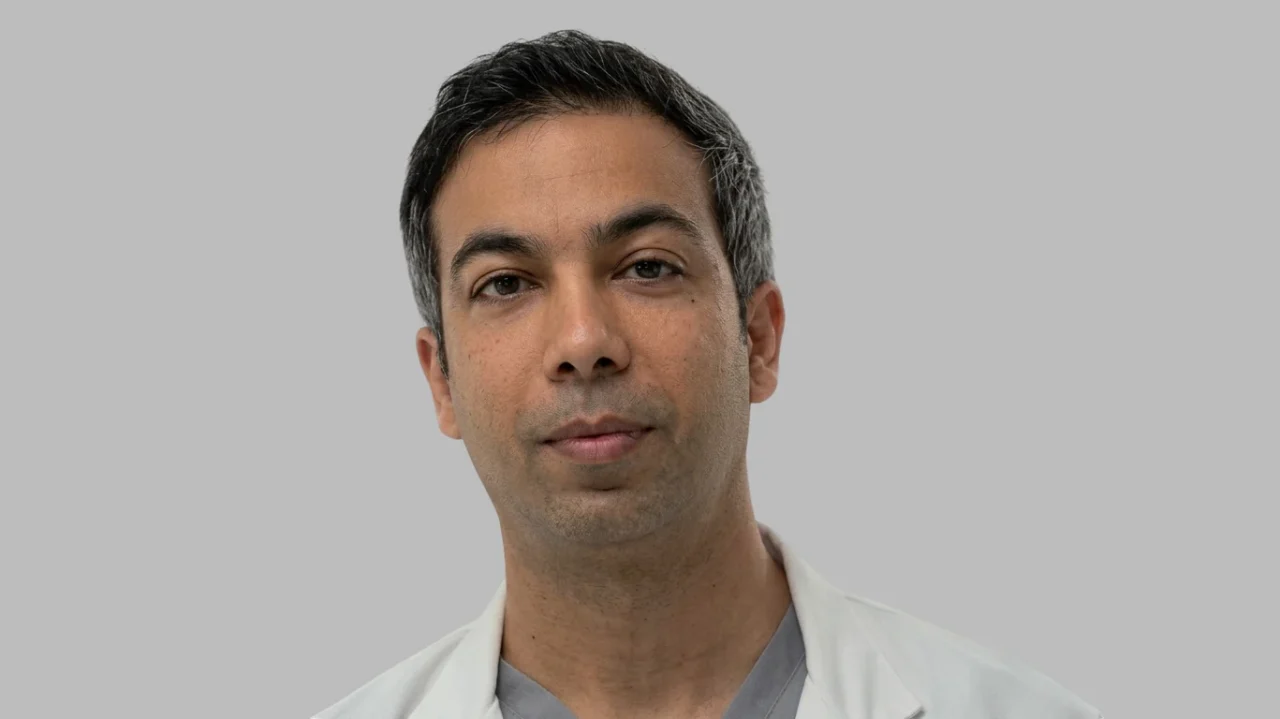
Alejandro González Veliz: More Mechanical Support Does Not Mean Better Survival
Alejandro González Veliz, Interventional Cardiologist at Institute of Cardiology and Cardiovascular Surgery, shared a post on LinkedIn about a recent article by Alaide Chieffo et al., published in European Heart Journal, adding:
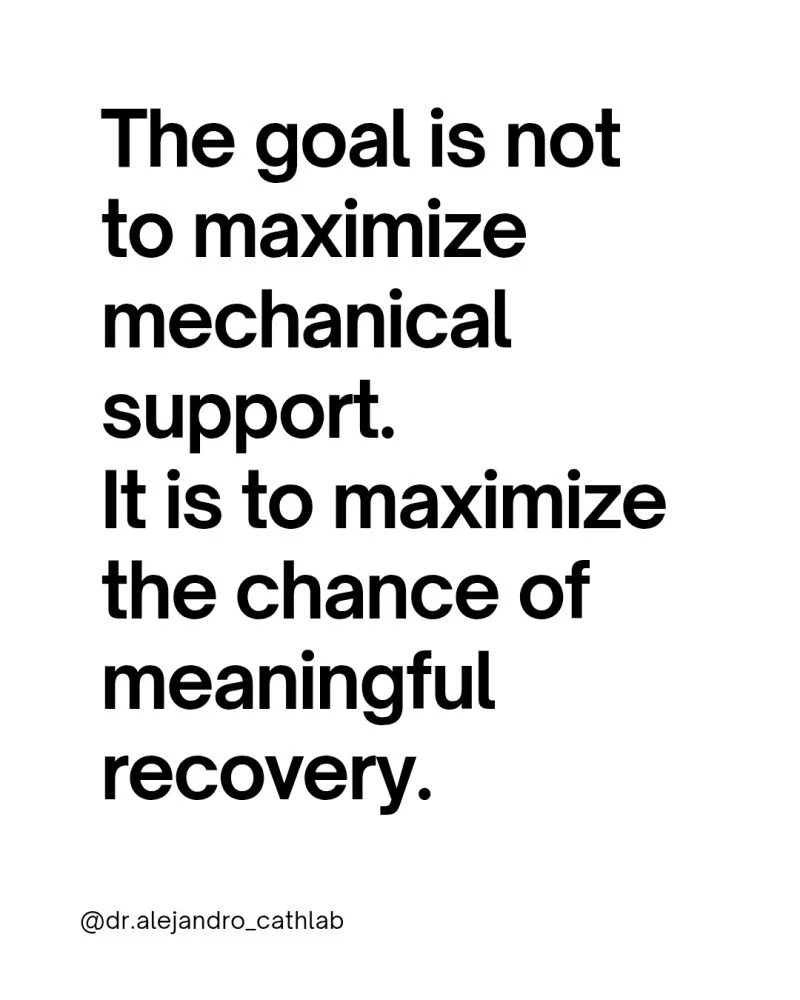
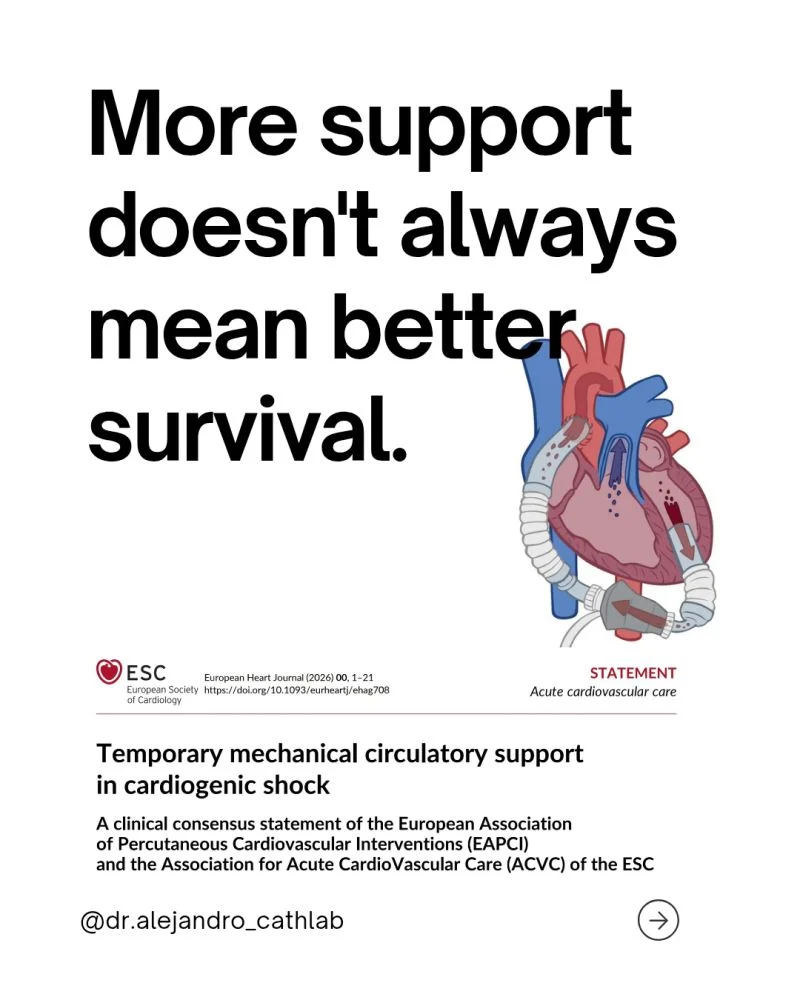
“More mechanical support does not automatically mean better survival.
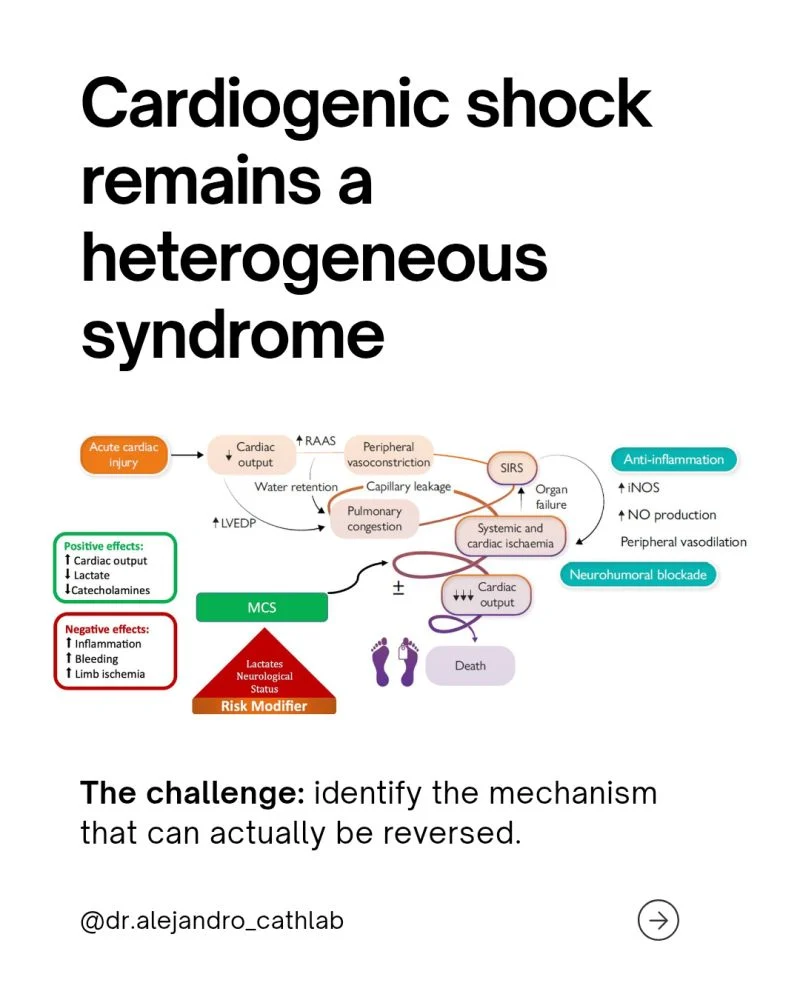
Cardiogenic shock remains one of the most challenging conditions in acute cardiovascular care.
But the latest evidence reinforces an essential principle: temporary mechanical circulatory support must be tailored to the patient—not applied indiscriminately.
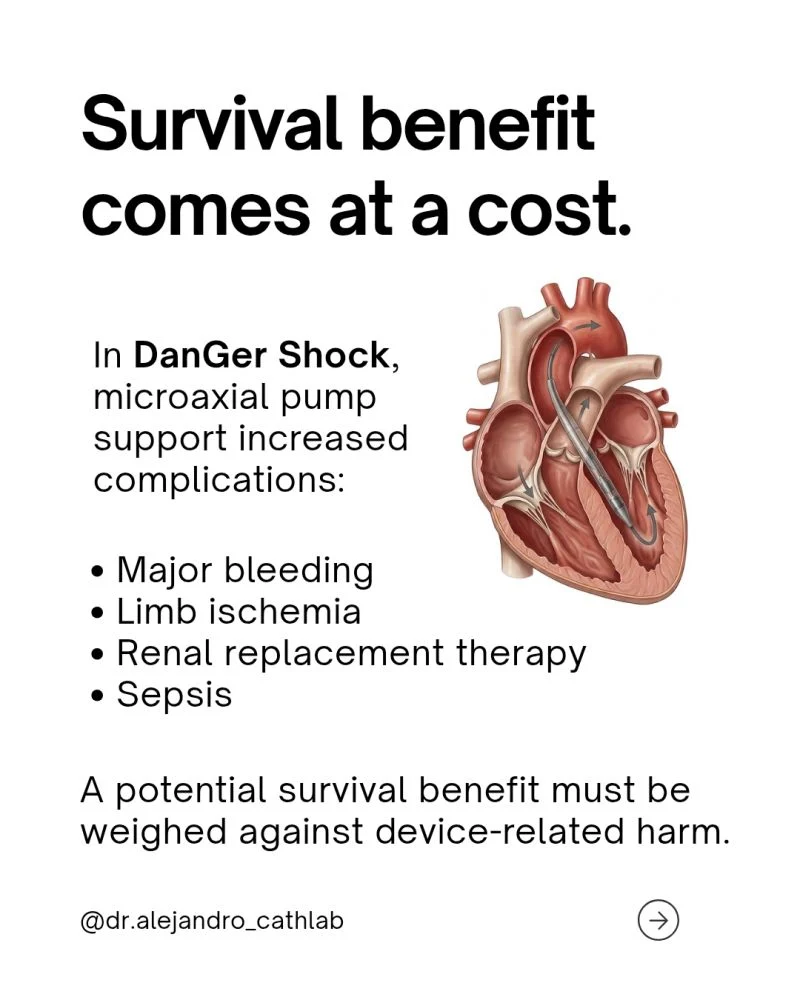
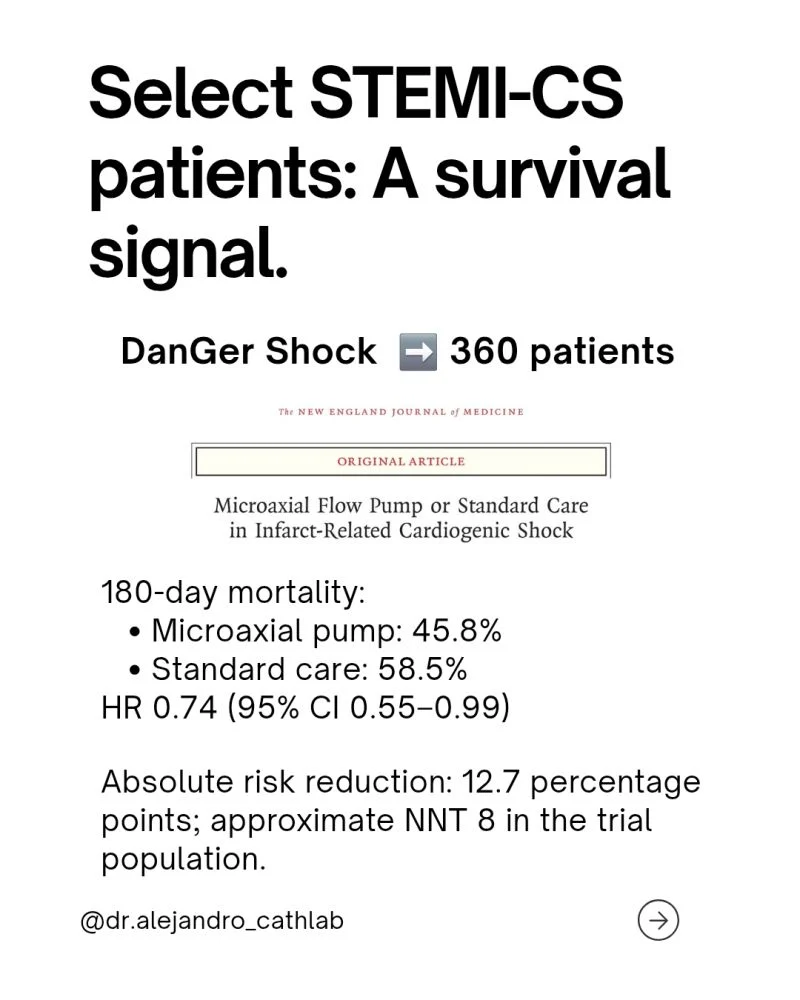
In DanGer Shock, microaxial flow pump support reduced 180-day mortality in selected patients with STEMI complicated by cardiogenic shock, from 58.5% to 45.8%, while increasing complications.
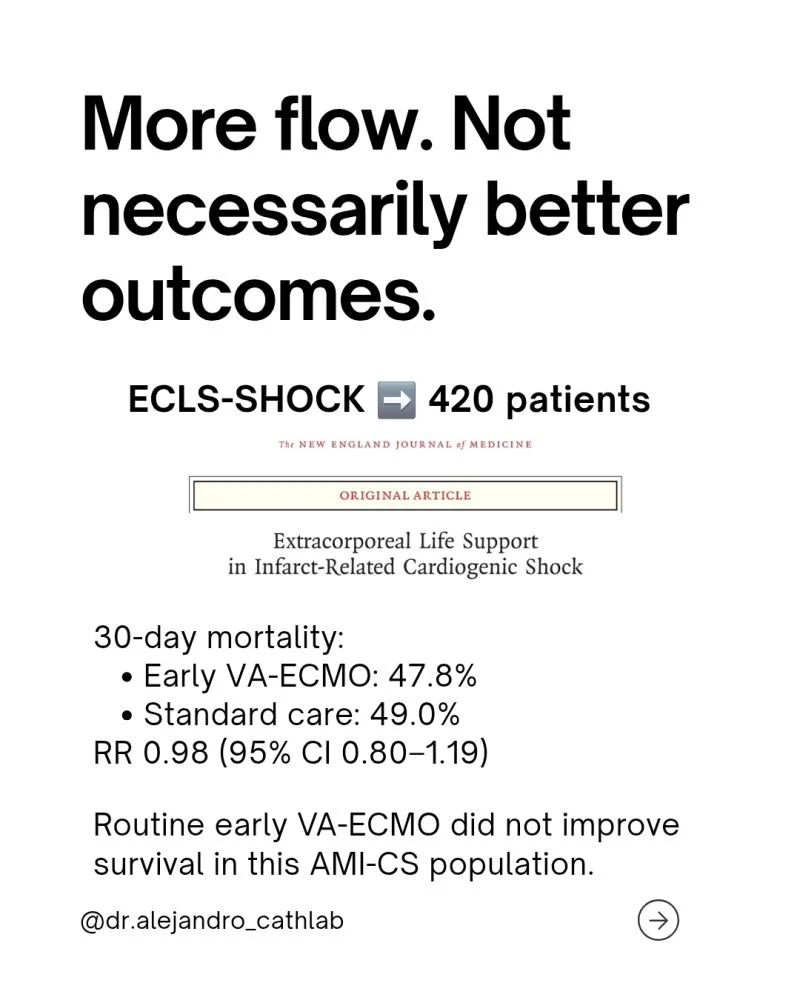
In ECLS-SHOCK, routine early VA-ECMO did not reduce 30-day mortality in a broader AMI-CS population.
These findings are not contradictory. They highlight differences in patient selection, shock phenotype, physiological needs, and trial populations.
Key clinical takeaways:
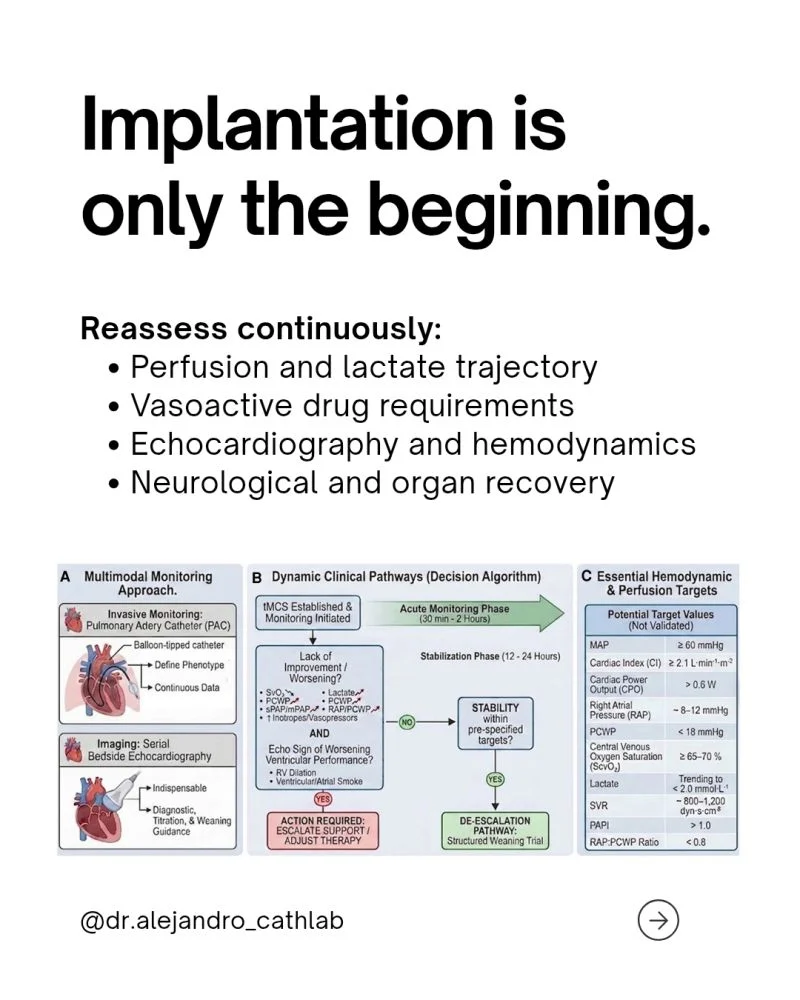
- Stage shock severity and assess its trajectory.
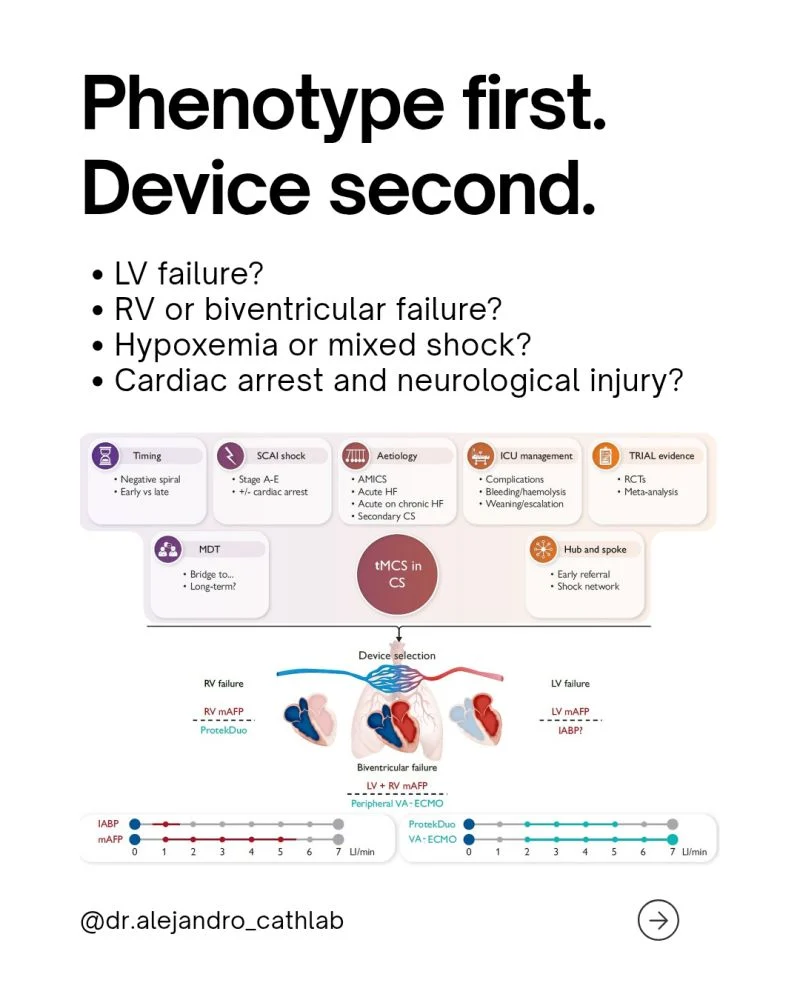
- Identify the predominant ventricular and physiological phenotype.
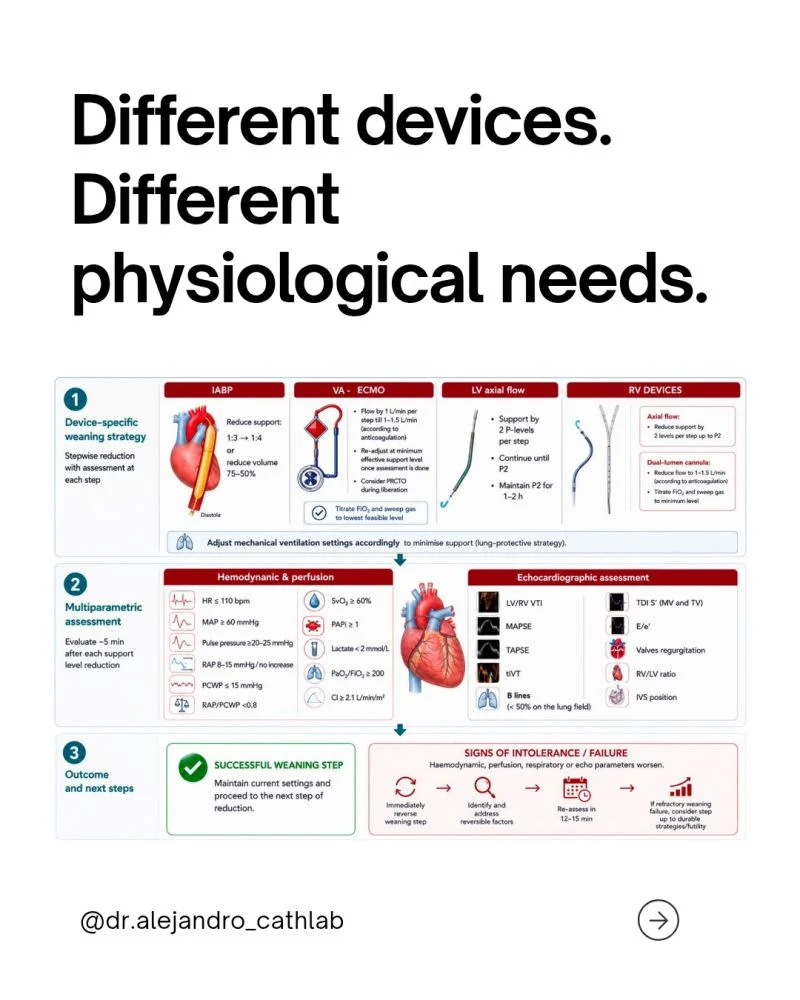
- Match the device to the patient’s support requirements.
- Reassess perfusion, organ function, and complications frequently.
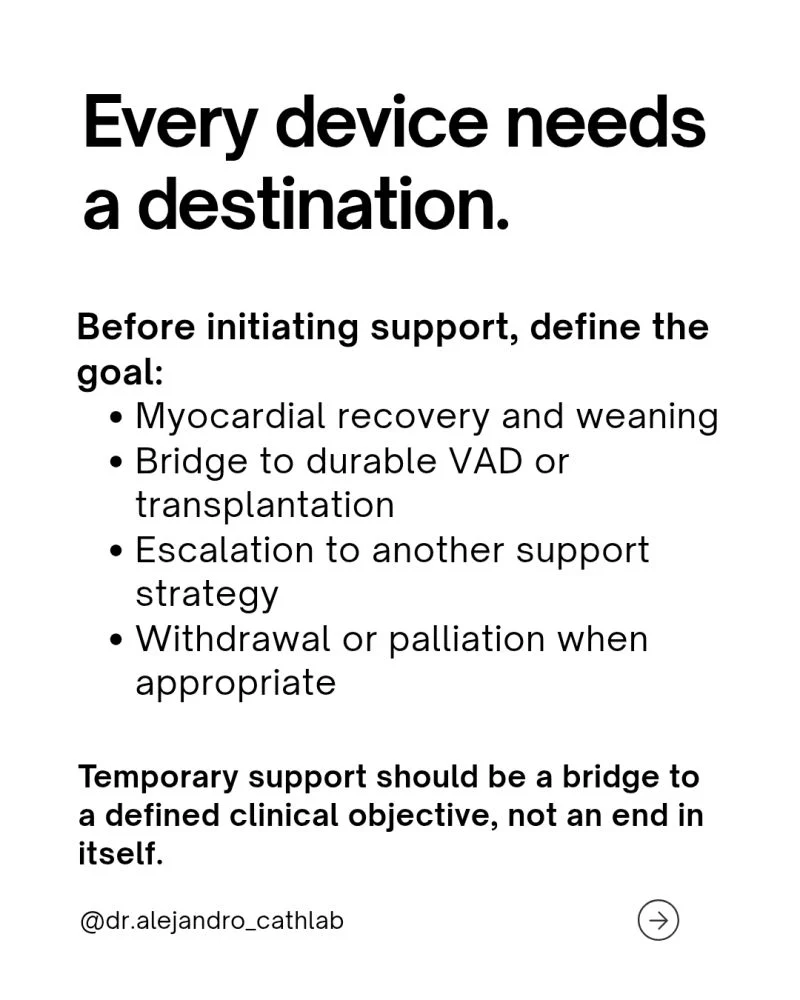
- Define the exit strategy before initiating support.
The ultimate question is not simply which device provides more flow—but which patient is most likely to benefit, at what time, and at what cost?”
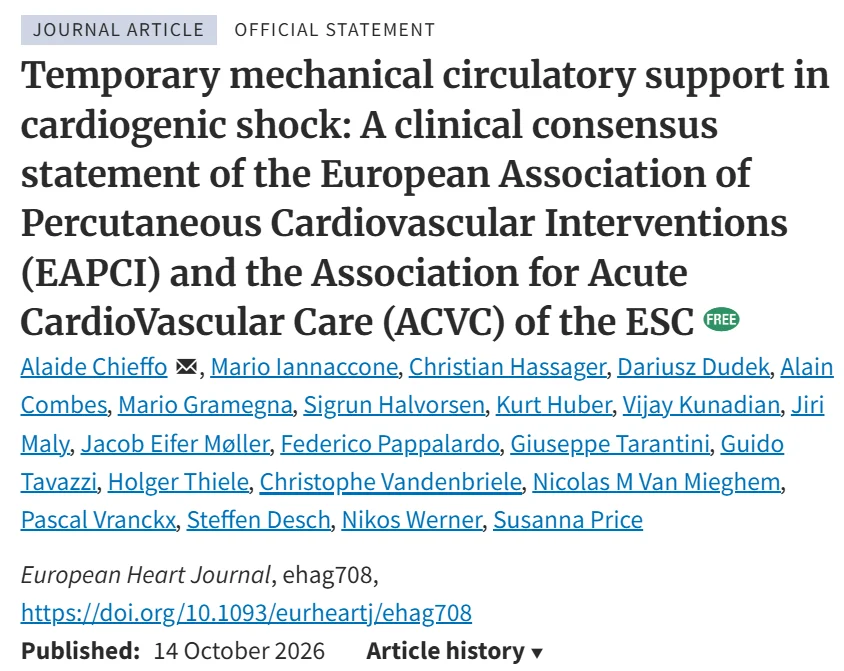
Title: Temporary mechanical circulatory support in cardiogenic shock: A clinical consensus statement of the European Association of Percutaneous Cardiovascular Interventions (EAPCI) and the Association for Acute CardioVascular Care (ACVC) of the ESC
Authors: Alaide Chieffo, Mario Iannaccone, Christian Hassager, Dariusz Dudek, Alain Combes, Mario Gramegna, Sigrun Halvorsen, Kurt Huber, Vijay Kunadian, Jiri Maly, Jacob Eifer Møller, Federico Pappalardo, Giuseppe Tarantini, Guido Tavazzi, Holger Thiele, Christophe Vandenbriele, Nicolas M Van Mieghem, Pascal Vranckx, Steffen Desch, Nikos Werner, Susanna Price
Other posts featuring Alejandro González Veliz on Hemostasis Today.
-
Nov 1, 2026, 12:49Asim Alam: Could Longer Shelf Life Reduce Platelet Waste?
-
Nov 1, 2026, 12:42Nicolas Hubacz: How Cells Make Room for Their DNA
-
Nov 1, 2026, 12:33Discover the Venue for EAHAD 2027
-
Nov 1, 2026, 12:25Sonia Wolf: GLP-1 Receptor Agonists in Sickle Cell Disease
-
Nov 1, 2026, 12:11Marine Sargsyan: Coronary Care Disparities Across the ESC EuroAsia Region
-
Nov 1, 2026, 12:00Ericka Robinson: Family Leave and the Importance of Workplace Support
-
Nov 1, 2026, 11:47Pranjal Patil: Anemia – Are We Treating the Cause or Just the Symptoms?
-
Nov 1, 2026, 11:29Sammee VanArsdale: Human FcRn Models – Advancing Long-Acting Biologics
-
Nov 1, 2026, 05:12Lorena Costa: Anemia Is Common, but It Is Not Normal