

Davide Liborio Vetrano: Metabolic Dysregulation as the Core Signature of Multimorbidity
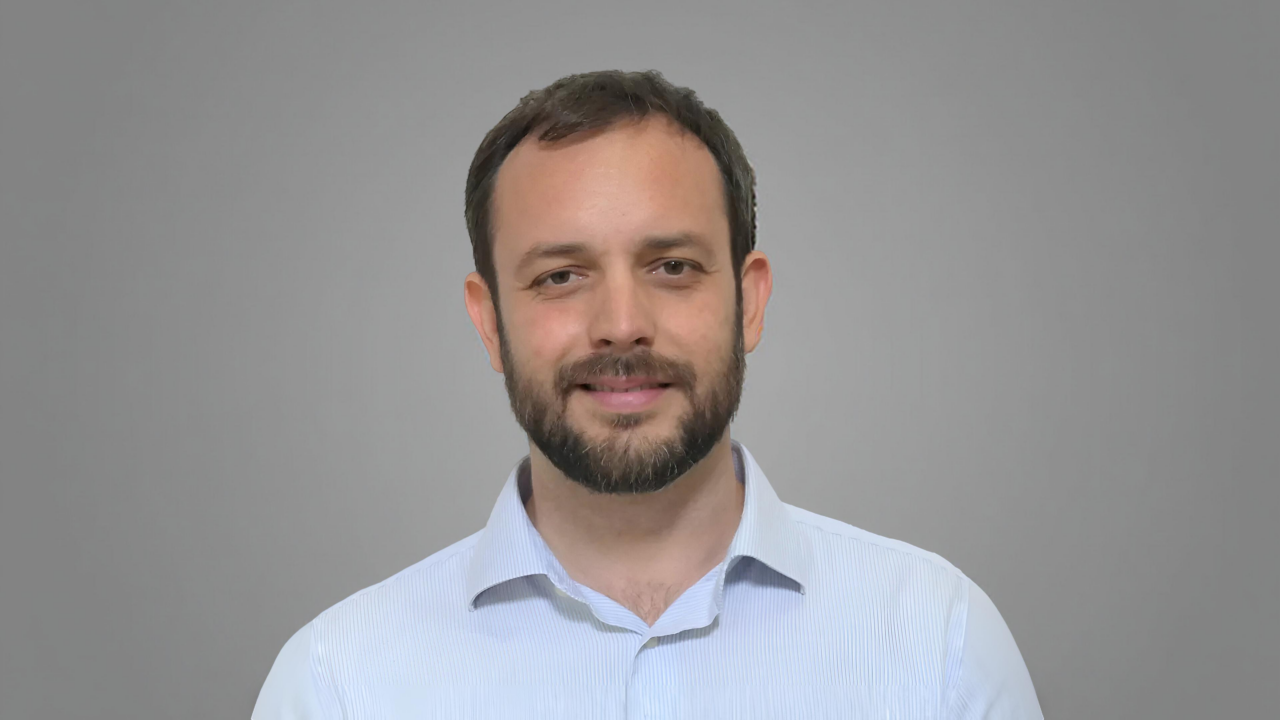
Davide Liborio Vetrano, Associate Professor of Geriatric Research at Karolinska Institutet, posted on LinkedIn:
“Finally out our last study published in Nature Medicine.
Have a look here.
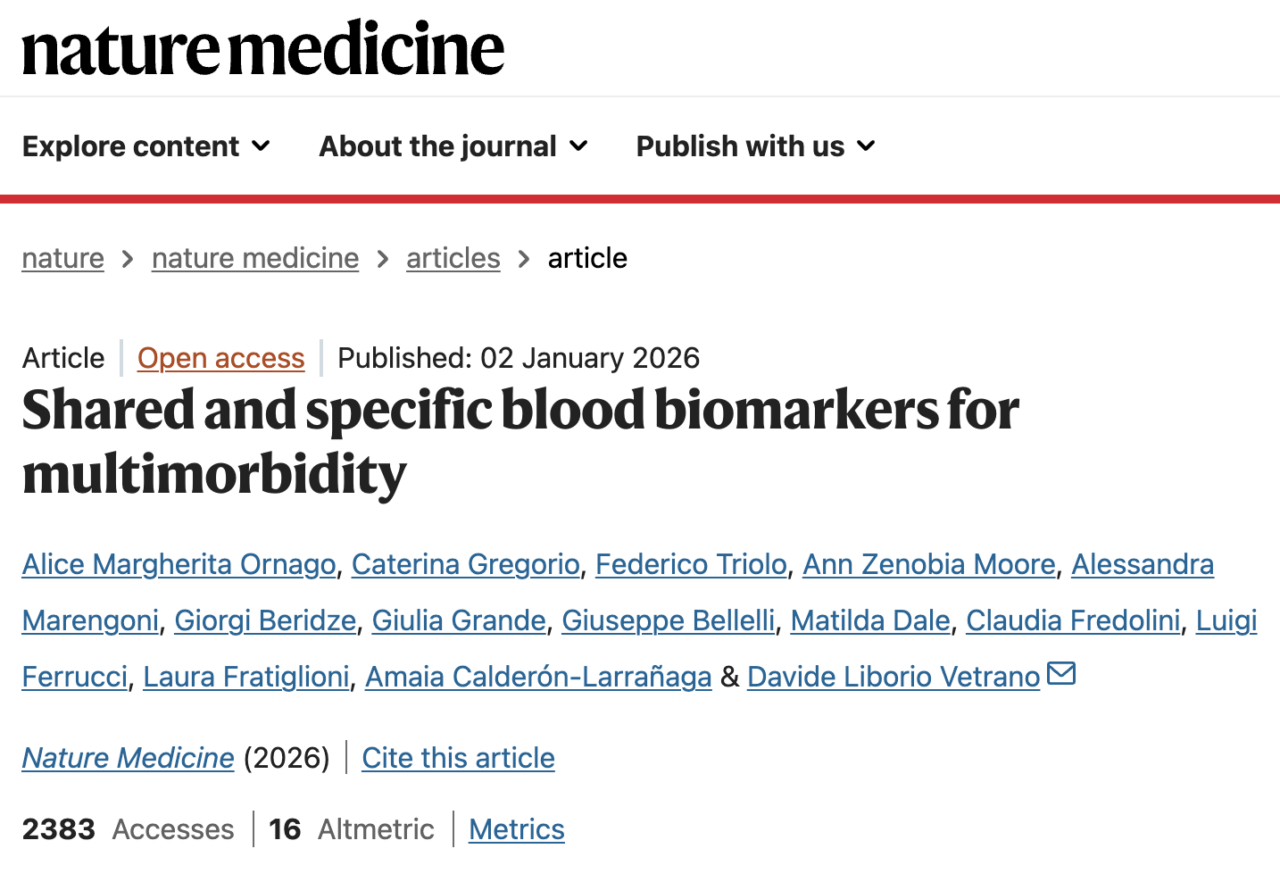
Title: Shared and specific blood biomarkers for multimorbidity
Authors: Alice Margherita Ornago, Caterina Gregorio, Federico Triolo, Ann Zenobia Moore, Alessandra Marengoni, Giorgi Beridze, Giulia Grande, Giuseppe Bellelli, Matilda Dale, Claudia Fredolini, Luigi Ferrucci, Laura Fratiglioni, Amaia Calderón-Larrañaga, Davide Liborio Vetrano
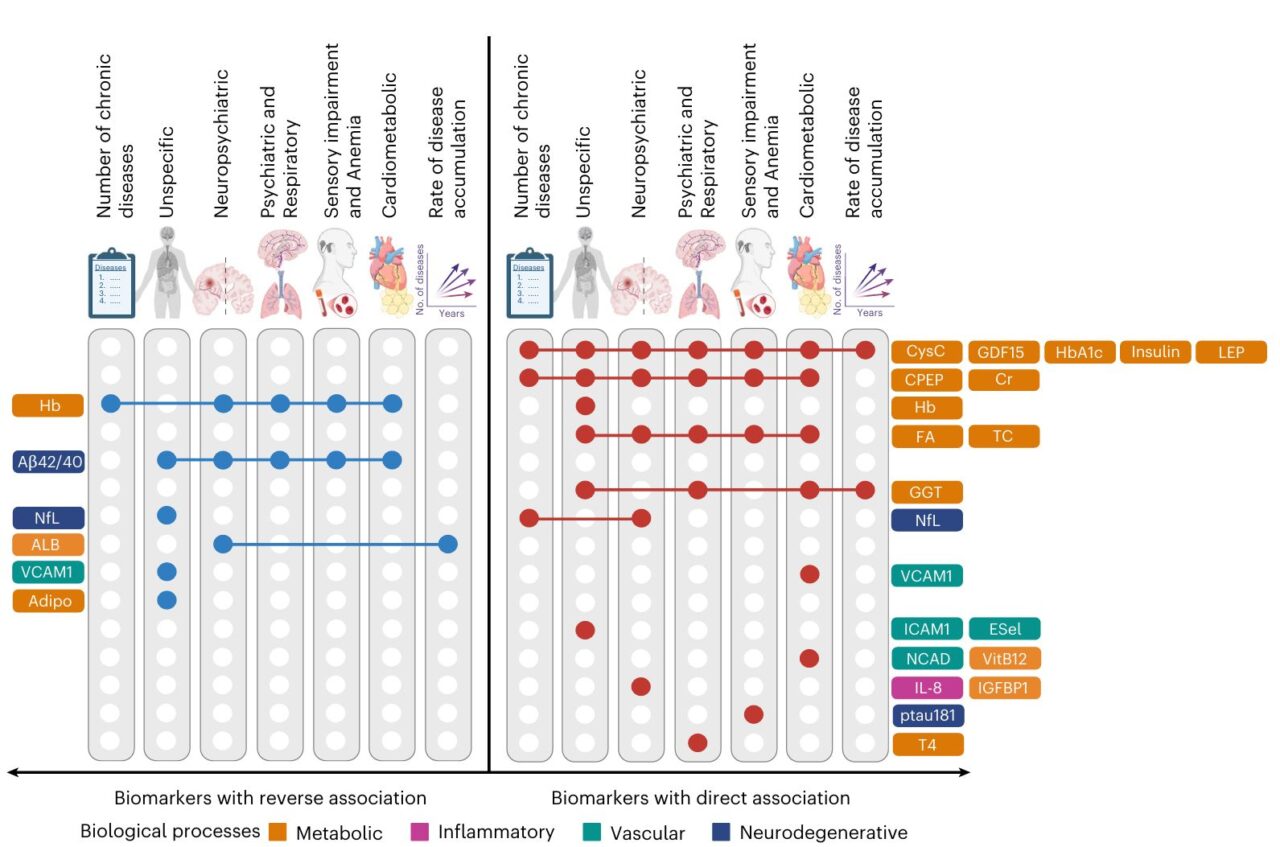
We investigated how a broad panel of blood biomarkers reflecting metabolic, inflammatory, vascular, renal and neurodegenerative processes relates to multimorbidity. Across multiple definitions and longitudinal analyses, metabolic dysregulation consistently emerged as the central biological signature of multimorbidity development and progression. Biomarkers such as GDF15, HbA1c, insulin, leptin and cystatin C showed robust and shared associations across multimorbidity measures, with findings validated in an independent cohort. Advanced multivariate analyses identified distinct biological subprofiles, linking shared and pattern-specific pathways to disease accumulation. Overall, our results support the geroscience hypothesis, highlighting immunometabolic stress as a key, potentially actionable mechanism underlying complex multimorbidity.
A rewarding collaboration among Karolinska Institutet, KTH Royal Institute of Technology, SciLifeLab, Università degli Studi di Milano-Bicocca, Università degli Studi di Brescia, National Institute Of Aging. My biggest acknowledgment goes to Alice Margherita Ornago and Caterina Gregorio for leading the study. Big thanks to all the collaborators for their exceptional input and work: Federico Triolo, Ann Zenobia Moore, Alessandra Marengoni, Giorgi Beridze, Giuseppe Bellelli, Giulia Grande, Matilda Dale, Claudia Fredolini, Luigi Ferrucci, Laura Fratiglioni, Amaia Calderón-Larrañaga.”
Explore more posts for deeper insights into hemostasis with Hemostasis Today.
-
Oct 9, 2026, 16:23David Boone: Distinguishing Stroke Prevention from Rhythm Control in Atrial Fibrillation
-
Oct 9, 2026, 15:27Mohamed Hegazi: Geostatistical Modelling Maps Global β-Thalassaemia Carrier Prevalence
-
Oct 9, 2026, 15:15Maha Othman: Uncovering the Consensus on TXA in TBI – Call for Collaboration on a Landmark Umbrella Review
-
Oct 9, 2026, 15:07Daniel D. Han: How Inhalation Product Exposure Impairs Cardiac and Platelet Recovery After MI
-
Oct 9, 2026, 14:58William Toole: How Ultrasound-Guided PRP Therapy Relieves Joint and Tendon Pain
-
Oct 9, 2026, 14:50Shayan Mohammadmoradi: In Corpus Christi for the 20th Midwest Platelet Conference
-
Oct 9, 2026, 14:37Tariq Tramboo: High Platelet Concentrate for Osteoarthritis Knee – Recent Meta-Analyses
-
Oct 9, 2026, 14:26Yousma Khan: Hematology Series – Beyond RBCs, WBCs and Platelets
-
Oct 9, 2026, 14:13Jesus Ardila Novoa: Why the WHO’s Historic Essential Medicines List Decision Is Just the Beginning