

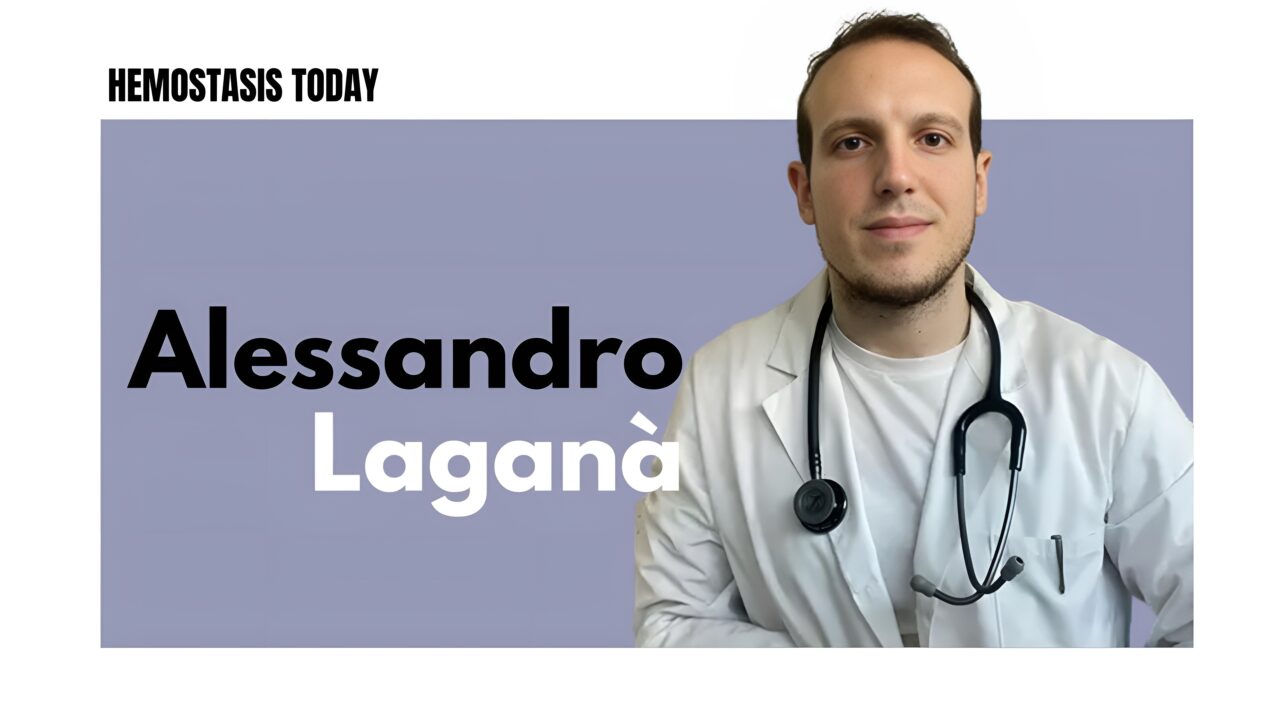
Low-Intensity DOACs in VTE: Sapienza University Reports Long-Term Outcomes
Friends of Mediterranean Journal of Hematology and Infectious Diseases Group shared a post by on LinkedIn:
“Direct oral anticoagulants (DOACs) are widely used for the treatment and secondary prophylaxis of venous thromboembolism (VTE).
Nowadays, DOACs represent the gold standard for long-term anticoagulation, with low-intensity DOAC administration becoming increasingly used worldwide in such scenarios.
Although low-intensity apixaban and rivaroxaban are approved for clinical usage as secondary VTE prophylaxis, there is limited literature regarding their efficacy and safety with a long follow-up.
Here we report the long experience of Sapienza University in Rome.”
Read the full article here.
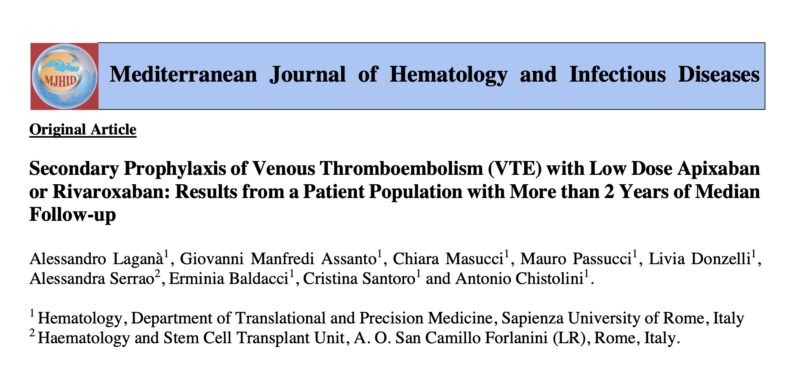
Article: Secondary Prophylaxis of Venous Thromboembolism (VTE) with low dose Apixaban or Rivaroxaban: Results from a patient population with more than 2 years of median follow-up
Authors: Alessandro Laganà, Giovanni Manfredi Assanto, Chiara Masucci, Mauro Passucci, Livia Donzelli, Alessandra Serrao, Erminia Baldacci, Cristina Santoro, Antonio Chistolini
Stay updated on the latest scientific advances in the field of thrombosis with Hemostasis Today.
-
Oct 9, 2026, 16:23David Boone: Distinguishing Stroke Prevention from Rhythm Control in Atrial Fibrillation
-
Oct 9, 2026, 15:27Mohamed Hegazi: Geostatistical Modelling Maps Global β-Thalassaemia Carrier Prevalence
-
Oct 9, 2026, 15:15Maha Othman: Uncovering the Consensus on TXA in TBI – Call for Collaboration on a Landmark Umbrella Review
-
Oct 9, 2026, 15:07Daniel D. Han: How Inhalation Product Exposure Impairs Cardiac and Platelet Recovery After MI
-
Oct 9, 2026, 14:58William Toole: How Ultrasound-Guided PRP Therapy Relieves Joint and Tendon Pain
-
Oct 9, 2026, 14:50Shayan Mohammadmoradi: In Corpus Christi for the 20th Midwest Platelet Conference
-
Oct 9, 2026, 14:37Tariq Tramboo: High Platelet Concentrate for Osteoarthritis Knee – Recent Meta-Analyses
-
Oct 9, 2026, 14:26Yousma Khan: Hematology Series – Beyond RBCs, WBCs and Platelets
-
Oct 9, 2026, 14:13Jesus Ardila Novoa: Why the WHO’s Historic Essential Medicines List Decision Is Just the Beginning